
Track Flight Status in Real-Time? AI Insights for Smart Travelers
Real-time flight tracking has transformed how we travel. Gone are the days of uncertainty at the airport or anxious phone calls to the airline. Today, artificial intelligence powers sophisticated flight status systems that deliver instant updates directly to your phone, enabling you to make informed decisions before boarding even begins.
Whether you’re planning a connection, worried about delays, or simply want to greet arriving loved ones at the right time, AI-driven flight tracking tools have become indispensable. These systems analyze millions of data points—weather patterns, air traffic congestion, aircraft maintenance schedules, and historical performance metrics—to provide accurate, predictive insights that go far beyond basic gate information.
In this comprehensive guide, we’ll explore how artificial intelligence revolutionizes flight status tracking, what tools are available to travelers, and how to leverage these technologies for stress-free air travel. Whether you’re a frequent flyer or an occasional traveler, understanding these AI systems will enhance your journey from booking through arrival.

How AI Powers Flight Status Tracking
Artificial intelligence has fundamentally transformed flight status monitoring from a static, reactive system into a dynamic, predictive network. Traditional flight tracking relied on airline announcements and basic schedule comparisons. Today’s AI systems continuously process thousands of variables simultaneously, creating a comprehensive picture of your flight’s journey before you even arrive at the airport.
Machine learning algorithms learn from historical flight data spanning years. They understand that a particular aircraft type departing from a specific airport during certain weather conditions typically experiences particular delays. They recognize that Tuesday morning flights from major hubs have different delay patterns than Friday evening flights. This contextual intelligence allows AI systems to provide predictions that are often more accurate than the airline’s own initial estimates.
The integration of multiple data sources—airport operations, air traffic control feeds, weather services, and aircraft tracking systems—creates a unified intelligence network. When a thunderstorm develops near your destination airport, AI systems immediately calculate its impact on your flight’s landing time. When a connecting flight ahead of you experiences mechanical issues, predictive algorithms adjust your aircraft’s expected arrival based on gate availability and ground crew scheduling.
These systems also understand human behavior patterns. They know that passengers booking refundable tickets often do so when expecting delays. They recognize that crew scheduling constraints sometimes cause cascading delays. By incorporating these behavioral insights with technical data, AI provides a holistic view of your flight’s actual status and likely outcomes.
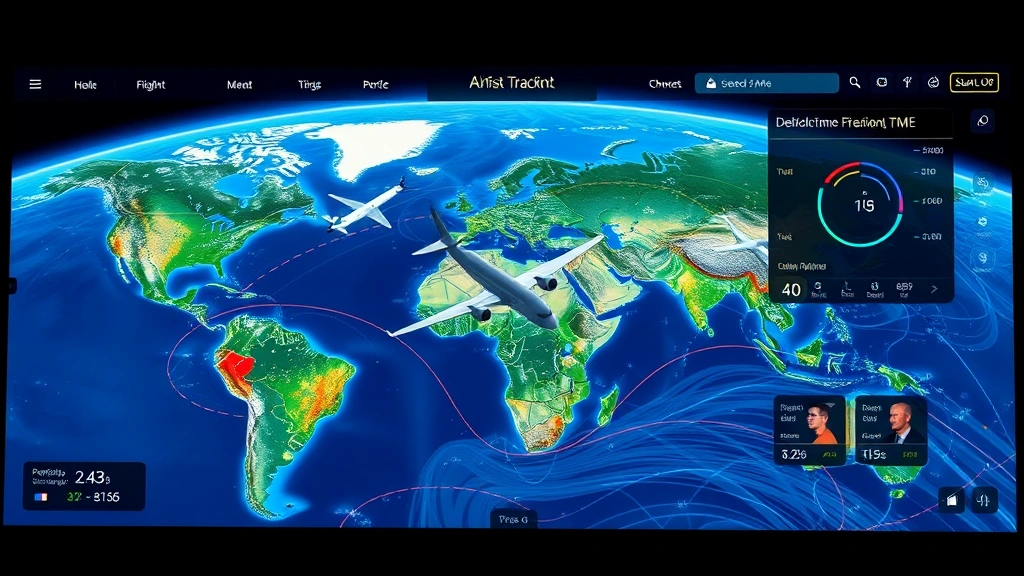
Real-Time Data Integration and Prediction
The backbone of AI flight tracking is seamless data integration from multiple authoritative sources. The Federal Aviation Administration’s air traffic management systems provide real-time position data for aircraft in U.S. airspace. International flights benefit from similar systems managed by regional aviation authorities worldwide. AI platforms aggregate this data, normalize it across different formats, and present it through intuitive interfaces.
Predictive capabilities distinguish modern AI systems from basic tracking. Rather than simply showing where your aircraft currently is, these systems forecast where it will be at any given time. They calculate the impact of headwinds and tailwinds on flight duration. They predict gate assignments based on aircraft type, flight duration, and airport congestion patterns. They estimate ground handling times based on aircraft size and turnaround requirements.
Weather integration represents a critical component of prediction accuracy. AI systems don’t just monitor current conditions; they incorporate meteorological forecasts from multiple sources. When a flight faces headwinds, systems calculate the additional fuel burn and potential arrival delays. When destination weather deteriorates, they predict whether the flight can land as scheduled or might need to divert. This weather intelligence often provides hours of advance notice of potential issues.
The most sophisticated AI flight tracking systems employ ensemble modeling—combining predictions from multiple algorithms to generate probability distributions rather than single point estimates. This approach acknowledges uncertainty while providing travelers with realistic expectations. Instead of saying “your flight will arrive at 7:15 PM,” these systems might indicate “85% probability your flight arrives between 7:10 and 7:25 PM.”
Top AI-Powered Flight Tracking Tools
Several premium flight tracking platforms have emerged as leaders in AI-powered status monitoring. These tools vary in features, coverage, and user experience, but all leverage artificial intelligence to enhance traditional flight tracking.
FlightRadar24 combines real-time aircraft position tracking with AI-powered insights. The platform visualizes flight paths, displays aircraft types and registration numbers, and provides historical flight data. Its AI components analyze patterns to identify unusual delays or routing decisions.
FlightAware integrates with airline systems and offers predictive delay information alongside real-time tracking. Their AI algorithms analyze millions of flight records to predict delays with greater accuracy than basic schedule comparisons. The platform allows you to set custom alerts for specific flights, with notifications triggered when AI systems detect potential issues.
Airline mobile applications now incorporate significant AI capabilities. When you check flight status through your airline’s app, you’re often interacting with machine learning systems that predict delays, suggest alternative routings, and provide personalized notifications. The International Air Transport Association continues developing standards that enhance these capabilities across the industry.
Many travelers rely on Google Flights and similar travel search engines, which have integrated AI-powered flight status tracking. These platforms show real-time flight positions, historical delay data, and predictive insights about likely delays. When you search for flights, the system displays delay information alongside prices, helping you make informed booking decisions.
Specialized apps like TripIt and Hopper aggregate flight information from multiple sources and apply AI analysis to provide comprehensive travel intelligence. TripIt tracks your booked flights and sends intelligent notifications about status changes, while Hopper’s algorithms predict price movements and identify optimal booking windows.
Predictive Delay Analysis
Understanding why delays occur and predicting them accurately represents perhaps the most valuable application of AI in flight tracking. Rather than passively monitoring flight status, AI systems actively forecast disruptions, often providing days of advance notice.
Mechanical delays follow predictable patterns that AI systems can anticipate. Aircraft undergo scheduled maintenance based on flight hours and calendar intervals. When an aircraft approaches scheduled maintenance, the likelihood of mechanical delays increases. AI systems incorporate maintenance schedules into their predictions, helping you understand whether a flight is likely to experience unexpected issues.
Crew scheduling represents another major delay source that AI can predict. Pilots and flight attendants work under strict regulatory hour limitations. When crew scheduling becomes constrained—perhaps due to previous delays creating cascading effects—subsequent flights become increasingly vulnerable to crew-related delays. AI systems track crew utilization patterns and identify high-risk flights days in advance.
Airport congestion follows cyclical patterns that AI systems understand deeply. Morning rush hours, evening peak periods, and seasonal variations create predictable congestion patterns. Weather events, special events, and holidays create temporary disruptions. AI systems incorporate all these factors when predicting your flight’s arrival time.
The relationship between booking patterns and delay likelihood offers counterintuitive insights. Flights with high load factors (more passengers) sometimes experience longer delays due to extended boarding and deplaning processes. Flights with connecting passengers face different delay patterns than direct flights. AI systems understand these relationships and incorporate them into predictions.
Integration with Travel Planning
Understanding airline key information and tips for travelers helps you leverage AI flight tracking effectively throughout your journey. When booking flights, examine historical delay data that AI systems provide. Some airlines and routes consistently perform better than others, and this information should influence your booking decisions.
For best airlines for long flights, AI tracking reveals which carriers maintain reliable on-time performance across extended routes. These systems show that on-time performance varies significantly by airline, route, and season. When you understand these patterns, you can book with greater confidence.
Learning the best times to book airline tickets connects with AI insights about schedule reliability. Certain booking windows correlate with better availability on preferred flights, which often have superior on-time performance. By combining pricing intelligence with reliability data, you can optimize both cost and travel experience.
During trip planning, review AI-generated delay predictions for your specific flights. If a flight shows elevated delay risk, consider alternative flights with better predicted reliability. If connections appear tight based on AI delay predictions, allow additional buffer time or book a different connection.
At the airport, real-time AI tracking becomes invaluable. If your aircraft is delayed in another city, you’ll receive advance notification allowing you to adjust ground plans. If gate changes occur, AI-powered apps often notify you automatically. If weather deteriorates, you’ll understand the situation’s severity and likely impact on your flight.
Essential tips for long haul flights should include understanding how to monitor your flight status effectively. For long flights, AI predictions become increasingly valuable because they help you understand whether you’ll arrive on schedule, allowing you to coordinate ground transportation and accommodations accordingly.
Privacy and Data Security Considerations
As AI flight tracking systems collect and analyze increasingly detailed travel information, privacy and security become important considerations. Your flight booking information, travel patterns, and even personal preferences may be processed by AI systems to enhance tracking accuracy and personalization.
Most major flight tracking platforms employ industry-standard encryption for data transmission and storage. When you access your flight information through these services, communication occurs over secure connections. However, the volume of personal data these systems collect warrants careful attention to privacy policies.
Consider what information you’re comfortable sharing with flight tracking services. Some platforms offer enhanced predictions if you provide detailed personal information and travel preferences. Others maintain strong privacy practices, limiting data collection to flight-related information only. Review privacy policies before granting access to personal data.
Data aggregation across multiple platforms can create comprehensive travel profiles. When you use an airline app, a flight tracking service, and a travel booking platform, each collects information about your travel patterns. While this data helps each service improve its AI capabilities, the aggregated picture reveals significant details about your movements and preferences.
Be cautious about sharing flight information on social media. When you post about upcoming travel, you’re creating a public record that your home or office will be unoccupied. While flight tracking services maintain privacy, social media integration can compromise it.
Future of AI Flight Tracking
The evolution of AI flight tracking continues accelerating, with emerging technologies promising even greater accuracy and utility. The International Civil Aviation Organization actively develops standards for data sharing that will enhance global flight tracking capabilities.
Autonomous flight planning systems may eventually optimize routes in real-time, dynamically adjusting flight paths based on weather, congestion, and fuel efficiency. Rather than flying predetermined routes, aircraft might adjust heading and altitude continuously to avoid delays and minimize fuel consumption. AI systems would provide passengers with updated arrival predictions reflecting these dynamic adjustments.
Integration with autonomous vehicle systems may create seamless end-to-end journey optimization. Your AI travel assistant might automatically adjust ground transportation timing based on real-time flight status, ensuring you arrive at the airport exactly when needed and coordinating ground transportation at your destination to match actual arrival times.
Blockchain technology may enhance transparency in flight tracking by creating immutable records of aircraft positions and status updates. This technology could provide definitive proof of when delays occurred and why, potentially resolving disputes about delay compensation eligibility.
Natural language processing improvements will make flight tracking more conversational and intuitive. Rather than navigating complex interfaces, you might simply ask your AI assistant, “Will my flight arrive on time?” and receive a comprehensive answer incorporating current conditions, historical patterns, and predictive analysis.
When planning future trips, check the SkyVoyage Hub Blog for updated information about emerging flight tracking technologies and how they enhance travel experiences. As these tools evolve, understanding their capabilities will become increasingly important for travelers seeking to optimize their journeys.
Consider how to find cheap airline tickets to Europe with enhanced awareness of reliability data. As AI systems become more sophisticated, they’ll help you balance cost optimization with schedule reliability, ensuring you book flights that offer both affordability and dependable on-time performance.
FAQ
How accurate are AI flight delay predictions?
Modern AI flight delay predictions achieve accuracy rates of 75-85% for delays exceeding 15 minutes, typically outperforming airline initial estimates. Accuracy varies based on prediction timing—predictions made closer to departure are more accurate than those made days in advance. Ensemble modeling approaches that combine multiple algorithms typically provide better accuracy than single-algorithm systems.
Can AI flight tracking predict cancellations?
AI systems can identify flights with elevated cancellation risk by analyzing mechanical status, crew scheduling constraints, and weather forecasts. However, cancellations often result from decisions made shortly before departure, making prediction challenging. AI systems typically achieve 60-70% accuracy for cancellation prediction when made within 12 hours of departure.
Do airlines use the same AI flight tracking systems as consumers?
Airlines use proprietary systems with greater access to internal data, but they employ similar AI principles and algorithms. Consumer-facing platforms like FlightAware and FlightRadar24 often provide predictions comparable to or exceeding airline internal systems because they aggregate data from multiple sources rather than relying on single-airline information.
Is real-time flight tracking available internationally?
Coverage varies by region. U.S. and European flights have excellent tracking coverage due to comprehensive air traffic control data sharing. International flights benefit from improving coverage, though some regions with less developed infrastructure provide less detailed real-time data. Most major international routes now have reliable tracking available through global platforms.
How far in advance can AI predict flight delays?
AI systems can identify high-risk flights weeks in advance by analyzing maintenance schedules and seasonal patterns. However, specific delay predictions become reliable only 24-48 hours before departure when weather forecasts and operational status become clearer. As departure approaches, prediction accuracy improves significantly.
What should I do if AI predicts my flight will be delayed?
If AI systems show elevated delay risk, consider alternative flights, adjust ground plans, or allow additional buffer time for connections. If the delay risk is significant, contact your airline about rebooking options. For important connections, consider booking flights with longer connection times or alternative routing.