
Track AI101 Flight Status: Real-Time Updates and Essential Information
Tracking your flight status in real-time has become essential for modern travelers. Whether you’re flying with Air India’s AI101 route or any other airline service, staying informed about delays, gate changes, and arrival times can transform your travel experience from stressful to seamless. This comprehensive guide walks you through everything you need to know about monitoring your flight status, understanding what the information means, and preparing for various travel scenarios.
Air India operates numerous flights daily across domestic and international routes, and the AI101 designation typically refers to specific scheduled services. Real-time flight tracking has revolutionized how passengers manage their journeys, allowing you to receive instant notifications about any changes and plan ground transportation, hotel check-ins, and connections with confidence.
How to Track AI101 Flight Status
Tracking your AI101 flight status begins the moment you book your ticket. Air India provides multiple channels for accessing real-time flight information, ensuring you can check your flight from anywhere using your preferred device. The most direct method involves visiting Air India’s official website, where you can enter your booking reference and flight details to receive instant updates.
Start by gathering essential information: your booking confirmation number (typically a six-character code), flight number (AI101 or similar), and scheduled departure date. With these details ready, you can access flight status information within seconds. Most airlines, including Air India, update their systems every few minutes, providing accurate information about current gate assignments, boarding times, and any schedule changes.
You can also contact Air India’s customer service directly at their customer support center for personalized assistance. Their representatives can provide detailed information about your specific flight, explain any delays, and help you with rebooking if necessary. This human touch often proves invaluable when dealing with complex travel situations or international flights.
Many travelers benefit from setting up alerts with frequent flyer programs, which provide notifications about flight changes directly to your email or phone. These alerts ensure you never miss important updates, even when you’re busy preparing for your journey.
Real-Time Tracking Tools and Platforms
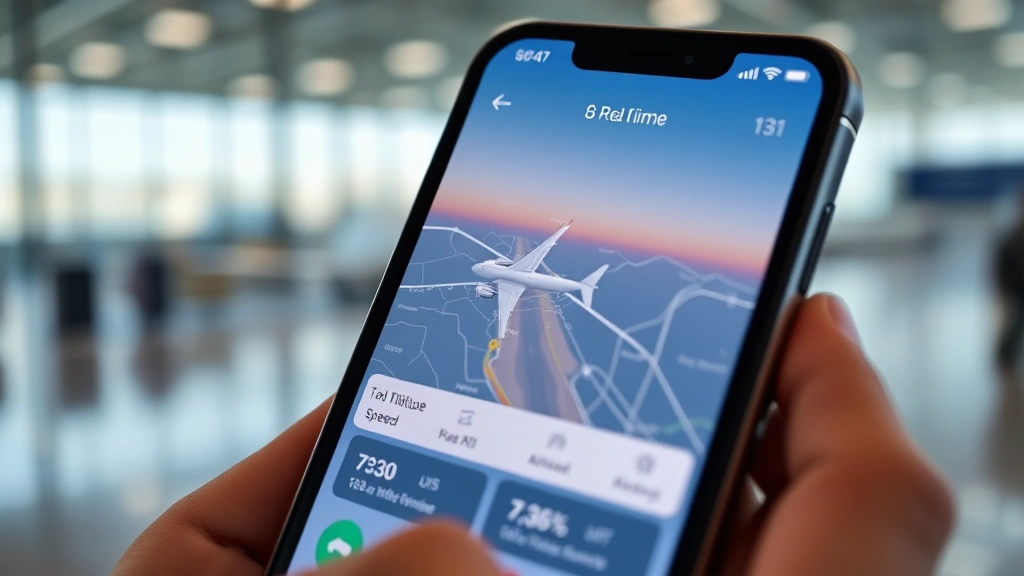
Beyond the airline’s official channels, numerous third-party platforms offer comprehensive flight tracking services. FlightRadar24 provides real-time aircraft tracking using ADS-B technology, allowing you to see your plane’s exact location, altitude, and speed. This service proves particularly useful for long-haul flights where you want to monitor progress throughout the journey.
FlightAware offers another robust tracking solution with detailed flight information including historical data, predictive arrival times, and airport congestion reports. These platforms aggregate data from multiple sources, creating a comprehensive picture of your flight’s status and any potential delays affecting your journey.
Google Flights integrates flight tracking seamlessly into its search interface. After booking, you can set up notifications that alert you to price changes and schedule modifications. This integration makes it convenient to track your flight alongside other travel planning details without switching between multiple applications.
Understanding factors affecting flight pricing and scheduling helps contextualize why certain delays occur. Weather patterns, fuel costs, and seasonal demand all influence flight operations and real-time scheduling decisions.
Understanding Flight Status Information
Flight status codes communicate specific information about your flight’s current situation. “On Time” indicates your flight is scheduled to depart and arrive as planned. “Delayed” means your flight will not depart at the originally scheduled time, though the exact delay duration may fluctuate as conditions change.
“Boarding” indicates passengers are currently boarding the aircraft. “Departed” confirms the plane has left the gate and is taxiing toward the runway. “In Flight” shows your aircraft is airborne and en route to its destination. “Landed” confirms the plane has touched down at the destination airport and is taxiing to the gate.
“Cancelled” is the most disruptive status, indicating the flight will not operate. Airlines typically rebook passengers on alternative flights or issue refunds when cancellations occur. “Diverted” means the aircraft has been redirected to an alternate airport, usually due to weather or emergency situations.
Understanding these statuses helps you make informed decisions about your travel plans. If your flight shows a significant delay, you might adjust ground transportation arrangements or notify people expecting your arrival. For flight delay compensation, documentation of these status changes becomes crucial for claiming your rights.
What to Do When Flights Are Delayed
When you discover your AI101 flight is delayed, take immediate action to protect your interests and minimize disruption. First, contact your airline to understand the delay’s cause and expected duration. Some delays resolve quickly, while others extend significantly, affecting connections and ground arrangements.
If you’re connecting to another flight, inform your connecting airline about the delay immediately. Most airlines maintain buffer times for connections, but informing them ensures they hold your seat if delays compress your connection time. Many airlines can rebook you on alternative flights at no additional charge when delays are their responsibility.
Document everything during delays: take photos of departure boards, keep boarding passes and receipts for meals and accommodations, and note exact delay times. This documentation supports potential compensation claims later. In the European Union and similar jurisdictions, passengers qualify for compensation when flights delay more than three hours due to airline responsibility.
Use delay time productively by contacting your hotel to advise of late arrival, informing ground transportation providers of schedule changes, and notifying anyone picking you up at the destination. Most airlines provide meal vouchers and accommodation for extended delays, so inquire about available services.
International Flight Tracking Considerations
Tracking international flights involves additional complexity due to crossing multiple jurisdictions and time zones. When tracking AI101 on international routes, pay attention to both departure and arrival airport times, as time zone differences can confuse scheduling.
International flights encounter additional variables affecting schedules: customs procedures, immigration processing, and international airspace restrictions. These factors mean international flight delays sometimes stem from ground-based operations rather than flight crew or aircraft issues.
Currency exchange rates and international regulations also impact international flight operations. Check IATA’s official resources for information about international aviation standards and regulations affecting your flight. These regulations sometimes cause delays or route changes you might not anticipate.
For international travel, maintain copies of important documents including your passport, visa confirmations, and travel insurance information. When delays affect international itineraries, these documents become essential for rebooking and potential compensation claims under international aviation law.
Mobile Apps for Flight Monitoring
Smartphone applications revolutionized flight tracking by providing real-time notifications directly to your device. The official Air India mobile app offers comprehensive flight information, booking management, and status updates specifically for Air India flights.
Third-party applications like FlightRadar24, FlightAware, and Skyscanner provide independent tracking with detailed information about your flight’s progress. These apps often include features like seat map visualization, real-time aircraft location tracking, and historical flight data.
Setting up push notifications ensures you receive immediate alerts when your flight status changes. Most apps allow customization of notification preferences, letting you choose which updates you want to receive and how frequently.
Integration with calendar applications simplifies travel planning. Many flight tracking apps can automatically add your flight information to your phone’s calendar, creating reminders for check-in times and departure windows. This integration prevents missed flights and helps coordinate ground transportation timing.
Reviewing best times to book airline tickets involves understanding how airlines schedule flights and price tickets, knowledge that complements real-time tracking capabilities.

Airport Procedures and Gate Information
Once you arrive at the airport, real-time flight status information guides your navigation through departure procedures. Departure boards display gate assignments, which typically appear 60-90 minutes before departure for domestic flights and 120-180 minutes for international flights.
Gate assignments sometimes change, particularly when airlines experience mechanical issues or need to adjust aircraft assignments. Monitoring departure boards throughout your airport stay ensures you don’t miss gate changes. Announcements also notify passengers of changes, but checking boards proactively prevents confusion.
International departures require earlier arrival times due to additional security and customs procedures. Tracking your flight status helps you understand appropriate arrival timing. For most international flights, arriving 3-4 hours before departure allows comfortable time for check-in, security screening, and boarding.
Some airports use mobile apps providing real-time gate information and airport navigation assistance. Airports in major hubs often offer these services, helping you locate gates, restaurants, and facilities quickly. Combining airline flight tracking with airport navigation apps creates seamless travel experience.
Understanding airport procedures and checking our comprehensive travel guides prepares you for smooth airport experiences regardless of flight delays or schedule changes.
FAQ
Where can I check my AI101 flight status online?
Visit Air India’s official website at airindia.in and use their flight status tracker. Enter your booking reference and flight date to receive real-time updates. You can also use third-party tracking services like FlightRadar24, FlightAware, or Google Flights for independent tracking information.
How often does flight status information update?
Flight status information typically updates every 1-5 minutes, depending on the tracking platform and data sources. Official airline systems and aviation databases update most frequently. Download the Air India app for push notifications alerting you to significant status changes.
What does “delayed” status mean for my flight?
Delayed status indicates your flight will not depart at the originally scheduled time. The delay duration varies and may change as conditions develop. Contact your airline for estimated departure time and reasons for the delay.
Can I receive notifications about my flight status?
Yes, most airlines and tracking platforms offer notification services. Set up alerts through Air India’s website or mobile app, or use third-party apps like FlightRadar24 or FlightAware. Push notifications alert you to status changes directly on your smartphone.
What should I do if my flight is cancelled?
Contact Air India immediately to explore rebooking options on alternative flights. Most airlines offer refunds or rebooking at no charge when they cancel flights. Keep all documentation for potential compensation claims if the cancellation was due to airline responsibility rather than force majeure events.
How can I track my flight in real-time while flying?
FlightRadar24 and similar services display your aircraft’s live location, altitude, and speed. Many modern aircraft offer in-flight entertainment systems showing real-time flight tracking. If your flight offers WiFi, you can access flight tracking websites during the flight.
What information do I need to check my flight status?
You’ll need your booking reference number (six-character code) and flight date. Alternatively, provide your flight number (AI101) and scheduled departure time. Having your booking reference allows fastest access to detailed flight information.
Are there differences between tracking domestic and international AI101 flights?
International flights involve additional considerations including customs processing, immigration procedures, and international airspace restrictions. International flight delays often require longer expected durations due to these additional procedures. Time zone differences also affect schedule interpretation for international flights.