Air Canada Flight Delays? Expert Insights on Operational Challenges and Passenger Solutions
Air Canada, as Canada’s largest airline and a major carrier across North America and internationally, faces significant operational pressures that frequently result in flight delays. Understanding the root causes behind these disruptions—from crew scheduling conflicts to weather complications and maintenance issues—empowers travelers to make informed decisions and better manage their journey expectations. This comprehensive guide explores the multifaceted challenges Air Canada encounters, examines real-world incidents including crew-related operational stress, and provides actionable strategies for passengers navigating delays.
Flight delays have become an increasingly common frustration for air travelers worldwide, and Air Canada passengers are no exception. The airline operates hundreds of daily flights across an extensive network, making it susceptible to cascading delays that ripple through its system. Whether you’re a frequent business traveler or an occasional leisure passenger, understanding how delays happen and what you can do about them is essential for stress-free air travel.
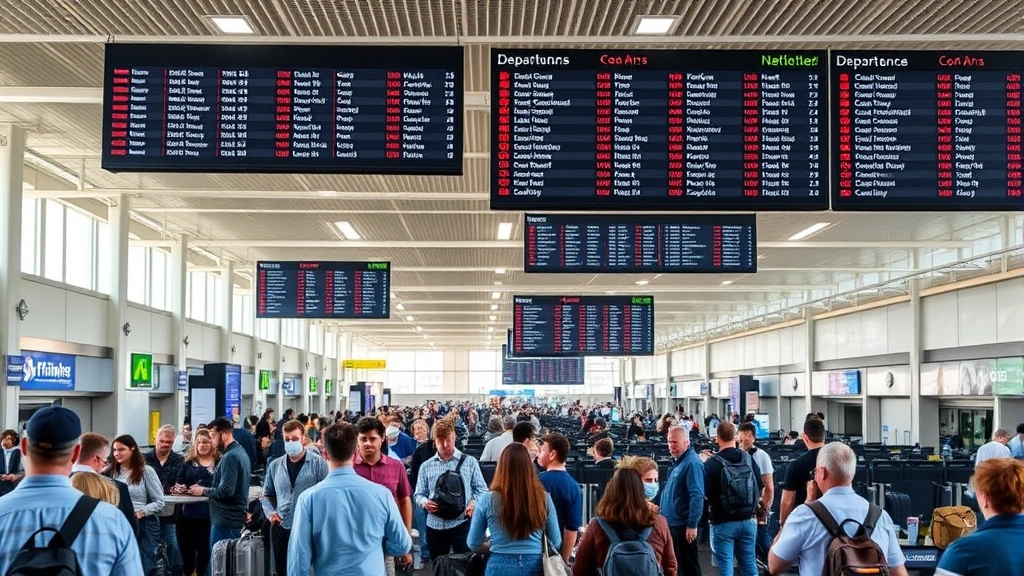
Understanding Air Canada’s Operational Challenges
Air Canada operates as a full-service carrier with extensive domestic and international routes, serving over 220 destinations across six continents. This massive operational footprint creates inherent complexity in scheduling, crew management, and aircraft utilization. The airline’s fleet consists of various aircraft types, each requiring specific maintenance protocols and crew qualifications, which compounds scheduling difficulties during peak travel seasons.
The airline industry operates on razor-thin margins, and Air Canada must balance cost efficiency with service quality. This pressure often manifests in tight scheduling that leaves minimal buffer time between flights. When one flight experiences a delay, the domino effect can impact multiple subsequent flights and crews. Understanding this systemic reality helps passengers contextualize their own experiences and manage expectations more realistically.
According to Air Canada’s official website, the airline invests significantly in operational infrastructure and staff training. However, rapid growth, increased passenger volume, and aging infrastructure at some Canadian airports create bottlenecks that challenge even well-resourced carriers. Additionally, labor relations and crew scheduling agreements can constrain operational flexibility, sometimes leading to suboptimal scheduling decisions.

Root Causes of Flight Delays at Air Canada
Flight delays stem from multiple interconnected factors rather than single causes. Understanding these root causes helps passengers appreciate the complexity airlines face and make better decisions when delays occur.
Mechanical and Maintenance Issues: Aircraft require rigorous maintenance schedules mandated by aviation authorities. When unexpected mechanical problems arise during pre-flight inspections, flights must be delayed or cancelled. Air Canada’s aging narrow-body aircraft sometimes experience issues that require extended troubleshooting. These delays, while frustrating, exist to ensure passenger safety—a non-negotiable priority in aviation.
Crew Scheduling Conflicts: Modern flight crews operate under strict regulations governing duty times, rest periods, and maximum flight hours. These regulations exist to prevent pilot and flight attendant fatigue, which directly impacts safety. However, they also create scheduling constraints. When a crew member calls in sick or a flight runs late, finding replacement crew members becomes complex, especially on international routes or during peak periods.
Airport Infrastructure Limitations: Many Canadian airports, particularly Toronto Pearson and Vancouver International, operate at or near capacity during peak hours. Gate availability, runway congestion, and ground handling delays can cascade quickly. Air Canada, as a major tenant at these airports, is subject to the same constraints as other carriers.
Air Traffic Control Delays: Beyond airline control, air traffic control systems sometimes implement ground stops or spacing requirements due to weather, congestion, or safety considerations. These delays, while originating externally, still impact Air Canada passengers.
Crew-Related Issues and Workplace Stress
Flight attendants and pilots are the backbone of airline operations, and their working conditions directly affect service quality and operational reliability. The aviation industry has experienced notable labor tensions in recent years, including incidents that highlight the stress crew members face.
Flight attendants at Air Canada work demanding schedules involving irregular hours, time zone changes, and physical demands. The role requires exceptional customer service skills while managing safety responsibilities and occasionally difficult passenger behavior. When crew members experience burnout or stress-related issues, operational disruptions can occur. A well-publicized incident involving an Air Canada flight attendant meltdown highlighted the intense pressure crew members operate under, sparking broader conversations about airline staffing levels and working conditions.
These incidents, while disruptive to passengers, underscore important realities: airlines must adequately staff flights with well-rested, supported crew members. Understaffing or excessive scheduling leads to fatigue, mistakes, and safety risks. Passengers can support better operations by treating crew members professionally and understanding that delays sometimes result from necessary crew rest requirements rather than negligence.
Air Canada has made commitments to improve crew working conditions, including better scheduling practices and mental health support. These improvements, while necessary, require time to implement across a large organization and can initially create scheduling challenges as new protocols are established.
To better understand airline operations and crew dynamics, explore our guide on best airlines for frequent flyers, which discusses how crew quality factors into overall airline ratings and passenger satisfaction.
Weather and External Factors
Canada’s climate presents unique challenges for air operations. Winter weather, particularly in major hubs like Toronto and Montreal, frequently causes delays. Heavy snow, icing conditions, and reduced visibility require aircraft de-icing procedures that add 30-60 minutes to ground operations. While essential for safety, these procedures frustrate passengers with tight connections.
Severe thunderstorms during summer months can close airports temporarily, causing widespread delays. Hurricane season affects flights to and from Caribbean and southern U.S. destinations. These weather delays are genuinely beyond airline control, though airlines can improve communication and rebooking assistance during such events.
Volcanic ash, occasionally affecting transatlantic routes, and other atmospheric phenomena demonstrate how global factors impact specific airlines. Air Canada’s extensive international network means weather disruptions anywhere on their route map can create ripple effects across their system.
Passenger Rights and Compensation
Canadian and international regulations provide passenger protections when flights experience significant delays. The Canadian Transportation Agency (CTA) enforces Air Passenger Protection Regulations, requiring airlines to provide compensation for delays caused by circumstances within their control.
Compensation Entitlements: Passengers are eligible for monetary compensation ranging from $400-$2,400 depending on flight length and delay duration. However, airlines can deny compensation if delays result from extraordinary circumstances like severe weather or air traffic control issues. Understanding your rights helps you pursue legitimate claims.
Passenger Care Requirements: During delays exceeding certain thresholds, airlines must provide meals, accommodations (if overnight delay), and communication access. Air Canada’s policies generally meet or exceed these minimums, though passenger experiences vary.
For detailed information on your rights, visit the Canadian Transportation Agency website, which provides comprehensive guidance on passenger protections and compensation procedures.
Learn more about airline policies and passenger protections in our airlines key information guide, which covers what to expect from major carriers and how to advocate for yourself effectively.
Practical Strategies to Minimize Delay Impact
While you cannot control airline operations, strategic choices significantly reduce how delays affect your travel plans.
Build Buffer Time: When booking connecting flights, allow at least two hours between domestic connections and three hours for international connections. This buffer absorbs most routine delays without causing missed connections. While it requires longer total travel time, the peace of mind and reduced stress justify the investment for important trips.
Choose Strategic Flight Times: Early morning flights, while requiring early wake-up times, experience fewer delays because they haven’t accumulated delays from previous flights. Midday flights tend to have higher delay rates. Evening flights sometimes benefit from earlier delays being resolved but risk overnight disruptions.
Monitor Your Flight: Use flight tracking technology to receive real-time updates about your flight status. Air Canada’s mobile app and third-party tracking services provide departure time changes, gate assignments, and delay reasons. Early notification allows you to adjust plans proactively rather than reactively.
Select Flexible Fare Classes: Premium economy and business class tickets typically include rebooking flexibility and priority handling during disruptions. While more expensive, these fares provide insurance against delay-related complications for important travel.
Join Air Canada’s Loyalty Program: Aeroplan members receive priority handling during disruptions and better access to rebooking options. Higher-tier members get expedited customer service and sometimes complimentary accommodations during extended delays.
Check Baggage Policies: Understanding baggage allowances and fees helps you pack strategically. Carrying luggage on board prevents baggage-related delays from holding up your departure and eliminates risk of lost luggage during irregular operations.
For comprehensive strategies on managing long-haul flights, which often involve connections where delays compound, review our essential tips for long-haul flights.
Technology Solutions for Real-Time Updates
Modern technology provides unprecedented access to flight information, enabling proactive delay management. Air Canada’s mobile app integrates real-time flight status, seat selection, and boarding pass storage. Third-party applications like FlightRadar24 and FlightAware provide independent tracking with detailed information about aircraft position, speed, and altitude.
Setting up alerts through multiple channels ensures you receive notifications about delays or gate changes. Email alerts, SMS notifications, and push notifications to your smartphone create redundancy so you won’t miss critical information. Many apps allow customization of alert thresholds, so you’re notified immediately when delays exceed certain durations.
Social media monitoring can also provide early warning signs. Air Canada’s Twitter account frequently posts operational updates during disruptions. Following the account and enabling notifications helps you stay informed alongside official channels.
For travelers seeking advanced flight information and tracking capabilities, explore our AI101 flight tracking guide, which details the best tools for monitoring your flights with precision.
Beyond tracking individual flights, staying informed about broader travel trends and airline performance helps you make better booking decisions. Visit the SkyVoyage Hub blog for regular updates on airline news, travel tips, and industry insights relevant to Canadian and North American travelers.
For international travelers, understanding how to find the best fares while avoiding high-delay routes is crucial. Our guide on finding cheap airline tickets to Europe includes strategies for selecting carriers and routes with better on-time performance records.
FAQ
What is the most common cause of Air Canada flight delays?
Weather-related delays, particularly winter conditions at Canadian airports, are the most frequent cause. However, crew scheduling issues, mechanical problems, and airport congestion also contribute significantly. The specific cause varies seasonally and by route.
How much compensation am I entitled to for an Air Canada delay?
Under Canadian Transportation Agency regulations, you may receive $400-$2,400 depending on flight distance and delay duration, provided the delay wasn’t caused by extraordinary circumstances. Consult the CTA website or Air Canada’s customer relations department for specific eligibility determination.
Can Air Canada deny compensation for weather delays?
Yes. Extraordinary circumstances, including severe weather, volcanic ash, and security threats, exempt airlines from compensation requirements. However, airlines must still provide passenger care (meals, accommodations, communication) during these delays.
What should I do if my Air Canada flight is delayed?
First, check official Air Canada channels for status updates. Request meal vouchers, accommodations, or rebooking if eligible. Document the delay, collect receipts for any expenses, and file a compensation claim if applicable. Keep communication records for future reference.
How can I avoid Air Canada delays?
While you can’t control airline operations, booking early morning flights, building connection buffer time, choosing less congested routes, and selecting flexible fare classes all reduce delay impact. Monitoring your flight status enables proactive adjustments.
Does Air Canada have better on-time performance on certain routes?
Typically, longer routes with fewer connections and routes avoiding major congestion hubs have better on-time performance. Domestic routes within Canada tend to have higher delay rates during winter. Consulting historical performance data before booking helps identify more reliable routes.
What technology helps me track my Air Canada flight?
Air Canada’s official mobile app provides real-time updates, while third-party services like FlightRadar24, FlightAware, and Flighty offer independent tracking with detailed flight information. Setting up notifications across multiple platforms ensures you won’t miss critical updates.