Life as a Flight Attendant: Angela White Shares Her Experience
The glamorous image of flight attendants has captivated travelers for decades—perfectly pressed uniforms, international destinations, and an air of sophistication. But what is life really like behind the scenes? Angela White, a veteran flight attendant with over fifteen years of experience across multiple carriers, pulls back the curtain on this fascinating career. Her insights reveal a profession far more complex, rewarding, and challenging than most passengers realize. From managing turbulence to handling medical emergencies, from navigating crew dynamics to maintaining composure during irregular operations, Angela’s story offers an authentic glimpse into the world of commercial aviation’s backbone.
Angela’s journey began in her early twenties when she discovered a passion for travel and customer service. What started as a dream job evolved into a profound career that shaped her worldview, tested her resilience, and connected her with people from every corner of the globe. Whether you’re considering this profession, curious about airline operations, or simply interested in the human side of aviation, Angela’s experiences provide valuable perspective on what it truly means to be a flight attendant in the modern era.
How Angela White Became a Flight Attendant
Angela’s path to becoming a flight attendant was neither straightforward nor inevitable. After completing her undergraduate degree in hospitality management, she worked in hotel management for three years. The position offered stability but lacked the adventure she craved. A chance conversation with a friend who flew for a major carrier sparked her curiosity. “I remember thinking, why am I managing one building when I could see the world?” Angela recalls. That realization prompted her to research airline career opportunities and apply to several carriers simultaneously.
The application process proved more rigorous than she anticipated. Airlines scrutinize candidates for specific qualities: strong communication skills, emotional intelligence, physical fitness, and an ability to remain calm under pressure. Angela underwent multiple rounds of interviews, background checks, and assessments. She had to meet strict appearance standards and pass a medical examination. After six months of applications and interviews, she received her first offer from a regional carrier. “I was terrified and excited simultaneously,” she admits. “I had no idea what I was getting into, but I knew it was the right decision.”
Her initial training involved a five-week intensive program covering safety procedures, emergency protocols, customer service excellence, and aircraft-specific operations. Angela trained on multiple aircraft types throughout her career, each requiring certification and additional training. This commitment to continuous learning became a defining characteristic of her professional approach. Her early years as a flight attendant were spent primarily on regional routes, gradually progressing to domestic long-haul flights, and eventually to international operations.
Daily Responsibilities and Routine
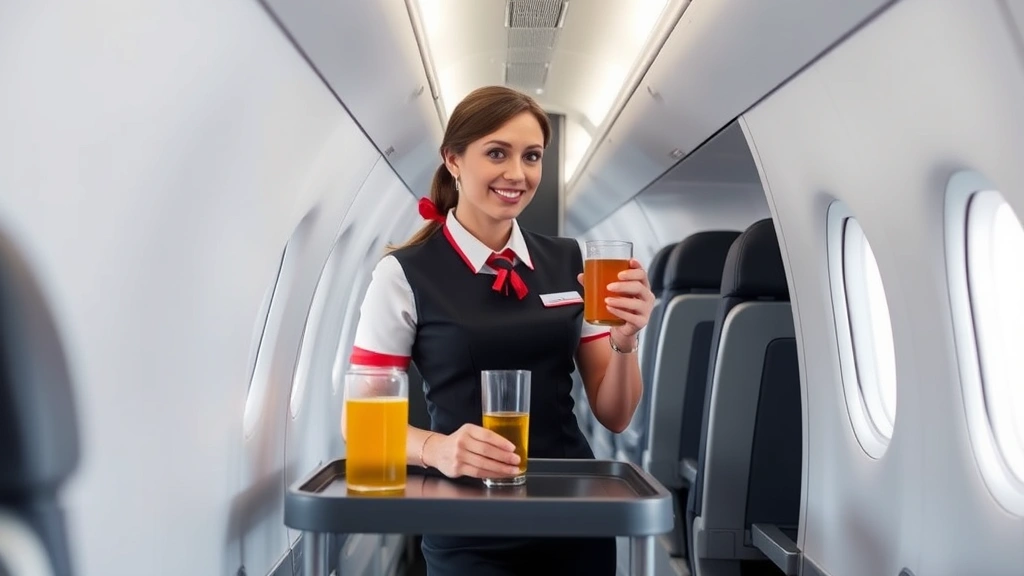
A typical day for Angela begins long before passengers board the aircraft. Flight attendants must arrive at the airport two to three hours before departure for international flights and one to two hours for domestic flights. During this pre-flight period, Angela reviews passenger manifests, checks catering supplies, inspects safety equipment, and coordinates with the flight crew. “People assume we just serve drinks and snacks,” Angela explains. “In reality, we’re conducting safety inspections, managing inventory, and preparing for potential emergencies every single flight.”
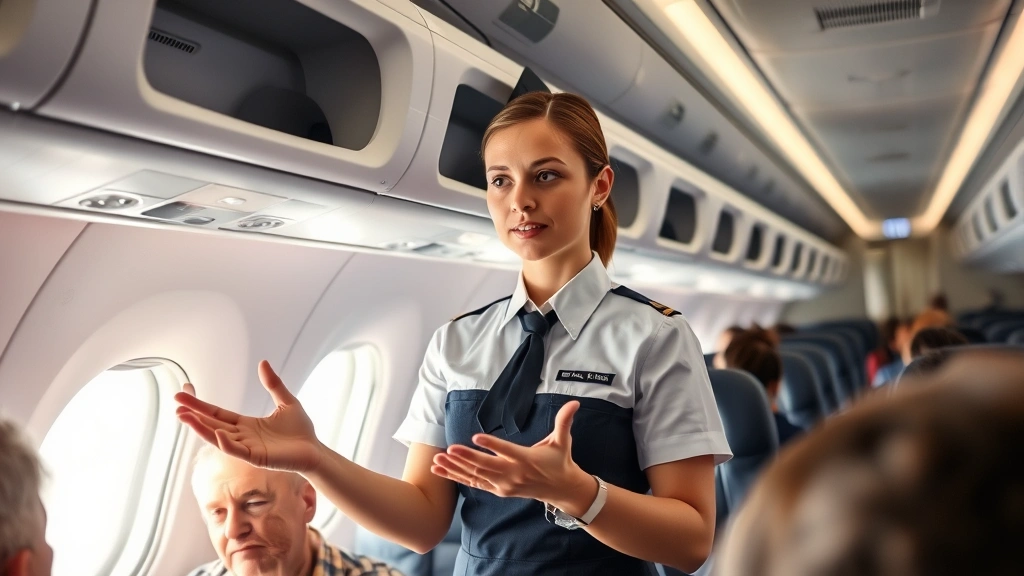
Once passengers board, Angela’s responsibilities expand dramatically. She greets each passenger, assists with luggage placement, provides safety demonstrations, and ensures everyone is seated appropriately. During flight, she manages the cabin service—distributing beverages, meals, and duty-free items—while continuously monitoring passenger safety and comfort. She addresses requests, manages special meals for dietary restrictions, and handles unexpected situations with professionalism. For long-haul flights, Angela works in rotation with other crew members, managing rest periods while maintaining service standards.
The service itself follows strict protocols. Angela must know the location of every safety equipment item, understand emergency procedures for her specific aircraft, and be capable of assisting passengers with mobility challenges. She monitors the cabin environment, adjusts temperature controls, and ensures restrooms remain clean and stocked. On international flights, Angela manages customs and immigration procedures, currency exchanges, and cultural considerations for diverse passenger populations. When you explore flight news and travel tips, you’ll find that professional cabin crew management significantly impacts passenger experience.
Post-flight duties include securing the cabin, conducting final safety checks, and completing documentation. Angela files incident reports for any unusual occurrences, documents passenger complaints or commendations, and ensures the aircraft is prepared for the next flight crew. For flights with turnarounds—where the aircraft prepares for another flight within hours—this quick turnaround requires exceptional efficiency and attention to detail.
The Physical and Mental Demands
Angela doesn’t shy away from discussing the physical toll of her profession. Flight attendants spend hours standing on moving platforms, pushing heavy beverage carts, lifting luggage, and navigating narrow aisles during turbulence. “My feet, back, and knees have certainly paid the price,” Angela admits. She’s developed a rigorous exercise routine and invests significantly in proper footwear and ergonomic support. The dehydration inherent to high-altitude flight affects her skin and overall health, requiring constant attention to hydration and skincare.
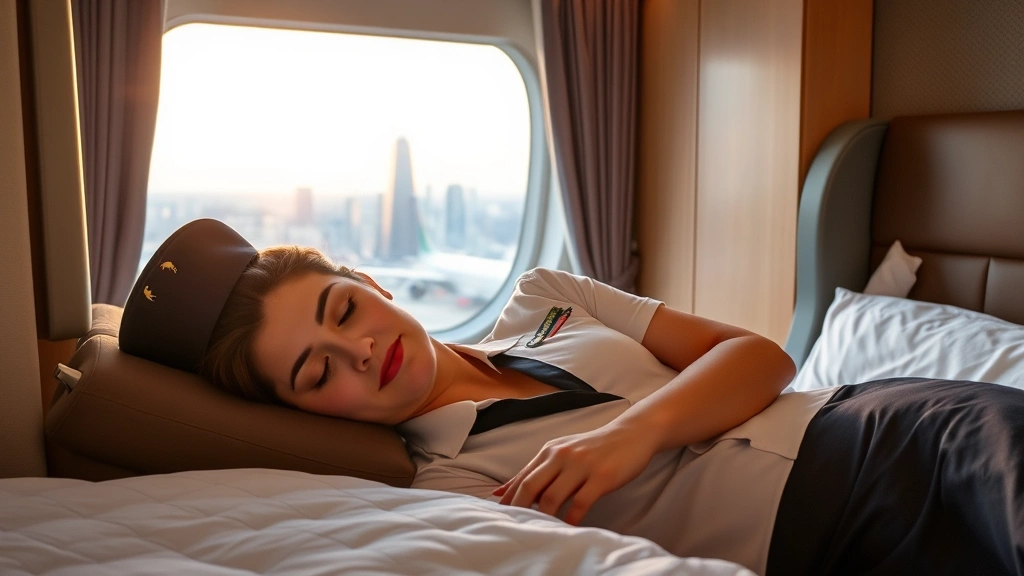
The circadian rhythm disruption presents perhaps the most challenging aspect. Angela frequently works overnight flights, early morning departures, and rapid transits across multiple time zones. Her sleep schedule remains perpetually irregular, affecting her body’s natural rhythms and requiring disciplined sleep hygiene practices. “I’ve learned to sleep anywhere under any circumstances,” she notes. “But the long-term effects of irregular sleep are real. I struggle with fatigue, digestive issues, and occasional insomnia.”
Mental health demands equal attention. Flight attendants manage high-stress situations regularly—medical emergencies, turbulence, passenger conflicts, and safety concerns. Angela has witnessed health crises, handled intoxicated passengers, and managed situations where her quick thinking prevented serious incidents. The psychological weight of these experiences accumulates over years. She’s become an advocate for mental health awareness in the aviation industry, encouraging colleagues to seek counseling and support. The industry’s emphasis on maintaining composure sometimes discourages flight attendants from processing traumatic events adequately.
Angela also addresses the emotional labor of constant customer service. She maintains a professional demeanor regardless of personal circumstances—whether experiencing relationship problems, family emergencies, or health issues. “You leave your problems at home and put on your uniform,” she explains. “But that emotional suppression has consequences. I’ve learned to practice mindfulness and set boundaries to protect my mental health.”
Safety Training and Emergency Procedures
Despite passenger perceptions, safety training constitutes the primary function of flight attendants. Angela undergoes recurrent training every year, covering emergency procedures, evacuation techniques, and first aid. She’s certified in CPR, first aid, and automated external defibrillator (AED) operation. Her training includes scenarios for fires, decompression, water landings, and hostile situations.
Angela has participated in realistic emergency simulations where she practices evacuating an aircraft fuselage, operating emergency exits, and assisting passengers in life-threatening scenarios. “The training is intense and sometimes frightening,” she admits. “But it’s absolutely necessary. If something happens, passengers’ lives depend on our ability to respond instantly and effectively.” She’s grateful that her airline invests heavily in safety training, recognizing that some carriers allocate minimal resources to this critical function.
Throughout her career, Angela has responded to multiple medical emergencies—heart attacks, seizures, diabetic episodes, and severe allergic reactions. She’s assisted pilots with unruly passengers, handled engine issues, and managed situations where aircraft needed to divert to emergency landing sites. When discussing emergency situations like unexpected landings, Angela emphasizes that flight attendants’ training enables them to manage crises professionally. “We’re trained for worst-case scenarios. Most flights proceed without incident, but we’re always prepared.”
Her knowledge of aircraft systems extends beyond basic safety. Angela understands hydraulic systems, electrical configurations, and emergency equipment locations specific to each aircraft type. She can operate emergency slides, deploy oxygen masks, and manage cabin pressure situations. This technical knowledge, combined with her customer service skills, makes her invaluable during normal operations and critical during emergencies.
Passenger Interactions and Difficult Situations
Angela’s perspective on passenger interactions has evolved considerably throughout her career. Early in her tenure, she took passenger rudeness personally and struggled with difficult encounters. She’s since developed emotional resilience and understanding that passenger behavior often reflects circumstances beyond the flight itself. “Someone might be rude because they’re anxious about flying, stressed about a business meeting, or dealing with personal crises,” she explains. “My job is to de-escalate tensions and provide excellent service regardless.”
She’s encountered the full spectrum of passenger behavior—from exceptionally kind travelers who bring her coffee and thank her for her service, to aggressively intoxicated passengers who require intervention from authorities. Angela has managed passengers attempting to smoke on aircraft, those refusing to comply with safety procedures, and individuals experiencing mental health crises. She’s learned to recognize warning signs, communicate effectively, and involve appropriate personnel when necessary.
One particularly memorable incident involved a passenger experiencing a severe panic attack during flight. Instead of dismissing his concerns, Angela sat with him, explained the aircraft’s safety features, and provided reassurance. “That interaction reminded me why I do this job,” she reflects. “We have the power to transform someone’s experience through compassion and patience.” These meaningful connections sustain her through the challenging aspects of the profession.
Angela also addresses the issue of sexual harassment and inappropriate behavior, acknowledging that flight attendants—particularly women—face unwanted advances and harassment from passengers and occasionally colleagues. She’s advocated for stronger policies protecting crew members and supports industry-wide initiatives addressing this serious issue. “We’re trained to be hospitable, but hospitality should never require tolerating harassment,” she states firmly.
Travel Benefits and Lifestyle
The travel benefits represent one of aviation’s most appealing aspects, and Angela has utilized them extensively. Flight attendants typically receive free or heavily discounted flights for themselves and immediate family members. Angela has visited over sixty countries, explored diverse cultures, and created memories she wouldn’t have experienced otherwise. “The travel benefits genuinely changed my life,” she acknowledges. “I’ve seen the world in ways most people only dream about.”
However, Angela clarifies that travel as a flight attendant differs significantly from vacation travel. She often arrives in destinations late at night and departs early morning, limiting exploration opportunities. Layovers typically involve hotel rest rather than sightseeing. When she does have extended time in interesting cities, fatigue from irregular sleep schedules often limits her activities. “I’ve been to beautiful places and sometimes barely left the hotel,” she admits with a laugh.
The lifestyle requires significant sacrifices. Angela has missed important family events, celebrated holidays alone in hotel rooms, and struggled to maintain consistent relationships. Dating proved challenging when explaining her unpredictable schedule and frequent absences. She eventually married another flight attendant who understands the unique demands of the profession. “Finding someone who comprehends this lifestyle is invaluable,” she says. “They understand why I can’t commit to weekend plans or why I’m exhausted after a long-haul flight.”
Despite these challenges, Angela values the independence and flexibility her career provides. When considering various flight routes, she appreciates having access to destinations most people need to plan months in advance. She’s built friendships with colleagues from diverse backgrounds and developed a genuine appreciation for different cultures. The lifestyle suits her personality—someone who thrives on variety, challenges, and continuous change.
Career Growth and Advancement
Flight attendants can advance into supervisory roles, training positions, or specialized functions. Angela pursued additional certifications, becoming a certified flight attendant trainer and safety inspector. This progression allowed her to mentor junior crew members, contribute to policy development, and increase her compensation. “Advancement opportunities exist for those willing to pursue additional training and take on leadership responsibilities,” she explains.
Some flight attendants transition into airline management, customer service leadership, or other aviation-related positions. Angela has considered these paths but ultimately chose to remain in the cabin. “I love the direct interaction with passengers and the dynamic nature of flight operations,” she says. “Management roles appealed to me intellectually, but my heart belongs in the cabin.”
The seniority system in many airlines provides career stability and improved scheduling as flight attendants accumulate years of service. Angela’s seniority allows her to bid for preferred routes, avoid overnight flights, and secure consistent schedules—benefits that early-career flight attendants lack. This progression toward more favorable working conditions sustains long-term career satisfaction.
Professional development opportunities abound within the aviation industry. Angela has attended conferences, pursued specialized training in customer service excellence, and participated in safety seminars. These investments in her professional growth have enhanced her skills and deepened her expertise. Many airlines offer tuition assistance for employees pursuing further education, enabling flight attendants to develop skills for potential career transitions.
Challenges Facing Modern Flight Attendants
Angela addresses significant challenges confronting contemporary flight attendants. The pandemic devastated the aviation industry, resulting in furloughs, reduced hours, and economic uncertainty. Many flight attendants struggled financially, facing mortgage payments and living expenses with minimal income. Angela spent months on furlough, uncertain whether she’d return to her career. “That period tested my resilience and forced me to evaluate whether this career remained viable,” she admits.
Post-pandemic, the industry experienced unprecedented passenger aggression. Unruly passenger incidents increased dramatically, with some resulting in injuries to crew members. Airlines and the FAA implemented stricter policies, but incidents continue. Angela has witnessed colleagues assaulted by passengers over mask mandates and seat assignments. “The increase in aggression is frightening and demoralizing,” she states. “We’re trained to manage difficult situations, but we shouldn’t have to tolerate violence.”
Compensation remains a contentious issue. While senior flight attendants earn reasonable salaries, junior crew members often struggle financially, particularly in expensive cities where airlines base operations. Many flight attendants work second jobs or rely on seniority bidding to improve their economic situations. When reviewing airlines offering superior long-flight experiences, compensation packages and crew treatment vary significantly.
Scheduling flexibility, once a benefit of the profession, has diminished as airlines implement increasingly efficient scheduling algorithms. Angela has less control over her schedule than she did early in her career, and the industry’s push toward rapid turnarounds creates additional stress. “We’re working harder than ever with less predictability,” she observes.
Environmental concerns also weigh on Angela’s conscience. She recognizes aviation’s carbon footprint and grapples with the environmental implications of her career. Many flight attendants share this concern, advocating for sustainability initiatives within the aviation industry while acknowledging the complexity of reducing aviation’s environmental impact.
Understanding flight delay compensation and passenger rights has become increasingly important as flight attendants navigate regulatory requirements and passenger expectations during operational disruptions.
Angela’s Advice for Aspiring Flight Attendants
Angela offers practical guidance for those considering this career. “First, understand that this job is fundamentally about safety, not hospitality,” she emphasizes. “If you’re drawn to the glamorous image alone, you’ll be disappointed. But if you’re passionate about safety, enjoy helping people, and embrace challenges, this career can be incredibly rewarding.”
She recommends thoroughly researching airlines before applying, examining compensation, benefits, scheduling practices, and crew treatment. Not all carriers offer equivalent opportunities or supportive environments. Speaking with current flight attendants provides invaluable perspective. “Ask hard questions about scheduling, fatigue management, and how the airline treats crew members during difficult situations,” Angela advises.
Physical and mental health preparation matters significantly. Aspiring flight attendants should develop strong cardiovascular fitness, practice stress management techniques, and cultivate emotional resilience. “This job will test you physically and mentally,” Angela warns. “Prepare yourself accordingly.”
She also encourages prospective candidates to embrace the adventure while maintaining realistic expectations. “The travel is wonderful, but it’s not a permanent vacation,” she clarifies. “You’ll work while others play, sacrifice personal relationships for career demands, and experience fatigue that impacts your health. But you’ll also experience incredible professional satisfaction, develop meaningful relationships with diverse colleagues, and develop perspectives that shape your worldview.”
Angela emphasizes that flight attendants should never compromise their safety principles or personal boundaries for customer satisfaction. “Your primary responsibility is safety—yours and everyone else’s on that aircraft. Never let passenger expectations override safety protocols,” she states definitively.
FAQ
What qualifications do you need to become a flight attendant?
Most airlines require candidates to be at least eighteen years old, possess a high school diploma or GED, and have a valid passport. Airlines prefer candidates with customer service experience, language skills, and strong communication abilities. Physical requirements include the ability to reach overhead bins and evacuate aircraft safely. Background checks, medical examinations, and drug testing are standard prerequisites.
How much do flight attendants earn?
Compensation varies significantly by airline, experience level, and position. Entry-level flight attendants typically earn $28,000-$35,000 annually, while experienced crew members earn $50,000-$80,000 or more. Senior flight attendants with international experience and supervisory roles can earn six figures. Many airlines offer per diem payments, flight hour premiums, and benefits packages that enhance total compensation.
Is the job schedule really that unpredictable?
Yes, particularly early in your career. Junior flight attendants often work irregular schedules with little advance notice. As seniority increases, scheduling becomes more predictable, and crew members can bid for preferred routes and schedules. However, aviation’s nature ensures some unpredictability—weather delays, mechanical issues, and crew requirements can disrupt even the best-planned schedules.
What’s the most challenging aspect of being a flight attendant?
Angela identifies the circadian rhythm disruption and associated health impacts as the most challenging aspect. The irregular sleep schedule, constant travel, and time zone changes take a cumulative toll. The emotional labor of maintaining professionalism regardless of personal circumstances also ranks highly. Additionally, managing increasingly aggressive passengers has become a significant challenge in recent years.
Do flight attendants really get to explore the cities they visit?
Limited exploration typically occurs on short layovers. International flights often allow 18-36 hours in destination cities, providing opportunities for sightseeing and cultural experiences. However, fatigue frequently limits activities. Flight attendants with seniority can bid for routes offering longer layovers in desirable destinations, enabling more substantial exploration.
How often do flight attendants experience emergencies?
True emergencies occur rarely—most flights proceed without incident. However, flight attendants regularly manage medical situations, unruly passengers, and mechanical issues requiring crew response. Angela has experienced multiple medical emergencies, diversions, and safety situations throughout her career, though these remain exceptional rather than routine.
What’s the relationship like between flight attendants and pilots?
Relationships vary by airline and crew composition. Most pilots and flight attendants work professionally and cordially. Some develop genuine friendships, while others maintain strictly professional boundaries. The hierarchical nature of aviation sometimes creates distance, though modern airlines emphasize crew resource management and collaborative decision-making.
Is there room for career advancement as a flight attendant?
Yes, though advancement paths vary. Flight attendants can pursue supervisory roles, training positions, safety inspector certifications, or transitions into airline management. Seniority provides improved scheduling and compensation. Some flight attendants leverage their experience for transitions into related aviation careers. However, remaining as a line flight attendant throughout one’s career is also a valid path.