Asheville Flights Canceled? Local Insights and What You Need to Know
Asheville Regional Airport (AVL) serves as a vital transportation hub for western North Carolina, connecting travelers to major cities across the United States. However, flight cancellations at Asheville can disrupt travel plans and leave passengers frustrated. Understanding the reasons behind these cancellations, how to navigate them, and what options you have can make a significant difference in your travel experience. Whether you’re a frequent flyer or an occasional traveler, this comprehensive guide will help you prepare for potential disruptions and know exactly what to do if your flight is canceled.
Weather remains the primary culprit behind flight cancellations at Asheville Regional Airport, given the region’s location in the Blue Ridge Mountains. Winter storms, fog, and severe thunderstorms can ground aircraft unexpectedly. Beyond weather, mechanical issues, crew scheduling problems, and operational challenges can also lead to cancellations. In this guide, we’ll explore the local factors that make Asheville flights particularly susceptible to cancellations, provide actionable steps for dealing with disruptions, and share insider knowledge from frequent travelers and aviation professionals familiar with this regional airport.
Weather Factors Affecting Asheville Flights
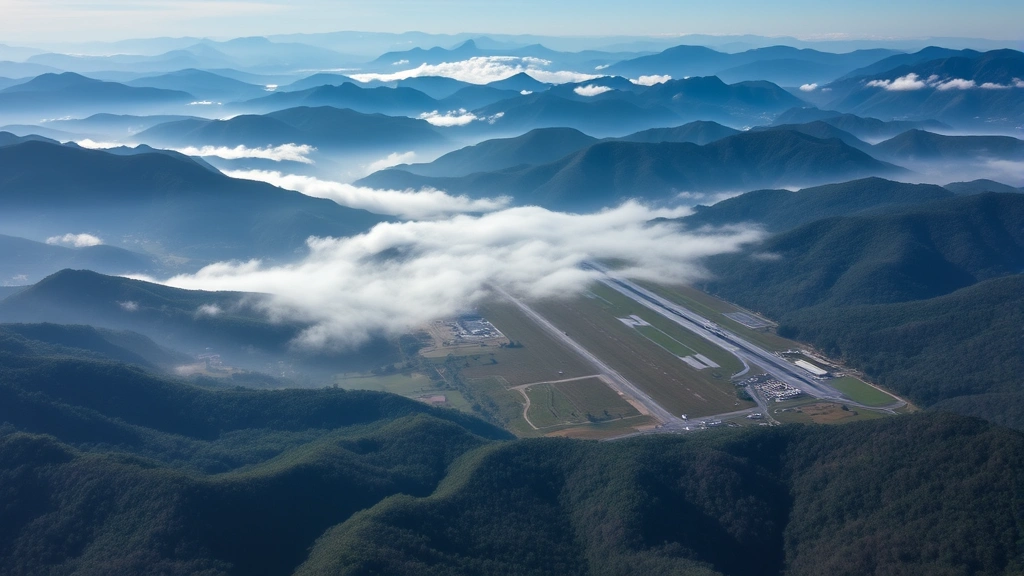
Asheville’s elevation of approximately 2,165 feet and its mountainous terrain create unique weather challenges that directly impact flight operations. The Blue Ridge Mountains generate unpredictable weather patterns, including sudden fog formation, wind shear, and rapid temperature changes. During winter months, ice accumulation on runways and taxiways can force airport authorities to close operations entirely or significantly reduce flight capacity.
Mountain-induced turbulence is another consideration for operations at AVL. Pilots must navigate specific approach patterns to safely land and take off from the airport, and adverse weather can make these procedures impossible or unsafe. Spring brings severe thunderstorm activity to the region, and summer monsoon-like conditions can develop quickly, leaving little warning time for flight crews and passengers.
Fall weather in Asheville is generally more stable, but tropical weather systems from the Atlantic can still impact operations. The airport typically experiences more cancellations during winter and spring months compared to other seasons. Travelers should check National Weather Service forecasts before booking flights during these peak cancellation periods.
Snow and ice management at Asheville Regional Airport requires specialized equipment and procedures. The airport maintains de-icing capabilities, but heavy snow events can overwhelm resources and lead to cascading cancellations. Visibility requirements for instrument approaches are particularly stringent during fog events, which occur frequently in the Blue Ridge region.
Understanding Asheville Airport Operations
Asheville Regional Airport operates as a public-use facility managed by the Asheville Airport Authority. The airport serves primarily regional carriers and connects to major airline hubs. Understanding the airport’s operational capacity and carrier partnerships helps explain why certain cancellations occur and how they might affect your travel plans.
The airport has one primary runway and limited gate capacity, which restricts the number of daily flights. This infrastructure limitation means that when weather causes delays, the airport cannot easily accommodate rescheduled flights, creating a domino effect of cancellations. Major carriers operating at AVL include Southwest Airlines, American Airlines, Delta Air Lines, and several regional partners.
Ground support services at Asheville are more limited than at major hub airports. Fewer maintenance facilities, limited catering services, and smaller crew bases mean that mechanical issues or crew scheduling problems can more quickly cascade into cancellations. A mechanical problem that might be resolved within hours at a major hub could result in a cancellation at Asheville due to limited repair capabilities.
The airport’s hours of operation and staffing levels also affect flight schedules. Unlike 24-hour major hubs, Asheville operates on a more limited schedule, and late-night emergencies or disruptions may result in cancellations rather than delays. Understanding these operational constraints helps travelers set realistic expectations for their Asheville flights.
For the most current information about airport operations and weather conditions, visit the official Asheville Regional Airport website, which provides real-time flight information and operational updates.

Common Reasons for Flight Cancellations at Asheville
Beyond weather, several other factors contribute to flight cancellations at Asheville Regional Airport. Understanding these reasons helps you anticipate potential issues and plan accordingly. When you’re booking flights, knowing these cancellation triggers can inform your decision about which flights to choose and when to travel.
Mechanical Issues: Aircraft maintenance problems are a leading cause of cancellations. Asheville’s limited maintenance facilities mean that issues requiring specialized repairs may result in aircraft being taken out of service. Common mechanical problems include hydraulic system issues, avionics failures, and engine concerns. Airlines must prioritize safety over schedule adherence, so any mechanical issue discovered during pre-flight checks results in cancellation.
Crew Scheduling Conflicts: Flight crews must comply with strict federal duty-time regulations, and crew scheduling disruptions at Asheville can cascade quickly. If an incoming flight arrives late due to weather or mechanical issues, the crew may exceed their legal duty time, requiring a replacement crew. Limited crew bases in the Asheville area mean finding replacement crew can be challenging, leading to cancellations.
Operational Constraints: The airport’s single runway and limited gate capacity create bottlenecks during busy periods. When weather causes delays, the airport quickly becomes congested, and airlines may cancel flights to manage the situation. This strategy helps prevent further delays and allows ground crews time to service aircraft properly.
Fuel Supply Issues: While rare, fuel supply problems can occur at regional airports. If fuel trucks experience delays or fuel inventory runs low, airlines may cancel flights rather than risk fuel shortages.
Passenger Connection Issues: Airlines operating through Asheville often have connecting flights at major hubs. If incoming flights are significantly delayed, connecting passengers may miss their Asheville flights, causing airlines to delay or cancel the flight to accommodate them.
Your Rights as a Passenger During Flight Cancellations
When your Asheville flight is canceled, you have specific rights as a passenger. The U.S. Department of Transportation (DOT) enforces regulations that protect travelers, and understanding these rights ensures you receive appropriate compensation and assistance.
Right to Rebooking: Airlines must rebook you on the next available flight to your destination at no additional charge. This can be on the same airline or a different carrier if necessary. You have the right to choose between the next available flight or waiting for a later flight with the same airline.
Right to Refund or Rebooking: If an airline cannot accommodate you within a reasonable time frame, you’re entitled to a full refund of your ticket price plus any additional fees paid. This applies whether you choose not to travel or if the airline cannot provide alternative transportation.
Right to Meal and Lodging: If your cancellation requires an overnight stay, the airline must provide or arrange meals, lodging, and ground transportation. This applies only when the airline is responsible for the cancellation; weather-related cancellations may not trigger this obligation depending on specific circumstances.
Right to Communication: Airlines must provide clear communication about the reason for cancellation, your options, and next steps. You should receive written confirmation of the cancellation and information about your rebooking options.
For detailed information about your rights, consult the DOT Air Consumer Protection Division. Understanding these rights helps you advocate effectively for yourself when cancellations occur.
Consider reading our comprehensive guide on airline flight delay compensation to understand what compensation you may be entitled to receive beyond rebooking and refunds.
Rebooking Strategies and Alternative Transportation
When your Asheville flight is canceled, you have multiple options for reaching your destination. Acting quickly and knowing your alternatives can minimize travel disruption and get you where you need to go.
Rebooking on Alternative Airlines: Request that the airline rebook you on competing carriers if available. For example, if your Southwest flight is canceled, ask about rebooking on American Airlines, Delta, or other carriers serving Asheville. Airlines must accommodate this request when it’s operationally feasible.
Rebooking to Alternative Airports: Consider rebooking through alternative airports in the region. Charlotte Douglas International Airport (CLT) is approximately 120 miles from Asheville and offers significantly more flight options. If your Asheville flight is canceled, the airline must rebook you through Charlotte at no additional charge. You can then arrange ground transportation to Asheville.
Ground Transportation Alternatives: Rental cars provide flexibility when flights are canceled. Asheville is accessible via Interstate 40, and driving from nearby airports like Charlotte or Atlanta may be faster than waiting for rebooking on crowded later flights. Budget the additional time and cost into your decision-making process.
Bus and Train Services: Greyhound and regional bus services connect Asheville to major cities. While slower than flying, bus travel can be more reliable during severe weather. Amtrak’s Crescent line connects New Orleans to New York through the Southeast, with service to nearby cities.
Loyalty Program Benefits: If you’re a frequent flyer with the canceled airline, contact your loyalty program desk. Elite members often receive priority rebooking and may access flights not available to regular passengers. Learn more about maximizing these benefits in our article on best airline loyalty programs.
Travel Insurance: Comprehensive travel insurance can reimburse you for rebooking costs, ground transportation, and accommodations when flights are canceled. Review your policy to understand what cancellation reasons are covered.
Preparation Tips for Asheville Travel
Proactive preparation significantly reduces the impact of potential flight cancellations. Implement these strategies when planning trips to or from Asheville.
Book Flights During Off-Peak Hours: Early morning and mid-day flights are less likely to be canceled than evening flights, which have less flexibility for rescheduling. Morning departures also reduce the impact of weather developing throughout the day.
Avoid Tight Connection Times: If you’re connecting through Asheville, allow at least two hours between flights. This buffer accommodates potential delays and reduces the risk of missing connections if your incoming flight is late.
Check Weather Forecasts: Review extended forecasts before booking Asheville flights. Avoid travel during predicted severe weather events when possible. The National Weather Service provides detailed forecasts for the Asheville region.
Monitor Airline Communications: Sign up for airline notifications about your flight. Most airlines offer text, email, or app notifications about delays and cancellations. Receiving prompt notification allows you to explore alternatives quickly.
Understand Airline Policies: Before booking, review the specific airline policies on flight modifications and cancellations. Some airlines offer more flexibility than others regarding rebooking and refunds.
Purchase Flexible Tickets: While more expensive, flexible tickets allow free changes or cancellations. For trips to Asheville during uncertain weather periods, the peace of mind may justify the premium cost.
Build in Travel Buffer Days: When possible, arrive in Asheville a day before important events. This buffer accommodates cancellations and gives you flexibility if rebooking requires delays.
Consider Ticket Protection: Some credit cards offer travel protection that reimburses you for non-refundable tickets when flights are canceled. Check your card benefits before traveling.
Research Alternative Routes: Before traveling, identify backup routes and airports. Knowing that you can drive to Charlotte or Raleigh if necessary provides confidence and reduces stress if cancellations occur.
For additional insights on finding optimal flights, review our guide on best airlines for long flights, which includes reliability metrics and operational information useful for planning Asheville travel.
FAQ
How often are flights canceled at Asheville Regional Airport?
Flight cancellation rates at Asheville vary seasonally. Winter months (December-February) experience the highest cancellation rates, typically 3-5% of scheduled flights. Spring and summer see lower rates of 1-2%, while fall months average 1-3%. These rates are higher than major hub airports, reflecting Asheville’s geographic and operational constraints.
What should I do if my Asheville flight is canceled?
Immediately contact your airline through their customer service phone line or app. Request rebooking on the next available flight or alternative options. Ask about meal and lodging arrangements if rebooking requires an overnight stay. Document all communications and expenses for potential compensation claims. Consider contacting the airline’s customer relations department if you encounter resistance to reasonable rebooking requests.
Am I entitled to compensation for Asheville flight cancellations?
U.S. airlines are not required to provide monetary compensation for cancellations, even if they’re within the airline’s control. However, you’re entitled to rebooking or refunds. If the airline cannot accommodate you within a reasonable time frame, you must receive a full refund. Weather-related cancellations typically exempt airlines from providing meals, lodging, and ground transportation, though some airlines offer these amenities voluntarily.
Can I get a refund instead of rebooking?
Yes. You can request a full refund of your ticket price plus any additional fees paid. Airlines must provide this option, though they typically prefer rebooking. Request the refund in writing and document all communications. Refunds may take several weeks to process.
What’s the best time to fly into or out of Asheville?
Early morning flights (6:00-9:00 AM) have the lowest cancellation rates. Mid-day flights (10:00 AM-2:00 PM) are also relatively reliable. Avoid evening flights (5:00 PM-9:00 PM) when possible, as these have less flexibility for rescheduling if disruptions occur. Avoid travel during winter storm season (December-February) unless absolutely necessary.
Should I book through Charlotte instead of Asheville?
Charlotte Douglas International Airport offers significantly more flight options, better pricing, and lower cancellation rates. If you’re flexible with ground transportation, booking through Charlotte and driving 2-2.5 hours to Asheville often provides better value and reliability. However, if you prefer direct flights and have the flexibility, Asheville’s direct routes may be worth the premium despite higher cancellation risk.
What airlines serve Asheville most reliably?
Southwest Airlines operates the most flights from Asheville and generally maintains strong operational reliability. American Airlines and Delta also serve the airport with good track records. For specific reliability metrics, check the DOT’s airline on-time performance reports, which provide detailed cancellation and delay data by carrier.
How can I stay informed about Asheville airport conditions?
Subscribe to airline notifications for your specific flights. Monitor the Asheville Regional Airport website for operational updates. Follow the National Weather Service Asheville forecast office on social media for weather alerts. Download airline apps to receive real-time flight status updates.