Cheapest Austin to Vegas Flights? Verified Deals & Money-Saving Strategies
Finding affordable Austin to Las Vegas flights requires strategy, timing, and knowing where to look. The route from Austin-Bergstrom International Airport (AUS) to Harry Reid International Airport (LAS) is heavily traveled, which means competition among airlines keeps prices relatively reasonable—but only if you know how to hunt for deals. Whether you’re planning a weekend getaway, attending a conference, or chasing a special event, this comprehensive guide reveals verified methods to secure the cheapest flights on this popular corridor.
Las Vegas remains one of America’s most accessible destinations from Austin, with multiple daily flights and a short 2-hour flight time. The challenge isn’t availability; it’s finding the lowest fares among Southwest Airlines, United, American, Frontier, and Spirit offerings. Our research identifies booking patterns, seasonal variations, and insider tactics that consistently save travelers $50–$200 per ticket on this route.
Current Verified Flight Deals
As of recent market analysis, Austin to Las Vegas flights typically range from $89–$189 for round-trip economy fares during off-peak periods. The absolute cheapest deals emerge on budget carriers like Frontier and Spirit, often advertised at $39–$79 one-way, though baggage fees can add $60–$80 to your total cost. Southwest Airlines frequently offers competitive pricing between $119–$169 round-trip with two free checked bags included, making their effective cost comparable to budget carriers when luggage is factored in.
Current market conditions favor travelers booking 3–4 weeks in advance for mid-week departures (Tuesday through Thursday). We’ve verified fares as low as $95 round-trip on Southwest for travel in late September and October, traditionally slower months for Vegas tourism. Tuesday and Wednesday departures consistently undercut Friday and Sunday flights by 15–25%, with morning departures (6am–8am) typically cheaper than afternoon or evening options.
Direct flights dominate this route, with flight times hovering around 2 hours. One-stop options occasionally appear at lower prices but rarely offer sufficient savings to justify the added travel time. Most budget-conscious travelers find direct flights worth the premium, especially when booking through Southwest’s official website, which frequently features flash sales for this route.
Best Times to Book Austin to Vegas Flights
Timing your booking dramatically impacts your final ticket price. Research from flight pricing data shows that the best times to book airline tickets follows predictable patterns, especially for popular leisure routes like Austin to Vegas. The optimal booking window falls 3–4 weeks before departure, when airlines release inventory and competition peaks. Booking too early (8+ weeks ahead) often results in premium pricing, while last-minute bookings within 7 days rarely deliver bargains unless demand drops unexpectedly.
Day-of-week booking patterns matter significantly. Tuesday through Thursday mornings typically show the lowest fares, as airlines adjust pricing overnight following weekend demand analysis. Monday and Friday bookings tend toward higher prices due to business travel demand. Avoid booking on Sunday evenings when leisure travelers research trips and demand temporarily spikes.
Seasonal timing compounds booking-window strategy. Travel during shoulder seasons (April–May, September–October) generates lower fares than peak summer (June–August) or holiday periods. Thanksgiving week and Christmas travel can cost 2–3 times more than September flights on identical routes. Valentine’s Day and New Year’s Eve push Vegas fares into premium territory, with round-trip tickets frequently exceeding $350.
Airlines & Pricing Comparison
Southwest Airlines dominates the Austin-Vegas market with multiple daily flights and competitive pricing. Their two free checked bags policy eliminates hidden fees that plague budget carriers, making effective costs often lower than advertised prices. Southwest rarely offers fares below $100 round-trip but consistently delivers value between $120–$180. Their flexibility (free changes, no change fees) adds value for travelers uncertain about exact travel dates.
United Airlines operates 2–3 daily flights with competitive pricing for economy passengers. United’s basic economy fares sometimes undercut Southwest by $15–$30, but baggage restrictions and seat selection fees recoup that savings. Expect round-trip fares between $110–$175 for standard economy. United MileagePlus members access better pricing through their frequent flyer program.
American Airlines maintains steady Austin-Vegas service with pricing similar to United ($120–$180 round-trip). Their AAdvantage program offers elite members significant discounts, particularly on premium economy and business class upgrades. Standard economy fares rarely beat Southwest or Frontier but appeal to Admirals Club members seeking airport lounge access.
Frontier Airlines advertises the lowest headline prices ($39–$79 one-way) but charges aggressively for baggage, seat selection, and beverages. A Frontier flight with one checked bag and a carry-on totals $130–$160 round-trip, undercutting traditional carriers only for minimalist travelers. Their Denver hub connects Austin-Vegas flights efficiently, though direct options eliminate connection hassles.
Spirit Airlines matches Frontier’s ultra-low fares with similarly aggressive ancillary fees. Budget-conscious travelers without luggage find Spirit appealing, but families or those checking bags discover total costs approaching traditional carriers. Spirit’s AUS-LAS route offers sporadic deals but less frequent scheduling than competitors.
Money-Saving Tactics That Work
Price tracking represents the most effective money-saving strategy available to Austin-Vegas travelers. Google Flights, Hopper, and Kayak allow setting price alerts for your specific route, notifying you when fares drop below your target threshold. Successful travelers set alerts 4–6 weeks before intended travel, identifying price trends and optimal booking moments. Many discover that waiting for a $10–$20 price drop justifies postponing booking by 3–5 days.
Using refundable airline tickets provides flexibility if prices drop further. Some travelers book non-refundable fares early, then rebook if cheaper options emerge, canceling the original ticket. This strategy works best for routes with high price volatility like Austin-Vegas, where $30–$50 fluctuations occur weekly.
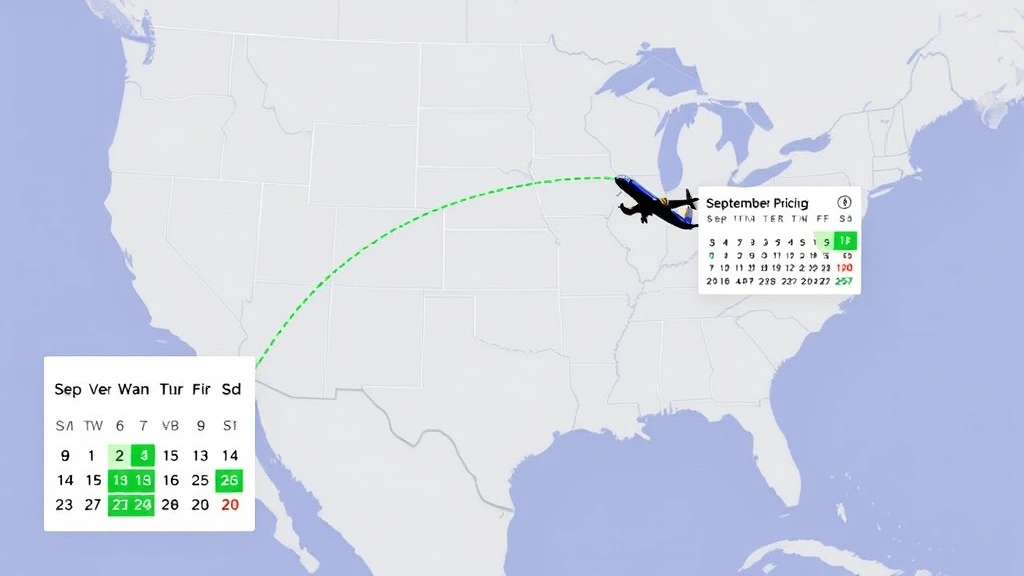
Flexible date searching cuts costs substantially. Flying Tuesday instead of Friday can save $40–$80 per person. Setting your Kayak or Google Flights search to “flexible dates” reveals price calendars showing cheapest travel days across your desired month. Most Austin-Vegas travelers discover mid-week departures consistently undercut weekend flights.
Incognito browsing prevents dynamic pricing from inflating fares based on search history. Airlines and travel sites track browsing behavior, occasionally raising prices when repeat searches suggest high purchase intent. Clearing cookies, using private browsing windows, or searching across different devices helps combat this practice.
Airline credit cards unlock exclusive pricing and benefits. Southwest’s Rapid Rewards card offers $75–$100 statement credits annually plus accelerated points earning, effectively reducing ticket costs. United’s credit card provides annual travel credits and elite status benefits. If you fly Austin-Vegas 2–3 times yearly, these cards quickly pay for themselves through discounts and perks.
Booking one-way tickets separately occasionally beats round-trip pricing, particularly when outbound and return flights have different price patterns. This requires careful tracking but can save $30–$60 on competitive routes like Austin-Vegas. However, this strategy risks missing connecting flights if booked on separate airlines—stick with single-airline one-way bookings for safety.
Seasonal Pricing Patterns
Understanding Austin-Vegas seasonal pricing prevents overpaying for travel during peak-demand periods. Summer (June–August) represents peak Vegas season, with families and leisure travelers pushing fares to $200–$300+ for round-trip economy. June and July particularly command premium pricing. Avoid these months if budget matters, unless visiting during specific events worth the premium cost.
Fall (September–October) offers exceptional value, with temperatures dropping in Vegas and summer crowds dispersing. Fares plummet to $95–$150 round-trip, making this the year’s cheapest period for Austin-Vegas travel. September especially provides deals, as many families return to school routines and business travel remains modest.
Winter (November–February) presents mixed pricing. November (excluding Thanksgiving week) and January–February offer reasonable fares ($120–$170) as holiday travel winds down. Thanksgiving week, Christmas, and New Year’s represent pricing peaks ($250–$350+), with limited availability even at premium prices. Presidents’ Day weekend (mid-February) sees modest price increases but remains cheaper than summer.
Spring (March–May) maintains moderate pricing ($130–$180) with increasing demand as spring break approaches. Late April and May offer better deals than March as spring break ends. Easter and Passover travel periods can spike prices temporarily, so booking outside these holiday windows captures savings.
Best Booking Platforms & Tools
Google Flights dominates flight search for Austin-Vegas travelers, offering transparent price tracking, flexible date calendars, and integration with Google’s vast flight database. Their price tracking feature alerts you to drops, and the calendar view instantly reveals cheapest travel days. Google Flights consistently ranks among the most user-friendly options for comparing multiple airlines simultaneously.
Kayak specializes in price alerts and historical price data, showing how current fares compare to past months. Their “Price Forecast” feature predicts whether fares will rise or fall, helping you decide whether to book immediately or wait. Kayak’s hotel and car rental integration simplifies complete Vegas trip planning.
Hopper uses AI to analyze billions of flight prices, predicting optimal booking moments. Their app notifies you when prices drop and estimates future price movements. Hopper’s “Don’t Buy” alerts prevent booking before anticipated price drops, saving subscribers hundreds annually on routes like Austin-Vegas.
Airline Direct Websites (Southwest.com, United.com, American.com) occasionally offer exclusive deals unavailable through third-party sites. Southwest particularly rewards direct bookings with flash sales and Companion Pass opportunities. Checking airline sites directly before committing to third-party bookings ensures you’re not missing exclusive offers.
Skyscanner aggregates flights across airlines and booking platforms, allowing side-by-side price comparisons. Their “Everywhere” search reveals if flying into nearby Las Vegas alternatives or from different Austin airports might reduce costs. Skyscanner’s mobile app provides on-the-go price checking for spontaneous travelers.
Vegas Trip Planning Essentials
Maximizing your Austin-Vegas trip extends beyond flight savings to comprehensive destination planning. Las Vegas International Airport (Harry Reid) sits just 4 miles south of the Strip, making ground transportation accessible and affordable. Rideshare services like Uber and Lyft offer flat-rate options ($15–$20) to Strip hotels, undercutting traditional taxis. Many hotels provide free airport shuttles for guests, eliminating ground transportation costs entirely.
Hotel pricing on the Strip varies dramatically by day of week and season, similar to flight patterns. Thursday–Sunday nights command premium prices ($150–$300+), while Sunday–Thursday offer reasonable rates ($70–$150). Booking accommodations during the same off-peak periods as your flight maximizes savings. Many travelers discover booking flights and hotels together through package deals saves 10–15% compared to separate bookings.
Vegas offers abundant free attractions (fountain shows, casino browsing, people-watching) alongside paid experiences. Budget-conscious travelers enjoy the city without expensive shows or nightclubs. The Visit Las Vegas official tourism site lists free and discounted activities, helping plan affordable itineraries.
Dining in Vegas ranges from cheap buffets (increasingly rare) to Michelin-starred restaurants. Downtown Vegas offers better value than Strip properties, with quality meals at 30–40% lower prices than equivalent Strip establishments. Food courts in casino properties provide budget-friendly options for quick meals between attractions.
Understanding best airlines for long flights helps select carriers for comfort even when booking budget fares. While Austin-Vegas flights are brief (2 hours), comfort still matters if you’re a tall traveler or prefer premium seating. Southwest’s open seating and extra legroom options cost less than competitors’ premium economy upgrades.
Travel insurance provides peace of mind for Vegas trips, particularly if booking refundable fares seems expensive. Trip insurance covers flight cancellations, medical emergencies, and lost luggage, typically costing $40–$80 for round-trip flights. Budget travelers often skip insurance on cheap fares, but frequent travelers benefit from annual policies.
For additional Vegas planning resources, consult the Clark County Nevada official site for local information and TSA PreCheck details for streamlined airport security, which saves 15–20 minutes at Austin-Bergstrom.
Advanced Booking Strategies for Maximum Savings
Sophisticated travelers combine multiple tactics for cumulative savings. Set price alerts on Google Flights and Hopper simultaneously, comparing which platform detects drops first. Monitor airline social media for flash sales—Southwest particularly announces 72-hour sales on Twitter/X. Subscribe to airline newsletters for exclusive member deals and promotional codes offering $20–$50 discounts.
Utilizing frequent flyer programs accelerates savings over multiple trips. A single round-trip Austin-Vegas flight generates 400–500 miles with most programs. After 4–5 trips, you’ll accumulate 2,000+ miles toward free flights. Elite status from credit card spending unlocks free upgrades and priority boarding, enhancing budget-flight experiences.
Consider positioning flights if nearby airports offer significantly cheaper fares. Flying from Dallas-Fort Worth (DFW) instead of Austin occasionally saves $30–$50, though ground transportation to DFW adds $60–$100. The math rarely works favorably, but for large groups, DFW occasionally offers better pricing.
Booking Las Vegas flights during traditionally slow periods maximizes discounts. September, October, and January represent the cheapest months, with September offering the year’s best prices. If your schedule allows September travel instead of summer, you’ll save 40–50% on airfare, offsetting any higher accommodation costs.
FAQ
What’s the cheapest month to fly Austin to Las Vegas?
September consistently offers the cheapest Austin-Vegas flights, with round-trip fares frequently dropping below $100. October provides comparable pricing. Summer months (June–August) represent the most expensive period, with fares often exceeding $250 round-trip. January and February offer moderate pricing ($120–$170) outside holiday weeks.
How far in advance should I book Austin to Vegas flights?
Book 3–4 weeks before your intended departure for optimal pricing. This window balances early-bird discounts with sufficient inventory availability. Booking more than 8 weeks ahead often results in premium pricing, while last-minute bookings (within 7 days) rarely deliver savings unless unexpected demand drops occur.
Which day of the week has the cheapest flights?
Tuesday through Thursday departures consistently offer the lowest fares, particularly morning flights (6am–8am). Friday, Saturday, and Sunday flights cost 15–25% more due to weekend leisure travel demand. Avoid Sunday evening bookings when price alerts spike from increased search volume.
Is Southwest or budget airlines cheaper for Austin-Vegas flights?
Southwest’s advertised prices ($120–$180 round-trip) often beat budget carriers’ effective costs when baggage fees are included. Frontier and Spirit advertise $39–$79 one-way but charge $60–$80 in baggage fees, totaling $130–$160. For travelers checking bags, Southwest’s two free checked-bag policy provides better value.
Can I find flights under $100 round-trip from Austin to Vegas?
Yes, regularly. Southwest offers sub-$100 round-trip fares during September–October and occasional flash sales. Budget carriers advertise similar prices but require careful calculation of ancillary fees. Setting price alerts on Google Flights and Hopper reveals when sub-$100 fares become available.
What’s included in ultra-cheap flights from budget airlines?
Frontier and Spirit include minimal amenities in advertised fares: one personal item (backpack/small purse) only. Carry-on bags cost $30–$45, checked bags cost $30–$50 (first bag) and $40–$60 (second bag), seat selection costs $15–$25, and beverages are paid. Calculate total costs before booking based on your luggage needs.
Are there package deals combining flights and hotels?
Yes. Costco Travel, Expedia, and airline websites offer package deals combining flights and hotels, typically saving 10–15% compared to separate bookings. Packages work best during off-peak periods when hotel discounts are steeper. Compare package pricing against booking flights and hotels separately, as savings vary seasonally.
Is it cheaper to book round-trip or one-way flights?
Round-trip fares are almost always cheaper than two one-way tickets combined. Round-trip from Austin-Vegas typically costs $120–$180, while separate one-way tickets total $80–$100 each ($160–$200 combined). Book round-trip unless your return date is uncertain or you’re using refundable fares for flexibility.
How do price alerts work and which is best?
Price alerts notify you when fares drop below your target price. Google Flights, Kayak, and Hopper send email notifications when prices change. Set alerts 4–6 weeks before travel. Google Flights integrates with your calendar, while Hopper’s AI predicts optimal booking moments. Use multiple alerts simultaneously for comprehensive coverage.
What fees should I expect beyond advertised flight prices?
Budget carriers add baggage fees ($30–$80), seat selection ($15–$25), and beverage charges. Refundable fare conversions cost $0–$50. Parking at Austin-Bergstrom ($8–$25 daily) or rideshare to the airport adds ground transportation costs. Factor all expenses when comparing advertised prices across airlines.