Closest Airport to Yellowstone? Expert Guide to Flying Into America’s Premier National Park
Planning a trip to Yellowstone National Park? One of the most critical decisions you’ll make is choosing which airport to fly into. While Yellowstone itself doesn’t have a commercial airport, several regional hubs serve visitors heading to this iconic destination. Understanding your options can save you time, money, and stress when booking your getaway to one of America’s most spectacular natural wonders.
The closest airports to Yellowstone vary depending on which entrance you’re planning to use, but the primary gateways offer convenient access with ground transportation options. This comprehensive guide breaks down every airport option, helping you make an informed decision that aligns with your travel preferences and budget.
Bozeman Yellowstone International Airport (BZN)
Bozeman Yellowstone International Airport stands as the most popular gateway for Yellowstone visitors, located just 90 miles north of the park’s north entrance. This modern facility has experienced significant expansion in recent years, making it an increasingly attractive option for travelers seeking closest flight to Yellowstone options. The airport serves as a hub for multiple airlines and offers direct flights from major U.S. cities including Denver, Salt Lake City, Seattle, and Los Angeles.
The drive from Bozeman to Yellowstone’s north entrance takes approximately 1.5 to 2 hours, making it an ideal choice for those planning to explore the northern sections of the park. The town of Bozeman itself offers excellent dining, shopping, and accommodation options, allowing visitors to extend their trip or spend time in this charming Montana community. The airport’s modern facilities include comfortable seating areas, restaurants, and rental car services from all major companies.
Airlines operating at BZN include Delta, United, American, Southwest, and Alaska Airlines, providing competitive pricing and frequent flight options. During peak season (June through September), you’ll find the most flight options and, paradoxically, some of the highest fares. Checking best times to book airline tickets can help you secure better rates even during busy travel periods.
Jackson Hole Airport (JAC)
Jackson Hole Airport, situated 60 miles south of Yellowstone’s south entrance, offers the shortest distance to the park’s southern gateway. This scenic airport is surrounded by the dramatic Teton Range, providing an inspiring first impression of the region’s natural beauty. Jackson Hole serves as an excellent option for travelers planning to explore the park’s southern sections or combine their Yellowstone visit with time in Grand Teton National Park.
The drive from Jackson to Yellowstone’s south entrance typically takes 1 to 1.5 hours, making it one of the quickest ground transfers available. Jackson town provides upscale accommodations, fine dining, and excellent shopping, catering to travelers seeking a more luxurious experience. The airport handles flights from major carriers including United, Delta, and American Airlines, with seasonal variations in flight frequency.
One notable feature of Jackson Hole Airport is its elevation at 6,451 feet above sea level, which can occasionally affect flight operations during winter months. This mountainous location means flights may be subject to weather-related delays more frequently than lower-elevation airports. However, during peak tourism season, this airport remains a reliable choice with consistent service.
West Yellowstone Airport (WYS)
West Yellowstone Airport is the closest airport geographically, situated just 1 mile from Yellowstone’s west entrance. However, this small regional airport has limited commercial service, operating primarily during summer months (May through September). The airport primarily handles charter flights and regional carriers, making it less practical for most travelers booking standard commercial flights.
For those with access to private aviation or willing to book charter services, West Yellowstone offers unparalleled convenience. The town of West Yellowstone itself caters entirely to park visitors, offering accommodations, restaurants, and outfitters specializing in Yellowstone activities. During winter months, this airport closes to commercial service, limiting its utility for year-round travel planning.
The limited commercial availability at WYS means most travelers should consider it a backup option rather than a primary booking choice. Check current operational status and available carriers before planning flights to this destination, as service changes seasonally and year to year.
Billings Logan International Airport (BIL)
Billings Logan International Airport, Montana’s largest airport, sits approximately 130 miles northeast of Yellowstone’s north entrance. While slightly farther than Bozeman, Billings offers more frequent flights and often lower fares due to its larger size and competitive airline presence. The drive to Yellowstone takes approximately 2.5 to 3 hours, making it a viable option for budget-conscious travelers or those with flexible scheduling.
This major hub serves as a secondary gateway for Yellowstone visitors and works particularly well for those combining their trip with exploration of Montana’s northern regions. Billings offers extensive rental car options and accommodations, with excellent ground transportation infrastructure. The airport’s larger size means more flight options, competitive pricing, and better availability during peak travel seasons.
Airlines operating at BIL include United, Delta, Southwest, American, and Alaska, providing multiple booking options. The longer drive time can be offset by cheaper airfare, making this airport worth comparing when finding affordable airline tickets.
Idaho Falls Regional Airport (IDA)
Idaho Falls Regional Airport, located 110 miles southwest of Yellowstone’s west entrance, serves as an alternative gateway for visitors approaching from the southwest. The airport offers flights from major carriers and provides access to southeastern Idaho’s scenic regions. The drive to Yellowstone typically takes 2 to 2.5 hours, depending on specific park entrance selection.
This airport works particularly well for travelers combining Yellowstone with visits to Grand Teton, the Snake River area, or other Idaho destinations. Idaho Falls town offers reasonable accommodation options and serves as a launch point for outdoor adventures. However, compared to Bozeman and Jackson Hole, this airport receives fewer direct flights from major metropolitan areas, sometimes requiring connections.
Idaho Falls can offer competitive pricing for budget-conscious travelers, particularly during off-peak seasons. The regional character of the airport means fewer crowds and more personalized service compared to larger hubs, though flight options remain more limited.
Comparison and Distance Guide
Understanding the distance from each airport to your specific Yellowstone destination helps determine the best option for your trip. The park has five primary entrances, each served differently by regional airports:
- North Entrance (Gardiner): Bozeman (90 miles, 1.5 hours), Billings (130 miles, 2.5 hours)
- South Entrance (West Thumb): Jackson Hole (60 miles, 1 hour), Bozeman (120 miles, 2 hours)
- East Entrance (Cody): Billings (130 miles, 2.5 hours), Bozeman (180 miles, 3 hours)
- West Entrance (West Yellowstone): West Yellowstone (1 mile, 5 minutes), Bozeman (90 miles, 1.5 hours), Idaho Falls (110 miles, 2 hours)
- Northeast Entrance (Cooke City): Billings (160 miles, 3 hours), Bozeman (140 miles, 2.5 hours)
When selecting an airport, consider not just distance but also flight frequency, pricing, and your intended itinerary within the park. A slightly farther airport with better flight options and lower fares might ultimately save you money and hassle compared to the geographically closest option.
Ground Transportation Options
After landing at your chosen airport, several ground transportation options connect you to Yellowstone. Rental car services remain the most popular choice, offering flexibility to explore the park at your own pace. All major airports provide standard rental companies including Enterprise, Hertz, Avis, and Budget.
Shuttle services connect most airports to gateway towns and park lodges. Companies like Yellowstone Alamo and various local operators provide scheduled service, though advance booking is essential during peak season. These services offer convenience for travelers preferring not to drive, though they operate on fixed schedules.
For those interested in comprehensive park exploration, guided tour companies offer multi-day packages departing from major airports. These services eliminate driving concerns and provide expert interpretation of park features. However, they reduce flexibility and typically cost more than independent travel.
Private car services and ride-sharing options provide middle-ground solutions, offering personalized service without long-term rental commitments. These services work particularly well for smaller groups willing to pay premium rates for convenience and comfort.
Best Time to Book Flights
Timing your flight booking significantly impacts both price and availability when traveling to Yellowstone. Peak season (June through August) demands advance bookings of 6-8 weeks minimum, with prices at their highest. Shoulder seasons (May and September) offer better deals with acceptable weather conditions and fewer crowds.
Winter travel (December-February) presents the opposite challenge: fewer flights and higher prices due to limited demand. However, winter Yellowstone offers unique experiences like wildlife viewing and geothermal feature photography without summer crowds. Understanding optimal booking timing helps maximize savings across all seasons.
Tuesdays and Wednesdays typically offer better fares than weekend travel, reflecting lower demand mid-week. Setting up price alerts for your chosen airports and dates allows you to book at optimal moments without constant monitoring. Consider flexibility in your travel dates—shifting even one day can sometimes yield significant savings.
Midweek travel combined with shoulder season timing creates the best opportunity for affordable flights to Yellowstone region airports. However, if peak season travel is necessary, booking immediately upon price release (typically 2-3 months in advance) secures the best available rates.
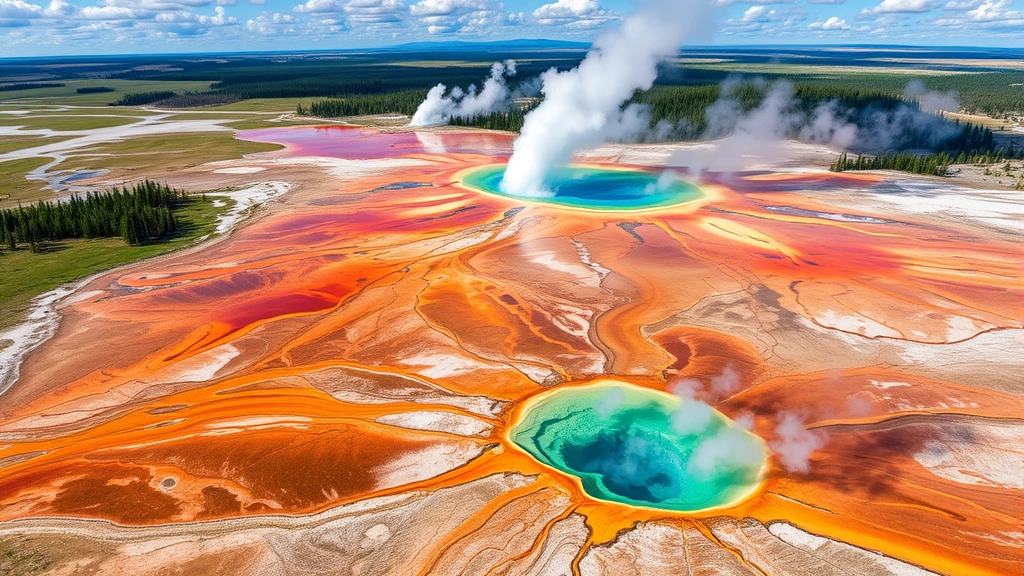
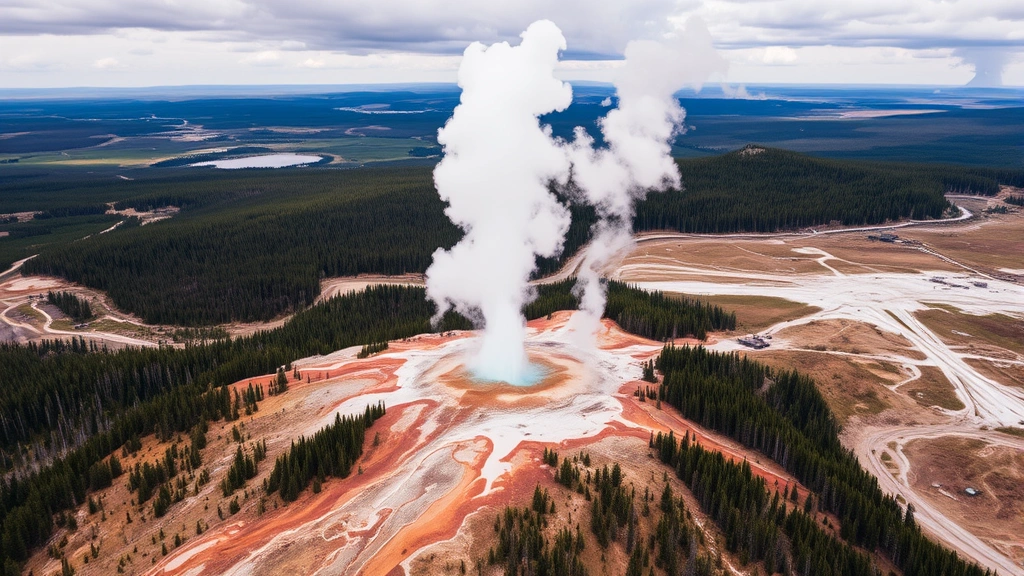
” alt=”Scenic aerial view of Yellowstone geysers and thermal features from above”>
Airlines Serving Yellowstone Airports
Major carriers dominate Yellowstone region airports, with Delta, United, American, Southwest, and Alaska Airlines providing most service. Each airline offers different route networks and pricing structures, making comparison shopping essential. Comparing airlines for long flights helps identify the best carrier for your specific route and preferences.
Budget carriers like Southwest offer competitive pricing and generous baggage allowances, while legacy carriers provide more frequent flights and better frequent flyer benefits. Regional carriers connecting to major hubs may offer lower fares but require connections, adding travel time.
Direct flights from major metropolitan areas (Denver, Seattle, San Francisco, Los Angeles) command premium prices but save significant travel time. Connecting flights through hub airports like Denver or Salt Lake City cost less but extend total travel time by 3-5 hours. Your decision depends on personal tolerance for extended travel versus budget constraints.
Practical Tips for Flying to Yellowstone
Book accommodations and vehicle rentals immediately after securing flights, as these peak-season resources fill quickly. Many Yellowstone lodges require advance reservations months ahead, particularly for summer travel. Coordinate your flight times with accommodation check-in requirements to avoid expensive hotel nights for early arrivals.
Check current road conditions and seasonal closures before finalizing your itinerary. Many park roads remain closed until late spring, and weather can impact driving conditions through fall. The National Park Service official website provides current road status and park conditions.
Verify passport requirements if traveling from Canada or international locations, as some regional airports have limited international service. International travelers may find flying into Denver or Salt Lake City then connecting to Yellowstone region airports more practical than international flights to regional hubs.
Purchase travel insurance covering flight delays and cancellations, particularly for shoulder and peak season travel when weather delays become more frequent. Understand your airline’s flight delay compensation policies to protect yourself against unexpected disruptions.
Gateway Towns and Extended Stays
Each airport serves distinct gateway communities offering unique experiences beyond park exploration. Bozeman attracts outdoor enthusiasts with excellent restaurants, galleries, and outdoor recreation including hiking and fly-fishing. Jackson offers luxury shopping and fine dining alongside adventure activities like rafting and horseback riding.
West Yellowstone caters entirely to park visitors with family-friendly attractions and park-focused services. Billings provides Montana’s authentic character with museums, rodeos, and cultural attractions. Idaho Falls offers quieter exploration with access to regional natural features and less tourist congestion.
Extending your trip to include gateway town time enriches your overall experience while distributing travel fatigue across multiple days. Many travelers find 1-2 days in gateway towns before or after park visits enhance their journey significantly.
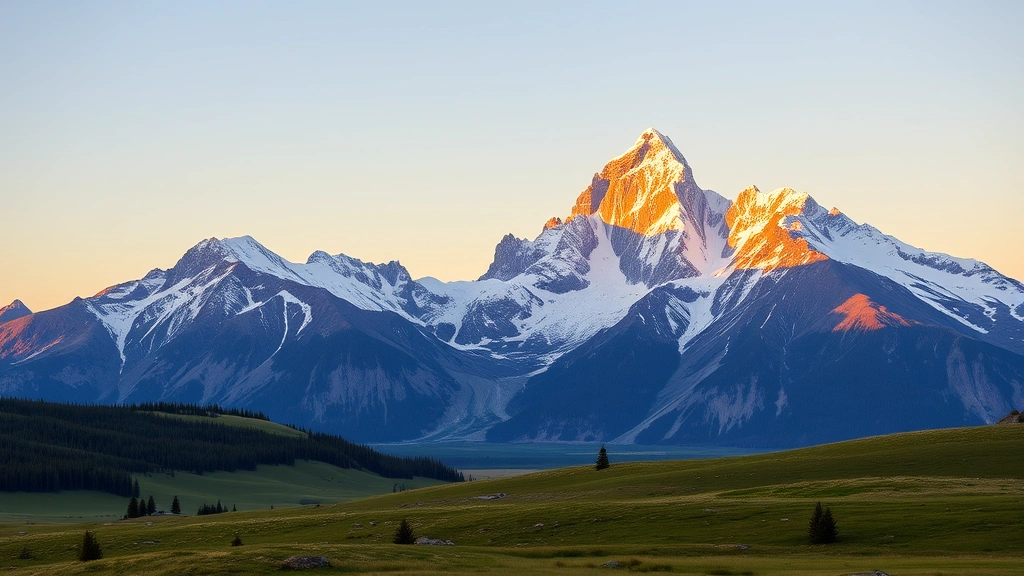
” alt=”Mountain landscape with snow-capped peaks and pristine alpine meadows at sunrise”>
FAQ
What is the absolute closest airport to Yellowstone National Park?
West Yellowstone Airport (WYS) sits just 1 mile from the park’s west entrance, but limited commercial service makes it impractical for most travelers. Bozeman Yellowstone International Airport (BZN) at 90 miles remains the most practical closest option with regular commercial flights.
Can I fly directly to Yellowstone from major cities?
Yes, direct flights operate from major metropolitan areas including Denver, Los Angeles, San Francisco, Seattle, and Salt Lake City to Bozeman and Jackson Hole during peak season. Off-season travel may require connections through hub airports.
Which airport offers the cheapest flights to Yellowstone?
Billings Logan International Airport frequently offers the lowest fares due to its size and competition among carriers. However, comparing all nearby airports is essential, as pricing fluctuates based on demand and seasonal factors.
Do I need a rental car at Yellowstone airports?
While not absolutely necessary, a rental car provides maximum flexibility for park exploration. Shuttle services and guided tours offer alternatives, but rental cars remain the most practical option for independent travelers.
When should I book my flights to Yellowstone?
Book 6-8 weeks in advance for peak summer travel, 4-6 weeks for shoulder seasons, and 2-3 weeks for winter travel. Setting price alerts helps identify optimal booking moments across all seasons.
Can I visit Yellowstone in winter by flying in?
Yes, winter travel is possible, though road conditions require caution and some park roads close seasonally. Only Mammoth Hot Springs, Norris Geyser Basin, and some lower-elevation roads remain accessible in winter. Check current park conditions before booking winter travel.
Which airport is best for visiting Grand Teton National Park along with Yellowstone?
Jackson Hole Airport provides the most convenient access to both parks, sitting just 1 hour from Yellowstone’s south entrance and directly adjacent to Grand Teton. This option is ideal for combined park visits.
Are there international flights to Yellowstone region airports?
Most Yellowstone region airports lack direct international service. International travelers typically fly into Denver, Salt Lake City, or San Francisco before connecting to regional airports, though some airports accept international flights during peak season.