
Cheapest DC to Boston Flights? Expert Insights for Smart Travelers
Finding affordable flights from Washington, DC to Boston doesn’t have to be a frustrating experience. This Northeast corridor route is one of America’s most traveled, connecting the nation’s capital with New England’s vibrant hub. Whether you’re traveling for business, visiting family, or exploring historic Boston’s charm, understanding how to secure the best fares can save you hundreds of dollars annually. Our comprehensive guide breaks down everything you need to know about DC to Boston flights, from booking strategies to airline comparisons.
The distance between Ronald Reagan Washington National Airport (DCA) and Boston Logan International Airport (BOS) is approximately 400 miles, making it a quick 90-minute flight. This short duration means you have multiple daily options across several major carriers, which creates natural competition and opportunities for savvy travelers to find deals. The key lies in knowing when to book, which airlines offer the best value, and what hidden strategies can stretch your travel budget further.
Best Airlines for DC to Boston Routes
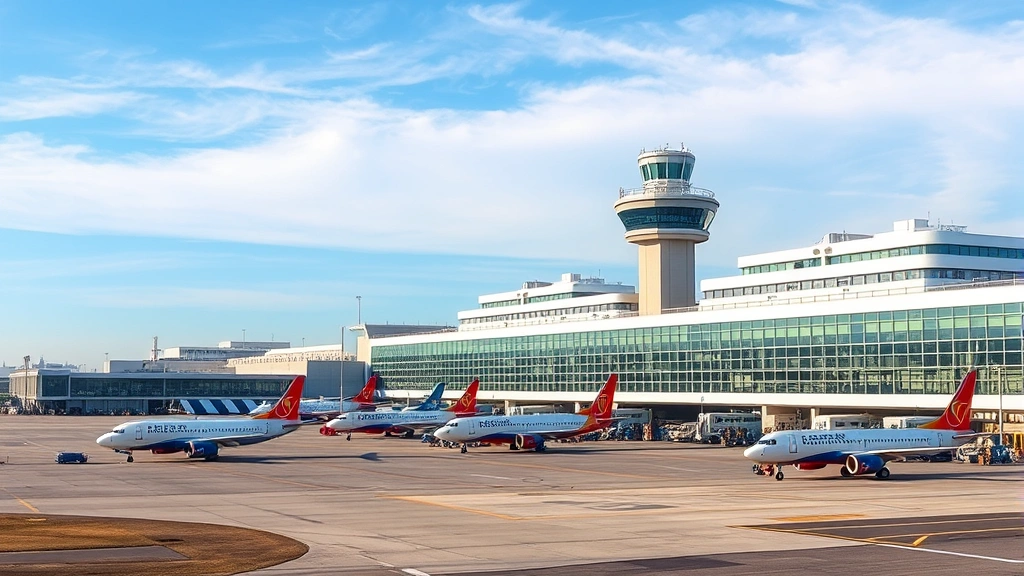
Several major carriers operate the DC to Boston corridor, each offering different value propositions. Southwest Airlines consistently ranks among the most affordable options for this route, with their no-baggage-fee policy providing genuine savings compared to competitors. Their frequent flights from BWI (Baltimore-Washington International) create competitive pricing pressure across the market. If you’re comparing airlines for this specific route, understanding their pricing models is essential.
United Airlines operates multiple daily flights from DCA, offering convenience through their hub presence at Newark. American Airlines provides competitive options from DCA as well, particularly for travelers with AAdvantage status. JetBlue occasionally offers promotional fares on this route, though their limited frequency means fewer opportunities for last-minute deals. When evaluating which airline to choose, consider not just the base fare but also factors like baggage allowances, seat selection fees, and frequent flyer earning potential. Our guide on the best airlines for long flights provides deeper insights into airline quality metrics that extend to short-haul routes.
Frontier and Spirit occasionally serve this market with ultra-low-cost fares, but their restrictive baggage policies and seat selection fees can negate initial savings. Always calculate your total trip cost including ancillary fees before committing to a budget carrier. The arithmetic of cheap flights often surprises travelers who discover hidden charges only after booking.
Optimal Booking Timing and Strategies
Timing your flight booking correctly can mean the difference between paying $89 and $289 for the same route. Industry research indicates that booking 1-3 weeks in advance typically yields the best prices for Northeast corridor flights. However, this route occasionally offers last-minute deals as airlines drop prices to fill remaining seats. The best times to book airline tickets varies by season, but Tuesday and Wednesday bookings frequently offer lower fares than weekend searches.
Set up price alerts on Google Flights, Kayak, and Hopper to track fare movements for your specific travel dates. These tools notify you when prices drop, allowing you to book at optimal moments. Many travelers make the mistake of checking prices once and booking immediately; instead, establish a 1-2 week monitoring window before your travel date. During this window, you’ll observe natural price fluctuations that help you identify genuine deals versus normal pricing.
Consider booking round-trip tickets rather than one-way when possible, as airlines often price round-trips more competitively. If your plans are flexible, comparing different travel dates within a week can reveal significant savings. Flying mid-week (Tuesday-Thursday) typically costs 15-25% less than Friday-Sunday travel on this route. Early morning flights (6-8 AM departures) frequently offer lower fares than afternoon or evening options, reflecting lower demand periods.
Finding the Cheapest Fares
Meta-search engines like Skyscanner, Momondo, and Google Flights compare prices across multiple booking platforms simultaneously. These tools save tremendous time by eliminating the need to visit each airline’s website individually. However, after identifying your preferred flight, book directly through the airline’s website when possible. Direct bookings provide better customer service access and eliminate third-party booking issues.
Incognito browsing deserves mention despite persistent myths about price discrimination. While airlines don’t explicitly change prices based on browsing history, clearing your cookies prevents price increases from repeated searches. More importantly, incognito mode prevents your device from being tracked across multiple search sessions, which can psychologically influence your booking decisions.
Mistake fares—when airlines accidentally price tickets below normal rates—occasionally appear on this route. Following SkyVoyage Hub Blog and similar travel publications helps you catch these rare opportunities before they’re corrected. Join flight deal communities on Reddit and specialized websites like Secret Flying, where enthusiasts share legitimate bargains immediately upon discovery.
Consider purchasing refundable tickets when prices seem reasonable but you’re uncertain about your travel plans. Understanding the how to book refundable airline tickets provides flexibility that often justifies slightly higher base fares, especially for business travelers whose plans change frequently.
Alternative Airports and Routes
Washington, DC area travelers have three major airport options: Ronald Reagan Washington National Airport (DCA), Washington Dulles International (IAD), and Baltimore-Washington International (BWI). Southwest’s dominant presence at BWI frequently offers the cheapest fares, sometimes $30-50 less than DCA options. The 45-minute drive from downtown DC to BWI is worthwhile if you’re saving $100+ on your ticket. Conversely, DCA’s location just 15 minutes from downtown DC provides convenience that might justify slightly higher fares for time-conscious travelers.
Boston Logan (BOS) dominates the Boston market, but exploring alternative airports like Manchester Airport (MHT) in New Hampshire—90 minutes north—occasionally reveals cheaper flights. However, ground transportation costs from Manchester often negate savings, making BOS the practical choice for most travelers. Always calculate total trip cost including airport transfers before selecting alternative airports.
Flying into nearby Boston areas like Providence Airport (PVD) in Rhode Island sometimes offers marginally cheaper fares, but the additional drive time and rental car costs typically make BOS more economical.
Seasonal Price Variations
DC to Boston flight prices fluctuate dramatically by season. Summer (June-August) represents peak pricing, with average fares 40-60% higher than off-season rates. Fall foliage season (late September-October) also drives prices upward as leaf-peeping tourists flood the Northeast. Winter (January-March) offers the cheapest fares, with February typically the most affordable month. Spring (April-May) represents a moderate pricing period with occasional deals in early April.
Holiday periods command premium pricing: Thanksgiving week, Christmas-New Year’s, and Easter holidays see prices spike 50-100% above baseline rates. If possible, avoid traveling during these peak periods or book 4-6 weeks in advance to secure lower fares. Business travel peaks mid-week, making Monday and Friday flights more expensive than Tuesday-Thursday options.
Academic calendars influence pricing for Boston-bound flights, with September and early May seeing increased student travel. Traveling during spring break periods (typically mid-March) costs significantly more than surrounding weeks.
Loyalty Programs and Discounts
Frequent flyer programs provide substantial value on this well-traveled route. United MileagePlus members earning premium cabin upgrades on short flights find excellent value, while American AAdvantage members accumulate miles quickly on frequent DC-Boston trips. Southwest’s Rapid Rewards program offers particularly strong value given their competitive base fares—loyalty points accumulate faster than on pricier airlines.
Corporate travel programs often provide negotiated rates 10-20% below public fares. If your employer has travel arrangements, always book through their designated channels. Government employees may access special military or federal employee rates through specific travel agencies.
Credit card sign-up bonuses for airline cards can provide free flights after meeting spending requirements. Premium travel credit cards offer lounge access, priority boarding, and baggage allowances that enhance value on frequent short-haul trips. Calculate whether annual fees justify benefits based on your travel frequency.
Senior discounts (age 65+) are less common for domestic flights than international travel, but some airlines offer modest reductions. Students with valid .edu email addresses occasionally access special fares through specific booking platforms. Military personnel receive 5-10% discounts through dedicated military travel programs.
Travel Tips for Budget Conscious Flyers
Pack strategically to avoid baggage fees—many budget-conscious travelers check whether carry-on-only packing is feasible for their Boston trip. Even when airlines permit free checked bags, avoiding checking luggage saves time at airports and reduces baggage mishandling risks. Arrive early at DCA to navigate the smaller airport efficiently; this Washington airport handles fewer passengers than major hubs, resulting in shorter security lines on most days.
Consider the true cost of airport parking, rideshares, or public transportation when calculating your total trip expense. Metrorail access to DCA makes that airport particularly economical for downtown DC residents. Booking flights on Tuesday afternoons often yields the lowest fares, as airlines adjust pricing following weekend booking patterns and Monday business travel demand.
Travel insurance makes sense for flights booked at steep discounts, protecting your investment if personal circumstances change. Understanding your airline’s policies regarding airline flight delay compensation ensures you know your rights if disruptions occur. EU261 regulations don’t apply to US domestic flights, but airlines must follow Department of Transportation rules regarding compensation for significant delays and cancellations.
Download airline apps before travel for mobile boarding passes, real-time flight updates, and occasionally exclusive app-only deals. Sign up for airline email newsletters to receive flash sales and promotional fares. Many travelers miss deals because they don’t monitor these communication channels regularly.
Consider flying Boston-DC during off-peak hours (early morning or late evening departures) when fares typically run 15-30% lower than midday flights. These inconvenient times offer genuine savings for flexible travelers. Connecting flights through hubs like Charlotte, Philadelphia, or Newark occasionally cost less than direct flights, though the additional 2-3 hours of travel time rarely justifies savings under $40.
For frequent travelers on this route, exploring competitive routes helps you understand pricing patterns that apply across similar distance ranges. Understanding broader airline pricing dynamics improves your negotiating position and decision-making for DC-Boston trips.
Membership programs like TSA PreCheck ($85 for 5 years) and Clear ($189 annually) expedite airport security, saving 10-15 minutes at busy hubs like Boston. For frequent business travelers, this time savings justifies the investment. However, occasional leisure travelers may find the cost unjustifiable for infrequent trips.
FAQ
What’s the average price for DC to Boston flights?
Average fares range from $150-250 round-trip during off-peak seasons to $300-500+ during summer and holidays. Tuesday-Thursday flights cost 15-25% less than weekend travel. Booking 1-3 weeks in advance typically yields the best prices, though occasional last-minute deals appear 2-3 days before departure.
Which airline offers the cheapest DC to Boston flights?
Southwest Airlines consistently offers competitive fares, particularly from BWI, with their no-baggage-fee policy providing genuine savings. United and American offer frequent flights from DCA with reasonable pricing. Budget carriers like Frontier and Spirit occasionally offer lower base fares but charge for baggage and seat selection, often negating initial savings.
How far in advance should I book DC to Boston flights?
Booking 1-3 weeks in advance typically yields optimal pricing. However, this route occasionally offers last-minute deals as airlines fill remaining seats. Set price alerts 3-4 weeks before your travel date and monitor for significant drops.
Are there cheaper alternatives to flying DC to Boston?
Northeast Regional Rail (Amtrak Northeast Regional) costs $30-80 and takes 7.5-8.5 hours. Northeast Regional Express (Northeast Regional Limited) costs $60-120 and takes 6.5-7 hours. Megabus and Greyhound offer budget options ($20-60) requiring 8-10 hours. For most travelers, flying remains cheaper when factoring in time value, especially for business travel.
What’s the best day of the week to fly DC to Boston?
Tuesday, Wednesday, and Thursday flights cost 15-25% less than Friday-Sunday travel. Monday flights also offer reasonable pricing. Saturday and Sunday represent the most expensive days, with Friday close behind due to weekend leisure travel demand.
Do DC to Boston flights get cheaper closer to departure?
Occasionally, yes. Airlines reduce prices 2-3 days before departure to fill remaining seats, but this isn’t guaranteed. Relying on last-minute deals is risky; booking 1-3 weeks in advance provides better security and more flight options.
Can I save money by flying into alternative Boston airports?
Manchester Airport (MHT) occasionally offers cheaper fares, but ground transportation costs ($40-60 for rental cars or rideshares) often negate savings. Boston Logan remains the most economical choice for most travelers when calculating total trip costs.
What baggage policies apply to DC to Boston flights?
Southwest includes 2 free checked bags. United and American include 1 free checked bag for most passengers, with additional bags costing $35-40. Frontier and Spirit charge $35-50 for first checked bag. Carry-on bags are free with all carriers (subject to size restrictions).