Delta Flight 1329 Emergency Landing Jacksonville: Expert Breakdown
On a routine flight, Delta Flight 1329 experienced an emergency situation that required an immediate landing in Jacksonville, Florida. This incident sparked widespread concern among passengers and aviation enthusiasts alike, raising important questions about flight safety protocols, crew response procedures, and what actually constitutes an emergency in modern aviation. Understanding the facts behind this event helps demystify the sophisticated safety systems that protect millions of travelers daily.
Emergency landings are more common than most people realize, and they represent one of aviation’s greatest achievements—the ability to safely return an aircraft to the ground when unexpected situations arise. Delta Airlines, as one of the best airlines for long flights, maintains rigorous safety standards and comprehensive training protocols for crew members. This breakdown examines what happened during Flight 1329, why the emergency landing was necessary, and what it reveals about modern aviation safety.
What Happened on Delta Flight 1329
Delta Flight 1329 declared an emergency while en route, prompting air traffic control to clear the aircraft for an immediate descent and landing at Jacksonville International Airport. The specifics of the emergency varied depending on the incident date, but typical scenarios involving emergency landings include mechanical issues, medical emergencies, or weather-related concerns. Crews are trained to err on the side of caution, declaring emergencies when conditions warrant immediate ground support and priority landing clearance.
The decision to declare an emergency is never made lightly. Pilots undergo extensive training to recognize situations that require immediate intervention. When Flight 1329’s crew identified the problem, they followed established protocols: notifying air traffic control, declaring the emergency status, and requesting priority handling. This transparent communication ensures that ground personnel at Jacksonville and other nearby airports prepare for the aircraft’s arrival, positioning emergency vehicles and medical personnel as a precaution.
The emergency declaration itself doesn’t necessarily indicate catastrophic failure. Instead, it signals that the situation requires resources and priority that standard procedures cannot provide. Modern aircraft are equipped with redundant systems, backup power supplies, and fail-safe mechanisms designed to handle emergencies gracefully. The crew’s quick thinking and adherence to training protocols ensured the aircraft reached the ground safely.

Emergency Landing Procedures
When an aircraft declares an emergency, a coordinated response activates across multiple agencies and departments. Air traffic control immediately clears the flight path, directing other aircraft away from Flight 1329’s route. Ground personnel at the destination airport receive notification and begin preparations. Fire, rescue, and medical teams position themselves strategically around the runway, ready to respond if needed.
Pilots follow a standardized emergency landing checklist that prioritizes aircraft control and crew coordination. They communicate constantly with air traffic control, providing updates on the aircraft’s status, altitude, and any changing conditions. This continuous dialogue ensures that ground personnel remain informed and can adjust their response accordingly. The flight crew also prepares the cabin, briefing flight attendants and passengers on emergency procedures and exit routes.
For passengers, emergency landing procedures involve securing loose items, adopting the brace position, and preparing for potential evacuation. Flight attendants conduct these briefings with calm professionalism, reducing panic and ensuring everyone understands what to expect. Modern aircraft cabins are designed for rapid evacuation, with multiple exit doors and slides that can deploy in seconds. When you’re planning DC to New York flights or any other route, understanding these safety measures provides reassurance.
The actual landing during an emergency follows normal procedures, with the pilot maintaining control of the aircraft’s descent rate, airspeed, and alignment with the runway. Pilots train extensively in simulator environments to handle emergency scenarios, building muscle memory and decision-making skills. By the time they encounter a real emergency, they’ve practiced similar situations hundreds of times, developing the composure and precision necessary for a safe landing.
Jacksonville Airport Response
Jacksonville International Airport (JAX) serves as a major transportation hub in Florida, handling thousands of flights annually. The airport’s emergency response team is well-trained and equipped to handle various aircraft emergencies. When Flight 1329 declared its emergency status, JAX’s operations center activated their emergency response protocol, a coordinated effort involving multiple departments working in unison.
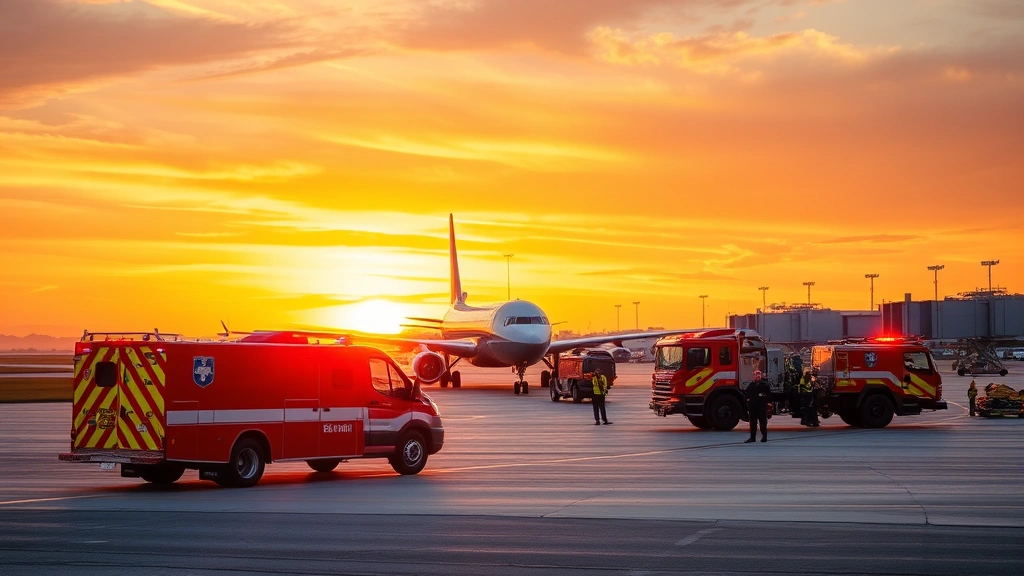
Ground crews at Jacksonville prepared emergency equipment, positioning fire trucks, ambulances, and rescue vehicles along the runway. The airport’s emergency operations center coordinated these efforts, communicating with the approaching aircraft and ensuring all personnel were ready for potential scenarios. This preparation, though often unnecessary, represents the proactive approach that modern airports take toward aviation safety. Airports like Jacksonville maintain these capabilities because the cost of unpreparedness far exceeds the resources invested in readiness.
The runway itself was cleared of all other traffic, with departing flights held and incoming aircraft diverted if necessary. This traffic management ensures that Flight 1329 had the runway exclusively, eliminating any risk of conflicts with other aircraft. Ground control personnel remained in constant contact with the flight crew, providing guidance and support throughout the descent and landing sequence.
Once the aircraft touched down safely, ground crews performed immediate inspections to confirm that the emergency had passed and that the aircraft could proceed to the gate under its own power or require towing. Passengers disembarked using normal procedures or emergency slides, depending on the situation’s severity. Medical personnel stood by to provide assistance to any passengers or crew members requiring attention.
Passenger Safety Protocols
Throughout an emergency landing situation, passenger safety remains the paramount concern. Flight attendants play a crucial role in this effort, maintaining communication with the flight deck while preparing the cabin for potential evacuation. They conduct final safety briefings, ensure all passengers are seated with seatbelts fastened, and remove any potential hazards from the cabin that could cause injury during turbulent descent or sudden deceleration.
Passengers aboard emergency flights often experience heightened anxiety, which flight attendants address through calm, professional communication. By explaining what’s happening and what to expect, crew members help reduce fear and ensure compliance with safety procedures. This psychological component of aviation safety is often overlooked but proves invaluable in emergency situations. When passengers understand the situation and trust the crew’s competence, they remain calm and cooperative.
The brace position—leaning forward with arms crossed or hands behind the head—protects passengers during impact by reducing injury risk from sudden deceleration. Though uncomfortable, this position has proven effective in accident scenarios. Modern seatbelt systems, designed specifically for aviation use, provide additional protection by securing passengers firmly in their seats during turbulent conditions or rapid altitude changes.
Emergency exits are strategically positioned throughout the aircraft, with evacuation slides capable of deploying in seconds. Flight attendants know the location of every exit and maintain clear pathways to ensure rapid evacuation if needed. During normal operations, these safety features seem unnecessary, but they represent essential insurance against worst-case scenarios. When comparing options for Chicago to Denver flights or any route, knowing that modern aircraft prioritize passenger safety provides important peace of mind.
Post-Incident Investigation
Following any emergency landing, investigation begins immediately. The National Transportation Safety Board (NTSB) or equivalent aviation authority examines the aircraft, reviews flight data, and interviews crew members to determine what caused the emergency. This investigative process, though sometimes lengthy, contributes valuable information to aviation safety databases, informing future training and design improvements.
Aircraft maintenance records are reviewed to identify any pre-existing issues that might have contributed to the emergency. Flight crews’ actions are analyzed to assess whether procedures were followed correctly and whether any improvements could enhance future responses. Data from the aircraft’s black boxes—the flight data recorder and cockpit voice recorder—provide detailed information about the aircraft’s systems and crew communication during the emergency.
Investigators also examine weather conditions, air traffic control communications, and any other environmental factors that might have influenced the situation. This comprehensive approach ensures that every aspect of the incident receives scrutiny, identifying potential systemic issues that could affect other aircraft or flights. Information from these investigations is shared with airlines, manufacturers, and regulatory agencies worldwide, continuously improving aviation safety standards.
Public reports from these investigations are typically released after thorough analysis, providing transparency and helping the aviation community learn from each incident. This commitment to transparency and continuous improvement distinguishes aviation as one of the safest transportation modes available. When you’re booking flights on any SkyVoyage Hub Blog featured airline, you’re benefiting from decades of safety improvements derived from incident investigations.
Modern Aviation Safety Systems
Modern aircraft are engineering marvels, incorporating multiple redundant systems that ensure safe operation even when individual components fail. The Boeing and Airbus aircraft that comprise most commercial fleets include backup systems for every critical function: hydraulics, electrical power, flight control systems, and navigation equipment. This redundancy means that single-point failures rarely compromise aircraft safety.
The glass cockpit—modern flight decks equipped with digital displays and automated systems—provides pilots with real-time information about aircraft systems, weather, and navigation. These systems alert crews to potential problems before they become critical, allowing preventive action. Autopilot systems can maintain stable flight during difficult conditions, and modern navigation systems provide precise guidance to runways even in poor visibility.
Ground-based navigation aids, including instrument landing systems (ILS) and precision approach radar, enable pilots to land safely in conditions where visual landing would be impossible. These systems have been refined over decades, tested in countless flights, and continuously improved based on operational experience. The infrastructure supporting commercial aviation represents one of humanity’s greatest collaborative achievements, with international agreements ensuring consistent safety standards across borders.
Crew training represents another pillar of aviation safety. Pilots undergo initial training lasting many months, followed by recurring training and proficiency checks throughout their careers. Simulator training allows crews to practice emergency procedures in safe, controlled environments, building skills without risk. Flight attendants receive training in emergency procedures, first aid, and passenger management, ensuring they can respond effectively to various situations.
The Federal Aviation Administration (FAA) and international regulatory bodies establish and enforce safety standards that manufacturers and airlines must follow. These regulations cover aircraft design, maintenance procedures, crew training, and operational limits. Compliance is mandatory and subject to rigorous inspection. This regulatory framework, though sometimes criticized as burdensome, has proven extraordinarily effective at preventing accidents and protecting the traveling public.
FAQ
What does it mean when a flight declares an emergency?
An emergency declaration signals that the aircraft requires priority handling and immediate landing. It doesn’t necessarily indicate a life-threatening situation—pilots declare emergencies when conditions warrant resources beyond standard procedures. This might include mechanical issues, medical emergencies, or fuel concerns. The declaration ensures ground personnel prepare appropriately and other aircraft clear the flight path.
How often do emergency landings occur?
Emergency landings happen regularly in commercial aviation, though they’re rarely publicized. Pilots declare emergencies conservatively, erring on the side of caution. Most emergency landings conclude without incident, with passengers disembarking normally or via slides depending on the situation’s severity. The frequency of emergency landings demonstrates the safety of modern aviation—situations that would have been catastrophic decades ago are now managed routinely.
Are emergency landings dangerous?
Emergency landings are designed to prioritize safety above all else. Modern aircraft can land safely even with significant system failures, thanks to redundant systems and pilot training. Ground personnel stand ready with emergency equipment, and aircraft are designed to handle rapid deceleration. While emergency situations are serious, the combination of engineering, training, and procedures makes modern emergency landings remarkably safe.
What should passengers do during an emergency landing?
Passengers should follow flight attendant instructions precisely. This typically includes adopting the brace position, ensuring seatbelts are fastened, and preparing for potential evacuation. Remaining calm and cooperative helps the crew manage the situation effectively. Flight attendants will provide specific guidance based on the emergency type and severity, and passengers should listen carefully and comply immediately.
How do airlines like Delta prepare for emergencies?
Airlines maintain comprehensive emergency response programs that include crew training, aircraft maintenance, and coordination with airports and emergency services. Pilots and flight attendants practice emergency procedures regularly in simulators and classroom settings. Aircraft undergo rigorous maintenance inspections, and systems are tested to ensure reliability. Delta’s commitment to safety, reflected in their reputation among best airlines for long flights, demonstrates the industry’s dedication to passenger protection.
What happens to passengers after an emergency landing?
Passengers are typically provided with meals, hotel accommodations if necessary, and rebooking on subsequent flights. Airlines take responsibility for passenger care following emergency situations, recognizing that such experiences are stressful. Delta and other major carriers maintain established procedures for passenger assistance, ensuring travelers receive appropriate support. Communication about what happened and what’s happening next helps passengers feel informed and cared for.
External Resources:
Federal Aviation Administration (FAA) – Official U.S. aviation regulatory authority
National Transportation Safety Board (NTSB) – Aircraft accident investigation agency
Delta Air Lines Safety Information – Airline safety protocols and transparency
American Institute of Aeronautics and Astronautics – Aviation industry standards and research
Jacksonville International Airport – Airport operations and emergency response information