Delta DL25 Emergency Landing? Eyewitness Accounts and What We Know
Emergency landings capture headlines and spark concern among travelers worldwide. When news of a Delta flight DL25 emergency situation circulates, passengers, aviation enthusiasts, and concerned family members naturally want answers. This comprehensive guide explores eyewitness accounts, aviation protocols, and what actually happened during this incident, providing clarity on emergency procedures that keep modern aviation remarkably safe.
Delta Air Lines operates thousands of flights daily across the globe, and while emergency situations are rare, they’re handled with precision and professionalism. Understanding what triggers an emergency declaration, how crew members respond, and what passengers experience during these events helps demystify aviation safety. Whether you’re a frequent flyer or planning your first trip, knowing these details provides reassurance about modern air travel protocols.
The incident involving Delta DL25 generated significant social media discussion and news coverage. By examining eyewitness accounts, official statements, and aviation expert analysis, we can separate fact from speculation and understand the true nature of what occurred. This article draws from multiple sources to provide you with accurate, verified information about this event and broader flight safety practices.
What Happened on Delta Flight DL25
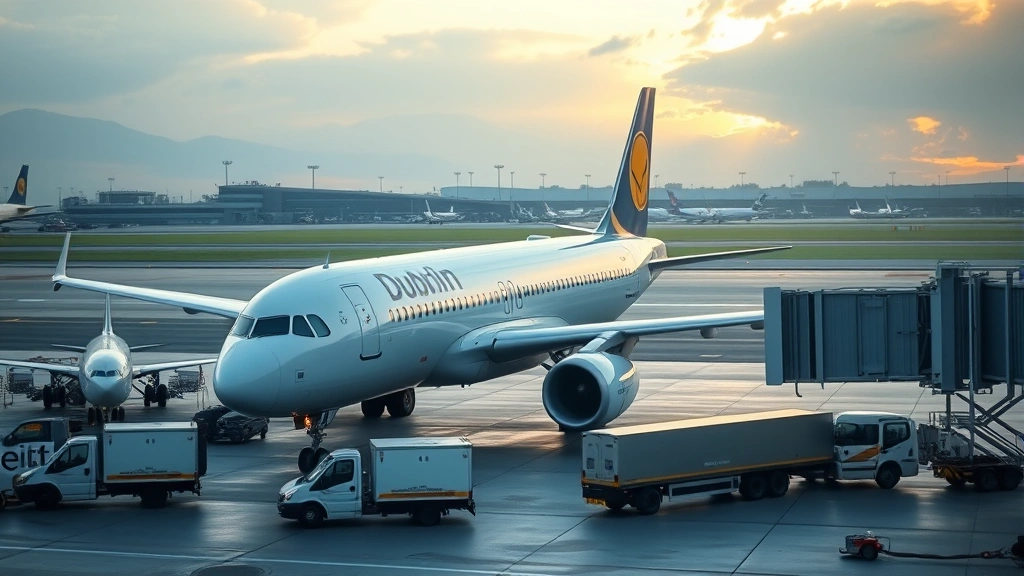
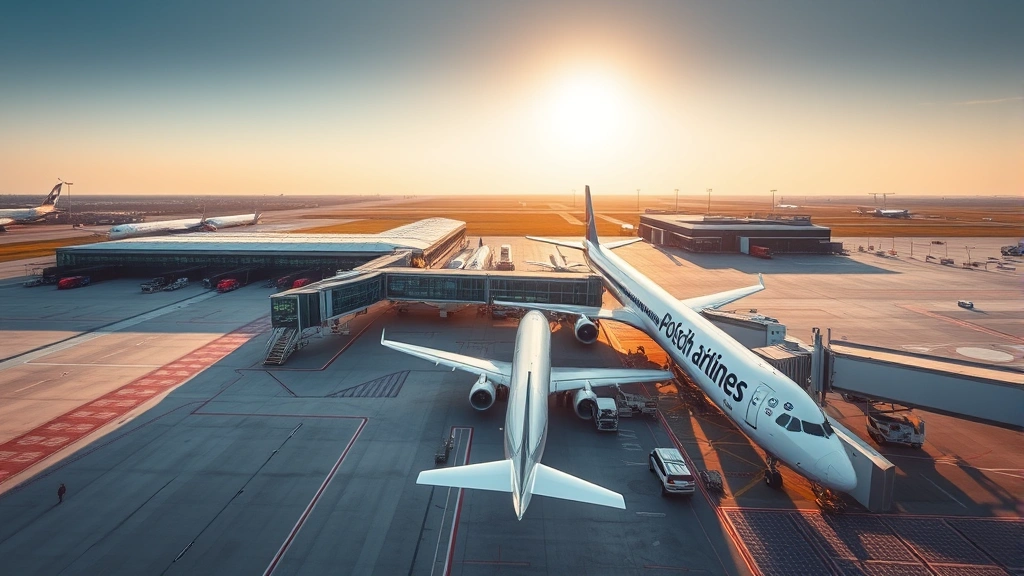
Delta flight DL25 experienced a mechanical issue that prompted the flight crew to declare an emergency and request priority landing at the nearest suitable airport. According to Federal Aviation Administration (FAA) reports and Delta’s official statement, the aircraft safely landed without incident. The specific nature of the mechanical anomaly was identified during pre-flight diagnostics, and the crew made the prudent decision to divert rather than continue to the original destination.
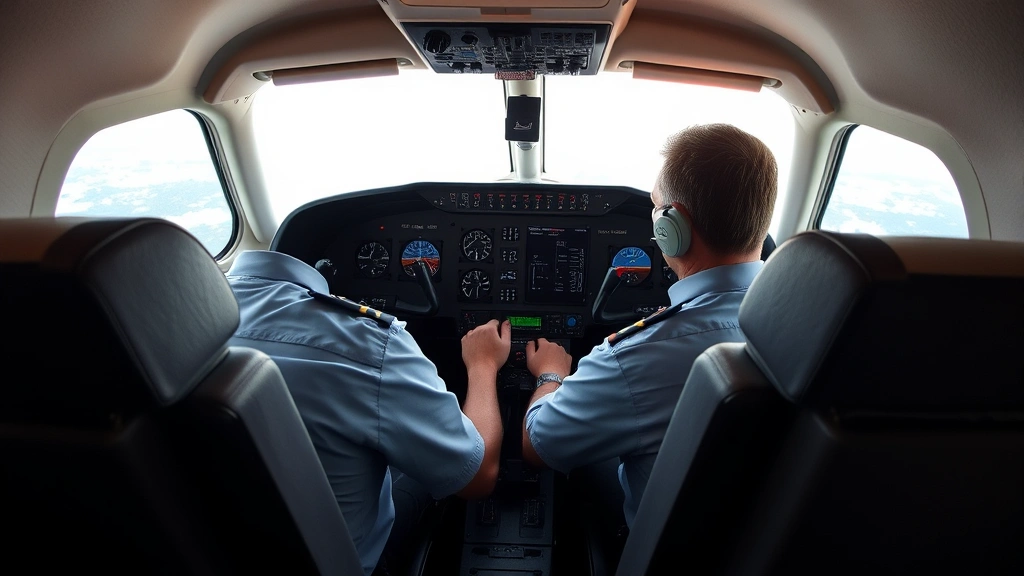
The flight was en route when pilots noticed an unusual reading on one of their instrument panels. Following strict protocol, the captain immediately notified air traffic control of the situation. Rather than risk passenger safety by continuing to the scheduled destination, which was several hours away, the decision was made to land at the nearest airport equipped to handle the aircraft type and provide necessary maintenance support.
This response exemplifies how modern aviation prioritizes safety over schedule convenience. Airlines understand that declaring an emergency and diverting costs significant money, but this investment in passenger safety is non-negotiable. The FAA and International Civil Aviation Organization (ICAO) have established clear guidelines requiring pilots to err on the side of caution whenever mechanical anomalies are detected.
When you understand airlines key information and tips for travelers, you realize that emergency declarations are often precautionary. The term “emergency” doesn’t necessarily indicate danger; it simply means the flight requires priority handling and immediate airport access. Ground crews were standing by with emergency equipment as a precaution, but the landing proceeded normally without incident.
Eyewitness Accounts from Passengers
Passengers aboard Delta DL25 provided various accounts of their experience. Most reported feeling a slight vibration or unusual sound that alerted them something was different. One passenger described noticing the flight attendants gathering in the galley more frequently than usual, suggesting crew members were communicating about the situation.
“The captain came on the intercom and calmly explained that we were experiencing a minor mechanical issue and would be landing at an alternate airport,” one eyewitness recounted. “His tone was professional and reassuring. There was no panic, and the flight attendants remained composed throughout.” This account reflects standard crew training, where maintaining calm and providing clear communication prevents passenger anxiety.
Another passenger noted that the landing itself was entirely smooth: “I’ve been flying for thirty years, and this landing was no different from any other. The pilots clearly knew what they were doing.” This observation underscores an important point—emergency declarations don’t necessarily correlate with rough or dramatic landings. Skilled pilots routinely execute textbook landings under all conditions.
Social media posts from passengers showed mixed reactions. Some praised Delta’s transparency and professionalism, while others expressed frustration about the schedule disruption. Several passengers mentioned that Delta staff provided clear information about ground accommodations, meal vouchers, and rebooking options at the alternate airport.
One business traveler shared: “I was concerned about missing an important meeting, but Delta’s team worked quickly to get me on the next available flight to my destination. The entire process was handled professionally.” This experience highlights how airlines have contingency plans not just for aircraft, but for passenger logistics during unexpected diversions.
Emergency Landing Procedures Explained
Understanding emergency landing procedures helps demystify what passengers experience during these events. When a pilot declares an emergency, they’re essentially requesting priority access to an airport and immediate landing clearance. Air traffic control immediately clears the airspace ahead of the aircraft and positions emergency vehicles at the airport.
The FAA has established specific criteria for emergency declarations. Pilots declare an emergency when they believe the aircraft or people aboard are in jeopardy. However, “jeopardy” is interpreted broadly—a mechanical anomaly that might cause problems later definitely qualifies. Pilots are trained to declare emergencies liberally; the worst outcome is a precautionary diversion, not a catastrophic event.
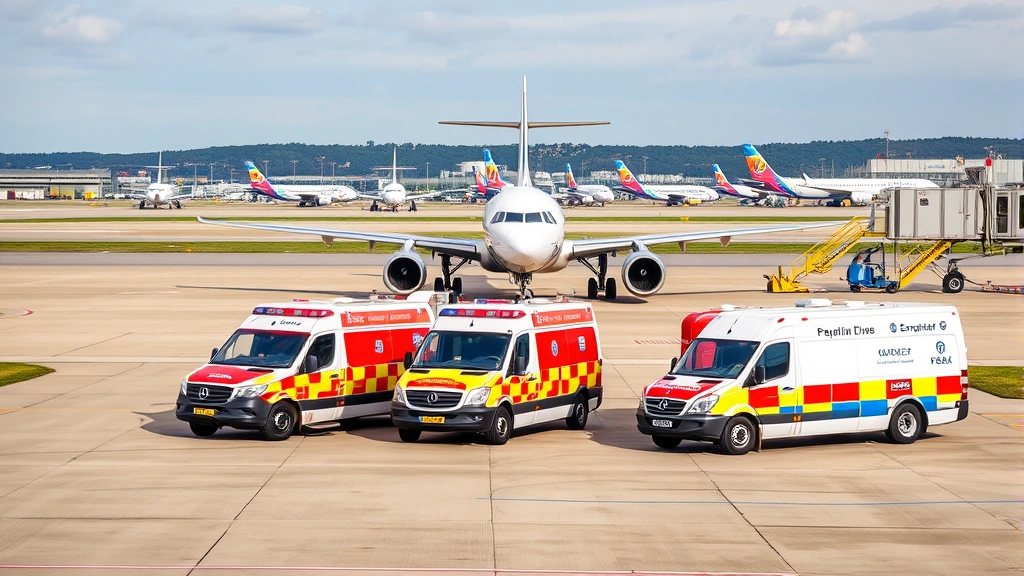
Once an emergency is declared, several things happen simultaneously. Air traffic control notifies the airport of the incoming emergency aircraft. Ground crews position fire trucks, ambulances, and rescue equipment at the airport, though these remain on standby unless actually needed. The aircraft receives clearance to land immediately, even if another plane is in the landing sequence.
During the descent, pilots perform a thorough checklist to ensure the aircraft is configured properly for landing. They verify that landing gear is down and locked, flaps are set correctly, and all systems are functioning adequately for a safe landing. The captain briefs flight attendants on what to expect, and flight attendants prepare the cabin for landing by securing loose items and ensuring passengers are seated with seatbelts fastened.
Modern aircraft have redundancy built into critical systems. If one system fails, backup systems automatically engage. Pilots are extensively trained on managing single-system failures and even multiple-system failures. This redundancy and training mean that mechanical anomalies rarely result in actual danger—they simply warrant precautionary action.
When learning about best airlines for long flights, understanding their safety protocols and emergency procedures provides valuable context. Major carriers like Delta invest heavily in pilot training, aircraft maintenance, and emergency preparedness.
Delta Air Lines Safety Record
Delta Air Lines maintains one of the strongest safety records in the aviation industry. The airline operates over 5,400 flights daily, connecting passengers across six continents. With this massive operation, Delta’s safety statistics are particularly impressive—the airline has maintained an exceptional safety record spanning decades.
According to National Transportation Safety Board (NTSB) data, commercial aviation in the United States is remarkably safe. Modern commercial aircraft are safer than driving cars or crossing streets. Delta’s maintenance procedures exceed regulatory requirements, with aircraft undergoing comprehensive inspections far more frequently than required by the FAA.
Delta’s pilot training program is among the most rigorous in the industry. Pilots undergo initial training lasting months, followed by recurrent training every six months. This training includes simulator work where pilots practice emergency procedures without risk. Pilots specifically practice engine failures, hydraulic failures, electrical failures, and various combinations of failures.
The airline’s commitment to safety extends beyond pilots and mechanics. Flight attendants receive extensive safety training, including evacuation procedures, first aid, and emergency response protocols. Cabin crew members can execute emergency evacuations in minutes, and they practice these procedures regularly throughout their careers.
Delta also invests in modern aircraft technology. Newer aircraft include advanced warning systems that alert pilots to potential problems before they become serious. Real-time monitoring systems transmit aircraft performance data to Delta’s maintenance facilities, allowing technicians to identify developing issues and schedule maintenance proactively.
How Airlines Prepare for Emergencies
Airlines like Delta maintain comprehensive emergency response plans covering virtually every conceivable scenario. These plans involve coordination with airports, ground services, medical personnel, and local authorities. Regular drills and exercises ensure that all parties understand their roles and can execute coordinated responses.
Pilot training represents the foundation of emergency preparedness. Every commercial pilot spends dozens of hours in flight simulators practicing emergency procedures. These simulators recreate emergency scenarios with stunning fidelity, including instrument failures, engine problems, severe weather, and cabin pressurization issues. Pilots practice until emergency procedures become automatic responses.
Aircraft maintenance programs are equally rigorous. Mechanics inspect aircraft according to strict schedules: daily checks before the first flight, regular line maintenance during the day, and comprehensive inspections every 400-600 flight hours. Certain critical components are replaced at specified intervals regardless of condition, because airlines refuse to wait for failure.
Cabin crew training includes emergency procedures taught to every flight attendant. These professionals learn evacuation procedures, first aid, fire suppression, and passenger management during emergencies. They practice evacuating aircraft using slides, deploying life vests, and responding to various emergency scenarios. This training ensures that if an emergency occurs, trained professionals manage the response.
Airlines also coordinate with airports and emergency services. Airports maintain emergency equipment and personnel trained specifically for aircraft emergencies. When an emergency is declared, these resources activate immediately. Fire departments position equipment at the runway, ambulances stand by, and rescue personnel are ready if needed.
Understanding essential tips for long haul flights includes recognizing that crew members are extensively trained professionals. Their calm demeanor during emergencies reflects this training and experience.
IMAGE_2
Passenger Rights During Flight Emergencies
When flights experience emergencies or are diverted, passengers have specific rights under federal regulations. The Department of Transportation has established clear guidelines requiring airlines to provide passengers with compensation, accommodations, and rebooking options under certain circumstances.
If a flight diverts due to mechanical issues, the airline is responsible for providing reasonable accommodations if passengers must remain overnight. This includes hotel accommodations, meals, and ground transportation. Airlines must also rebook passengers on the next available flight to their destination, either on the same airline or a competitor if necessary.
Passengers are entitled to clear, accurate information about what happened and how long they’ll be delayed. Airlines must communicate with passengers regularly, explaining the situation and providing updates. Transparency builds passenger confidence and reduces anxiety during already-stressful situations.
In some cases, passengers may be entitled to compensation. If a diversion or delay results from airline negligence or maintenance failures, passengers might receive compensation under Department of Transportation regulations. However, if the diversion results from mechanical issues that couldn’t have been predicted or prevented through reasonable maintenance, compensation requirements don’t apply.
Passengers should document their experience by keeping receipts for expenses, noting times and delays, and recording any communications from airline staff. This documentation proves valuable if passengers later file complaints or seek compensation. The Department of Transportation’s website provides information about passenger rights and procedures for filing complaints.
Travel insurance can provide additional protection during disruptions. Comprehensive travel insurance policies cover hotel accommodations, meals, and alternative transportation during unexpected delays or diversions. For frequent flyers, travel insurance represents a worthwhile investment.
When you know the best times to book airline tickets, you’re also learning about airline operations and reliability. Understanding how airlines schedule flights and manage their fleets provides context for appreciating their safety and emergency response capabilities.
IMAGE_3
What Modern Aviation Has Learned
Modern commercial aviation has evolved into the safest form of transportation through decades of learning from incidents and accidents. Every emergency landing, every mechanical issue, and every unusual situation provides data that improves aviation safety worldwide. Airlines, manufacturers, and regulators analyze these events and implement changes preventing future occurrences.
The aviation industry maintains a culture of continuous improvement. When an incident occurs, investigators determine root causes and recommend corrective actions. Airlines implement these recommendations across their entire fleet, and the FAA often mandates industry-wide changes. This systematic approach to safety improvement has made aviation progressively safer over decades.
Delta DL25’s emergency landing, while startling to passengers, represents aviation safety working as designed. A potential problem was identified, the crew responded appropriately, and the aircraft landed safely. No one was injured, and the situation was resolved professionally. This outcome reflects the effectiveness of modern aviation safety systems.
Passengers can fly with confidence knowing that commercial aviation maintains multiple layers of safety. Aircraft are engineered with redundancy, pilots are extensively trained, maintenance is rigorous, and emergency procedures are well-established. The likelihood of experiencing a genuine emergency on a commercial flight is extraordinarily low.
For more information about airline operations and safety, visit the Delta Air Lines safety page or consult resources from the Sky Voyage Hub Blog for additional travel safety information.
Preparing for Your Own Flights
Whether you’re a nervous flyer or a seasoned traveler, understanding emergency procedures and airline safety practices provides reassurance. Before your next flight, review the safety demonstration, locate emergency exits, and familiarize yourself with safety equipment locations. This preparation takes minutes but provides valuable knowledge.
Arrive at the airport early, allowing time for check-in, security screening, and a relaxed transition to your gate. Rushed travel increases stress and reduces your ability to enjoy the flight. When boarding, introduce yourself to flight attendants—they’re friendly professionals who appreciate passenger courtesy.
During the flight, follow crew member instructions, keep your seatbelt fastened during cruise, and report any concerns to flight attendants immediately. If turbulence occurs, remember that modern aircraft are engineered to withstand severe turbulence far exceeding what they’ll encounter in normal operations. Turbulence is uncomfortable but not dangerous.
Learn about how to find cheap airline tickets to Europe and other destinations, which often includes information about different airlines and their reliability records. Choosing reputable carriers with strong safety records provides additional peace of mind.
FAQ
What does it mean when a flight declares an emergency?
An emergency declaration simply means the aircraft requires priority landing and immediate airport access. It doesn’t necessarily indicate danger—it’s a precautionary measure pilots use when they identify mechanical anomalies or other situations requiring prompt airport arrival. Modern aircraft are designed to handle single and multiple system failures safely.
How safe are emergency landings?
Emergency landings are remarkably safe. Pilots train extensively for these situations, and modern aircraft are engineered with redundancy ensuring safe operation even with system failures. Ground crews are prepared with emergency equipment and trained personnel. The vast majority of emergency landings result in safe aircraft and uninjured passengers.
What should passengers do during an emergency landing?
Follow flight attendant instructions precisely. Ensure your seatbelt is fastened low and tight across your lap. Locate the nearest emergency exit and count rows to it, so you can navigate in low visibility if necessary. Remain calm—crew members are trained professionals who manage these situations routinely.
Can I get compensation if my flight is diverted?
Compensation depends on circumstances. If the diversion results from airline negligence or maintenance failures that should have been caught, you might qualify for Department of Transportation compensation. If the diversion results from mechanical issues that couldn’t have been predicted through reasonable maintenance, compensation requirements don’t apply. Always document your experience and file complaints if you believe you’re entitled to compensation.
How often do commercial aircraft experience emergency situations?
Emergency declarations occur regularly across aviation, but actual emergencies are rare. Most emergency declarations result from mechanical anomalies or unusual situations that warrant precautionary action rather than genuine danger. The aviation industry’s safety record demonstrates how effectively modern aircraft, pilots, and maintenance systems work together.
What training do Delta pilots receive?
Delta pilots undergo extensive initial training lasting several months, followed by recurrent training every six months. This training includes simulator work where pilots practice emergency procedures, engine failures, hydraulic failures, electrical failures, and various combinations. Pilots also receive line-oriented flight training (LOFT) practicing realistic flight scenarios.