Delta Flight Emergency Landing? Expert Insights
Emergency landings capture headlines and fuel passenger anxiety, but understanding what triggers them reveals a reassuring reality: modern aviation is remarkably safe. Delta Air Lines, one of the world’s largest carriers, handles thousands of flights daily with sophisticated safety protocols designed to manage unexpected situations. When a Delta flight requires an emergency landing, it’s typically the result of rigorous safety procedures rather than catastrophic failure.
This comprehensive guide examines emergency landing procedures, what causes them, and how Delta maintains industry-leading safety standards. Whether you’re a frequent flyer or planning your first major trip, understanding emergency protocols helps demystify aviation safety and enables you to travel with confidence.
Understanding Emergency Landings
An emergency landing occurs when an aircraft deviates from its planned flight schedule to land at an airport before reaching its intended destination. This term encompasses a wide spectrum of situations, from minor mechanical concerns requiring inspection to genuine safety threats requiring immediate descent. The aviation industry distinguishes between different severity levels, each with corresponding procedures and protocols.
Most emergency landings are precautionary measures—pilots choosing to land early because something warrants inspection rather than because immediate danger exists. This proactive approach reflects modern aviation’s safety-first philosophy. Delta pilots receive extensive training to recognize situations that might benefit from early landing, even when the aircraft remains mechanically sound.
The Federal Aviation Administration (FAA) provides strict guidelines for emergency procedures, and Delta exceeds these minimum requirements. When you fly Delta, you’re benefiting from a carrier that consistently ranks among the safest airlines globally. Understanding this context helps perspective during rare emergency situations.
Common Triggers for Emergency Procedures
Several categories of situations prompt emergency landing decisions. Mechanical concerns represent the most common category—unusual sounds, instrument readings, or warning systems alerting pilots to potential issues. Modern aircraft have redundant systems, so a single malfunction rarely creates genuine danger, but pilots prioritize landing for inspection.
Medical emergencies constitute another significant trigger. When passengers require immediate medical attention, pilots coordinate with ground services to arrange emergency landing at the nearest suitable airport with adequate medical facilities. Delta maintains protocols for rapid descent and expedited landing procedures when passenger health is at stake.
Weather-related situations occasionally necessitate emergency procedures. Severe turbulence, sudden wind shear, or unexpected storm development might prompt pilots to divert to an alternate airport. These decisions prioritize passenger safety over schedule adherence, reflecting industry standards across all major carriers.
Hydraulic system anomalies, electrical issues, or fuel concerns also trigger precautionary landings. Delta’s sophisticated onboard diagnostic systems alert pilots to any parameter deviation, enabling rapid decision-making. The redundancy built into modern aircraft means that single system failures rarely compromise flight safety.
Security concerns, though rare, occasionally necessitate emergency procedures. If crew members identify suspicious activity or receive threat information, landing procedures commence immediately with coordination from ground authorities. Delta maintains stringent security protocols aligned with Transportation Security Administration requirements.
Bird strikes, while uncommon at cruising altitude, can prompt precautionary landings if engine damage is suspected. The famous “Miracle on the Hudson” incident in 2009 demonstrated that even catastrophic bird strikes can be managed through proper training and procedure adherence.
Delta’s Safety Infrastructure
Delta Air Lines operates one of the most comprehensive safety management systems in commercial aviation. The carrier invests billions annually in fleet maintenance, pilot training, and safety technology. This commitment reflects both ethical responsibility and business logic—safe airlines maintain customer loyalty and regulatory compliance.
The airline’s maintenance program exceeds FAA requirements significantly. Aircraft undergo scheduled inspections at regular intervals, with additional unscheduled inspections triggered by any anomaly. Delta employs thousands of maintenance technicians who inspect components, replace worn parts, and verify system functionality before every flight.
Delta’s flight operations centers utilize real-time monitoring systems tracking every aircraft in the fleet. Dispatchers communicate constantly with pilots, providing weather updates, traffic information, and operational guidance. This ground-to-air coordination prevents many situations from requiring emergency response.
The carrier maintains partnerships with aviation safety organizations and participates actively in industry safety initiatives. Delta pilots and mechanics contribute to safety databases that help the entire aviation industry learn from incidents and near-misses. This collaborative approach strengthens safety across commercial aviation.
When considering best airlines for long flights, safety infrastructure ranks as the paramount consideration. Delta’s investments in technology, training, and maintenance position it among industry leaders.
Pilot Training and Response Protocols
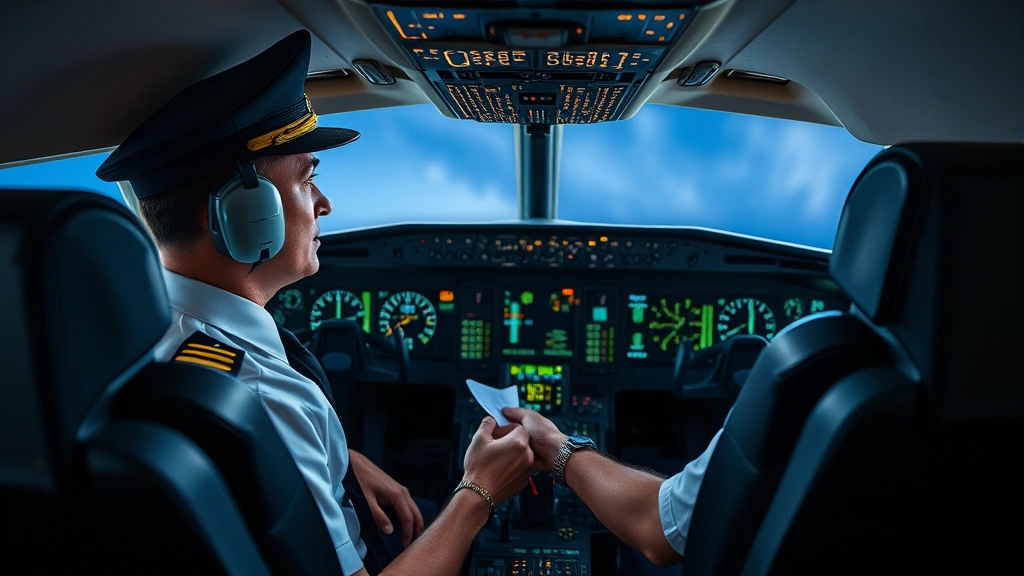
Delta pilots undergo continuous training far exceeding regulatory minimums. New pilots complete extensive ground school covering systems, procedures, and emergency scenarios. They then progress through simulator training where they practice hundreds of emergency situations in controlled environments before operating scheduled flights.
Experienced pilots participate in recurrent training annually, with simulator sessions dedicated to emergency procedures. These sessions include engine failures, hydraulic malfunctions, weather encounters, and medical emergencies. Pilots practice responses until procedures become automatic, enabling rapid decision-making during actual events.
Crew Resource Management (CRM) training emphasizes communication and coordination. Modern aviation recognizes that human factors—communication, decision-making, and teamwork—significantly impact safety outcomes. Delta pilots learn to work effectively with flight attendants, ground crews, and air traffic control.
Delta maintains detailed emergency procedure checklists for virtually every conceivable situation. When anomalies occur, pilots reference these checklists, working methodically through diagnostic steps. This structured approach prevents panic and ensures nothing gets overlooked during high-stress situations.
The captain holds ultimate authority for flight safety decisions. If a captain determines that landing is prudent, that decision is made immediately without requiring approval from corporate headquarters or dispatch. This empowerment reflects aviation’s fundamental principle: the flight crew is responsible for safety.
Understanding pilot expertise helps travelers appreciate why emergency landings are handled so professionally. These individuals represent the aviation industry’s most rigorously trained professionals.
Passenger Communication During Emergencies
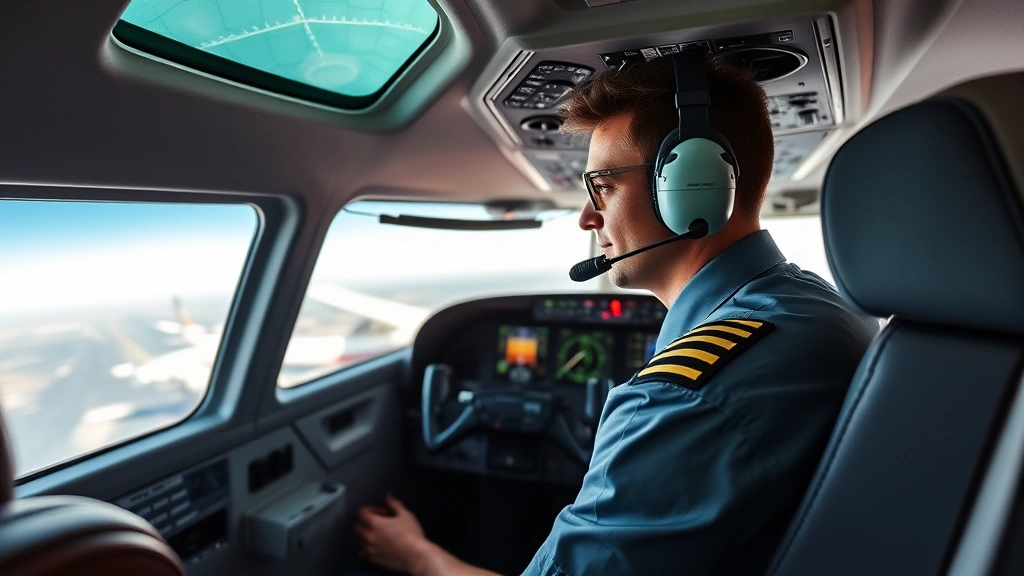
Delta maintains specific protocols for communicating with passengers during emergency situations. Flight attendants receive training on how to inform passengers appropriately—providing necessary information without causing unnecessary alarm. The goal is transparency balanced with maintaining passenger calm.
When an emergency landing becomes necessary, the captain typically addresses passengers directly, explaining the situation and expected procedures. This communication helps passengers understand that trained professionals are managing the situation methodically. Transparency reduces anxiety more effectively than silence.
Flight attendants position themselves throughout the cabin, ready to assist passengers and answer questions. They monitor passenger reactions and provide reassurance. Their calm demeanor significantly influences how passengers respond to emergency situations.
Ground coordination begins immediately when emergency procedures commence. Air traffic control receives notification and clears airspace for the aircraft’s descent. Emergency services position themselves at the designated landing airport, ready for any potential assistance needed.
Delta provides post-incident communication to affected passengers, explaining what occurred and what happens next. This communication helps passengers process the experience and understand that proper procedures prevented harm. For those booking refundable airline tickets, understanding passenger communication protocols provides additional confidence in carrier responsiveness.
What Happens After an Emergency Landing
After an emergency landing, the aircraft parks in a designated area where maintenance teams immediately begin inspections. Mechanics examine the systems that prompted the emergency procedures, diagnosing the underlying cause. This investigation determines whether the aircraft can resume service or requires repairs.
Passengers typically remain on the aircraft while initial assessments occur, though this varies depending on circumstances. If extended delays seem likely, Delta arranges transportation to the terminal where passengers can access facilities, food, and communication services.
Regulatory agencies become involved in any emergency landing investigation. The FAA reviews reports and may conduct their own investigation, particularly if the incident involves injury or significant mechanical issues. This oversight ensures carriers maintain safety standards.
Delta coordinates passenger rebooking on alternate flights to reach their destinations. The carrier typically covers expenses for meals, hotels, and communications during delays caused by emergency situations. This commitment reflects both legal responsibility and customer service standards.
The flight crew completes detailed incident reports documenting everything that occurred before and during the emergency. These reports become part of Delta’s safety database, contributing to continuous improvement. The crew may undergo debriefing to ensure they received support and to gather insights for training purposes.
Delta communicates with passengers after the incident resolves, providing information about compensation and support available. This follow-up demonstrates the carrier’s commitment to passenger welfare beyond the immediate emergency.
Passenger Rights and Compensation
Passengers affected by emergency landings have specific rights under federal aviation regulations. In the United States, carriers must provide compensation for significant delays caused by circumstances within their control. Emergency situations caused by mechanical failures may qualify for compensation depending on specific circumstances.
International flights are governed by different regulations. The Montreal Convention and European regulations (EU261) provide compensation frameworks for flight disruptions. Delta complies with all applicable regulations in jurisdictions where it operates.
Passengers experiencing emergency landings should document their experience, including times, communications, and expenses incurred. This documentation supports compensation claims. Delta typically has passenger service departments that handle claims and can guide passengers through the process.
For flights disrupted by emergency situations, Delta provides meal vouchers, accommodation, and ground transportation as needed. These services reflect both regulatory requirements and customer service standards. When booking with Delta, understanding airline key information and tips for travelers helps passengers know their rights.
Travel insurance can provide additional protection for emergency situations. Some policies cover expenses incurred due to flight disruptions, offering peace of mind beyond airline-provided services. Consider coverage when planning important trips.
Frequent flyers in airline loyalty programs may receive additional compensation through mileage credits or account gestures from Delta. These programs often include provisions for exceptional service recovery during disruptions.
FAQ
How often do Delta flights require emergency landings?
Delta operates approximately 5,000 flights daily, making emergency landings statistically rare events. The carrier averages fewer than one precautionary landing per 10,000 flights, reflecting modern aviation’s exceptional safety record. Most flights complete their journey as scheduled without incident.
Are emergency landings dangerous?
Modern emergency landing procedures are extremely safe. Aircraft are designed with multiple redundant systems ensuring they can land safely even with significant mechanical failures. Pilots train extensively for emergency scenarios. The combination of engineering redundancy and pilot training makes emergency landings low-risk events from a safety perspective.
What should I do if my flight requires an emergency landing?
Follow all flight crew instructions immediately. Remain in your seat with seatbelt fastened unless instructed otherwise. Avoid using electronic devices unless specifically permitted. Stay calm and maintain confidence in your crew’s training and expertise. The systematic procedures developed by aviation professionals will manage the situation appropriately.
Will I be compensated if my Delta flight makes an emergency landing?
Compensation depends on specific circumstances and applicable regulations. Mechanical failures may qualify for compensation under certain circumstances. Delays caused by weather or medical emergencies typically don’t qualify for compensation, though airlines still provide meal, accommodation, and transportation services. Review your ticket’s terms and applicable regulations for your specific situation.
How does Delta communicate with passengers during emergencies?
The captain addresses passengers directly, explaining the situation and expected procedures. Flight attendants provide updates and reassurance throughout the process. After landing, Delta provides information about next steps, rebooking options, and available support services. Transparency and clear communication help passengers understand that trained professionals are managing the situation.
Can I request a refund if my flight experiences an emergency?
Refund eligibility depends on circumstances and ticket terms. Mechanical failures may entitle passengers to refunds under certain regulations, while weather-related incidents typically don’t. Review Delta’s official policies or contact customer service for guidance on your specific situation. Understanding airline ticket booking strategies can help you choose flexible options when planning travel.
What causes most emergency landings?
Precautionary mechanical inspections represent the most common category, followed by medical emergencies, weather concerns, and security issues. Most emergency landings result from pilots’ proactive decision-making rather than critical failures. This preventive approach reflects modern aviation’s commitment to safety.
Are Delta aircraft more or less likely to require emergency landings?
Delta maintains safety records comparable to other major carriers and better than industry averages. The carrier’s investment in maintenance, pilot training, and safety technology contributes to this performance. Choosing between major carriers involves considering multiple factors beyond emergency landing frequency.
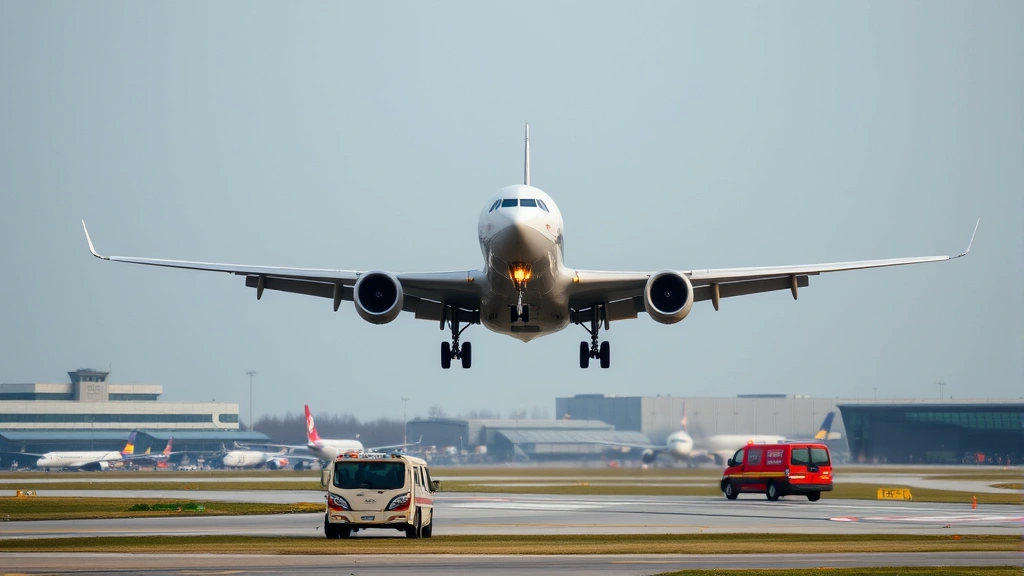
Emergency landings remain rare events in modern commercial aviation, and Delta’s comprehensive safety systems ensure they’re managed professionally when they do occur. Understanding the procedures, pilot training, and regulatory frameworks behind emergency response helps travelers appreciate aviation’s exceptional safety record. Whether you’re planning your first flight or you’re a frequent business traveler, confidence in your airline’s safety procedures enables you to focus on enjoying your journey. Delta’s commitment to passenger safety—reflected in rigorous training, advanced technology, and meticulous maintenance—ensures you’re in capable hands. Trust the process, follow crew instructions, and recognize that modern aviation professionals have prepared extensively for every contingency.


