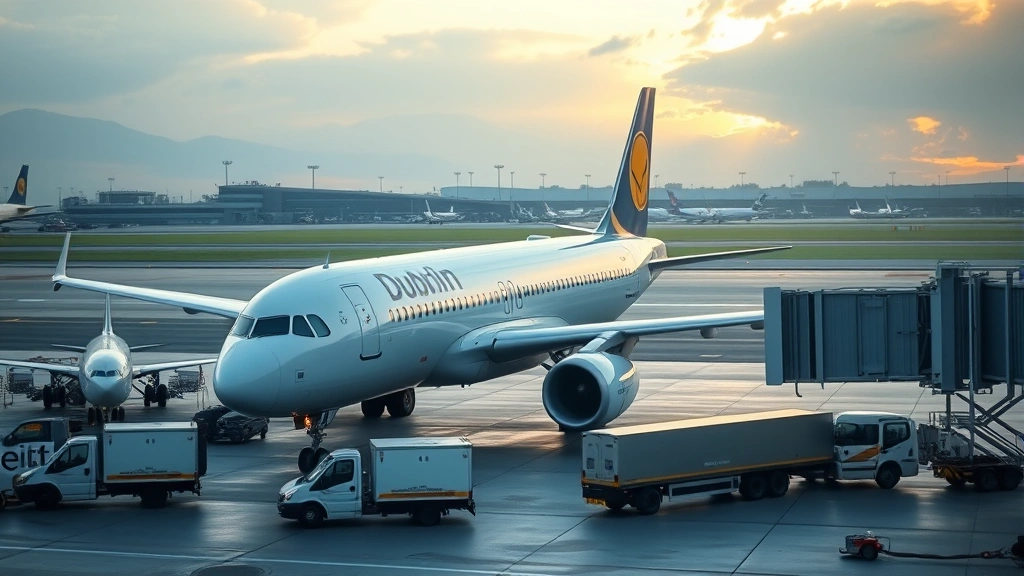
Delta Flight Emergency Landing: What We Know So Far
On a routine flight that turned into a critical situation, a Delta aircraft diverted to Cecil Airport following an in-flight emergency that captured the attention of aviation enthusiasts and concerned travelers worldwide. Emergency landings, while rare, represent some of aviation’s most dramatic moments and showcase the rigorous training protocols that keep passengers safe. Understanding what happened during this incident provides valuable insight into modern aviation safety systems and how airlines respond to unexpected challenges at altitude.
Cecil Airport, located in Jacksonville, Florida, became the focal point of emergency response operations as ground crews prepared to receive the distressed aircraft. The incident highlights the importance of having well-equipped regional airports capable of handling emergency situations and the coordination required between pilots, air traffic control, and ground personnel. For travelers who may have been affected or those simply curious about aviation safety, this comprehensive overview explains the details, response procedures, and broader implications of this emergency landing.
Understanding the Emergency Landing at Cecil Airport
The Delta flight emergency landing at Cecil Airport represented a significant aviation event that required immediate coordination between multiple agencies and departments. Cecil Airport, officially known as Cecil Field, serves as a vital aviation hub in the Jacksonville area and maintains the infrastructure necessary to handle commercial aircraft emergencies. The airport’s location, runway capabilities, and emergency response teams made it an ideal diversion point for the affected Delta flight.
Emergency landings differ from standard landings in several critical ways. While commercial pilots practice emergency procedures regularly, an actual emergency situation demands precise execution under stress. The Delta flight crew demonstrated the professionalism expected from experienced commercial aviators, communicating clearly with air traffic control and making decisions that prioritized passenger safety above all other considerations. The decision to divert to Cecil Airport rather than continue to the originally scheduled destination indicated that the flight crew identified a serious issue requiring immediate resolution on the ground.
For those interested in learning more about airline operations and safety protocols, our comprehensive guide on airlines key information and tips for travelers covers essential knowledge about how airlines maintain safety standards. Understanding these systems helps travelers feel more confident during their journeys.
Timeline of Events and Initial Reports
The sequence of events leading to the emergency landing unfolded relatively quickly, though the exact timeline depends on the specific nature of the mechanical or operational issue that prompted the diversion. Initial reports from air traffic control indicated that the flight crew had declared an emergency status, which immediately elevated the priority level of their request for landing clearance. Ground personnel at Cecil Airport were notified and began preparing emergency response protocols within minutes of the initial declaration.
Passengers aboard the flight experienced an unusual situation as the crew explained the necessity for the diversion and descent to Cecil Airport. The calm, professional demeanor of Delta flight attendants and pilots during such situations plays a crucial role in keeping passengers informed and reducing anxiety. Communication between the cockpit and cabin crew ensured that passengers understood they were in capable hands and that the decision to land immediately was a precautionary measure based on standard safety procedures.
Media outlets and aviation monitoring services quickly picked up on the emergency declaration, with flight tracking websites showing the aircraft’s diversion in real-time. This transparency, while sometimes creating sensationalized headlines, actually demonstrates the open communication that modern aviation maintains with the public. Interested readers might appreciate learning about best airlines for long flights to understand how major carriers like Delta maintain their operations and safety records across their extensive networks.
Emergency Response and Ground Operations
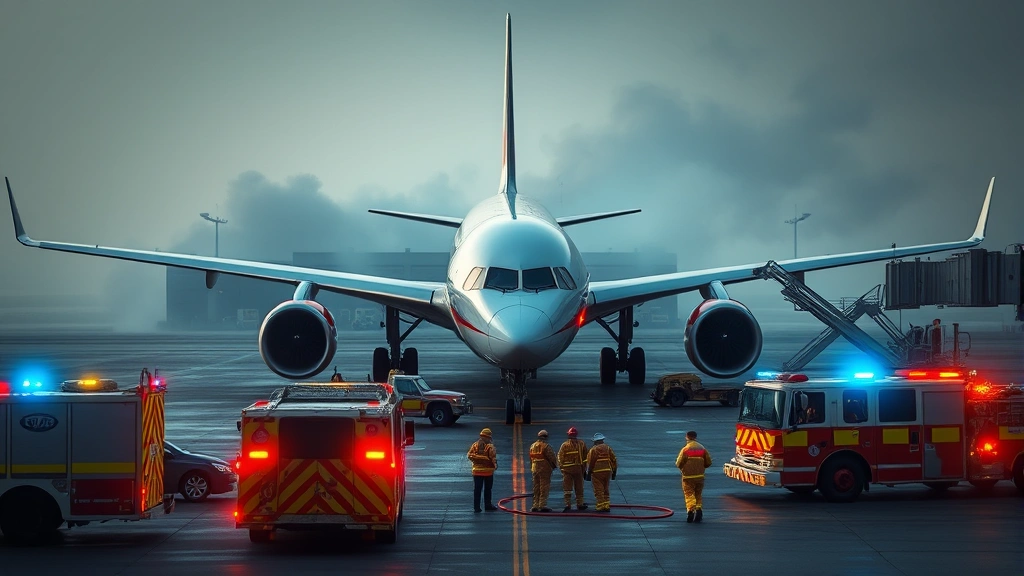
The moment the Delta flight touched down at Cecil Airport, a coordinated emergency response immediately sprang into action. Fire trucks, medical personnel, and airport security vehicles positioned themselves along the taxiway and runway to monitor the aircraft and provide immediate assistance if needed. This rapid deployment reflects years of training and preparation that every commercial airport maintains for emergency situations.
Ground crews performed visual inspections of the aircraft as it taxied to a designated holding area or gate, looking for any obvious signs of damage, smoke, or other indicators that might suggest the nature of the emergency. Maintenance teams stood by with specialized equipment to address whatever mechanical issue had prompted the diversion. The coordination between these various teams, while often invisible to passengers, represents a sophisticated system that ensures nothing is overlooked in the immediate aftermath of an emergency landing.
Airport operations at Cecil were temporarily adjusted to accommodate the emergency situation, with other flights being held or rerouted to maintain safety and allow emergency response personnel full access to the affected aircraft. This kind of operational flexibility, while occasionally causing delays for other travelers, demonstrates the aviation industry’s commitment to prioritizing safety over schedule adherence. For more information about navigating airport procedures, see our guide on how to get through airline security faster, which covers broader airport operations and procedures.
Passenger Safety and Evacuation Procedures
One of the primary concerns during any emergency landing is ensuring all passengers and crew members reach safety. Depending on the nature of the emergency and the aircraft’s condition upon landing, evacuation procedures may range from orderly deplaning using standard jetways to emergency evacuation via slides. The Delta flight crew would have been prepared for either scenario, with flight attendants positioned throughout the cabin ready to direct passengers and assist those requiring additional help.
Passenger safety protocols include ensuring that all individuals are accounted for, that those with mobility challenges receive appropriate assistance, and that any injured passengers receive immediate medical attention. The cabin crew training that all flight attendants undergo includes extensive instruction on evacuation procedures, first aid, and passenger communication during stressful situations. This training, combined with the crew’s experience, ensures that passengers receive clear instructions and support throughout the emergency response.
Passengers who experienced the emergency landing would have been provided with information about their options for continuing to their final destination, whether that involved rebooking on alternative flights, staying overnight, or other arrangements. Delta’s customer service team would have been mobilized to assist affected passengers with communications, accommodations, and compensation as appropriate. Understanding airline policies for such situations can help travelers prepare for unexpected disruptions, which is covered in our SkyVoyage Hub Blog with regular updates on travel disruptions and airline responses.
Delta Airlines Response and Communication
Delta Air Lines, as one of the major carriers in the United States, maintains sophisticated communication protocols for handling emergency situations and keeping stakeholders informed. The airline’s response to the emergency landing at Cecil Airport would have included immediate notification to corporate headquarters, customer service centers, and media relations teams. Transparency in communication during crises helps maintain public trust and demonstrates an airline’s commitment to safety.
Delta’s official statements regarding the incident would have provided factual information about the nature of the emergency, the status of passengers and crew, and the airline’s plans for resolving the situation. The airline also coordinates with federal aviation authorities and safety investigators to ensure that all relevant information is documented and analyzed. This cooperative approach to incident investigation helps identify any systemic issues and contributes to the continuous improvement of aviation safety standards across the industry.
The airline’s commitment to passenger care during disruptions reflects its operational philosophy and customer service standards. Rebooking passengers on alternative flights, providing meal vouchers, arranging hotel accommodations when necessary, and offering compensation as warranted are standard practices that major carriers like Delta have refined over decades of operations. For passengers concerned about their travel plans, understanding airline policies and options is crucial, which is why we provide detailed information about the best times to book airline tickets to save money and fly smart, including information about flexible booking options.
Aviation Safety Standards and Regulations
The emergency landing at Cecil Airport occurred within a framework of rigorous safety standards and regulatory oversight that governs all commercial aviation in the United States. The Federal Aviation Administration (FAA) establishes and enforces these standards, which include requirements for aircraft maintenance, pilot training, and emergency procedures. Every commercial aircraft operating in the United States must meet these exacting standards, and every pilot must demonstrate proficiency in emergency procedures before earning their commercial license.
Aircraft undergo regular maintenance inspections at specified intervals, with comprehensive checks performed on engines, hydraulic systems, electrical systems, and all other critical components. Pilots receive recurrent training throughout their careers, including simulator training for emergency scenarios. This combination of rigorous maintenance and continuous pilot training creates a safety system that has made commercial aviation statistically one of the safest forms of transportation available.
The investigation into any emergency landing involves the National Transportation Safety Board (NTSB), which serves as the independent investigative agency for aviation accidents and incidents in the United States. The NTSB’s thorough investigation process examines all available evidence, interviews crew members and witnesses, and analyzes maintenance records to determine the cause of the incident. These investigations often lead to recommendations that enhance safety across the industry.

What Triggers Emergency Landings
Emergency landings can be prompted by various mechanical, operational, or medical situations. Common reasons include hydraulic system failures, engine issues, electrical system problems, landing gear complications, or medical emergencies involving passengers or crew members. The severity of the situation determines whether the crew declares a formal emergency, which gives their request for landing clearance the highest priority at air traffic control facilities.
Pilots are trained to recognize symptoms of various emergency situations and to follow established procedures for each scenario. A pilot facing an engine failure, for example, would follow a specific checklist of actions designed to assess the situation, attempt corrective measures, and prepare for landing with whatever systems remain operational. This systematic approach to emergency management, combined with modern aircraft design that includes redundancy in critical systems, ensures that most emergencies can be safely managed through diversion to an appropriate airport.
The decision to declare an emergency and divert to an airport like Cecil represents sound judgment by experienced pilots who understand their aircraft’s capabilities and limitations. Declaring an emergency does not necessarily mean the aircraft is in immediate danger of crashing; rather, it signals that a situation requires immediate landing and ground support. This distinction is important for understanding why emergency landings, while dramatic, typically conclude safely.
Lessons for Travelers
The emergency landing at Cecil Airport offers several important reminders for travelers about aviation safety and what to expect during unexpected situations. First, the professionalism and training of flight crews ensures that emergency situations are handled with competence and calm, even when the situation is serious. Passengers can trust that their pilot and cabin crew have undergone extensive training and have access to checklists and procedures for virtually any scenario that might arise.
Second, the existence of well-equipped regional airports like Cecil demonstrates that the aviation system includes redundancy and backup options. An aircraft in distress does not need to reach its original destination; it can safely divert to the nearest suitable airport. This flexibility in routing ensures that emergencies can be resolved quickly without passengers remaining airborne any longer than necessary.
Third, understanding airline airline luggage size restrictions and what you need to know about airline policies helps travelers prepare for unexpected disruptions. Knowing your rights regarding rebooking, compensation, and support services can help you navigate situations like emergency landings or other travel disruptions more effectively. Familiarizing yourself with airline policies before you travel empowers you to advocate for yourself if disruptions occur.
Finally, the emergency landing reminds us that aviation remains one of the safest forms of transportation, with multiple layers of safety systems, regulatory oversight, and professional training working together to protect passengers. While emergencies do occasionally occur, the response systems in place ensure that they are managed effectively and that passengers reach safety.
FAQ
What is Cecil Airport and why was it chosen for the emergency landing?
Cecil Airport, located in Jacksonville, Florida, is a well-equipped regional airport with the infrastructure and emergency response capabilities necessary to handle commercial aircraft emergencies. The airport was chosen because it was within a reasonable distance from the aircraft’s position and offered the facilities needed to address the emergency situation safely.
How often do emergency landings occur in commercial aviation?
Emergency landings are relatively rare in commercial aviation, occurring only when serious mechanical, operational, or medical situations make continued flight inadvisable. Modern aircraft design, rigorous maintenance standards, and pilot training have made such emergencies uncommon, though they remain an important part of aviation safety planning.
Are passengers in danger during an emergency landing?
While emergency landings are serious situations that require immediate action, trained pilots and crew members have extensive protocols to manage them safely. Most emergency landings conclude without injury to passengers or crew, as the decision to land immediately is made precisely to prevent situations from becoming dangerous.
What happens to passengers after an emergency landing?
After an emergency landing, passengers are typically deplaned safely and provided with information about their options for continuing to their destination. Airlines like Delta provide rebooking on alternative flights, accommodations if necessary, and support services to help passengers complete their journeys or arrange alternative plans.
How does the FAA investigate emergency landings?
The FAA, along with the independent National Transportation Safety Board, investigates serious aviation incidents. Investigators examine the aircraft, review maintenance records, interview crew members, and analyze all available data to determine the cause of the emergency and identify any systemic issues that should be addressed.
Can I request a refund if my flight has an emergency landing?
Refund policies vary depending on the airline and the specific circumstances. Most airlines will rebook passengers on alternative flights, but cash refunds are typically only offered if the passenger chooses not to continue travel. Check your airline’s specific policy or contact their customer service for details about your situation.