The Viral Delta Flight Girl Singing Moana: A Heartwarming Moment That Captured the Internet
In an era where air travel often feels mundane and stressful, a spontaneous moment of pure joy aboard a Delta flight has reminded millions why human connection matters. A young girl’s impromptu performance of “How Far I’ll Go” from Disney’s Moana went viral across social media, creating a touching reminder that sometimes the most memorable travel experiences happen at 35,000 feet. This heartwarming incident has become emblematic of the unexpected kindnesses and genuine moments that can transform a routine flight into something truly special.
The viral video captured a child singing with uninhibited enthusiasm while passengers around her listened with visible delight. What started as a simple moment of childhood joy became a global conversation about human kindness, the power of music, and why we should celebrate spontaneous acts of happiness during travel. For many travelers who experience flight-related stress and anxiety, this moment served as an uplifting reminder of the positive experiences possible when we embrace community in confined spaces.
The Viral Moment Explained
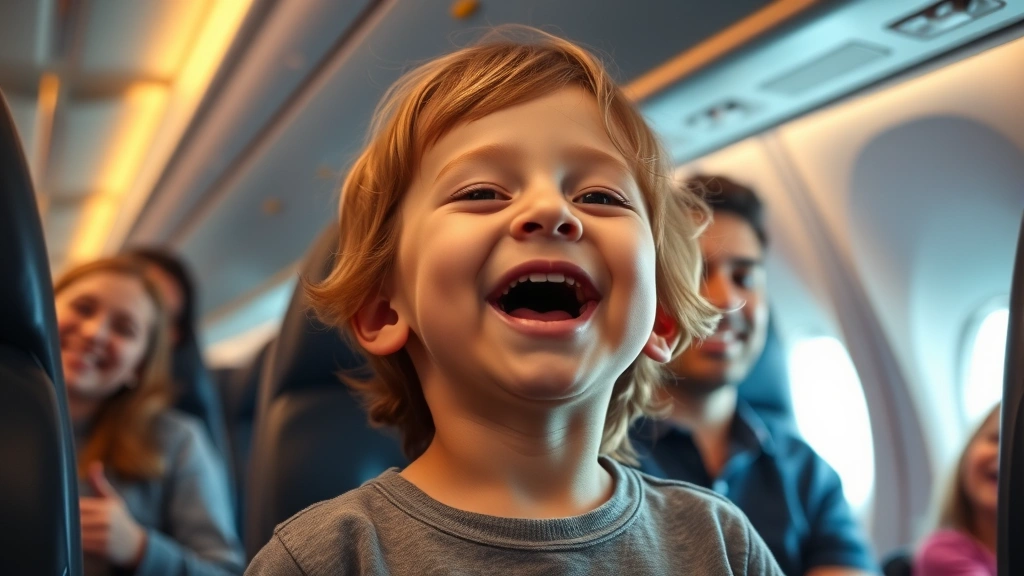
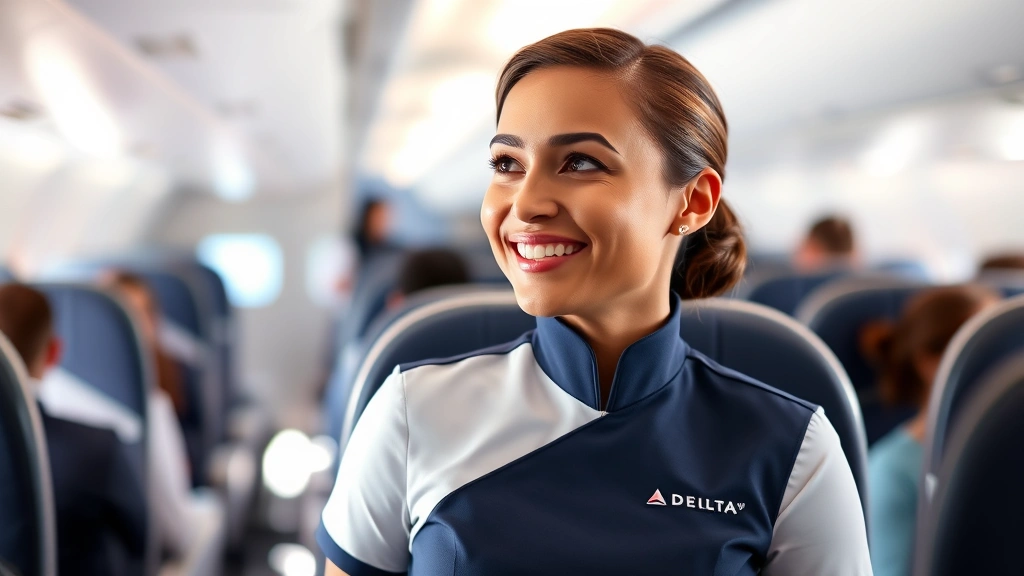
The incident occurred aboard a Delta flight, where a young passenger, presumably traveling with family, began singing “How Far I’ll Go” from Disney’s animated film Moana. Rather than discouraging the child or expressing annoyance, fellow passengers and crew members embraced the moment. The performance was captured on video and shared across multiple social media platforms, quickly accumulating millions of views and shares.
What made this particular moment stand out among countless in-flight incidents was its authenticity. The girl wasn’t performing for attention or as part of an organized event—she was simply expressing joy through song. Her voice, filled with childhood innocence and genuine enthusiasm, resonated with viewers worldwide. The song choice itself, a Disney anthem about finding one’s way and following dreams, added layers of meaning that audiences found deeply moving.
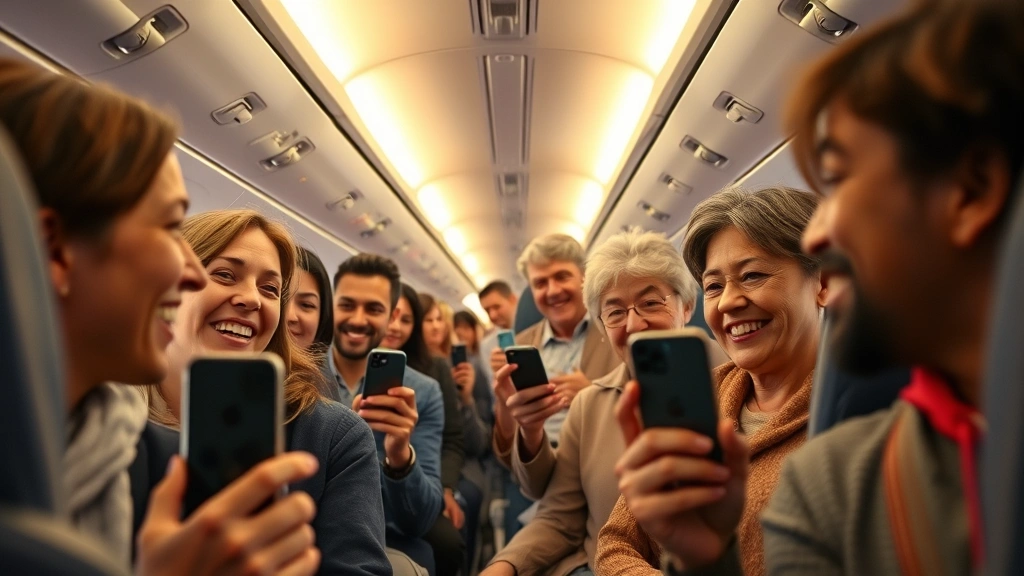
The video showed passengers smiling, some recording the moment, and crew members allowing the performance to continue uninterrupted. This acceptance and encouragement from strangers created the perfect environment for a genuine human moment to flourish. Unlike many viral videos that rely on shock value or negativity, this one celebrated positivity and community spirit during air travel.
When compared to other notable Delta flight incidents, this moment stands apart as a beacon of human goodness rather than a crisis or conflict. It demonstrated that not all viral airline moments need to be about problems or controversies—sometimes they’re simply about people being kind to one another.
Why This Performance Resonated Globally
The universal appeal of this moment transcends cultural and geographical boundaries. Several factors contributed to its viral success and emotional impact. First, the song itself is globally recognized. Disney’s Moana has reached audiences worldwide, making the musical choice immediately familiar to millions. The film’s themes about courage, self-discovery, and determination resonate across age groups and demographics.
Second, the performance embodied innocence in a world that often feels cynical. In an age of carefully curated social media content and manufactured viral moments, this spontaneous display of pure childhood joy felt refreshingly authentic. People craved this type of genuine, unfiltered human connection, making the video deeply shareable.
Third, the moment represented a counternarrative to the often-negative portrayal of air travel. Media coverage frequently highlights flight delays, passenger conflicts, and safety concerns. This video offered a different story—one where travelers coexist peacefully and celebrate each other’s happiness. For those planning future trips, seeing such positive airline experiences reinforces the joy of traveling.
The performance also touched on parental aspirations and childhood wonder. Parents watching recognized the moment as something they’d want their own children to experience. The lack of judgment from other passengers represented an ideal we all hope for—a community that supports rather than criticizes.
Delta’s Response and Passenger Reactions
Delta Air Lines, as an organization, has generally embraced positive viral moments featuring their flights. The airline’s response to this incident reflected their understanding of modern brand management and customer relations. Rather than viewing the performance as a disruption, Delta recognized it as an opportunity to showcase their passenger-friendly culture.
Crew members aboard the flight handled the situation with grace and professionalism. Their decision to allow the performance to continue, rather than enforcing strict quiet policies, demonstrated excellent customer service judgment. This approach has become increasingly common among major carriers who understand that reasonable flexibility enhances customer satisfaction and creates memorable experiences.
Passenger reactions captured in the video ranged from smiles and quiet appreciation to active encouragement. Some passengers recorded the moment, recognizing its special nature in real-time. Others simply sat back and enjoyed the unexpected entertainment, treating it as a gift during their flight. This collective acceptance created a positive cabin atmosphere that extended beyond the performance itself.
Social media commenters overwhelmingly praised both the child and the surrounding community. Comments highlighted the wholesomeness of the moment and expressed wishes for more such positive interactions during travel. Parents specifically noted how this example inspired them to encourage their own children’s creative expression while flying.
The incident also drew attention to other Delta flight stories, as media outlets and travel bloggers used the viral moment as a springboard to discuss airline culture more broadly.
The Psychology Behind In-Flight Entertainment
This moment offers fascinating insights into passenger psychology and the nature of entertainment at altitude. Commercial air travel presents a unique psychological environment. Passengers are confined in a relatively small space, separated from their normal routines, and often experiencing some level of travel anxiety or fatigue.
Unexpected entertainment—whether positive music, friendly interactions, or spontaneous performances—can significantly impact passenger mood and flight satisfaction. Airlines have long understood this, which is why they invest in in-flight entertainment systems, quality cabin service, and crew training focused on customer experience.
The girl’s performance provided what psychologists call “positive affect transfer.” Her genuine happiness and enthusiasm were contagious, spreading positive emotions throughout the cabin. Passengers who might have been stressed about connections, work deadlines, or travel anxieties found themselves smiling and engaged with the moment. This emotional shift can have lasting effects on how travelers remember their journey.
Additionally, the performance created a sense of shared community among strangers. Air travel can feel isolating—you’re surrounded by people you don’t know, separated from your support system, and confined to a small space. Moments of genuine human connection, like this performance, temporarily dissolve those barriers and create a sense of belonging.
For child development specialists, the moment also highlights the importance of encouraging creative expression in children. The girl felt comfortable enough to sing openly in public, suggesting supportive parenting and a healthy relationship with self-expression. This confidence and joy are qualities many parents hope to foster in their own children.
Travel Tips for Flying with Children
This viral moment offers practical lessons for families preparing for air travel. While not all children will spontaneously perform for cabin audiences, the incident highlights several strategies for positive family flying experiences.
Preparation and Entertainment: Pack multiple forms of entertainment—books, tablets with downloaded content, coloring supplies, and yes, music. Familiar songs can be comforting during flights and may naturally lead to singing or humming. Encourage your child to bring their favorite music or audiobooks.
Emotional Regulation: Help children understand and manage their emotions during travel. Long flights can be challenging for young passengers. Teaching breathing exercises, providing comfort items, and maintaining positive attitudes helps create better flight experiences for everyone.
Social Skills: Use air travel as an opportunity to teach children about sharing space respectfully with others. Encourage them to be considerate of fellow passengers while also feeling confident in themselves. This balance helps create the kind of positive cabin environment we saw in the viral video.
Timing Considerations: When booking flights for families, consider your child’s natural sleep and activity patterns. A well-rested child is more likely to have a positive flight experience.
Crew Communication: Inform flight attendants about your child’s needs and personality. Many crew members genuinely enjoy interacting with young passengers and can offer extra support or encouragement. Some airlines even provide special recognition for children flying, which can make the experience feel special.
Snacks and Hydration: Keep your child comfortable with appropriate snacks and water. A content, comfortable child is more likely to engage positively with their environment and fellow passengers.
Creating Positive Airline Experiences
The viral Moana performance serves as a blueprint for what makes airline experiences memorable and positive. Several key elements contributed to this success, and travelers can apply these principles to their own journeys.
Embrace Flexibility: Both the child’s family and the airline crew demonstrated flexibility. Rather than rigidly enforcing quiet cabin policies, they allowed for a moment of joy. While safety and comfort are paramount, reasonable flexibility in minor matters often enhances the overall experience.
Cultivate Community: Air travel doesn’t have to be isolating. Simple acts of kindness—smiling at fellow passengers, helping with luggage, acknowledging a child’s performance—create community. These small gestures cost nothing but create lasting positive memories.
Encourage Authenticity: The performance’s power came from its authenticity. Passengers responded to genuine emotion rather than polished performance. In our everyday lives, this translates to being present and real with those around us, even strangers.
Support Others’ Joy: The passengers who smiled and encouraged the child demonstrated emotional maturity. Celebrating others’ happiness, even when it’s inconvenient, creates better communities. This principle applies whether you’re at 35,000 feet or on the ground.
Recognize Crew Excellence: The flight attendants’ response was crucial to this moment’s success. Acknowledging when airline staff handle situations with grace and judgment encourages more of this behavior. Positive airline experiences often depend on crew professionalism and kindness.
Social Media Impact on Aviation Stories
This viral moment demonstrates the power of social media in shaping public perception of airlines and travel. A single video, shared by passengers or crew members, can reach millions and influence how people think about air travel and specific carriers.
For airlines, this presents both opportunities and challenges. Positive moments like this performance generate organic brand loyalty and positive sentiment. People who see the video are more likely to feel warmly toward Delta and to choose the airline for their own travel. The cost of this marketing is zero—it’s simply the natural result of good customer service and positive moments.
Conversely, negative incidents also spread rapidly. Airlines understand that their reputation depends partly on how they’re portrayed in user-generated content. This awareness encourages many carriers to train staff in customer service excellence and to create policies that promote positive passenger experiences.
The Moana performance also illustrates how storytelling has changed in the travel industry. Rather than relying solely on traditional marketing and advertising, airlines now benefit from authentic stories shared by real passengers. These narratives are more persuasive than any paid advertisement because they come from trusted sources—people like us.
For content creators and travel bloggers, this incident demonstrates the value of capturing and sharing authentic moments. The most engaging travel content isn’t always about luxury or exotic destinations—sometimes it’s about genuine human moments that remind us why we travel and interact with others.
The viral nature of this video also reflects broader social media trends. In a digital landscape often filled with negativity and conflict, audiences hunger for wholesome, uplifting content. The Moana performance satisfied that appetite perfectly, which is why it achieved such widespread sharing and positive response.
FAQ
What song did the girl sing on the Delta flight?
The girl sang “How Far I’ll Go” from Disney’s animated film Moana. This song, featuring themes of courage and self-discovery, resonated deeply with audiences worldwide and contributed significantly to the video’s viral success.
How did other passengers react to the performance?
Passengers responded very positively to the impromptu performance. Many smiled, some recorded the moment, and overall, the cabin atmosphere became one of shared joy and community. No negative reactions were captured in the viral video, suggesting genuine appreciation from fellow travelers.
Did Delta Airlines make an official statement about the incident?
While specific official statements vary, Delta generally embraces positive viral moments involving their flights. The airline recognizes that such authentic, heartwarming incidents reflect well on their company culture and customer service approach.
Is it allowed to sing on commercial flights?
While airlines prioritize a peaceful cabin environment, brief, non-disruptive performances or singing are generally permitted. Flight crews use judgment to determine what constitutes acceptable behavior. A quiet, brief performance like the Moana singing falls well within acceptable limits and actually enhances the flight experience for most passengers.
How can I encourage my child to feel confident during air travel?
Preparation, positive framing, and emotional support are key. Let your child know what to expect, bring comfort items and entertainment, teach them about respecting shared spaces, and model calm, positive behavior during your own travel. Celebrating their courage and any achievements during the flight reinforces confidence.
Why did this video become so viral compared to other airline incidents?
The video went viral because it featured authentic human joy, positive community interaction, and a universally recognized song. In a media landscape often dominated by conflict and negativity, audiences responded enthusiastically to wholesome, uplifting content that reminded them of human goodness and connection.
What airline safety guidelines should I know about?
Always follow crew member instructions, keep seatbelts fastened during turbulence, familiarize yourself with emergency procedures, and be respectful of other passengers. For detailed information, visit the Federal Aviation Administration’s traveler resources and review your specific airline’s safety guidelines before flying.
Are there other heartwarming airline stories like this one?
Yes, while this Moana performance is particularly memorable, airlines regularly experience positive moments between crew and passengers. These range from surprise reunions to crew members going above and beyond to help passengers. Social media has made sharing these stories easier, creating a growing collection of uplifting airline narratives.