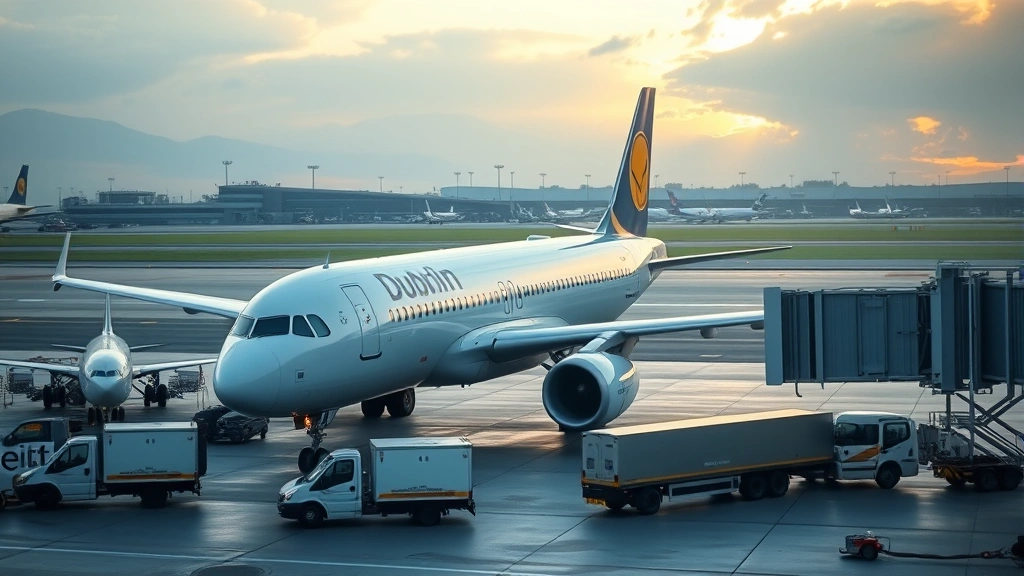
Why Delta Flight Returned to MSP? Expert Insights on Emergency Landing Procedures
On a routine flight departing from Minneapolis-St. Paul International Airport (MSP), a Delta Air Lines aircraft made an unexpected return to its origin, triggering immediate concern among passengers and aviation enthusiasts alike. This incident highlights the sophisticated safety protocols that commercial airlines maintain to protect travelers and crew members. Emergency landings, while rare in modern aviation, demonstrate the rigorous training and decision-making processes that pilots undergo throughout their careers.
Understanding why flights return to their departure airports requires insight into the complex systems that monitor aircraft health, weather conditions, and operational parameters. Delta Air Lines, as one of the best airlines for long flights, maintains some of the strictest safety standards in the industry. This article explores the technical, operational, and human factors that led to this particular incident, examining what triggers emergency decisions and how airlines manage such situations.
The return of this Delta flight to MSP wasn’t a sign of failure—it was aviation safety working exactly as designed. Every decision made by the flight crew, air traffic control, and ground personnel followed established protocols designed to prioritize passenger safety above all other considerations.

Understanding Emergency Landing Procedures
Emergency landing procedures represent one of aviation’s most critical safety mechanisms. When a Delta flight decides to return to MSP or divert to an alternate airport, the decision involves multiple layers of analysis and communication. The term “emergency landing” doesn’t necessarily indicate danger—it simply means the aircraft is returning with priority handling and emergency services standing by as a precaution.
Pilots receive extensive training in emergency procedures during their certification and ongoing professional development. The Federal Aviation Administration (FAA) requires regular recurrent training that includes emergency scenario simulations. When a Delta pilot determines that returning to the departure airport is the safest course of action, they immediately notify air traffic control and request priority handling. This triggers a coordinated response from ground personnel, emergency services, and airport operations.
The decision to return to MSP specifically, rather than diverting to an alternate airport, depends on several factors: the nature of the problem, fuel remaining, weather conditions at available airports, and distance from the departure point. Minneapolis-St. Paul International Airport, as a major hub, has excellent facilities, maintenance resources, and emergency response capabilities that make it an ideal destination for a returning aircraft.
Modern aircraft are equipped with sophisticated diagnostic systems that alert pilots and flight crews to potential issues long before they become safety concerns. These systems continuously monitor engine performance, hydraulic pressure, electrical systems, and countless other parameters. When any parameter exceeds normal operating ranges, the crew receives alerts that guide their decision-making process.
Technical Issues That Trigger Returns
Several categories of technical issues might prompt a Delta flight to return to MSP. Engine-related concerns represent one of the most common reasons for emergency returns. Modern turbofan engines have redundant systems and are incredibly reliable, but if an engine parameter exceeds limits or if an engine fails, pilots must immediately assess whether continuing to the destination is safe or whether returning is the better option.
Hydraulic system anomalies also frequently trigger returns. Aircraft rely on hydraulic systems for flight control surfaces, landing gear operation, and brake systems. If hydraulic pressure drops or contamination is detected, pilots follow strict procedures that may necessitate returning to the nearest suitable airport. The Boeing 737 and Airbus A350, aircraft commonly operated by Delta, have triple-redundant hydraulic systems, but if any system shows signs of degradation, pilots err on the side of caution.
Electrical system issues, while less common than mechanical problems, can also prompt returns. Aircraft electrical systems power navigation equipment, communication systems, and critical flight instruments. If electrical generation becomes unreliable, pilots may decide that returning to the departure airport—where they’re familiar with the approach and have maximum airport resources—is the safest option.
Pressurization problems represent another category that triggers emergency returns. The aircraft cabin must maintain appropriate pressure and temperature for passenger safety and comfort. If the pressurization system malfunctions, pilots immediately begin descent to reach breathable air altitude (typically below 10,000 feet) and may decide to return rather than continue to a distant destination.
Landing gear issues also frequently result in returns to the departure airport. If the landing gear won’t extend, shows signs of damage, or if warning systems indicate potential problems, pilots will return to MSP where emergency foam can be applied to the runway and emergency services can be positioned. This is a dramatic scenario but one where returning to the departure airport often makes sense.
When reading travel blogs and aviation updates, you’ll notice that most technical returns involve non-critical systems or precautionary measures rather than actual emergencies. Delta’s maintenance program ensures aircraft reach high reliability standards, but when minor issues are detected, the airline’s philosophy prioritizes returning to the departure airport for resolution.
Weather and Environmental Factors
Weather conditions at the departure airport, destination, and alternate airports significantly influence decisions about returning versus diverting. If a Delta flight departs MSP and encounters unexpected severe weather ahead, pilots must quickly assess options. If weather is closing in at the destination but MSP remains open with good conditions, returning may be the logical choice.
Thunderstorms represent a particular concern for flight operations. Modern aircraft can safely fly through most weather, but severe turbulence, hail, or lightning strikes—while rare—can cause damage. If a pilot encounters unexpectedly severe convective activity and MSP is closer with better conditions, returning becomes a reasonable option.
Wind conditions also influence these decisions. If a Delta flight encounters wind shear near the departure airport shortly after takeoff, the crew might decide that returning immediately is safer than continuing. Wind shear—sudden changes in wind speed or direction—can affect aircraft performance during climb, and early detection allows pilots to return while the aircraft is still relatively close to the departure point.
Icing conditions, particularly severe icing in the clouds, can prompt returns. Although modern aircraft have sophisticated de-icing and anti-icing systems, pilots follow strict icing encounter procedures. If icing conditions are more severe than forecast and the aircraft is equipped with only standard de-icing rather than enhanced systems, returning to MSP might be the prudent choice.
Volcanic ash, though rare in Minnesota airspace, represents another environmental hazard that could trigger returns. Volcanic ash damages engines and obscures visibility. Any report of ash in the flight path would cause pilots to immediately change course and likely return to the departure airport.
Delta’s Safety Protocol and Crew Response
Delta Air Lines has developed comprehensive safety protocols that guide crew decisions during unusual situations. These protocols, developed in consultation with the FAA and based on decades of operational experience, prioritize passenger safety while maintaining operational efficiency. When a Delta flight crew decides to return to MSP, they’re following established procedures that have been refined through years of training and real-world experience.
The captain bears ultimate responsibility for all decisions affecting the aircraft, crew, and passengers. Delta pilots receive training that emphasizes decision-making authority and the importance of erring on the side of safety. This culture of safety-first decision making means that pilots don’t hesitate to return to the departure airport if they have any concern about continuing.
Communication between the flight crew and maintenance control is critical in these situations. Delta maintains real-time communication with aircraft through its operations center. If a pilot reports a technical issue, maintenance specialists can provide guidance based on the specific aircraft type, previous similar occurrences, and technical data. This dialogue helps crews make informed decisions about whether to return, divert, or continue.
When a return to MSP is decided, the crew immediately notifies air traffic control, which clears airspace and prioritizes the aircraft for landing. The crew also notifies the airline’s operations center, which begins coordinating ground support: maintenance teams position themselves, ground equipment is prepared, and if necessary, emergency services are alerted to stand by.
The flight crew also manages passenger communication during this process. While regulations don’t require the captain to announce every technical detail, professional communication helps passengers understand that the return is a precautionary measure and that they’re in capable hands. Delta crews are trained to provide calm, reassuring communication that explains the situation without causing unnecessary alarm.
Understanding how to book refundable airline tickets becomes relevant for passengers on disrupted flights, as it provides options for rebooking or refunds when flights don’t operate as scheduled.
Passenger Communication and Support
When a Delta flight returns to MSP unexpectedly, passenger communication becomes a critical component of the experience. The airline must balance transparency with avoiding unnecessary panic, providing information that helps passengers understand the situation while maintaining confidence in the flight crew’s decision-making.
Delta’s customer service protocols require that passengers be informed of the reason for the return as soon as practical. Depending on the situation, this might occur during the flight, upon landing, or shortly thereafter. The airline provides clear explanation of why the return was necessary and what steps are being taken to resolve the issue.
Passengers on a disrupted flight are entitled to specific protections under aviation regulations. The Federal Aviation Administration and Department of Transportation establish rules for passenger compensation and care. Delta provides meal vouchers, hotel accommodations if an overnight stay is necessary, and rebooking on the next available flight to the destination or a refund if the passenger prefers.
The airline also provides communication about the reason for disruption. While technical details might be complex, Delta explains in passenger-friendly language what triggered the return and provides estimated timeline for resolution. This transparency helps rebuild passenger confidence and demonstrates the airline’s commitment to safety.
For passengers with tight connections or time-sensitive travel, Delta offers priority rebooking on alternative flights. The airline recognizes that disruptions create hardship and works to minimize impact by getting passengers to their destinations as quickly as possible. Some passengers may receive compensation for the disruption, depending on the circumstances and applicable regulations.
Delta’s mobile app and website provide real-time updates about flight status, rebooking options, and support resources. Passengers can access their booking information, view available flights, and request meal vouchers or hotel accommodations directly through these platforms, reducing the need to wait in customer service lines.
Recovery and Rescheduling Process
Once a Delta flight returns to MSP, the recovery process begins immediately. The airline’s maintenance teams conduct a thorough inspection of the aircraft to identify and resolve the issue that triggered the return. Depending on the problem’s complexity, this might take several hours or require overnight work.
Delta maintains redundancy in its flight operations to minimize disruption from single-aircraft issues. If the aircraft can be repaired quickly, it may be returned to service on the original flight or another scheduled flight. If repair requires more time, the airline assigns a substitute aircraft to the flight or combines passengers from the delayed flight with other scheduled flights.
Passengers are rebooked according to Delta’s policies, which prioritize getting them to their destination on the next available flight. The airline considers factors like time of departure, routing, and passenger preferences when making rebooking decisions. Passengers with elite frequent flyer status or premium cabin bookings typically receive priority rebooking on the most convenient flights.
For passengers choosing not to continue, Delta provides refunds. The airline doesn’t typically charge change fees for disruptions caused by technical issues or airline operations, recognizing that these situations are beyond passenger control. Passengers retain all miles earned on the original flight and can apply them toward future travel.
The maintenance investigation that follows a return to MSP contributes valuable data to Delta’s ongoing safety programs. The airline analyzes what triggered the return, whether the decision was appropriate, and whether any procedural changes might prevent similar situations. This continuous improvement mindset ensures that each incident contributes to enhanced safety and operational reliability.
Learning about essential tips for long haul flights helps passengers understand how disruptions fit into the broader context of modern air travel and what to expect during flight operations.
Understanding the best times to book airline tickets also provides context for how flight scheduling and operational planning work, which relates to how airlines manage disruptions and recovery operations.
For context on broader flight operations, exploring information about Dallas to Chicago flights demonstrates how airlines operate across different route networks and manage complex scheduling challenges that become even more complicated when disruptions occur.
FAQ
What does it mean when a flight makes an emergency landing?
An emergency landing means the aircraft is returning with priority handling and emergency services standing by as a precaution. The term doesn’t necessarily indicate danger—it’s a precautionary measure. The aircraft lands normally, but receives priority clearance and has emergency responders positioned in case they’re needed. Most emergency landings are handled without incident, and passengers typically leave the aircraft normally through the jet bridge.
Why would a pilot choose to return to the departure airport instead of diverting?
Pilots consider multiple factors: distance remaining, fuel status, weather at available airports, nature of the problem, and airport capabilities. Returning to the departure airport often makes sense because the crew is familiar with the approach, the airport has full maintenance facilities, and emergency resources are positioned. For flights departing MSP, returning is often the optimal choice if the issue is identified early.
How often do Delta flights return to their departure airport?
Returns to departure airports are relatively uncommon in modern aviation. Delta operates thousands of flights daily, and the vast majority depart and arrive as scheduled. When returns do occur, they’re typically precautionary measures addressing minor technical issues or weather concerns rather than actual emergencies. The rarity of returns reflects the exceptional reliability of modern aircraft and the effectiveness of safety protocols.
What happens to passengers when a flight returns unexpectedly?
Passengers are rebooked on the next available flight to their destination or offered refunds. Delta provides meal vouchers and hotel accommodations if necessary. The airline doesn’t charge change fees for disruptions caused by technical issues or airline operations. Passengers retain frequent flyer miles earned on the original flight and can use them toward future travel.
Are emergency returns safe for passengers?
Yes, emergency returns are safe. The decision to return is made specifically to enhance safety by addressing a concern in a controlled manner. Aircraft are designed with multiple redundant systems, and pilots are extensively trained in emergency procedures. The fact that a crew chooses to return demonstrates confidence in the aircraft’s ability to land safely and the crew’s ability to manage the situation.
How long does it take to repair an aircraft after an emergency return?
Repair time varies depending on the issue. Minor problems might be resolved in an hour or two, while more complex issues could require several hours or overnight work. Delta’s maintenance teams work efficiently to diagnose and repair problems, but safety always takes precedence over schedule. Passengers are informed of estimated timelines and provided with support services while repairs are underway.