Delta Flight Returns: Engine Safety Protocols and What Travelers Need to Know
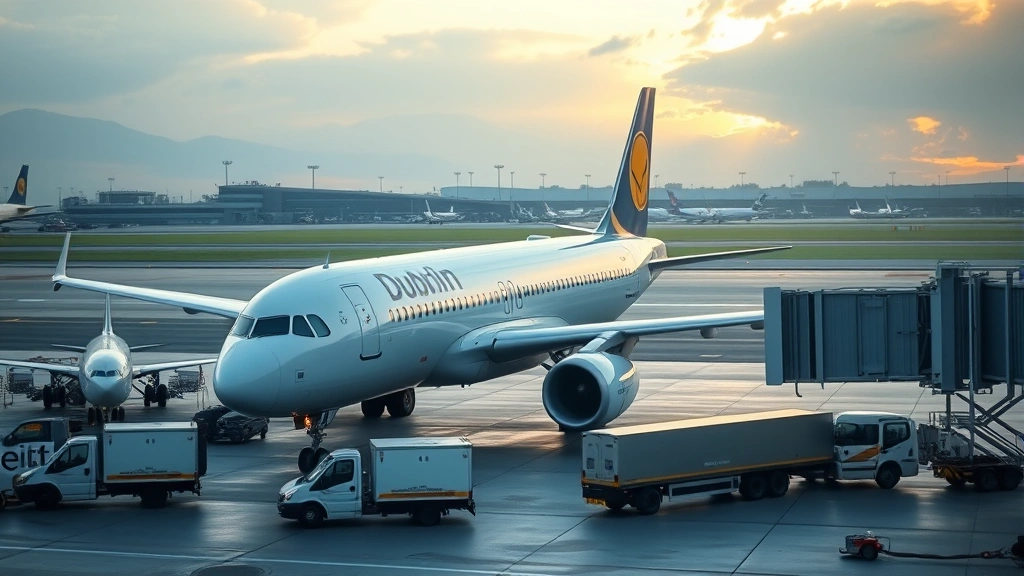
When a Delta flight recently returned to Atlanta due to an engine issue, it highlighted the rigorous safety systems that protect millions of passengers annually. Modern aviation operates under some of the most stringent safety protocols in transportation history, and engine monitoring represents one of the most critical components of aircraft maintenance and in-flight safety. Understanding how airlines like Delta respond to mechanical concerns can help travelers feel more confident about air travel safety and the procedures that keep commercial aviation among the safest forms of transportation available.
Engine issues, while rare, trigger immediate and well-established procedures that aviation professionals have refined over decades. When pilots detect any anomaly during flight, they follow comprehensive checklists developed by manufacturers and regulatory bodies. The recent Delta flight incident serves as a perfect case study for examining how modern safety protocols work in real-world situations, from initial detection through ground-based diagnostics and passenger communication. This article explores the intricate systems, regulatory frameworks, and operational procedures that ensure engine safety across the aviation industry.

Understanding Modern Engine Monitoring Systems
Contemporary commercial aircraft are equipped with sophisticated engine monitoring systems that continuously track dozens of parameters in real-time. These systems measure engine temperature, pressure, vibration, fuel flow, and numerous other variables that indicate engine health and performance. Modern engines generate terabytes of diagnostic data during flight, which pilots and maintenance teams use to identify potential issues before they become serious problems.
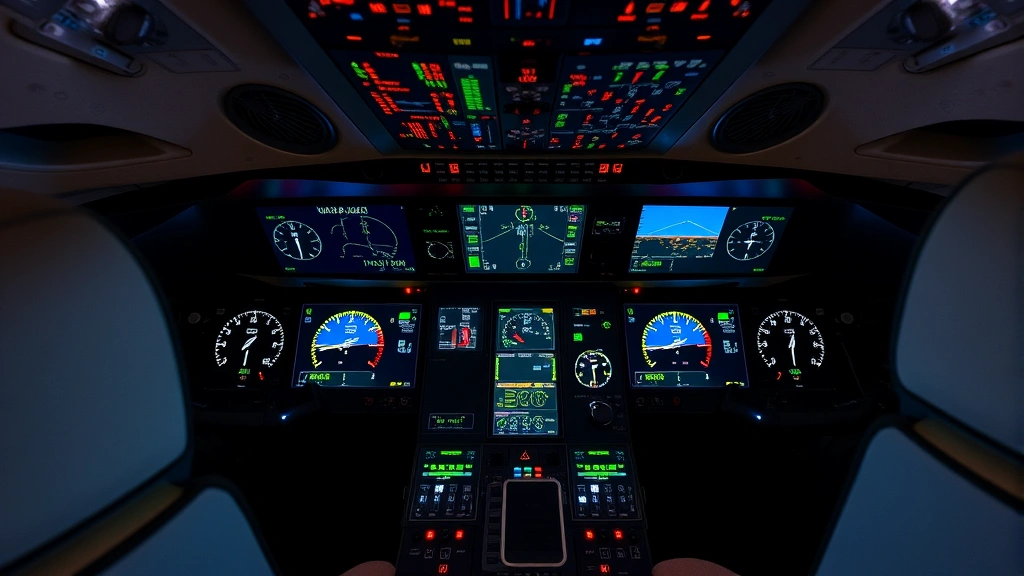
The Engine Indication and Crew Alerting System (EICAS) displays critical engine parameters on flight deck screens, allowing pilots to monitor engine performance throughout every phase of flight. When any parameter exceeds normal operating limits, the system immediately alerts the flight crew with visual and audible warnings. This early warning capability means that pilots can respond to developing issues long before they pose safety risks to the aircraft or passengers.
Delta’s fleet, which includes Boeing 767s, 777s, 787s, and Airbus A350s among other aircraft, benefits from the latest engine technology from manufacturers like General Electric, Rolls-Royce, and Pratt & Whitney. These manufacturers continuously upgrade engine designs and monitoring systems based on operational data collected from thousands of aircraft worldwide. When the Delta flight experienced engine concerns, these monitoring systems likely provided the crew with precise diagnostic information that guided their decision to return safely to Atlanta.
Delta’s Safety Response Protocols
Delta Air Lines, as a major U.S. carrier, maintains some of the aviation industry’s most comprehensive safety protocols. When pilots detect engine issues, Delta’s procedures follow the Aircraft Flight Manual (AFM) provided by the aircraft manufacturer, which contains detailed guidance for every conceivable emergency scenario. The AFM for each aircraft type specifies exactly how pilots should respond to engine problems, including whether to continue flight, reduce power, or return to the nearest suitable airport.
The decision to return to Atlanta rather than continue to the intended destination reflects the conservative approach that modern aviation prioritizes. When uncertainty exists about engine performance, the safest course of action is to land at the nearest airport with full maintenance capabilities. Atlanta, home to Delta’s largest hub at Hartsfield-Jackson Atlanta International Airport, offers extensive maintenance facilities and emergency response infrastructure that can address any aircraft issue.
Delta’s dispatch system, staffed by experienced professionals, coordinates with flight crews to evaluate options when problems arise. Dispatchers have access to weather information, airport conditions, fuel calculations, and maintenance capabilities at potential diversion airports. They work collaboratively with pilots to determine the best course of action. In this case, returning to Atlanta allowed the aircraft to land safely while minimizing disruption to the airline’s operations and passenger connections.
The airline’s commitment to safety means that crews receive extensive training in abnormal procedures. Pilots at Delta undergo regular simulator training where they practice responses to engine failures, fires, and other emergencies in controlled environments. This training ensures that when real incidents occur, pilots respond with practiced precision rather than improvisation.
Pilot Training and Emergency Procedures
Commercial airline pilots undergo some of the most rigorous training in any profession. Before captains and first officers ever fly scheduled passenger flights, they complete extensive classroom instruction, simulator training, and supervised flight experience. This training includes detailed study of engine systems, failure modes, and appropriate responses to various engine emergencies.
Recurrent training occurs regularly throughout a pilot’s career. At least annually, and often more frequently, pilots return to approved training facilities where they practice emergency procedures in full-motion flight simulators. These simulators can replicate engine failures, fires, and other abnormalities with remarkable fidelity. Pilots practice not only the technical procedures but also the decision-making processes required to manage complex situations.
When the Delta flight crew detected engine issues, they likely followed a well-practiced routine: first, they identified the specific problem through EICAS displays and engine parameter analysis. Next, they consulted the Aircraft Flight Manual to determine appropriate responses. Then, they communicated with dispatch to evaluate options and make a coordinated decision about how to proceed. Finally, they executed the chosen course of action with precision honed through years of training and experience.
The communication and coordination between pilots, dispatch, and air traffic control during such situations exemplifies the professionalism that characterizes modern commercial aviation. Rather than operating in isolation, each party contributes expertise and information to ensure the safest possible outcome.
For travelers concerned about safety, understanding that your pilots have undergone this extensive training should provide reassurance. When you fly with airlines known for prioritizing safety, you’re benefiting from crews trained to handle virtually any scenario that might arise.
Regulatory Oversight and Compliance
The Federal Aviation Administration (FAA), along with international aviation authorities, establishes and enforces strict regulations governing aircraft maintenance, pilot training, and operational procedures. The FAA website provides comprehensive information about aviation safety standards and regulatory frameworks that apply to all U.S. carriers like Delta.
Airlines must comply with Airworthiness Directives issued by the FAA and other regulatory bodies. These directives mandate specific inspections, modifications, or replacements when safety concerns are identified. Engine manufacturers work closely with regulators to identify potential issues and develop solutions before problems occur in service.
Maintenance programs for aircraft engines are highly detailed and mandatory. Delta must perform scheduled maintenance at specific intervals based on flight hours, calendar time, or cycles, whichever occurs first. These maintenance programs include inspections, component replacements, and performance testing that keeps engines operating safely and reliably.
The International Civil Aviation Organization (ICAO) establishes international standards that most countries adopt, ensuring consistent safety practices worldwide. When you fly internationally with Delta or other carriers, you’re protected by these globally recognized safety standards and oversight mechanisms.
For more information about aviation safety regulations and standards, the ICAO official website provides authoritative resources about international aviation safety.
Passenger Communication During Incidents
When flights experience mechanical issues requiring returns or diversions, effective passenger communication becomes crucial. Delta’s crew members are trained to provide accurate, timely information to passengers about what’s happening and why. Clear communication reduces passenger anxiety and helps people understand that the situation is being managed professionally.
Flight attendants receive training in passenger management during unusual situations. They’re instructed to remain calm and professional, provide factual information when available, and reassure passengers that safety is the airline’s top priority. Modern aircraft are designed with significant redundancy, meaning that single-engine failures or other mechanical issues don’t prevent safe flight and landing.
When the Delta flight returned to Atlanta, passengers received updates about the reason for the return, expected landing time, and next steps. While unexpected returns inconvenience travelers, they also demonstrate that safety systems work as intended. The crew detected an issue and took appropriate action to ensure everyone’s safety, which is exactly how the system should function.
Passengers who experience such incidents often wonder about their rights and options. Delta typically provides rebooking on alternative flights, meal vouchers, and hotel accommodations if overnight stays are necessary. Understanding airline policies and passenger rights can help travelers navigate these situations more effectively.
For travelers who feel anxious about mechanical issues, remember that the occurrence of such incidents is exceptionally rare, and when they do occur, multiple safety systems ensure safe outcomes. Modern commercial aviation has achieved an extraordinary safety record precisely because of the rigorous protocols, training, and oversight that characterize the industry.
Post-Flight Maintenance and Inspections
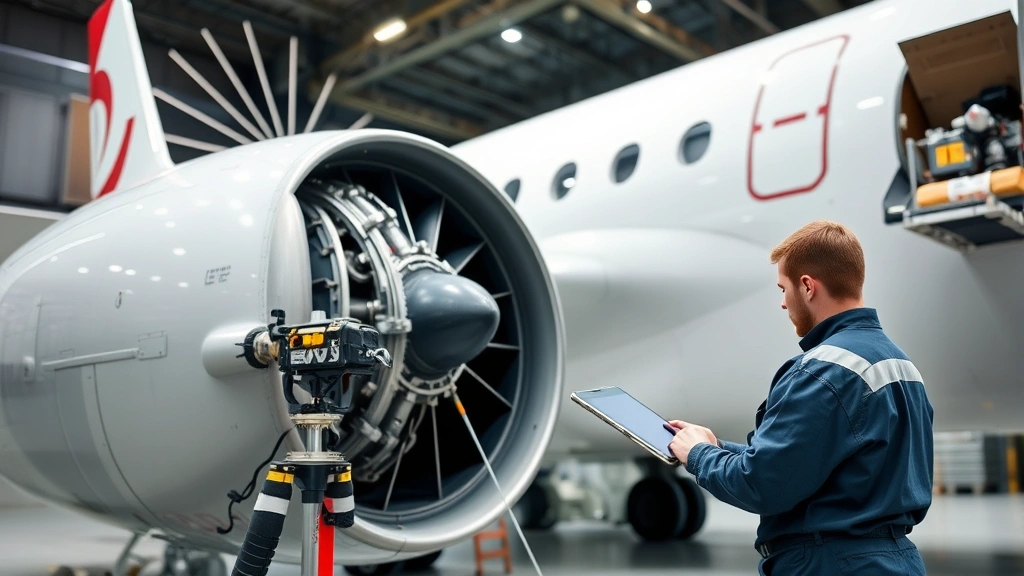
After the Delta flight returned to Atlanta, the aircraft underwent thorough inspections before returning to service. Maintenance technicians examined the engine that triggered the alert, running diagnostics to identify the specific cause of the issue. This might involve removing engine cowlings to visually inspect components, downloading and analyzing engine data from the aircraft’s onboard computers, or performing functional tests of various engine systems.
Depending on what the inspection revealed, technicians might replace components, adjust engine parameters, repair wiring or sensors, or perform other corrective actions. The aircraft remains grounded until maintenance personnel are completely satisfied that the issue has been resolved and the engine operates safely and reliably.
Engine manufacturers like General Electric and Rolls-Royce maintain technical support teams available to assist airlines when unusual issues arise. These specialists can analyze engine data and provide guidance on appropriate corrective actions. Their expertise, combined with Delta’s maintenance expertise, ensures that problems are properly diagnosed and resolved.
Once maintenance is complete, the aircraft typically undergoes a functional test flight or a series of ground tests to verify that the engine operates normally before returning to scheduled service. This conservative approach means that passengers flying the aircraft after such incidents can be confident that the problem has been thoroughly investigated and resolved.
Industry Standards and Best Practices
The commercial aviation industry continuously evolves its safety practices based on operational experience, accident investigations, and technological advances. Organizations like the National Transportation Safety Board (NTSB) investigate aircraft accidents and incidents, publishing findings and safety recommendations that drive industry improvements.
When the Delta flight returned due to engine concerns, it contributed to the vast database of operational data that helps the industry identify trends and prevent future problems. Airlines, manufacturers, and regulatory agencies analyze this data collectively to identify potential safety issues before they cause accidents.
Modern aircraft benefit from decades of operational experience and continuous refinement of designs and procedures. The engines powering today’s commercial aircraft are far more reliable than those from previous generations, with failure rates measured in the millions of flight hours per incident. This remarkable safety record results from the systematic approach to safety that characterizes modern aviation.
Travelers can feel confident when flying with major carriers like Delta because they operate within this comprehensive safety framework. From pilot training through aircraft maintenance to regulatory oversight, multiple layers of protection ensure that commercial aviation remains one of the safest forms of transportation available. Understanding these systems provides reassurance that when safety procedures are followed, passengers are well protected.
If you’re planning air travel and want to maximize your safety and comfort, consider reviewing comprehensive guides for long-haul flights and learning how to navigate airport procedures efficiently. These resources help you understand the entire travel experience and make informed decisions about your flights.
For current information about aviation safety and incident reporting, visit the NTSB official website, which provides detailed information about aviation safety investigations and recommendations.
FAQ
How often do commercial aircraft experience engine issues?
Engine issues are exceptionally rare in modern commercial aviation. Modern engines are engineered with extensive redundancy and monitoring systems that detect problems early. Most flights complete their entire service lives without experiencing engine failures. When issues do occur, they’re typically detected by monitoring systems and addressed during scheduled maintenance before they affect flight safety.
Is it safe to fly if an aircraft has experienced a recent engine issue?
Yes, absolutely. Aircraft that have experienced issues undergo thorough inspections and maintenance before returning to service. Maintenance technicians don’t clear aircraft for flight until they’re completely confident that the problem has been resolved. In fact, detecting and addressing issues during ground inspections is exactly how the safety system works to prevent in-flight problems.
What should I do if I’m booked on a flight that experiences mechanical issues?
Follow crew member instructions and remain calm. Modern aircraft are designed with redundancy, meaning that single mechanical issues don’t prevent safe flight and landing. Airlines will communicate information about what’s happening and next steps. If your flight is delayed or diverted, the airline is required to provide rebooking, meals, and accommodations as needed under DOT regulations.
How do pilots know when there’s an engine problem?
Aircraft are equipped with sophisticated monitoring systems that continuously track engine parameters and alert pilots when anything falls outside normal operating ranges. These systems provide pilots with precise diagnostic information that helps them understand what’s happening and determine appropriate responses. Pilots also receive training to recognize engine problems through instrument readings and aircraft performance characteristics.
What’s the difference between an engine failure and an engine problem?
An engine failure means the engine stops producing thrust. An engine problem or malfunction means something isn’t operating normally but the engine still produces power. Most situations, like the Delta flight incident, involve problems that are detected and managed before they develop into failures. Modern aircraft can safely fly and land on a single engine if necessary, providing multiple layers of safety.
How long does it take to repair an aircraft engine after an issue?
Repair time varies greatly depending on what the inspection reveals. Simple fixes like sensor replacements might take hours. More complex issues could require component replacements that take days or longer. Airlines prioritize safety over schedule, so aircraft remain grounded until repairs are complete and verified.
Can I request a specific aircraft for my flight?
Most airlines don’t allow passenger selection of specific aircraft, but you can check aircraft types when booking. If you’re concerned about a specific aircraft due to recent incidents, contact the airline directly. However, remember that all aircraft operating commercially have passed rigorous safety inspections and certifications.