Why Are Delta Flights Grounded? Expert Insights on Operational Disruptions
Delta Air Lines occasionally experiences operational disruptions that result in grounded flights, affecting thousands of passengers worldwide. When flights are grounded at major hubs like Detroit Metro Airport, the ripple effects extend across the entire network. Understanding the reasons behind these groundings helps travelers prepare for potential delays and make informed decisions about their bookings.
Flight groundings represent one of the most significant challenges in modern aviation. Whether due to technical issues, weather conditions, or system failures, these events disrupt travel plans and require transparent communication from airlines. Delta, as one of the world’s largest carriers, maintains strict safety protocols that sometimes necessitate temporarily halting operations to ensure passenger security and aircraft integrity.
This comprehensive guide explores the various factors that lead to Delta flight groundings, with particular focus on disruptions at Detroit Metro Airport. We’ll examine what causes these incidents, how they affect passengers, and what you can do if your flight is grounded.
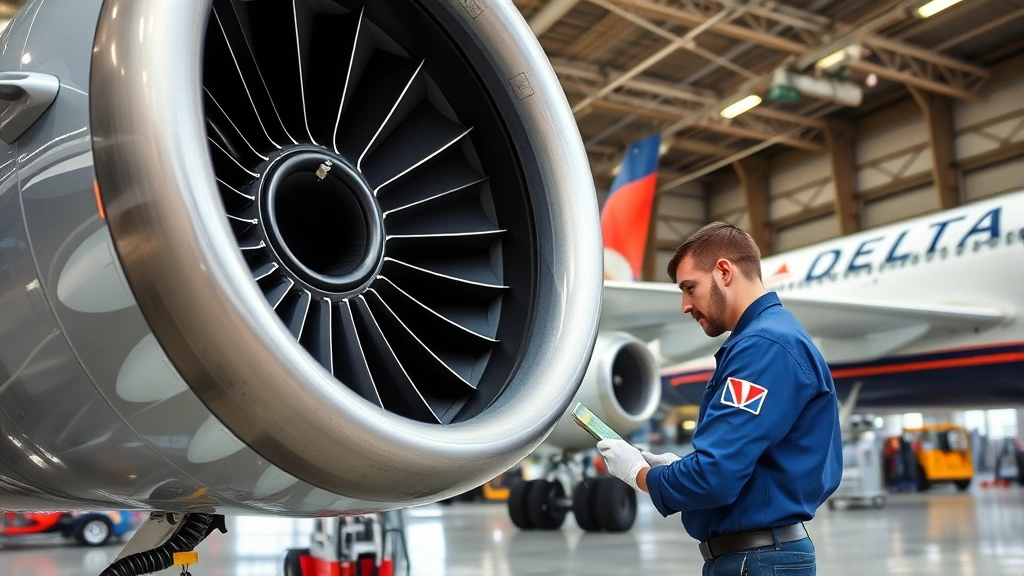
Common Reasons for Flight Groundings
Flight groundings occur for multiple interconnected reasons, and understanding these factors helps passengers contextualize delays. Delta grounds flights primarily to maintain safety standards, comply with regulatory requirements, and address operational challenges that could compromise service quality.
Safety concerns represent the most critical reason for groundings. The Federal Aviation Administration (FAA) enforces strict regulations requiring aircraft to undergo specific maintenance checks and inspections before operation. When maintenance teams discover issues during pre-flight inspections, Delta must ground the affected aircraft until repairs are completed.
Operational challenges also trigger groundings. When aircraft maintenance issues arise, mechanics need time to diagnose and repair problems. This process cannot be rushed, as aviation safety depends on thorough inspections and proper repairs. A single unresolved technical issue could jeopardize hundreds of lives.
Staffing shortages represent another significant factor. When Delta experiences pilot or crew unavailability, the airline grounds flights rather than operating with insufficient personnel. This ensures that every flight has properly rested crew members who meet federal duty-time requirements.
Detroit Metro Airport Operations
Detroit Metro Airport serves as a critical hub for Delta operations in the Midwest region. This major airport handles hundreds of daily flights, making it susceptible to widespread disruptions when operational issues arise. Understanding Detroit’s role in Delta’s network helps explain why groundings there have outsized impacts.
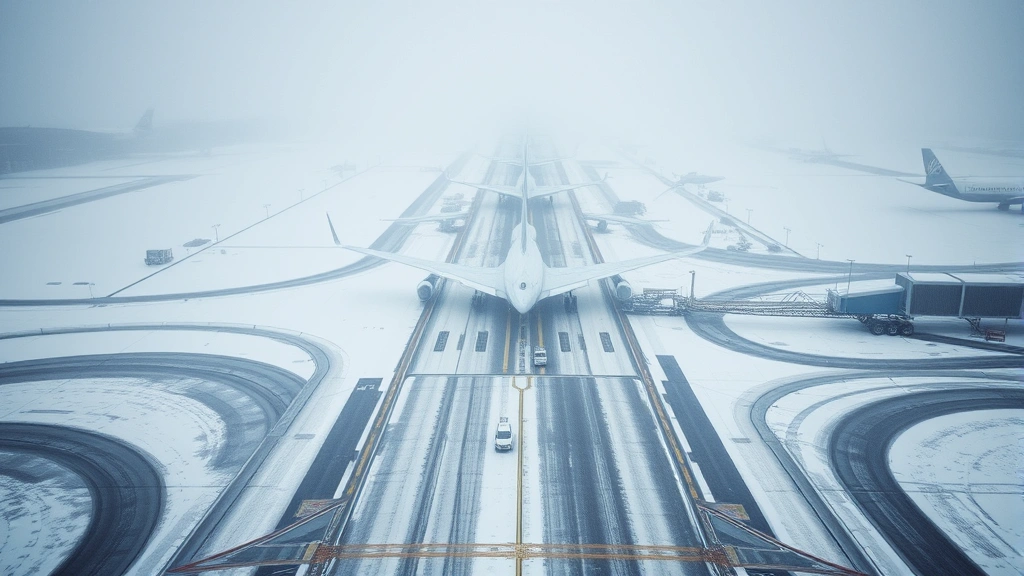
Detroit Metro Airport experiences significant winter weather challenges that periodically ground flights. The airport’s geographic location near the Great Lakes exposes it to heavy snow, ice, and wind conditions that exceed safe operating parameters. When weather deteriorates, Delta proactively grounds flights to prevent accidents and ensure passenger safety.
The airport’s infrastructure limitations sometimes contribute to groundings. During peak travel periods, Detroit Metro occasionally experiences congestion that forces airlines to ground flights temporarily until gate availability improves. This operational strategy prevents unsafe tarmac conditions and reduces passenger frustration from extended waits.
If you’re traveling through Detroit, understanding Delta flight diversions and operational challenges can help you prepare for potential disruptions. The airport also implements seasonal operational adjustments that occasionally affect flight schedules.
Technical and Mechanical Issues
Aircraft maintenance represents the cornerstone of aviation safety. Delta operates a massive fleet of aircraft, each requiring regular inspections and maintenance to ensure airworthiness. When technical issues emerge, they must be resolved before flights resume.
Mechanical groundings typically involve several categories of problems. Engine issues, hydraulic system failures, electrical malfunctions, and avionics problems all necessitate immediate attention. Delta’s maintenance teams work around the clock to resolve these issues, often performing repairs at multiple locations simultaneously.
Scheduled maintenance also grounds aircraft temporarily. Delta follows the FAA’s maintenance schedule religiously, conducting A-checks, C-checks, and D-checks at prescribed intervals. These comprehensive inspections can take hours or days, during which the aircraft remains grounded. While inconvenient for passengers, this maintenance ensures long-term fleet reliability.
Component failures sometimes emerge unexpectedly. When an aircraft’s landing gear, cabin pressurization system, or other critical component malfunctions, mechanics must address the issue before the plane can safely operate. These repairs cannot be expedited without compromising safety.
Recent incidents involving Boeing aircraft have heightened awareness about technical groundings. When manufacturing defects or design issues surface, the FAA may issue airworthiness directives requiring specific inspections or modifications. Delta complies fully with these requirements, grounding affected aircraft until compliance is verified.
Weather and Natural Factors
Weather represents one of the most common reasons for flight groundings. While modern aircraft can operate in challenging conditions, certain weather phenomena exceed safe operating limits. Delta grounds flights when conditions become too dangerous, even if operations might technically be possible.
Severe thunderstorms with strong wind shear pose significant hazards during takeoff and landing. Delta monitors weather radar constantly and makes real-time decisions about flight operations. When dangerous thunderstorms approach Detroit Metro or other airports, the airline grounds flights to prevent accidents.
Winter weather creates persistent challenges, particularly at northern airports like Detroit. Heavy snow reduces visibility and runway grip, requiring longer distances for safe takeoffs and landings. Icing conditions on aircraft surfaces necessitate de-icing procedures, and when conditions deteriorate rapidly, groundings become necessary.
Fog and low visibility conditions also trigger groundings. When visibility drops below minimums required for safe instrument approaches, Delta cannot operate flights into affected airports. This weather phenomenon frequently occurs at coastal airports but occasionally affects inland locations like Detroit.
Natural disasters and extreme weather events occasionally ground entire fleets. Hurricanes, tornadoes, and severe winter storms force Delta to suspend operations across broad geographic regions. These precautionary measures protect both aircraft and passengers from catastrophic damage.
System Failures and IT Problems
Modern aviation depends heavily on sophisticated technology systems. When Delta’s IT infrastructure experiences failures, the entire operation can be disrupted, forcing widespread flight groundings. These system-wide issues affect multiple airports simultaneously and create cascading delays throughout the network.
Reservation system outages prevent Delta from processing bookings and managing passenger information. When these critical systems fail, the airline cannot safely operate flights until systems are restored. Passengers cannot check in, and crew scheduling becomes impossible.
Communication system failures between dispatch, pilots, and maintenance teams create safety hazards. Delta grounds flights when radio systems, data link systems, or other communication infrastructure fail. These systems are essential for maintaining safe separation between aircraft and coordinating ground operations.
Weather radar system failures sometimes necessitate groundings. When Delta’s weather monitoring systems malfunction, pilots lack critical information about thunderstorms and hazardous conditions ahead. The airline grounds flights until these systems are repaired and tested.
Baggage handling system failures occasionally ground flights indirectly. When baggage systems malfunction, flights may be delayed while crews manually process luggage. In severe cases, Delta grounds flights to prevent the cascade of delays that would otherwise propagate through the schedule.
The 2024 global IT outage demonstrated how vulnerable aviation is to technology failures. When critical software systems failed industry-wide, Delta grounded flights at multiple airports, including Detroit Metro. This incident highlighted the importance of redundant systems and backup procedures.
Passenger Rights and Compensation
When Delta grounds flights, passengers have specific legal rights depending on the circumstances. Understanding these protections helps you navigate disruptions effectively and pursue appropriate compensation when eligible.
The Department of Transportation requires airlines to provide meals, refreshments, and communication services to passengers during extended delays. When flights are grounded for more than a few hours, Delta must offer hotel accommodations for stranded passengers. These requirements apply regardless of the reason for grounding, though exceptions exist for extraordinary circumstances.
Compensation eligibility depends on whether the grounding resulted from factors within Delta’s control. Mechanical issues and scheduling problems typically qualify for compensation, while weather-related groundings often do not. However, Delta may voluntarily offer compensation or travel credits even when not legally required.
For detailed information about your rights, review our comprehensive guide on airline flight delay compensation. This resource explains compensation amounts, filing procedures, and documentation requirements.
Keep documentation of all expenses incurred due to groundings. Receipts for meals, hotel accommodations, ground transportation, and other costs may be reimbursable. Delta’s customer service department can advise you on specific claims and eligibility.
International flights have additional protections under European Union regulations and similar international frameworks. If your grounded flight operates to or from Europe, you may be entitled to compensation ranging from €250 to €600 depending on flight distance and circumstances.
How to Stay Informed
Proactive monitoring of flight status helps you prepare for potential groundings and adjust travel plans accordingly. Delta offers multiple channels for receiving real-time updates about flight disruptions.
The Delta mobile app provides instant notifications about flight status changes. Download the app before traveling and enable push notifications to receive immediate alerts if your flight is grounded. The app also displays alternative flight options and rebooking procedures.
Delta’s website offers detailed flight tracking information. Visit the Delta Air Lines official website to check flight status using your confirmation number. The website provides real-time updates on delays, cancellations, and groundings.
Social media channels provide rapid updates during widespread disruptions. Follow Delta’s official Twitter account for notifications about system-wide issues affecting multiple flights. The airline posts updates frequently during major operational disruptions.
Email and SMS alerts keep you informed before you arrive at the airport. Delta sends notifications to passengers whose flights are affected by groundings. Ensure your contact information is current in Delta’s system to receive these critical alerts.
Airport information displays show real-time flight status. When you arrive at Detroit Metro or other airports, check the departure and arrival boards for your flight’s current status. Airport staff can also provide information about groundings and rebooking options.
Contact Delta’s customer service directly for personalized assistance. When flights are grounded, customer service representatives can discuss alternative routing options, hotel accommodations, and compensation eligibility. Call the number on your reservation or visit the ticket counter.
For travelers interested in exploring alternatives, understanding the best airlines for long flights can help you make informed decisions about future bookings. Similarly, learning about flight options between major hubs expands your routing possibilities.
Check the Transportation Security Administration (TSA) website for security wait times and procedures. During groundings, airports sometimes experience congestion that extends security lines.
Review National Weather Service forecasts before traveling through Detroit or other airports prone to weather-related groundings. This preparation helps you anticipate potential disruptions and adjust travel timing accordingly.
For comprehensive travel planning resources, visit the Sky Voyage Hub Blog for expert insights on navigating airline disruptions and optimizing your travel experience.
FAQ
What should I do if my Delta flight is grounded?
Contact Delta immediately through the mobile app, website, or phone. The airline will rebook you on the next available flight or offer alternatives. Request meal vouchers, hotel accommodations, and ground transportation if applicable. Document all expenses for potential reimbursement claims.
Am I entitled to compensation if my Delta flight is grounded?
Compensation eligibility depends on the grounding reason. Mechanical issues and operational problems typically qualify for compensation under DOT regulations. Weather-related groundings generally don’t qualify, though Delta may offer voluntary compensation. Check your specific situation with Delta’s customer service.
How long do flight groundings typically last?
Duration varies dramatically depending on the cause. Weather-related groundings may last hours to days. Mechanical issues might require 2-24 hours for repairs. System failures can be resolved in minutes or hours. Delta will communicate expected resolution times when available.
Why does Delta ground flights at Detroit Metro specifically?
Detroit’s northern location exposes it to winter weather challenges. The airport also serves as a major Delta hub, so operational issues there affect numerous flights. Seasonal weather patterns and infrastructure capacity sometimes necessitate temporary groundings.
Can I get a refund if my flight is grounded and cancelled?
If Delta cancels your flight, you’re entitled to a full refund or rebooking on another flight. If you choose rebooking, Delta doesn’t provide additional compensation for the cancelled flight unless it resulted from Delta’s operational failure rather than extraordinary circumstances.
How can I avoid grounded flights when booking with Delta?
Book flights with longer connections to provide buffer time. Avoid flights during peak weather seasons at northern airports. Monitor flight status before arriving at the airport. Consider purchasing travel insurance for financial protection against disruptions.