Why Emirates EK382 Diverted? Expert Insight into Flight Diversions and Safety Protocols
Flight diversions are among the most dramatic events in commercial aviation, capturing headlines and raising passenger concerns worldwide. When Emirates flight EK382 diverted, it became a focal point for discussing aviation safety, operational decisions, and the critical factors that influence whether an aircraft reaches its intended destination. Understanding the reasons behind such diversions requires insight into modern aviation protocols, weather systems, mechanical considerations, and international airspace regulations.
Emirates, operating one of the world’s largest fleets of Boeing 777 and Airbus A380 aircraft, maintains rigorous safety standards across all operations. The diversion of EK382 exemplifies how airlines prioritize passenger safety above schedule adherence, demonstrating the mature decision-making processes embedded in commercial aviation. This comprehensive guide explores the technical, meteorological, and operational aspects of flight diversions, with particular focus on what may have caused the EK382 diversion and how such incidents are managed by world-class carriers.
Whether you’re a frequent flyer, aviation enthusiast, or someone concerned about a specific flight, understanding diversion mechanics helps demystify emergency aviation procedures and reinforces confidence in modern safety systems. From medical emergencies to severe weather encounters, airlines execute hundreds of diversions annually, each representing a calculated decision to protect lives and aircraft.
Understanding Flight Diversions in Modern Aviation
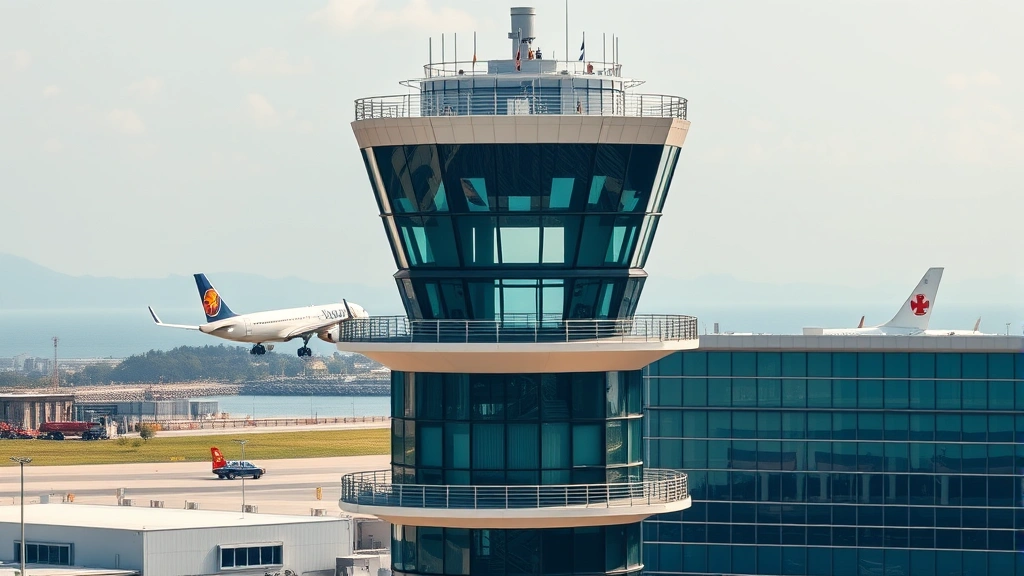
A flight diversion occurs when an aircraft deviates from its planned route and lands at an alternate airport instead of the scheduled destination. This decision, made by the captain in consultation with airline operations and air traffic control, represents a critical safety intervention. Aviation blogs frequently discuss these events, but few explain the underlying decision trees that pilots and crews navigate.
Modern aircraft are equipped with sophisticated monitoring systems that track dozens of parameters continuously. Pilots receive real-time data about fuel consumption, engine performance, hydraulic pressures, electrical systems, and environmental conditions. When any parameter deviates significantly from normal ranges, or when external factors threaten flight safety, the decision to divert becomes not just reasonable—it becomes mandatory under international aviation regulations.
The International Civil Aviation Organization (ICAO) establishes global standards for diversion procedures. Each airline, including Emirates, develops Standard Operating Procedures (SOPs) that exceed these minimum requirements. These procedures ensure consistency across fleets and crews, reducing decision-making ambiguity during high-stress situations.
Common diversion triggers include severe weather systems, medical emergencies, mechanical anomalies, air traffic control restrictions, security concerns, and fuel management issues. Understanding that diversions represent proactive safety measures rather than failures helps passengers contextualize these events. Airlines like Emirates have invested billions in aircraft technology specifically to prevent emergencies; diversions are the final safety layer when prevention proves insufficient.
The EK382 Diversion Incident: What We Know
Emirates flight EK382 diversion to Taiwan or alternate locations has been subject to speculation and analysis within aviation communities. While specific operational details remain proprietary to Emirates and relevant aviation authorities, examining the diversion provides valuable lessons about modern air transportation. When comparing this to other EK211 flight status incidents, patterns emerge about Emirates’ operational decision-making.
The route structure that EK382 typically operates involves long-haul international flights crossing multiple airspaces, weather zones, and jurisdictional boundaries. Taiwan, as a diversion destination, suggests the aircraft was operating across Asian routes where weather volatility, particularly typhoon seasons, creates dynamic operational challenges. The decision to divert to Taiwan rather than continuing to the original destination indicates a situation serious enough to warrant immediate landing but not severe enough to declare an emergency.
Emirates’ decision-making process involves real-time consultation between the flight crew, dispatch center in Dubai, and relevant air traffic control authorities. This collaborative approach ensures that diversions consider not only immediate aircraft safety but also passenger welfare, crew fatigue management, and operational efficiency. The airline maintains contingency fuel reserves specifically for diversion scenarios, allowing crews flexibility in selecting alternate airports based on ground conditions and service availability.
Examining the EK382 situation within Emirates’ operational context reveals a carrier with exceptional safety records. Emirates operates approximately 270 aircraft serving over 150 destinations, executing thousands of flights monthly. Diversion rates across the industry hover around 0.1-0.2% of all flights, with mechanical issues accounting for roughly 40% of diversions, weather conditions 35%, medical emergencies 15%, and other factors comprising the remainder.
Weather and Environmental Triggers for Diversions
Severe weather represents the most visible diversion catalyst, particularly across Asian routes where tropical systems develop rapidly. Typhoons, thunderstorms, wind shear, and low visibility conditions force pilots to make split-second decisions about whether to attempt landing or divert to safer alternatives. Modern weather radar and ground-based meteorological data enable sophisticated forecasting, yet unpredictable atmospheric dynamics occasionally catch even advanced systems off-guard.
Taiwan’s geographic location places it directly in typhoon pathways during certain seasons. Aircraft approaching Taiwanese airspace must navigate rapidly developing weather systems that can reduce visibility to near-zero and create dangerous wind conditions. Runways at major Taiwanese airports like Taiwan Taoyuan International Airport feature sophisticated Instrument Landing Systems (ILS), allowing operations in near-zero visibility conditions, yet pilots maintain authority to refuse landings if conditions exceed safety thresholds.
Wind shear deserves particular attention as a weather-related diversion trigger. This phenomenon, involving sudden wind direction and speed changes at low altitudes, can severely affect aircraft controllability during landing approach phases. Modern aircraft carry wind shear detection systems, and pilots receive real-time alerts from ground-based systems, yet the final landing decision remains with the captain. Conservative decision-making during wind shear events has prevented countless accidents.
Volcanic ash presents another environmental hazard relevant to Asian operations. Though less common than weather systems, ash clouds from volcanic activity across the Pacific Ring of Fire have forced diversions and route changes affecting hundreds of flights. Engines cannot tolerate ash ingestion, making ash avoidance mandatory regardless of schedule impacts.
Mechanical and Technical Issues Necessitating Diversions
Aircraft operate with redundancy across all critical systems. Hydraulic systems have multiple independent circuits; engines feature dual-channel controls; electrical systems include multiple generators and battery backup. Despite this redundancy, occasional component degradation or failures occur, triggering diversion decisions when technical issues compromise flight safety.
Boeing 777 aircraft, which comprise significant portions of Emirates’ long-haul fleet, feature advanced monitoring systems that continuously evaluate system health. When these systems detect anomalies—pressure fluctuations, temperature deviations, electrical irregularities—pilots receive notifications enabling real-time assessment. Minor issues might continue to destination, while significant anomalies trigger diversions to nearest suitable airports.
Hydraulic system malfunctions exemplify mechanical diversion triggers. Aircraft require hydraulic pressure for flight control surface actuation, landing gear extension, and braking systems. Loss of hydraulic pressure in critical systems necessitates immediate diversion, as continuing flight without full hydraulic capability creates unacceptable risks. Modern aircraft feature multiple hydraulic systems specifically to prevent single-point failures from becoming catastrophic.
Engine issues, though rare given modern maintenance standards, can trigger diversions. Indicators of abnormal engine performance—unusual vibrations, temperature rises, pressure fluctuations, or oil quantity changes—prompt immediate pilot investigation. If troubleshooting cannot resolve anomalies, diversions to airports with appropriate maintenance facilities become necessary. Emirates maintains best-in-class maintenance standards for long-flight operations, reducing mechanical diversion frequency.
Pressurization system failures represent serious diversion triggers. Aircraft cabins maintain artificial pressure equivalent to 8,000 feet altitude even at cruise altitudes exceeding 40,000 feet. Pressurization system failures force immediate descent to lower altitudes, often necessitating diversion to the nearest suitable airport. Crew oxygen systems and passenger oxygen masks provide temporary protection, but sustained flight at extreme altitudes remains impossible without pressurization.
Medical Emergencies at Altitude: A Significant Diversion Factor
Medical emergencies constitute approximately 15% of commercial aviation diversions, making them statistically significant diversion triggers. Passengers experiencing cardiac events, severe allergic reactions, strokes, or other acute medical conditions may require ground-based medical intervention that aircraft, despite comprehensive medical kits and crew training, cannot adequately provide at altitude.
Emirates flight crews receive extensive medical training, including CPR certification, defibrillator operation, and first aid protocols. Aircraft carry medical kits containing medications, diagnostic equipment, and supplies addressing common in-flight medical emergencies. Some aircraft even feature telemedicine capabilities enabling real-time consultation with ground-based medical professionals. Despite these resources, severe medical conditions sometimes require immediate hospital access, triggering diversions.
The decision to divert for medical emergencies involves collaboration between flight crews, dispatch centers, and ground-based medical coordinators. Airlines consider the patient’s condition severity, time to nearest suitable airport, available medical facilities, and flight phase. Diversions during cruise phases differ significantly from diversion considerations during descent or approach phases, where fuel reserves become critical factors.
Pregnant passengers experiencing complications, passengers with severe injuries from turbulence, and elderly passengers experiencing acute health crises represent common medical diversion scenarios. The humanitarian imperative underlying medical diversions reflects aviation’s fundamental commitment to human welfare, overriding economic considerations and schedule pressures.
Emirates Operational Response Protocol During Diversions
Emirates operates a sophisticated command structure managing diversions. The airline’s Operations Control Center in Dubai maintains real-time communication with all aircraft, coordinating diversion decisions with flight crews. When diversion becomes necessary, operations controllers immediately activate contingency protocols addressing passenger accommodations, crew rest requirements, aircraft maintenance, and onward flight arrangements.
The captain initiates diversion discussions with operations controllers and air traffic control, presenting the situation and recommending alternate airports. Controllers evaluate airport capabilities, runway conditions, available ground services, maintenance facilities, and passenger accommodation options. This collaborative decision-making ensures diversions consider operational feasibility alongside safety imperatives.
Once diversion airports are selected, operations controllers arrange ground services including catering, passenger accommodations, medical services if needed, and mechanical support. Emirates maintains agreements with ground service providers worldwide, ensuring rapid response to diverted aircraft. Passengers receive communication about diversion reasons, alternate airport arrival times, and connection arrangements.
Crew management becomes critical during diversions. Flight and cabin crew fatigue regulations limit duty hours, and diversions can create situations where crews exceed legal limits. Emirates maintains crew reserves in major hub cities, enabling crew replacements when diversions prevent crews from completing scheduled operations within legal limits. This crew management system prevents fatigue-related safety compromises.
Aircraft maintenance after diversions depends on diversion reasons. Minor diversions might require only routine servicing before continuing operations. Mechanical diversions require appropriate maintenance facilities and technician expertise, potentially creating multi-hour ground delays. Emirates’ engineering teams coordinate with maintenance facilities worldwide, ensuring diverted aircraft receive appropriate technical attention.
Passenger Rights and Protections During Flight Diversions
International air transportation regulations, particularly European Union regulations and International Air Transport Association standards, establish passenger protections during diversions. These protections ensure passengers receive care, communication, and compensation where applicable. Understanding these rights helps passengers advocate appropriately when experiencing diversions.
Passengers are entitled to clear communication about diversion reasons, expected arrival times, and subsequent arrangements. Airlines must provide meals, accommodations if overnight stays become necessary, and transportation between airports and hotels. Passengers should request written documentation of diversion-related expenses for potential reimbursement claims.
Compensation eligibility depends on diversion causes. Extraordinary circumstances like severe weather, volcanic ash, or security threats typically exempt airlines from compensation obligations. However, diversions resulting from mechanical failures or operational mismanagement might trigger compensation requirements. When booking refundable airline tickets, passengers gain additional flexibility if diversions disrupt itineraries.
Passengers should document all diversion-related expenses and communications. Retaining receipts for meals, accommodations, and ground transportation provides evidence supporting compensation claims. Airlines require substantiation before reimbursing passenger expenses, making documentation essential for successful claims.
Connection passengers face particular challenges during diversions. Airlines must rebook passengers on subsequent flights, typically prioritizing original destination arrivals. Passengers should contact airline representatives immediately after diversion to discuss connection options and rebooking arrangements. Understanding optimal ticket booking strategies helps passengers select fares with flexible rebooking provisions.
Luggage handling during diversions requires attention. Airlines must deliver checked baggage to final destinations, even when diversions create multi-day delays. Passengers should file baggage delay reports with airlines, documenting the diversion and baggage separation. Many travel insurance policies cover expenses incurred due to baggage delays, providing financial protection.
When experiencing diversions, passengers benefit from maintaining calm demeanor and requesting clear information from cabin crew members. Crew members understand diversion protocols and can answer questions about ground arrangements, onward flight timing, and passenger accommodations. Cooperative passenger behavior facilitates smooth diversion management and ensures efficient ground operations.
Frequently Asked Questions About Flight Diversions
What does diversion mean in aviation terms?
Diversion means an aircraft deviates from its planned flight route and lands at an alternate airport instead of the scheduled destination. Diversions occur when safety concerns, medical emergencies, mechanical issues, or severe weather make continuing to the original destination unsafe or inadvisable.
Are flight diversions common?
Diversions occur in approximately 0.1-0.2% of commercial flights globally. While statistically rare, airlines execute hundreds of diversions daily across worldwide operations. This frequency reflects modern aviation’s comprehensive safety systems and conservative decision-making philosophies.
Why might Emirates EK382 have diverted to Taiwan?
Taiwan’s location along Asian typhoon pathways, combined with its modern airport infrastructure, makes it a logical diversion destination for aircraft operating across Asian routes. Severe weather, particularly during typhoon seasons, represents the most likely diversion trigger for flights diverted to Taiwan.
Do I receive compensation if my flight is diverted?
Compensation eligibility depends on diversion causes. Extraordinary circumstances like severe weather typically exempt airlines from compensation. Mechanical failures or operational issues might trigger compensation requirements. Reviewing airline policies and relevant aviation regulations clarifies compensation eligibility for specific diversion situations.
What happens to my luggage during diversions?
Airlines must deliver checked baggage to final destinations, even when diversions create delays. Passengers should report baggage separation to airline representatives immediately after diversion, documenting the incident for potential delay claim reimbursement.
How long do diversions typically delay flights?
Diversion delays vary significantly depending on diversion reasons and alternate airport conditions. Medical diversions might require 2-4 hours for passenger disembarkation and medical response. Mechanical diversions could extend to 12+ hours if significant repairs become necessary. Weather diversions typically resolve within 4-8 hours as systems move.
Are diversions dangerous for aircraft?
Diversions represent proactive safety measures, not emergency responses to dangerous situations. Aircraft diverted due to mechanical issues typically feature redundant systems maintaining safety margins. Diversions occur when safety risks become unacceptable for continued flight, making diversion the safer option compared to continuing to original destinations.
What should I do if my flight is diverted?
Remain calm and await crew instructions. Listen carefully to announcements explaining diversion reasons and ground arrangements. Request written documentation of diversion-related expenses. Collect receipts for meals, accommodations, and ground transportation. Contact your airline’s customer service team to discuss rebooking options and potential compensation eligibility.
Can pilots refuse to land at alternate airports?
Yes, captains maintain final authority over landing decisions. If alternate airport conditions—poor visibility, strong winds, runway damage—exceed safety thresholds, pilots can request alternative airports. This authority ensures pilots never accept unsafe landing conditions due to operational pressure.
How do airlines manage crew fatigue during diversions?
Airlines maintain crew reserves in major hubs, enabling crew replacements when diversions create situations where crews would exceed legal duty hour limitations. This system prevents fatigue-related safety compromises while ensuring operations continue efficiently.