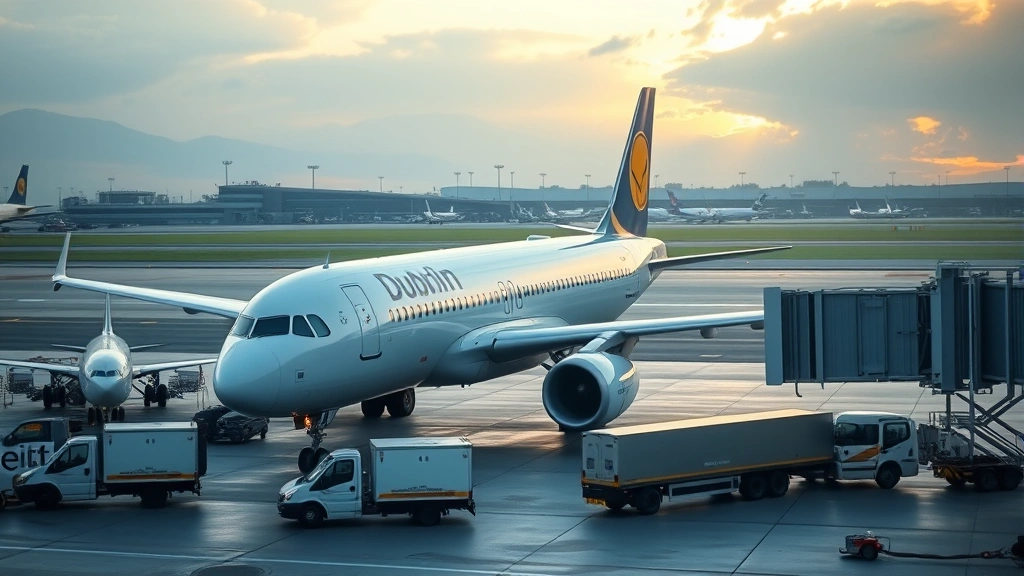
Flight 990: What Happened? Expert Investigation
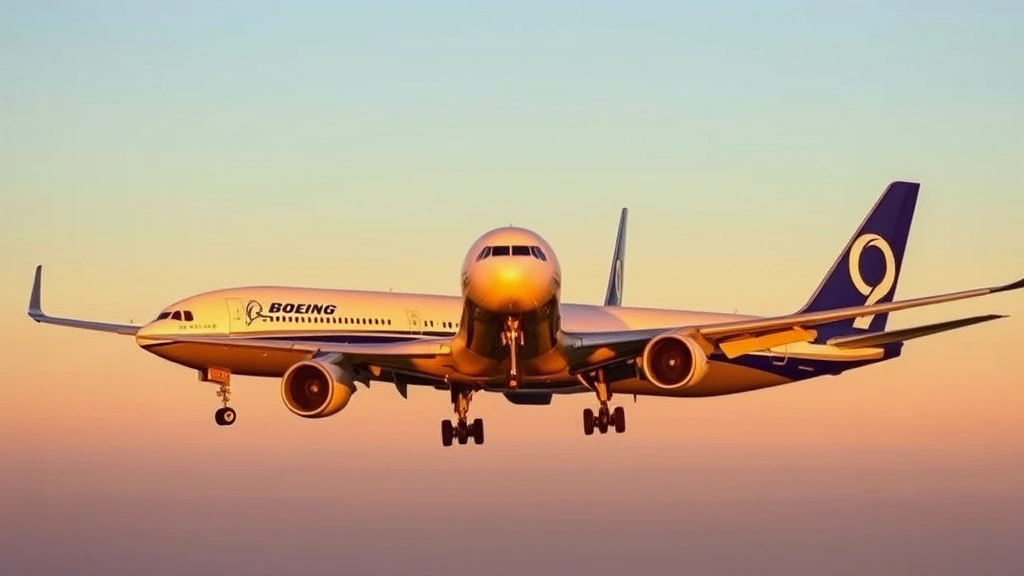
EgyptAir Flight 990 remains one of aviation’s most controversial and devastating incidents. On October 31, 1999, the Boeing 767 aircraft crashed into the Atlantic Ocean approximately 60 miles south of Nantucket, Massachusetts, killing all 217 people aboard. The crash sparked an international investigation that would ultimately divide experts, authorities, and the aviation community for decades. Understanding what happened on Flight 990 provides critical insights into aircraft safety, pilot behavior, and the complexities of modern aviation investigations.
The incident occurred during a routine transatlantic flight from New York’s John F. Kennedy International Airport to Cairo International Airport. Within minutes of the initial emergency, the aircraft descended rapidly and disappeared from radar, leaving investigators with fragmented evidence and competing theories about the true cause. This comprehensive examination explores the facts, investigation findings, and the ongoing debate surrounding one of aviation’s most puzzling disasters.
The Flight and Initial Sequence of Events
EgyptAir Flight 990 departed from New York at 1:20 AM Eastern Standard Time on October 31, 1999. The aircraft, a Boeing 767-366ER, was carrying 203 passengers and 14 crew members. Captain Ahmad al-Habashy, a veteran pilot with 14,000 flight hours, commanded the flight alongside First Officer Gamal al-Batouti, who had accumulated 5,700 hours. The flight plan indicated a normal transatlantic route at 33,000 feet, and initial communications with air traffic control were routine.
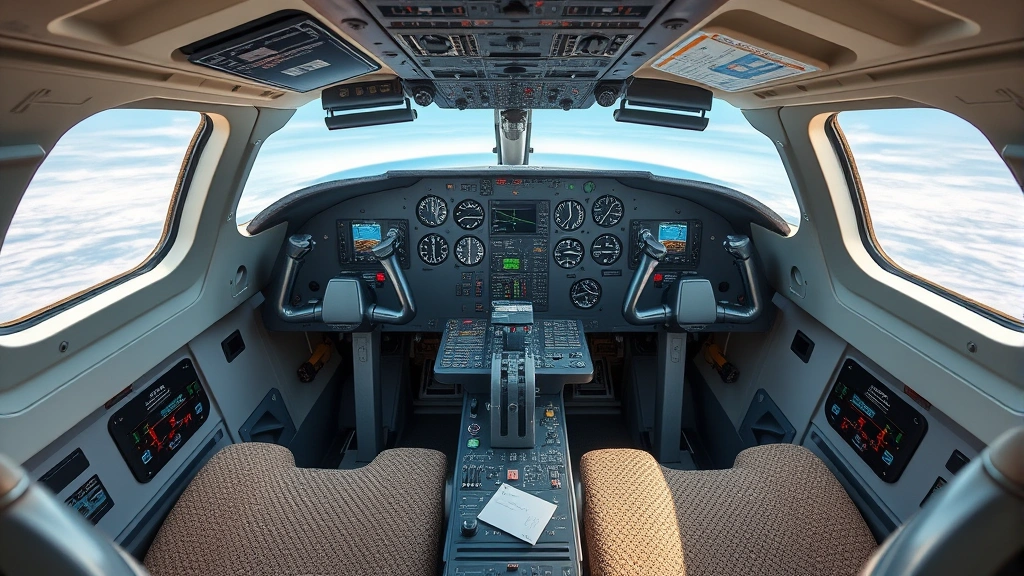
Approximately 30 minutes after departure, at 1:50 AM, Captain al-Habashy left the flight deck to rest, a standard procedure on long international flights. First Officer al-Batouti assumed command of the aircraft. Everything appeared normal during the handover, with no indication of mechanical problems or unusual weather conditions. The first officer was alone on the flight deck for several minutes before relief first officer Adel al-Medani entered to provide additional crew support.
At 1:52 AM, just two minutes after the captain’s departure, the flight began an unusual descent without any clearance from air traffic control. The aircraft’s altitude decreased from 33,000 feet with increasing speed. Within seconds, the descent rate accelerated dramatically. Air traffic control noticed the unscheduled descent and attempted to contact the flight crew, but received no response. The situation deteriorated rapidly as the aircraft continued its catastrophic descent toward the Atlantic Ocean.
Emergency Declaration and Radar Data
The National Transportation Safety Board (NTSB) investigation revealed critical details from radar data and the aircraft’s automatic systems. The Flight Data Recorder showed that multiple control inputs were made during the descent sequence. The horizontal stabilizer, a crucial component for pitch control, moved to extreme positions. This movement was consistent with either a mechanical failure or deliberate manual control input.
Air traffic control’s last communication with Flight 990 occurred at 1:51 AM. The controller heard a voice stating “Good night Egyptian two-ninety,” which would be the last transmission from the aircraft. No mayday call or emergency declaration was ever issued. The aircraft simply vanished from radar screens within minutes. The rapid descent and complete loss of communication suggested either catastrophic structural failure or a scenario where crew members were unable or unwilling to declare an emergency.
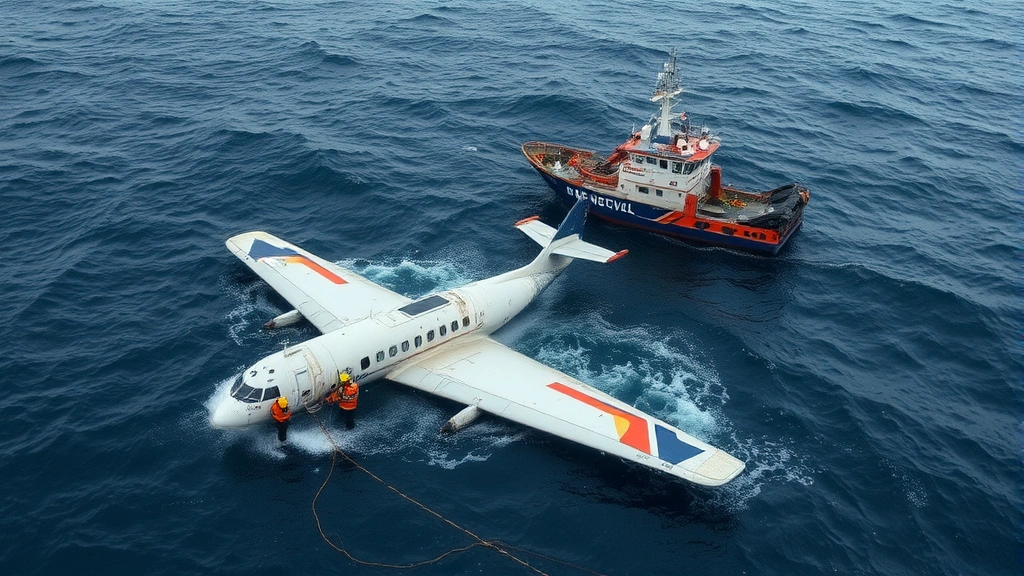
The wreckage was discovered the following day by the U.S. Coast Guard. Salvage operations recovered the flight data recorder and cockpit voice recorder, which would become the centerpieces of the investigation. The main wreckage field extended across a large area of the ocean floor, indicating the aircraft had broken apart in flight rather than impacting intact.
The NTSB Investigation Process
The National Transportation Safety Board initiated an extensive investigation, coordinating with Egyptian authorities, the Federal Aviation Administration, Boeing, and other international aviation experts. The investigation process examined aircraft maintenance records, pilot training, weather conditions, air traffic control procedures, and the recorded evidence from the aircraft’s systems. This comprehensive approach is standard for major aviation incidents, similar to investigations of other significant events like Flight 593.
Investigators examined the aircraft’s maintenance history and found no significant mechanical defects that would have caused the crash. The Boeing 767 had undergone regular maintenance and inspections. Engine performance data showed both engines were operating normally until the final moments. The hydraulic systems, flight control systems, and structural integrity assessments revealed no pre-existing mechanical failure that could have initiated the sequence of events.
The investigation team focused heavily on the human factors elements. Cockpit voice recorder analysis became the most crucial and controversial aspect of the investigation. The recorded conversations, environmental sounds, and automated system announcements provided a detailed timeline of the final minutes. However, interpreting these recordings proved contentious, with different experts reaching different conclusions about what transpired in the cockpit.
Cockpit Voice Recorder Findings
The cockpit voice recorder captured approximately 29 minutes of audio from the flight, including the critical moments before the crash. The NTSB analysis identified several concerning elements in the final minutes of the flight. Audio evidence indicated unusual control inputs and suggested that the first officer may have been manipulating the aircraft’s flight controls while the captain was resting.
Investigators heard sounds consistent with the relief first officer al-Medani leaving the flight deck at 1:52 AM. Shortly thereafter, the horizontal stabilizer began moving to extreme positions. The CVR captured sounds of increasing engine noise and aerodynamic stress on the aircraft. The automated ground proximity warning system activated multiple times, indicating the aircraft was descending rapidly toward the ocean.
The NTSB concluded that the evidence suggested First Officer al-Batouti deliberately moved the horizontal stabilizer to an extreme position, causing the aircraft to dive. This conclusion was based on the timing of control inputs, the pattern of the descent, and the lack of any mechanical explanation for the observed flight characteristics. However, this conclusion remained highly controversial, particularly among Egyptian authorities and aviation experts who questioned whether the evidence truly supported such a serious allegation.
Egyptian investigators disputed the NTSB findings, arguing that the evidence could be interpreted differently. They suggested that a mechanical failure, possibly related to the horizontal stabilizer system, might have caused the crisis. Egyptian officials were reluctant to accept conclusions that implied deliberate action by one of their nationals, and they issued a separate report presenting alternative theories.
Mechanical Versus Human Factors
The central controversy surrounding Flight 990 involves the debate between mechanical failure and deliberate human action. The NTSB’s official probable cause determination stated that the accident resulted from the flight crew’s actions, specifically the first officer’s movement of the horizontal stabilizer. However, critics of this conclusion pointed to several alternative possibilities.
Some aviation experts argued that a rare horizontal stabilizer system malfunction could have occurred. The Boeing 767’s design includes redundant systems, but under certain circumstances, a specific type of failure might not have triggered automatic warnings. The horizontal stabilizer’s position changes, as recorded by the flight data recorder, could theoretically result from a mechanical problem rather than intentional manipulation.
Other experts suggested that Captain al-Habashy might have inadvertently caused the crisis when returning to the flight deck. A possible scenario involved the captain attempting to correct what he perceived as an unusual aircraft attitude, but in doing so, he may have contributed to the catastrophic sequence. This theory would explain why the aircraft was descending without a clear explanation while still leaving open questions about the exact sequence of events.
The investigation highlighted the challenges of determining human intent from physical evidence and recorded data. Unlike commercial airline operations where safety culture emphasizes transparency and investigation, the international political dimensions of this accident complicated the analysis. Egyptian authorities had strong incentives to challenge conclusions that would damage their national airline’s reputation, while the NTSB worked within its own investigative framework and methodologies.
International Response and Controversy
The Flight 990 investigation became one of the most controversial aviation accident investigations in history. The divergence between American and Egyptian official findings created diplomatic tensions and raised questions about the objectivity and methodology of international aviation investigations. The Egyptian Civil Aviation Authority issued its own report rejecting the NTSB’s probable cause determination.
Media coverage of the investigation, particularly early reports speculating about the first officer’s possible involvement, created additional complications. Some commentators noted that the intense focus on the first officer’s nationality and background raised concerns about potential bias in the investigation process. The complexity of international aviation accidents, where multiple nations have legitimate interests in the outcome, became apparent through this case.
Aviation safety organizations and professional pilot groups expressed concern about the implications of the NTSB’s conclusions. The International Federation of Air Line Pilots’ Associations and other professional bodies noted that the evidence, while suggestive, was not conclusive. They advocated for continued investigation into mechanical factors and questioned whether the investigation had adequately explored all alternative explanations.
The controversy extended to academic and professional aviation circles. Engineering experts published papers analyzing the flight data, proposing alternative interpretations of the recorded information. Some suggested that the horizontal stabilizer movements could have resulted from a specific type of system failure that the original investigation had not fully considered. These ongoing debates demonstrate that even after extensive investigation, major aviation accidents can remain subject to legitimate professional disagreement.
Safety Improvements and Legacy
Despite the controversy surrounding the cause, Flight 990 prompted important safety improvements in aviation. The accident led to enhanced cockpit security procedures, including reinforced flight deck doors and protocols for pilot rest period management. Airlines implemented more rigorous procedures for crew rest transitions and communication between pilots assuming and relinquishing control of the aircraft.
The FAA and international aviation authorities reviewed horizontal stabilizer system designs and monitoring procedures. While no specific design defect was identified that would have prevented Flight 990, the investigation highlighted the importance of redundant systems and automated monitoring. Subsequent aircraft designs incorporated improved stabilizer system monitoring and warning systems.
Flight 990 also influenced international aviation accident investigation protocols. The case demonstrated the need for greater transparency and cooperation in multinational investigations. Organizations like the International Civil Aviation Organization (ICAO) reviewed their investigative standards and emphasized the importance of establishing clear frameworks for international accident investigations that command respect and credibility across national boundaries.
For aviation professionals, Flight 990 serves as a reminder of the critical importance of cockpit safety culture, communication protocols, and the responsibilities that come with commanding commercial aircraft. The accident has been extensively analyzed in pilot training programs, highlighting the importance of clear procedures, adequate rest, and proper communication during crew transitions.
The victims of Flight 990 and their families were profoundly affected by the accident and the subsequent controversy. Many families found the conflicting investigations and ongoing debate about the cause to be additional sources of pain. The case underscores how major aviation accidents impact not only the aviation industry but also the families, communities, and nations affected by such tragedies.
FAQ
What was the official cause of Flight 990’s crash?
The NTSB determined that the probable cause was the flight crew’s actions, specifically the first officer’s deliberate movement of the horizontal stabilizer. However, Egyptian authorities disputed this conclusion and suggested mechanical failure as an alternative explanation. This remains one of aviation’s most controversial accident determinations.
How many people were aboard Flight 990?
Flight 990 carried 217 people total: 203 passengers and 14 crew members. All 217 people aboard perished in the crash, making it one of aviation’s deadliest accidents involving a single aircraft.
When did Flight 990 crash?
EgyptAir Flight 990 crashed on October 31, 1999, at approximately 1:52 AM Eastern Standard Time, about 60 miles south of Nantucket, Massachusetts, in the Atlantic Ocean.
What type of aircraft was Flight 990?
Flight 990 was a Boeing 767-366ER, a long-range wide-body commercial aircraft commonly used for transatlantic flights. The Boeing 767 has an excellent safety record overall, and no design defect was identified as the cause of this accident.
Was there a mayday call from Flight 990?
No mayday call or emergency declaration was ever issued by the flight crew. The aircraft simply stopped communicating with air traffic control and disappeared from radar within minutes, making it impossible for rescue operations to be initiated before the crash.
How do Flight 990 findings compare to other aviation incidents?
Flight 990 differs from many other major aviation accidents because the cause remains officially disputed between investigating nations. While most aviation accidents result in consensus findings, this case highlights the complexities of international investigations. Understanding aviation safety and incident response helps travelers appreciate the rigorous standards that govern modern air travel despite rare catastrophic events.
What safety improvements resulted from Flight 990?
Flight 990 led to reinforced flight deck doors, improved crew rest protocols, enhanced communication procedures during crew transitions, and better monitoring of aircraft control systems. Airlines worldwide implemented additional security measures to prevent unauthorized access to flight decks and improved procedures for managing crew operations during long flights.
Can travelers trust airlines after incidents like Flight 990?
Despite tragic accidents, commercial aviation remains extraordinarily safe. The improvements implemented after Flight 990 and other accidents have made air travel even safer. When booking flights for multiple people or planning any air travel, travelers can be confident that aviation safety standards are continuously improved based on accident investigations and industry best practices.