Flight Attendant Style Tips: Expert Insights on Professional Aviation Fashion
The iconic flight attendant look has captivated travelers and fashion enthusiasts for decades. Whether you’re aspiring to join the cabin crew, attending a themed event, or simply curious about the professional standards that govern airline uniforms, understanding the nuances of flight attendant style goes beyond surface-level aesthetics. Modern cabin crew uniforms represent a carefully balanced blend of functionality, elegance, and regulatory compliance that reflects each airline’s brand identity while maintaining the highest safety and service standards.
Flight attendants are the ambassadors of their airlines, and their appearance plays a crucial role in passenger confidence and brand perception. The evolution of flight attendant fashion tells a fascinating story about workplace professionalism, gender equality, and the aviation industry’s response to changing travel culture. Today’s flight attendants navigate strict grooming codes while expressing individuality through approved styling options, accessories, and personal presentation choices that comply with their airline’s specifications.
Understanding Professional Cabin Crew Uniforms
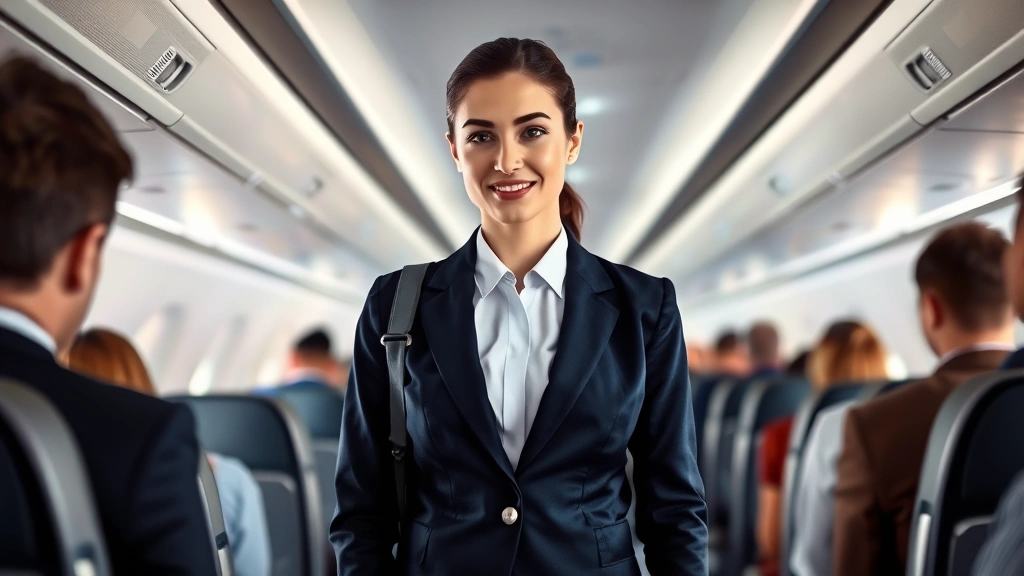
Flight attendant uniforms serve multiple critical functions beyond mere aesthetics. They serve as immediate visual identification for passengers seeking assistance, enhance passenger safety through quick crew recognition during emergencies, and project the airline’s corporate image and values. Each major airline invests significantly in developing distinctive uniforms that reflect their brand personality while adhering to strict functional requirements for comfort during long flights and ease of movement in confined cabin spaces.
The uniform consists of several key components that work together to create the polished, professional appearance passengers expect. A well-designed flight attendant uniform must accommodate crew members who work twelve-hour shifts in pressurized cabins, requiring fabrics that breathe well, resist wrinkles despite constant movement, and maintain their appearance through multiple wearings between dry cleanings. Modern airlines often collaborate with renowned fashion designers to create uniforms that balance style with practicality, resulting in outfits that look sophisticated while performing under demanding conditions.
When researching the best airlines for long flights, many travelers note that crew appearance contributes significantly to their overall flight experience. Premium carriers often feature more elaborate uniform designs with distinctive colors, patterns, and accessories that immediately signal the airline’s quality and attention to detail. Understanding these uniform standards provides insight into how airlines prioritize passenger experience and crew professionalism.
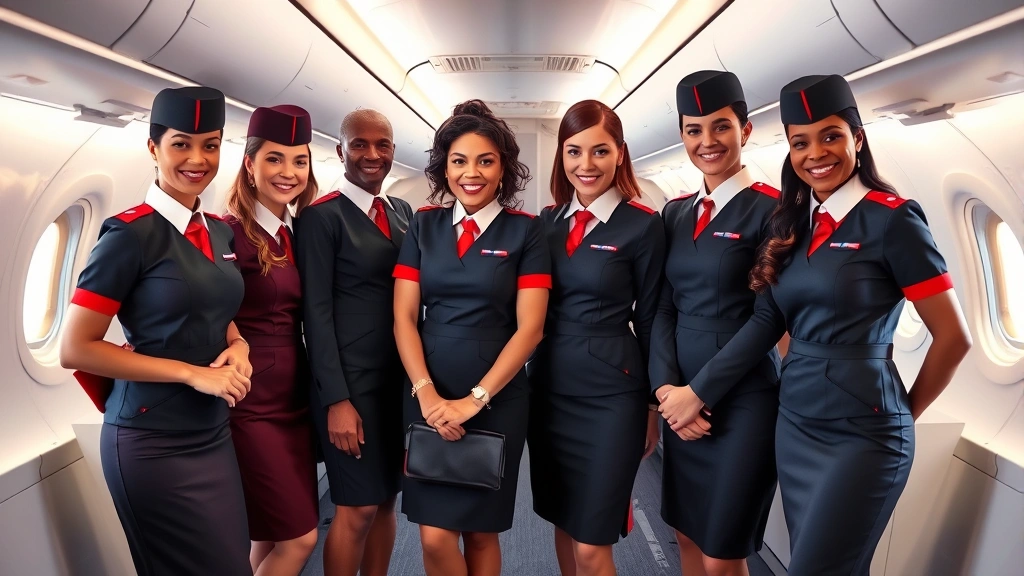
Key Elements of Flight Attendant Styling
The Jacket or Blazer forms the cornerstone of the flight attendant ensemble. Most airlines require crew members to wear tailored jackets during boarding and deplaning, with specific guidelines about when jackets must be worn versus when cabin crew can work in shirt sleeves. These jackets typically feature the airline’s logo, distinctive colors, and high-quality construction that withstands frequent wear. The fit must accommodate movement without restricting arm mobility, essential for safety demonstrations and emergency procedures.
Shirts and Blouses represent the foundation of daily cabin crew appearance. Airlines specify approved colors, fabrics, and styles, often requiring crew members to purchase uniforms from designated suppliers. Most carriers offer both long-sleeved and short-sleeved options for different seasons and cabin temperatures. The shirts must be pressed to pristine condition, with all buttons secure and no wrinkles visible. Some airlines now offer sustainable fabric options as part of their environmental initiatives.
Skirts and Trousers follow strict length and fit requirements that vary by airline but generally emphasize professional, modest styling. Most carriers require skirts to fall to the knee or slightly below, with a tailored silhouette that allows comfortable movement through galley areas and cabin aisles. Trouser options for male and female crew members typically feature a classic cut in neutral colors like navy, black, or gray, with creases pressed to airline specifications.
Footwear represents a critical component of flight attendant styling that combines fashion with functional safety requirements. Airlines typically mandate closed-toe shoes with low to moderate heels, usually between one and three inches, that provide stability during turbulence and movement through the aircraft. Approved shoe colors typically match the uniform’s color palette, and many airlines maintain lists of acceptable brands and styles. Comfort is paramount since flight attendants may walk miles during a single shift.
Grooming Standards and Appearance Requirements
Hair presentation follows specific guidelines that emphasize neatness and professionalism. Most airlines require hair to be styled neatly, either worn down with appropriate styling or pulled back in conservative styles like buns or ponytails. Hair color policies have evolved significantly, with many modern carriers now permitting a broader range of natural and fashion colors provided the overall appearance remains professional and well-maintained. Hair must be clean, shiny, and free from excessive styling products that might cause dripping or staining.
Makeup application follows guidelines emphasizing polished, natural-looking beauty rather than dramatic styling. Airlines typically require makeup to enhance features while maintaining a professional appearance suitable for all flight times and passenger demographics. Foundation should match skin tone precisely, with subtle contouring that photographs well in various lighting conditions. Lip color usually stays within approved ranges, often red, nude, or coral tones that complement airline uniform colors. Eye makeup should be visible and defined without appearing overly dramatic.
Jewelry and accessories must comply with strict safety regulations beyond simple aesthetic preferences. Most airlines prohibit dangling earrings, long necklaces, or excessive rings that could become caught during emergency procedures or cause injury during turbulent situations. Wedding bands and simple engagement rings are typically permitted, while other jewelry should be minimal and professional. Watches must be functional and unobtrusive, with many carriers preferring classic styles in precious metals.
Nail care represents another closely monitored aspect of flight attendant appearance. Airlines typically require nails to be trimmed short to a specific length, usually no longer than a quarter-inch past the fingertip, for both safety and hygiene reasons. Nail polish, when permitted, must be in neutral or approved colors without chips or damage. This requirement ensures crew members can handle emergency equipment effectively and maintain food safety standards during beverage and meal service.
When learning about airlines key information and tips for travelers, understanding crew appearance standards provides valuable context for recognizing professional cabin service. Passengers often unconsciously associate well-groomed, uniformed crew with airline quality and safety standards, making personal presentation an integral component of the overall travel experience.
Creating an Authentic Flight Attendant Look
For those interested in recreating a flight attendant costume for themed events, Halloween celebrations, or costume parties, several essential elements combine to create an authentic and recognizable appearance. The foundation begins with selecting appropriate uniform pieces that accurately represent modern airline standards rather than outdated stereotypes from aviation’s earlier decades.
Start with a well-fitted blazer in a solid color like navy, black, burgundy, or teal, depending on which airline aesthetic you’re emulating. The blazer should be tailored to fit smoothly without excess fabric, featuring a professional cut that suggests quality and authority. Pair this with a crisp white, cream, or colored blouse in a classic style, ensuring the collar sits properly and all buttons are secure. The combination immediately signals airline professionalism.
Select either a pencil skirt or tailored trousers in a complementary neutral color, typically black, navy, or gray. The fit should be streamlined without being restrictive, allowing comfortable movement while maintaining a polished silhouette. Ensure the skirt length falls at or slightly below the knee, reflecting current professional standards. Add tights or hosiery in neutral tones to complete the lower half of the ensemble.
Footwear should feature closed-toe shoes with a modest heel, preferably in black or navy to match the uniform. Look for styles that balance comfort with professional appearance, avoiding overly trendy or casual options. Classic pump styles or structured flats work well for authentic representation. Ensure shoes are clean and polished, as flight attendants maintain impeccable shoe condition.
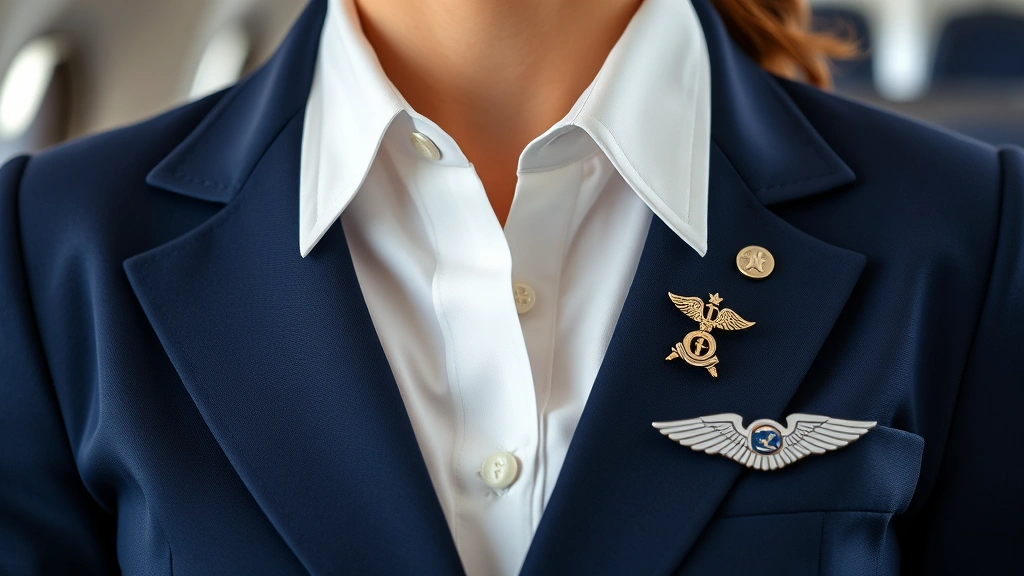
Accessories should remain minimal and refined. Include a simple watch with a professional appearance, small stud or modest drop earrings, and a simple necklace if desired. A hair clip or headband in a neutral color can help achieve the polished, put-together look characteristic of cabin crew. Consider adding a name tag or wings pin if available, as these items are iconic flight attendant accessories.
Hair should be styled neatly in either a sleek down style or a conservative updo like a bun or low ponytail. Makeup should appear natural and professional, with attention to foundation, subtle eye makeup, and a polished lip color. The overall effect should suggest competence, friendliness, and professional authority rather than glamour or fashion-forward styling.
Behind-the-Scenes Uniform Regulations
Understanding the regulatory framework governing flight attendant appearance requires awareness of aviation authorities and industry standards. The Federal Aviation Administration (FAA) establishes baseline safety requirements that influence uniform design, while individual airlines develop specific grooming codes based on brand identity and operational needs. These regulations exist to ensure passenger safety, maintain professional standards, and project the airline’s corporate image globally.
Airlines typically include detailed appearance standards in their crew manuals, covering everything from acceptable shoe heel heights to maximum jewelry quantities. These standards apply consistently across all crew members regardless of gender or role, though some airlines maintain separate guidelines for different cabin crew positions like flight attendants, pursers, or crew members with customer-facing responsibilities. Violation of appearance standards can result in crew members being removed from flight duty until they meet requirements, making compliance essential for employment.
The evolution of these standards reflects broader workplace changes, including increased diversity, evolving fashion norms, and recognition of crew member comfort and safety. Modern carriers increasingly permit variations in uniform styling based on individual preferences, offering options like pants for crew members who traditionally wore skirts, or headscarf accommodations for crew members with religious requirements. This evolution demonstrates how the aviation industry balances professional standards with inclusivity and respect for diverse crew member backgrounds.
Understanding essential tips for long haul flights includes recognizing how crew appearance standards support passenger comfort and safety. Well-groomed, uniformed crew members instill confidence in passengers, particularly during long international flights where crew professionalism significantly impacts passenger experience and perceived safety.
Modern Trends in Aviation Fashion
Contemporary flight attendant uniforms increasingly reflect modern fashion sensibilities while maintaining professional standards. Luxury carriers now collaborate with high-end fashion houses to create distinctive uniforms that serve as wearable brand ambassadors. These designer collaborations have elevated cabin crew fashion to new heights, with uniforms featuring innovative fabrics, unexpected color combinations, and sophisticated tailoring that rivals haute couture.
Sustainability represents an increasingly important trend in aviation uniform design. Airlines now seek uniforms made from eco-friendly, recycled, or responsibly sourced materials that reduce environmental impact without compromising durability or appearance. Some carriers have implemented uniform rental programs rather than requiring crew members to purchase uniforms, reducing waste and ensuring consistent quality control.
Inclusivity in uniform design has become a priority for progressive airlines, with carriers offering extended size ranges, different silhouettes, and styling options that accommodate diverse body types and personal preferences. Some airlines now permit crew members to choose between skirts and trousers regardless of gender, reflecting changing workplace norms and crew member comfort priorities.
Technology integration in uniform materials represents another emerging trend, with airlines exploring fabrics that regulate temperature, resist wrinkles naturally, or incorporate antimicrobial properties. These innovations support crew comfort during long flights while reducing maintenance requirements and extending uniform lifespan. Some carriers are testing smart fabrics that incorporate subtle technology without compromising professional appearance.
Practical Tips for Maintaining Professional Appearance
For aspiring flight attendants or those maintaining a flight attendant appearance for professional or recreational purposes, several practical strategies ensure consistent, polished presentation. Invest in quality basics that form the foundation of your uniform wardrobe. Well-made blazers, blouses, and trousers in neutral colors provide versatility and durability through frequent wearing and laundering.
Master pressing and ironing techniques to maintain crisp, wrinkle-free appearance throughout your day. Flight attendants develop systematic approaches to pressing uniforms, using high heat and proper technique to achieve sharp creases and smooth fabrics. Consider professional dry cleaning for blazers and structured pieces to maintain their shape and appearance.
Maintain consistent grooming routines that support professional appearance during early morning flights and long duty days. Develop efficient hair and makeup routines that produce polished results without requiring excessive time. Keep grooming supplies accessible during flights, including touch-up makeup, hair products, and breath mints.
Organize uniform components systematically to ensure you can quickly assemble complete, coordinated outfits. Use a dedicated closet space for uniform pieces, organizing by type and color for easy selection. Keep a backup uniform accessible in case of unexpected spills or damage during your shift.
Pay attention to footwear maintenance by keeping shoes polished, clean, and in good repair. Replace worn heels promptly and ensure shoes remain comfortable and supportive throughout long duty days. Maintain multiple pairs of approved shoes to rotate wear and extend lifespan.
Develop strategies for maintaining appearance during long flights by bringing appropriate touch-up supplies, staying hydrated, and taking breaks to refresh your appearance. Flight attendants often implement mid-flight grooming check-ins to ensure uniforms remain pristine and appearance meets standards throughout service.
When exploring the SkyVoyage Hub Blog, you’ll find additional resources about airline operations, crew standards, and travel industry insights that provide context for understanding flight attendant professionalism. These resources help travelers appreciate the dedication flight crews demonstrate in maintaining appearance standards while delivering excellent service.
For those seeking affordable options to develop their own flight attendant wardrobe, check out resources about finding budget-friendly travel options, which often include insights about airline operations and crew standards. Understanding airline economics provides perspective on why carriers invest significantly in uniform design and crew appearance standards.
Frequently Asked Questions
What are the typical requirements for flight attendant appearance?
Flight attendants must maintain immaculate uniforms, well-groomed hair, professional makeup, and approved footwear. Specific requirements vary by airline but generally include neatly styled hair, natural-looking makeup, minimal jewelry, trimmed nails, and closed-toe shoes with modest heels. Airlines provide detailed grooming codes specifying acceptable colors, styles, and standards for all appearance elements.
Can flight attendants wear makeup and nail polish?
Most airlines permit and encourage professional makeup application, though specific color guidelines vary. Makeup should enhance features while maintaining a natural, professional appearance suitable for all flight times. Nail polish is typically permitted in neutral or approved colors, with nails required to be trimmed short for safety and hygiene reasons. Chips or damaged polish require immediate correction.
Are there different uniform standards for male and female flight attendants?
Modern airlines increasingly offer uniform options that accommodate all gender identities and personal preferences. While some carriers maintain separate uniform lines, progressive airlines now permit crew members to choose between skirts and trousers regardless of gender, reflecting changing workplace standards and crew member comfort priorities.
How often do airlines update their uniform designs?
Uniform updates vary significantly by carrier, with some airlines maintaining signature styles for decades while others refresh designs every five to ten years. Updates typically occur when airlines undergo rebranding, when uniform suppliers discontinue fabrics or styles, or when airlines decide to modernize their image. Major updates often coincide with significant airline milestones or leadership changes.
What should I wear for a flight attendant interview?
Candidates should wear business professional attire that demonstrates understanding of airline standards without attempting to replicate actual uniforms. A well-fitted blazer, professional blouse, tailored skirt or trousers, and closed-toe shoes in neutral colors create appropriate interview appearance. Ensure hair is neatly styled, makeup is professional, and jewelry is minimal and refined. This demonstrates respect for the role and understanding of professional presentation standards.
Can I purchase authentic airline uniforms for costume purposes?
Purchasing actual airline uniforms for costume purposes is generally not recommended, as wearing authentic uniforms outside professional contexts may violate airline policies or create confusion with legitimate crew members. Instead, assemble costume pieces from standard business attire retailers that capture the flight attendant aesthetic without using actual airline uniforms. This approach allows you to create an authentic-looking costume while respecting airline intellectual property and professional standards.
What certifications or training address flight attendant appearance standards?
Flight attendant training programs include comprehensive modules on appearance standards, grooming requirements, and uniform care as part of initial certification. The International Civil Aviation Organization (ICAO) establishes international standards that influence training content, while individual airlines develop specific curriculum addressing their unique requirements. Ongoing training updates address changes to appearance standards and grooming policies.
How do flight attendants maintain appearance during international flights?
Flight attendants employ strategic grooming techniques to maintain appearance across multiple time zones and long duty days. Many carry portable touch-up kits including makeup, hair products, and wrinkle release sprays. Crew members often change into fresh uniforms for significant time zone transitions, and many airlines provide rest facilities where crew members can freshen up during layovers. Staying hydrated, managing fatigue, and maintaining consistent skincare routines support appearance maintenance during demanding schedules.