Dress Codes for Flight Attendants: Expert Insights
Flight attendants represent the face of airlines worldwide, and their appearance plays a crucial role in maintaining professional standards and passenger confidence. The dress code for flight attendants is far more than just a uniform requirement—it’s a carefully crafted standard that balances professionalism, safety, comfort, and brand identity. Understanding these expectations provides insight into the rigorous standards of the aviation industry and helps aspiring crew members prepare for this rewarding career path.
Whether you’re considering a career in aviation or simply curious about the professional requirements that flight attendants must meet, this comprehensive guide explores the nuances of flight attendant dress codes. We’ll examine how different airlines approach uniform standards, the practical considerations that influence these guidelines, and the evolving nature of professional appearance in modern aviation. From traditional carriers to budget airlines, each organization maintains distinct standards that reflect their brand values and operational philosophy.
Understanding Airline Uniform Standards
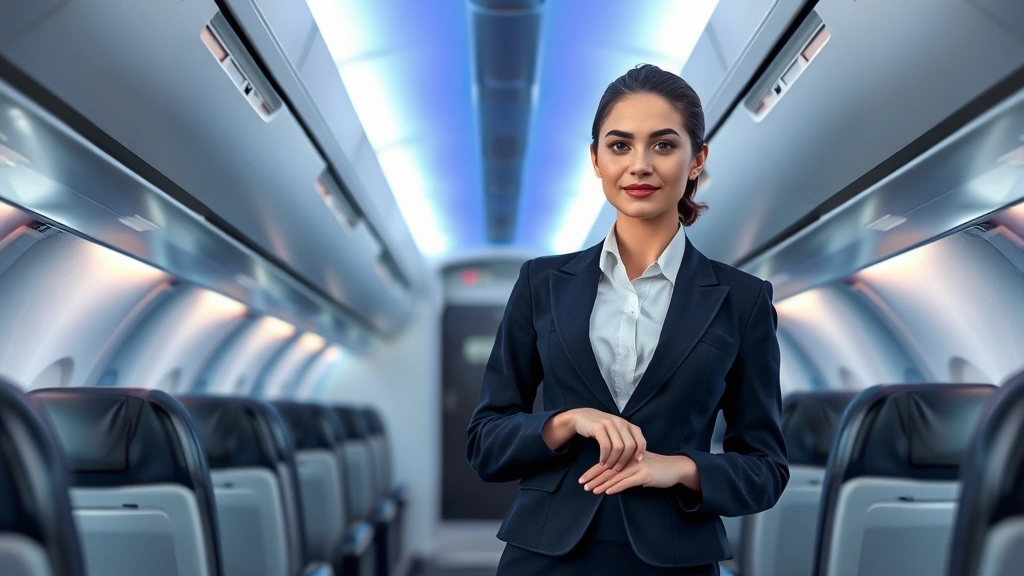
The flight attendant uniform serves multiple critical functions beyond aesthetics. It establishes immediate passenger recognition, projects airline authority and professionalism, and contributes to safety protocols during emergencies. Major airlines invest substantially in uniform design, working with fashion designers and ergonomic specialists to create garments that balance appearance with functionality.
Most major carriers maintain detailed dress code policies documented in crew manuals and training materials. These guidelines specify acceptable colors, styles, fit requirements, and acceptable modifications. Airlines recognize that flight attendants represent their brand during every interaction with passengers, making appearance standards an integral part of brand management. When exploring best airlines for long flights, passenger experience—including crew presentation—significantly influences overall satisfaction ratings.
The strictness of dress codes varies considerably across the industry. Legacy carriers like American Airlines, Delta, and United typically maintain more formal, conservative standards, while some international and regional carriers adopt more relaxed approaches. Budget airlines often use simpler, more practical uniforms that prioritize functionality over formality.
Components of Professional Flight Attendant Uniforms
A complete flight attendant uniform typically includes several essential elements, each selected for both professional presentation and practical functionality during flights. Understanding these components helps explain why airlines maintain such specific dress code requirements.
Primary Uniform Pieces
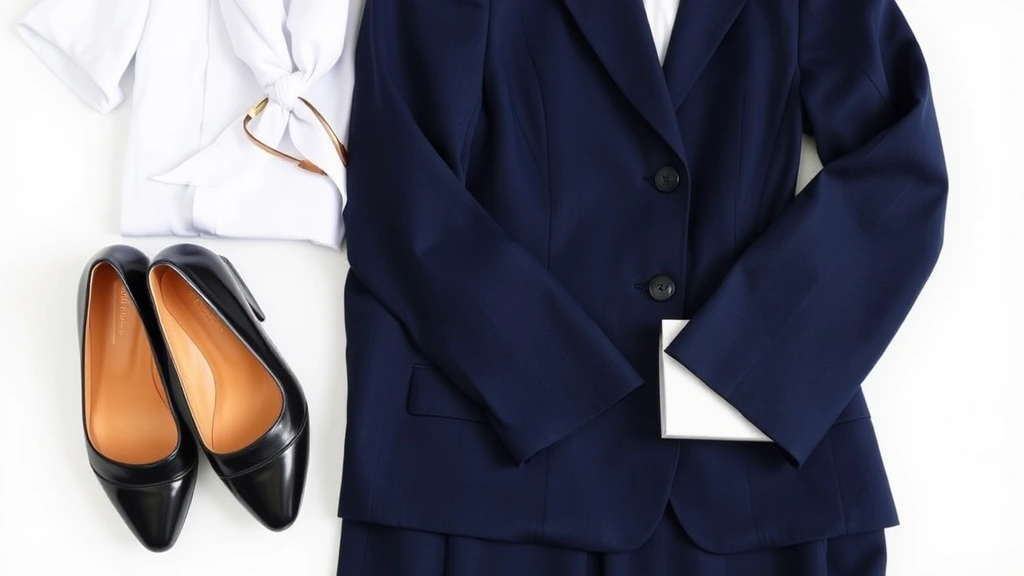
- Jackets and Blazers: Most airlines require flight attendants to wear tailored jackets or blazers in standard colors, typically navy, black, or burgundy. These pieces establish authority and professionalism while providing a polished appearance during passenger interactions.
- Trousers and Skirts: Airlines typically offer options between tailored trousers and skirts in matching colors. Fit requirements are specific, with guidelines about length, width, and proper tailoring to maintain a neat appearance throughout long flight days.
- Blouses and Shirts: Standard white, cream, or airline-branded blouses are typical requirements. These must meet specific fit standards and fabric specifications to ensure durability and professional appearance.
- Ties and Scarves: Many airlines require neckwear as part of the complete uniform. Silk scarves, ties, or specialized neck pieces coordinate with the overall uniform and add distinctive brand elements.
Beyond these primary pieces, airlines specify requirements for shoes, hosiery, and accessories. Shoes typically must be closed-toe, black, and comfortable enough for standing throughout long flights. Hosiery requirements vary by airline and uniform piece, with many carriers requiring neutral tones that complement the overall look.
When considering a career in aviation, understanding these requirements is essential. The booking process and airline operations you’ll support as crew depend partly on maintaining professional standards that passengers expect.
Grooming and Appearance Requirements
Beyond the uniform itself, airlines maintain detailed grooming standards that extend to hair, makeup, nails, and overall personal presentation. These requirements ensure consistency and professionalism across the entire flight crew.
Hair and Grooming Standards
Most airlines require neat, well-maintained hairstyles that project professionalism. Specific requirements typically include:
- Hair must be clean and neatly styled
- Hair color must be natural or natural-looking (some carriers are becoming more flexible on this requirement)
- Long hair is typically required to be secured in a bun, ponytail, or similar style
- Hair must not obstruct the face or interfere with safety equipment like oxygen masks
- Facial hair standards vary, with many carriers requiring male flight attendants to be clean-shaven or maintain neatly trimmed beards
Makeup and Nail Standards
Airlines typically require flight attendants to wear professional makeup that enhances features without appearing theatrical or excessive. Nail requirements have evolved significantly in recent years, with many carriers now accepting natural nail polish in neutral tones. Some airlines still maintain restrictions on nail length for safety reasons, particularly regarding the ability to operate emergency equipment effectively.
Jewelry and Accessories
Professional jewelry guidelines typically include minimal, understated pieces. Most airlines allow small earrings, watches, and wedding bands, while prohibiting large statement pieces, body jewelry, or excessive accessories that might distract from professional appearance or pose safety risks.
Tattoo and piercing policies have evolved considerably across the industry. Many modern carriers now accept visible tattoos if they can be covered by the uniform, and some accept discrete visible tattoos. Piercing policies typically allow only standard ear piercings, though progressive airlines are becoming more inclusive of diverse personal expression.
Airline-Specific Dress Code Variations
Different airlines maintain distinct approaches to flight attendant dress codes, reflecting their brand identity and operational philosophy. Understanding these variations illustrates the diversity within the aviation industry.
Legacy Carriers
American Airlines, Delta, and United maintain relatively formal, traditional dress codes that emphasize classic elegance and professionalism. These carriers typically require tailored jackets, specific hosiery, and conservative grooming standards. Their approach reflects decades of aviation tradition and appeals to business travelers who value formality.
International Carriers
Airlines like Singapore Airlines, Lufthansa, and British Airways are renowned for sophisticated, fashion-forward uniform designs. These carriers often collaborate with renowned designers and maintain high standards of appearance as part of their premium brand positioning. Singapore Airlines, in particular, has made its flight attendant uniforms iconic through meticulous design and grooming requirements.
Budget and Low-Cost Carriers
Southwest Airlines and other budget carriers maintain more relaxed dress codes that prioritize comfort and practicality. Southwest’s casual uniform approach, including the iconic shorts option, reflects the airline’s friendly, approachable brand identity while maintaining professional standards.
Regional and Specialty Airlines
Regional carriers and specialty airlines often adapt dress codes to their specific market positioning. Some adopt business-casual approaches, while others maintain formal standards. The evolution of aviation experiences includes variations in crew presentation that reflect changing passenger expectations.
Safety Considerations in Uniform Design
While aesthetics matter significantly, safety remains the paramount consideration in flight attendant uniform design. Every element of the dress code incorporates safety principles that ensure crew can respond effectively to emergencies.
Shoe requirements emphasize comfort and safety. Flight attendants must navigate narrow aisles, handle heavy equipment, and potentially evacuate aircraft during emergencies. Shoes must provide adequate support and traction without compromising professional appearance. Many airlines specifically prohibit high heels or shoes with excessive heel heights that could impede movement.
Hair requirements that mandate secured styles prevent interference with oxygen masks and emergency equipment. During decompression events or emergency procedures, hair must not obstruct vision or interfere with proper mask fitting. Similarly, jewelry restrictions prevent items from catching on equipment or causing injury during turbulence or emergency situations.
Uniform fabric specifications ensure durability and appropriate function in varied aircraft environments. Fabrics must resist wrinkles during long duty days, withstand repeated washing, and maintain professional appearance throughout extended flights. Some carriers specify flame-resistant or specially treated fabrics that provide additional safety properties.
Understanding long-haul flight requirements reveals how uniform design accommodates extended duty periods while maintaining professional standards and crew safety.
Modern Trends and Evolution of Flight Attendant Fashion
Flight attendant dress codes have evolved significantly over decades, reflecting changing social norms, gender equality advances, and modern fashion sensibilities. The profession has moved away from the highly gendered, restrictive standards of earlier eras toward more inclusive, practical approaches.
Inclusivity and Diversity
Modern airlines increasingly recognize that diverse crews reflect their global passenger base. Updated dress codes now offer greater flexibility in uniform options, allowing flight attendants to choose between traditionally masculine and feminine styles regardless of gender identity. Some carriers now provide pants options for all crew members, eliminating the gender-based distinctions that characterized historical dress codes.
Comfort and Functionality
Contemporary uniform design prioritizes comfort during long duty periods. Modern fabrics incorporate stretch materials, moisture-wicking properties, and ergonomic cuts that accommodate the physical demands of the job. Airlines recognize that comfortable crew members provide better passenger service and maintain professional appearance more effectively throughout extended flights.
Sustainability Considerations
Progressive airlines increasingly consider environmental impact in uniform design and production. Some carriers now source sustainable fabrics, implement uniform recycling programs, and reduce overall garment production through more durable designs. This reflects broader industry trends toward environmental responsibility.
Personalization and Brand Expression
While maintaining professional standards, some airlines now allow greater personal expression within dress code parameters. Flexible hair color policies, visible tattoo acceptance, and diverse jewelry options reflect recognition that modern professionals value authenticity and self-expression alongside professionalism.
Practical Tips for Flight Attendants
For those pursuing or currently working in flight attendant roles, understanding and exceeding dress code standards enhances career prospects and passenger interactions.
Uniform Care and Maintenance
- Regular Cleaning: Maintain uniforms in pristine condition through regular washing and dry cleaning. Most airlines provide guidance on appropriate cleaning methods to preserve fabric quality and appearance.
- Proper Storage: Store uniforms on hangers in a dedicated space to prevent wrinkles and maintain shape. During layovers, pack uniforms carefully to minimize creasing.
- Quick Repairs: Keep a small sewing kit accessible for minor repairs. Loose buttons, small seams, or hem issues should be addressed immediately to maintain professional appearance.
- Shoe Maintenance: Keep shoes polished and in excellent condition. Scuffed or worn shoes immediately detract from overall professional presentation.
Grooming Routine Optimization
Develop efficient grooming routines that work within flight schedules and varying time zones. Carry touch-up essentials including makeup, hair products, and grooming tools to refresh appearance during layovers. Many experienced flight attendants maintain small kits specifically designed for in-flight grooming touch-ups.
Understanding Individual Airline Standards
Each airline maintains specific dress code nuances. Upon hiring, thoroughly review your carrier’s crew manual and attend training focused on uniform and appearance standards. Ask supervisors for clarification on any ambiguous requirements, as interpretation can vary between bases and supervisory personnel.
Professional Development Through Appearance
Flight attendants seeking advancement to senior crew positions, training roles, or management should recognize that appearance standards extend beyond minimum requirements. Exceeding dress code standards through meticulous grooming, well-maintained uniforms, and polished presentation demonstrates professionalism that influences career advancement opportunities.
When exploring aviation career resources and industry insights, recognize that presentation standards remain integral to professional development in this customer-facing industry.
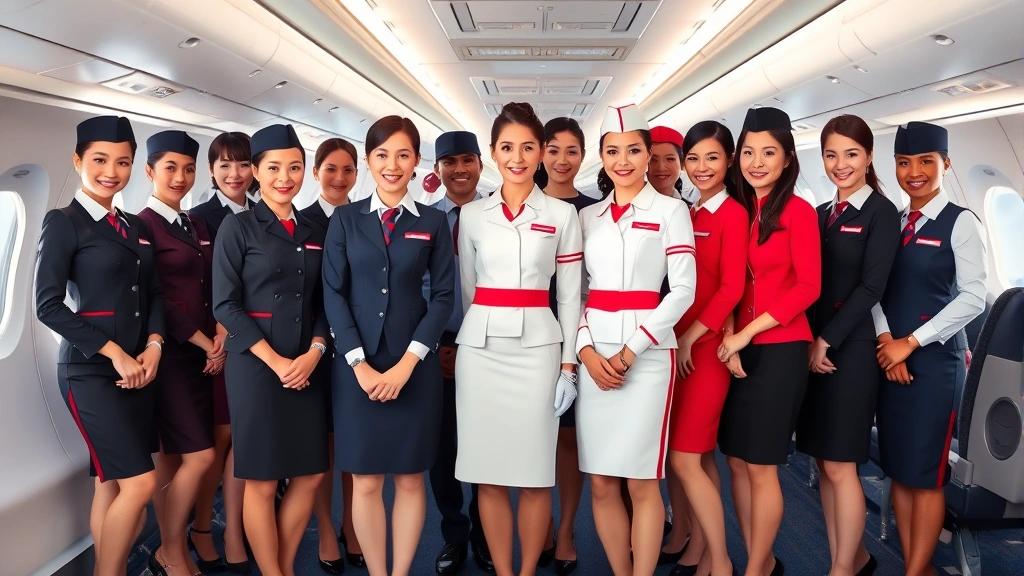
Understanding airline operational requirements extends to crew standards, as dress codes reflect the professionalism and attention to detail that characterizes safe, efficient airline operations.
FAQ
What are the typical shoe requirements for flight attendants?
Most airlines require closed-toe, professional shoes in black or navy. Shoes must be comfortable for standing throughout long flights, typically featuring low to moderate heels (1-2 inches). Many carriers prohibit high heels, flip-flops, and athletic shoes. Comfort and safety take precedence over fashion considerations.
Can flight attendants wear visible tattoos?
Policies vary significantly by airline. Many modern carriers accept visible tattoos if they can be covered by the uniform, or if located on arms, legs, or other areas covered by standard uniforms. Some progressive airlines now accept discrete visible tattoos. Always review your specific airline’s policy, as standards continue evolving toward greater inclusivity.
Are flight attendants required to wear makeup?
Most airlines require professional makeup for female flight attendants but allow discretion regarding specific colors and styles, provided appearance remains polished and professional. Male flight attendants typically have no makeup requirements but must maintain clean-shaven or neatly groomed facial hair. Standards vary by airline and are increasingly moving toward individual choice while maintaining professionalism.
What happens if a flight attendant doesn’t meet dress code standards?
Dress code violations can result in disciplinary action ranging from warnings to suspension, depending on severity and frequency. Flight attendants may be prevented from operating flights if appearance fails to meet standards. Serious or repeated violations can affect employment status and career advancement opportunities.
How often do airlines update flight attendant dress codes?
Airlines periodically review and update dress codes to reflect changing social norms, fashion trends, and operational needs. Major updates often occur every 5-10 years, though specific policy adjustments happen more frequently. External links to major airline websites provide current, official dress code information.
Do all flight attendants wear the same uniform style?
While all crew members wear airline-issued uniforms, many carriers offer style variations. Options typically include different jacket styles, pants or skirt choices, and sometimes seasonal variations. Uniform sizing accommodates diverse body types, though fit standards remain consistent across all crew members.
What is the dress code for flight attendants during training?
During initial training, flight attendants typically wear business casual or formal business attire. Once training concludes and crew members begin operating flights, full uniform requirements apply. Specific training dress code requirements are provided during the hiring and onboarding process.