Flight Board Hacks: Frequent Flyer Insights & Airport Secrets
Decoding airport departure and arrival boards has become an art form for seasoned travelers. Whether you’re a frequent flyer racking up miles or a casual passenger navigating busy terminals, understanding flight board information can transform your airport experience. This comprehensive guide reveals insider secrets that airlines, gate agents, and veteran travelers use to navigate airports more efficiently, catch flights they thought they’d miss, and stay ahead of delays before they’re officially announced.
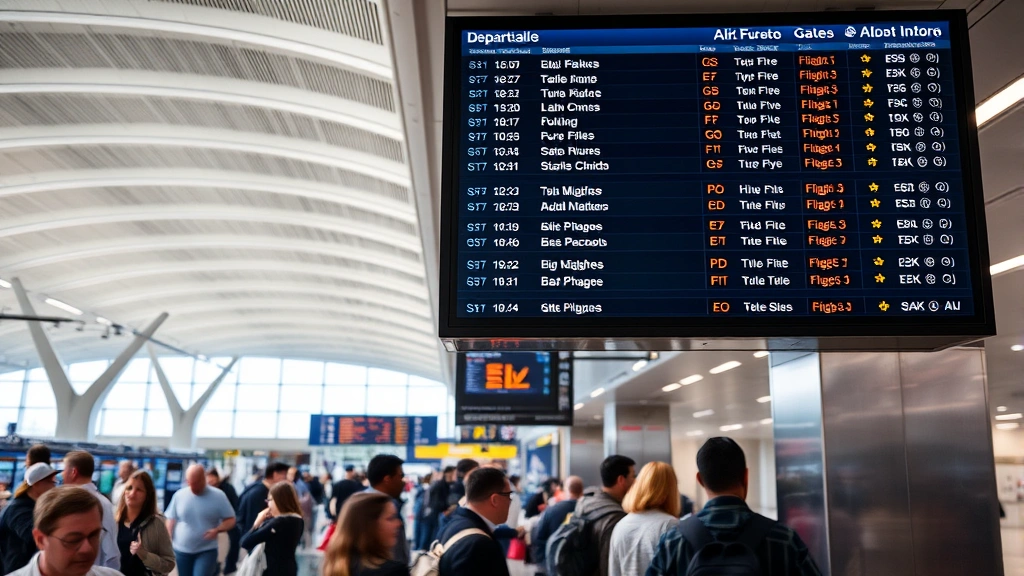
Flight boards display far more information than most travelers realize. Beyond the basic gate number and departure time, these electronic displays contain coded messages, status indicators, and timing patterns that reveal the true operational status of your flight. Learning to read these boards like a professional can give you precious minutes to grab a coffee, find your gate, or adjust your travel plans before the crowd discovers a delay.
Decoding Flight Board Status Codes
Every flight board contains standardized codes that communicate critical information. The most important status indicator is the actual flight status—and this is where frequent flyers gain their edge. When you see “On Time” displayed, this typically means the flight departed or will depart within 15 minutes of the scheduled time. However, experienced travelers know that “On Time” can change rapidly, sometimes without immediate announcement.
The “Delayed” status is straightforward, but the devil is in the details. A flight marked as delayed for 30 minutes at 2 PM might show a different delay at 2:15 PM. Frequent flyers monitor these status updates obsessively because each update can trigger different passenger behaviors—some will abandon the gate area, others will line up to rebook, and some will simply wait. The best time to approach the gate agent with questions is during the first update, before the crowd realizes the situation.
“Boarding” status indicates the gate agent has opened the doors and is accepting passengers. However, the Sky Voyage Hub Blog notes that seasoned travelers know boarding typically lasts 30-40 minutes before the final call. This window is crucial—it’s when you can still make last-minute changes, ask questions without holding up a line, or find a better seat through the gate agent.
“Final Call” means the gate will close within minutes. This is the point where experienced frequent flyers either commit to boarding or know they’ve missed this flight. The “Final Call” status usually lasts 5-10 minutes in real time, giving determined passengers a narrow window to sprint to the gate.
“Gate Closed” indicates no more passengers will be accepted for this flight. However, there’s a crucial distinction: the door might be physically closed but the aircraft hasn’t yet pushed back. Frequent flyers know that reaching the gate even after “Gate Closed” can sometimes result in acceptance if the jetway is still connected and the flight hasn’t begun taxi procedures.
Time-Based Patterns and Predictions
The scheduled departure time shown on the flight board is just the beginning. Frequent flyers understand that departure times follow predictable patterns based on aircraft type, airline procedures, and time of day. A 6 AM departure typically boards 45 minutes prior, while a 2 PM departure might board only 30 minutes before due to faster turnaround procedures.
The “Actual” departure time, once the aircraft pushes back from the gate, becomes the official departure time for regulatory purposes. This is why some passengers see their flight “delayed” by 10 minutes even though it departed on the originally scheduled time—the aircraft was late pushing back. Understanding this distinction helps frequent flyers predict when gates will reopen for the next flight and when congestion will ease in the terminal.
Arrival time boards work similarly, but with additional complexity. The time displayed is the scheduled arrival time at the destination airport, but experienced travelers know that actual arrival depends on air traffic control, weather patterns, and ground delays at the destination. A flight showing “On Time” for a 5 PM arrival might actually land at 5:15 PM and not reach the gate until 5:30 PM, which matters significantly if you’re making a connection.
Frequent flyers check flight boards strategically throughout their airport journey. The first check comes immediately upon arrival at the airport—this establishes baseline information. The second check occurs 30 minutes before scheduled boarding—this catches early delays and gate changes. The third check happens just before heading to the gate—this confirms boarding has begun or identifies any last-minute changes.
Gate Changes and Tactical Positioning
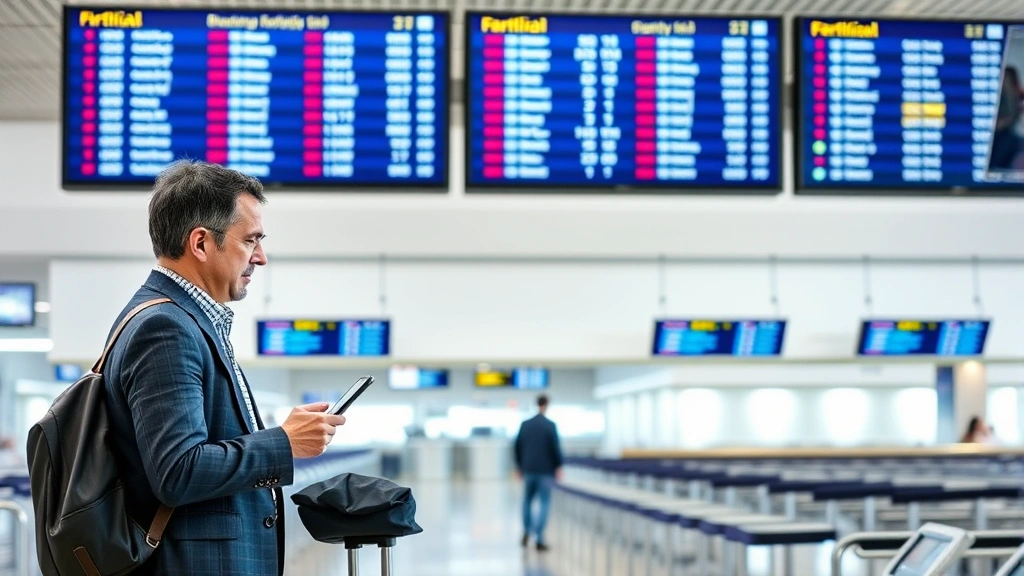
Gate changes are perhaps the most disruptive flight board updates, and frequent flyers have developed sophisticated strategies to handle them. When you see “Gate Change” or a gate number being updated, this creates a cascade of passenger movement that savvy travelers can use to their advantage.
The tactical approach starts with understanding why gates change. Airlines adjust gates based on aircraft size, equipment issues, connection timing, or operational efficiency. A flight initially assigned to a distant gate might be moved to a closer gate 30 minutes before departure—this is good news. Conversely, a flight might move to a more distant gate if that gate becomes available and the original gate is needed for an arriving aircraft.
When a gate change is announced, most passengers don’t move immediately—they assume they’ll be notified again or they check their phone for airline app updates. Frequent flyers, however, head to the flight board immediately, confirm the new gate number, and position themselves accordingly. By the time most passengers realize the change, the frequent flyer is already near the new gate, potentially closer to the boarding area.
Experienced travelers also know that gate information displayed on flight boards is updated in real-time at major hubs but might lag at smaller airports. At major airports like Atlanta, Chicago, or Dallas, the flight board is the authoritative source. At smaller regional airports, asking a gate agent directly sometimes yields more current information than the board itself.
The flight attendant uniform you see heading to a gate is another indicator worth noting. Crew members typically arrive 45-60 minutes before departure. Seeing crew arriving at a gate confirms that the flight is progressing on schedule, while the absence of crew 30 minutes before scheduled departure might indicate a delay hasn’t been officially announced yet.
Reading Between the Lines
Professional frequent flyers develop an intuition about what flight board information really means. A flight marked “Boarding” with no visible passenger activity at the gate might indicate a technical delay—the gate agent is holding the door closed while mechanics address an issue. A flight showing “On Time” but with an unusually early boarding time might indicate the airline is trying to recover a delay from an inbound aircraft.
The equipment type displayed on some flight boards provides crucial information. A regional jet (CRJ, ERJ) typically boards faster than a wide-body aircraft (777, 787), so a flight board showing a regional jet departure might board 20 minutes before departure rather than 45 minutes. Conversely, a wide-body international flight might board 90 minutes before departure.
When checking flight boards for arrival times, frequent flyers pay attention to the current time versus scheduled arrival time. If it’s 3:15 PM and a flight is scheduled to arrive at 3:40 PM but still shows “In Flight,” something is amiss. The aircraft should be visible on radar approaching the airport, and if it’s not close enough, the flight board should show a delay. This discrepancy sometimes indicates the airline hasn’t updated the system yet, but experienced travelers know to ask a gate agent or check FAA flight tracking for real-time information.
Gate agent behavior at the flight board is perhaps the most reliable indicator of actual flight status. A gate agent calmly managing the boarding queue suggests the flight is progressing normally. A gate agent frequently checking information systems, taking phone calls, or consulting with other staff members suggests complications are developing.
The number of passengers visible at a gate can also indicate flight status. If a gate is scheduled to begin boarding in 15 minutes but has only a handful of passengers present, either the flight is delayed and passengers haven’t arrived yet, or passengers haven’t received the gate information. Frequent flyers use this observation to determine whether to head to the gate immediately or wait for boarding to actually commence.
Frequent Flyer Advantages
Frequent flyer status provides tangible advantages when navigating flight boards and airport operations. Elite frequent flyers receive real-time notifications through airline apps that sometimes update faster than the physical flight boards. Some airlines send push notifications about gate changes to elite members minutes before the general boarding area receives the announcement.
Understanding airline operations helps frequent flyers predict which flights will be overbooked, which flights will have equipment changes, and which airlines tend to hold gates open longest for connecting passengers. This knowledge comes from flying the same routes repeatedly and noticing operational patterns.
Frequent flyers also leverage lounge access to monitor flight boards from a quieter environment while enjoying complimentary food and beverages. Many airline lounges display flight information on large screens, and lounge staff often provide updates before general announcements. This creates a significant information advantage—elite frequent flyers know about delays, gate changes, and boarding delays before the general population.
The relationship between frequent flyers and gate agents also matters. When you fly frequently on the same airline, you become a recognizable face to gate staff. This familiarity can translate to gate agents giving you a heads-up about delays, gate changes, or boarding procedures before official announcements. It’s not special treatment—it’s simply human connection between people who see each other regularly.
Frequent flyers also understand airline scheduling patterns. They know that Tuesday through Thursday flights are typically less congested, that early morning flights (before 6 AM) have the most predictable boarding and departure times, and that afternoon flights (2-5 PM) are most susceptible to cascade delays from earlier flights in the system.
Technology and Mobile Integration
Modern flight boards increasingly integrate with mobile technology, giving frequent flyers real-time information on their phones. Most major airlines offer apps that display flight status, gate information, and boarding status that sometimes updates faster than the physical airport boards.
However, experienced frequent flyers know that airport flight boards remain the authoritative source, especially for gate changes. Airline apps sometimes show outdated information, particularly during busy travel periods when the system is processing thousands of updates simultaneously. The physical flight board at the airport, updated by airport operations staff, typically shows the most current information.
Many airports now offer flight information via text message or mobile websites. These services can be invaluable for travelers waiting in restaurants or retail areas, allowing them to monitor flight status without remaining at the gate. Frequent flyers often subscribe to multiple notification methods—airline app, airport text alerts, and direct monitoring of the physical board—creating a comprehensive information network.
Some airports offer augmented reality applications that overlay flight information on your phone camera, showing you the direction to gates and real-time flight updates. While these technologies are still emerging, frequent flyers who adopt them gain efficiency advantages in large airport terminals.
The integration of flight board information with seat assignment systems is also important. Some airlines now display seat assignment information at gates, allowing passengers to see their assigned seats before boarding even begins. Frequent flyers use this information to determine whether to board early (if they’re in a desirable seating position) or board later (if they’re in a less desirable location and want to avoid the initial boarding rush).
Airport-Specific Board Variations
Different airports operate flight boards with different systems and update frequencies. Major hub airports like Hartsfield-Jackson Atlanta International use sophisticated real-time systems with multiple redundancies, while smaller regional airports might have simpler systems with less frequent updates.
International airports display additional information on flight boards, including customs and immigration requirements, baggage claim information, and terminal information for connecting passengers. Frequent international travelers develop expertise in reading these expanded boards, understanding which terminals handle which airlines and which baggage carousels typically receive connecting luggage.
Some airports organize flight boards by airline, while others organize by departure time or destination. Los Angeles International Airport, for example, uses a terminal-based system where each airline has its own terminal and flight boards are organized accordingly. Frequent flyers at LAX develop mental maps of which airlines depart from which terminals, reducing the cognitive load of finding their flight.
The time required for cross-country flights and the duration of flights to Hawaii help frequent flyers predict connection times and understand whether they’re making tight connections. This knowledge becomes invaluable when reading flight boards at connection airports—a 90-minute connection might be comfortable for some routes but dangerously tight for others.
Frequent flyers also understand that flight boards at connection airports display different information than flight boards at origin airports. At your connection point, the flight board primarily shows departure information for your continuing flight, but it also displays the expected arrival time of your inbound flight. Comparing these times helps you determine whether you’ll make your connection or should prepare to rebook.
International flight boards often display visa and passport information, vaccination requirements, and customs procedures. Frequent international travelers use this information to confirm they’ve met all entry requirements for their destination and to understand which gates will process international departures (which typically require additional security screening).
FAQ
What does “TBD” mean on a flight board?
“TBD” (To Be Determined) typically indicates that a gate assignment hasn’t been finalized. This usually occurs for flights scheduled to depart more than an hour in the future. Frequent flyers know that TBD gate assignments usually update 45-60 minutes before departure. If a flight still shows TBD 30 minutes before departure, it might indicate an operational issue.
Why do flights sometimes show different times on the flight board versus the airline app?
Flight boards and airline apps pull information from different systems that update at different intervals. The flight board at the airport is updated by airport operations staff, while the airline app is updated by the airline’s systems. During busy periods, these systems can be out of sync for 5-10 minutes. The physical flight board at the airport is generally more current for gate information, while the airline app is more current for seat assignments and boarding status.
What’s the difference between “Scheduled” and “Estimated” departure times?
“Scheduled” is the official departure time set by the airline. “Estimated” is the actual predicted departure time based on current conditions. When these differ, the flight is either expected to depart early or late. Frequent flyers monitor the difference between these times to predict congestion at the gate and plan their movements accordingly.
Can you really still board after “Gate Closed” is announced?
Technically, yes, but it’s extremely rare and depends on whether the aircraft is still at the gate and hasn’t begun pushback. If you arrive at the gate after “Gate Closed” is announced, the gate agent might still accept you if the jetway is connected and the flight crew hasn’t begun final preparations. However, don’t count on this—if you see “Gate Closed,” you’ve likely missed the flight unless you immediately reach the gate agent.
How can I predict delays before they’re officially announced?
Monitor the flight board for status updates, watch for gate agent activity, observe the number of passengers at the gate, check if crew members have arrived, and note the aircraft equipment type. A flight with all these factors in place will likely depart on time. If any factor is missing 20 minutes before departure, a delay might be coming.
What does it mean when a flight shows a new gate number?
Gate changes happen for operational reasons—equipment issues, connection timing, or aircraft size changes. When you see a gate change, move to the new gate immediately. The new gate is usually shown on the flight board 15-30 minutes before boarding begins, and frequent flyers position themselves there before the crowd realizes the change.
Should I trust the flight board or the airline app more?
Use both. The flight board is more current for gate changes and real-time status updates. The airline app is more current for seat assignments, boarding group information, and sometimes pushback times. Frequent flyers monitor both simultaneously to get the most complete picture of their flight status.
How far in advance do airlines typically post gate information?
Gate information is usually posted 45-60 minutes before scheduled departure at major airports. At smaller airports, gates might be posted 30-45 minutes before departure. International flights typically have gates posted 60-90 minutes before departure due to additional security and customs procedures.
What should I do if my flight isn’t showing on the flight board?
First, confirm you’re looking at the correct date and time. Flight boards sometimes display flights in 24-hour format, which can cause confusion. If your flight truly isn’t showing, ask a gate agent—the flight might be displaying under a different flight number, or there might be a system issue. Occasionally, flights are cancelled before the flight board is updated, so this is important information to confirm directly.
Can you check flight boards without being at the airport?
Yes. Most airports offer online flight information on their websites, and all major airlines provide real-time flight tracking through their apps and websites. You can also use independent flight tracking websites like FlightRadar24 to monitor flight status in real-time, including current altitude, speed, and position. These tools are invaluable for frequent flyers who want to monitor flights before heading to the airport.