
Flight Club App Review: User Experiences and Real Traveler Insights
The Flight Club app has emerged as a game-changer for budget-conscious travelers seeking affordable airfare deals. Whether you’re planning a weekend getaway or a major international adventure, understanding real user experiences with this popular flight-tracking application can help you decide if it’s the right tool for your travel planning arsenal. This comprehensive review examines what actual users love about Flight Club, where it falls short, and how it compares to competing fare-alert services in today’s competitive travel app landscape.
Flight Club gained significant traction among frequent flyers and occasional travelers alike, particularly those in major metropolitan areas like Flight Club Clayton and other regional hubs. The app’s primary appeal lies in its ability to monitor thousands of flight routes simultaneously and alert users to significant price drops before deals disappear. However, like any digital tool, the Flight Club app experience varies considerably depending on individual travel patterns, device compatibility, and notification preferences.
What Is Flight Club and How Does It Work
Flight Club is a flight deal aggregator and price-tracking application designed to help travelers discover cheap flights before prices increase. The app monitors airfare across multiple airlines and booking platforms, comparing prices across thousands of routes daily. When the algorithm detects a significant price drop—typically 20-50% below typical fares for a specific route—the app sends notifications to users who’ve added that route to their watchlist.
The fundamental concept behind Flight Club is straightforward: set your preferred departure and destination cities, specify your travel dates or date flexibility, and let the algorithm work in the background. Users receive push notifications when exceptional deals matching their criteria emerge. This passive monitoring approach appeals particularly to flexible travelers who can adjust their schedules to capitalize on last-minute savings. The app integrates with major airline booking systems and travel platforms, pulling real-time pricing data to ensure accuracy.
Understanding how Flight Club operates helps users set realistic expectations about deal frequency and notification timing. The app doesn’t guarantee daily alerts; instead, it delivers notifications only when genuine deals matching your specific criteria surface. This selective notification approach differs from some competitors that bombard users with frequent alerts about marginal price reductions.

User Interface and App Navigation Experience
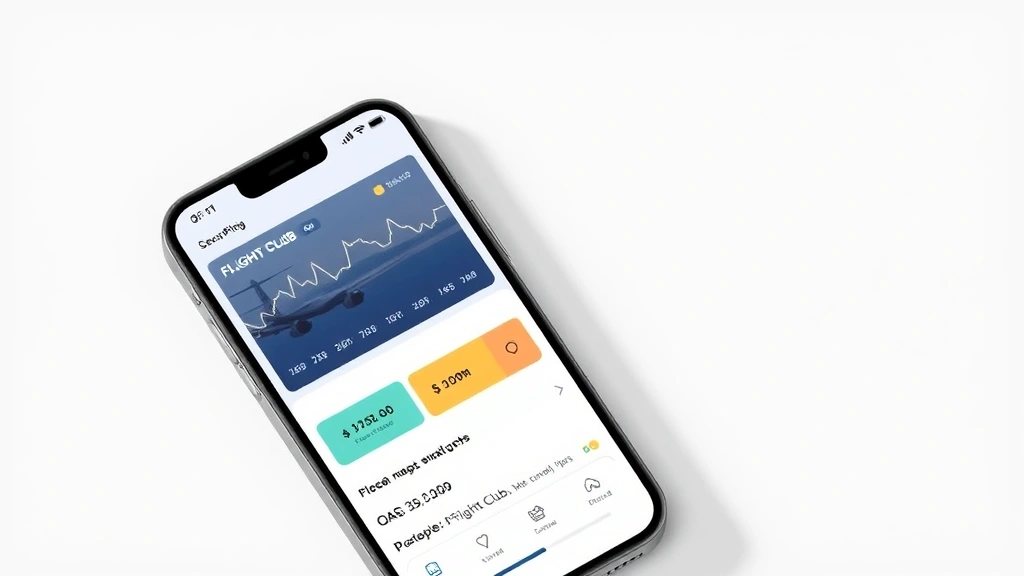
One of Flight Club’s strongest attributes, according to user reviews, is its clean and intuitive interface. Most travelers report that navigating the app requires minimal learning curve, even for less tech-savvy users. The dashboard presents essential information prominently: your saved routes, current deal alerts, and price trend graphs for monitored flights.
The app’s search functionality allows users to quickly add new routes to monitor. Simply entering your departure city and destination city, along with date preferences, takes just seconds. The interface displays historical pricing data in graph format, showing price trends over the past several months. This visualization helps users understand whether current prices represent genuine deals or typical market rates.
Users particularly appreciate the ability to customize notifications extensively. You can set price thresholds, choose notification frequency, and select preferred airlines. This customization prevents notification fatigue, a common complaint with less sophisticated fare-alert tools. The app also features a “deals” section showcasing current bargains, organized by destination popularity and savings percentage.
However, some users report occasional lag when loading price history graphs for multiple routes simultaneously. Mobile device performance varies, with users on older smartphones sometimes experiencing slower app responsiveness. The iPad and tablet experience receives mixed reviews, with some users noting that the interface doesn’t fully optimize for larger screens.
Notification Accuracy and Deal Quality
The accuracy of Flight Club’s price alerts represents a critical factor in user satisfaction. Most reviews indicate that notifications generally point to legitimate deals, though “legitimate” varies based on individual expectations. A deal flagged by the algorithm might represent a 30% savings compared to average fares but might still seem expensive to users accustomed to ultra-budget carriers.
Experienced travelers report that Flight Club’s algorithms excel at identifying regional deals—flights from secondary airports or during off-peak seasons. Users from major metropolitan areas often find more valuable deals than those in smaller markets. For instance, travelers monitoring routes from Flight Club Clayton or similar mid-sized cities report receiving fewer alerts but higher-quality deals when notifications do arrive.
The timing of notifications affects user experience significantly. Some users receive alerts immediately when prices drop, while others report delays of several hours. This timing variation can determine whether users successfully book deals before prices rebound. Several reviewers mention that the fastest deal-cappers often secure flights within minutes of price drops, suggesting that notification speed matters considerably in competitive markets.
Notification accuracy also depends on how precisely users define their search parameters. Vague date ranges or broad destination selections can generate less relevant alerts. Users who specify exact travel dates and specific destination cities report receiving more targeted, actionable notifications.
Pricing and Subscription Models
Flight Club operates on a freemium model, with a free tier and premium subscription options. The free version allows users to monitor a limited number of routes simultaneously—typically around five to ten routes depending on current promotions. This limitation suits occasional travelers but frustrates frequent flyers who want to track dozens of destinations.
The premium subscription unlocks unlimited route monitoring, priority notifications, and advanced filtering options. Annual subscription costs typically range from $49.99 to $79.99, depending on promotional pricing and membership tier. Users consistently report that the premium subscription justifies its cost if you travel multiple times annually or maintain diverse travel interests.
Some users appreciate Flight Club’s occasional promotional offers, such as discounted first-year subscriptions or free premium trials. However, several reviewers note that the company’s pricing strategy feels somewhat aggressive, with frequent attempts to upsell users from free to premium tiers through increasingly restrictive limitations on the free version.
When comparing costs to alternatives, Flight Club’s pricing falls in the moderate range. Competitors like Kayak and Google Flights offer similar functionality for free, though their algorithms and notification systems differ. Users must weigh whether Flight Club’s specialized focus and superior deal-detection justify the subscription cost compared to free alternatives.
Real User Reviews and Ratings
Across major app stores and review platforms, Flight Club maintains ratings between 4.0 and 4.5 stars out of five. This solid rating reflects generally positive user sentiment, though reviews reveal significant variation in individual experiences. Users who travel frequently to multiple destinations consistently rate the app highly, while occasional travelers sometimes feel the premium subscription doesn’t justify its cost.
Positive reviews frequently highlight specific success stories: users who booked flights to Europe for half the typical price, travelers who discovered unexpected deals to bucket-list destinations, and business travelers who reduced travel expenses significantly. These testimonials emphasize the app’s value for flexible travelers who can adjust schedules around available deals.
Negative reviews typically focus on notification inconsistency, premium subscription costs, and limited deal availability in certain markets. Users in smaller cities or those tracking niche routes report receiving few alerts despite maintaining active watchlists. Some reviewers express frustration with notifications for deals that disappear before they can complete the booking process.
Regional variation in user satisfaction appears notable. Users in major metropolitan areas with abundant flight options report better experiences than those in regions with limited airline competition. The Flight Club Clayton area, for example, shows mixed reviews reflecting the balance between nearby major airport options and regional market limitations.
Common Complaints and Limitations
Despite generally positive reviews, Flight Club users consistently mention several limitations. The app’s algorithm occasionally flags price reductions that don’t represent exceptional values compared to historical averages. This happens particularly during seasonal price fluctuations or when comparing premium airlines to budget carriers.
Another frequent complaint involves notification timing. Users report that by the time they receive and act on an alert, prices have already increased or inventory has sold out. This issue particularly affects users with notification delays or those unable to immediately access their phones when alerts arrive. Premium subscribers sometimes receive notifications only marginally faster than free users.
The app’s coverage gaps represent another limitation. While Flight Club monitors major airlines and booking platforms, some regional carriers and specialized flight aggregators aren’t included. Travelers looking for deals on specific airlines or through niche booking sites might miss opportunities that Flight Club doesn’t track.
Technical issues occasionally surface in user reviews. Some users report app crashes when loading extensive price histories, battery drain from continuous background monitoring, and occasional sync failures between devices. These technical problems occur sporadically and don’t affect all users equally.
Integration with booking platforms could be more seamless. While the app links to external booking sites, the process requires leaving the app and navigating external websites. A more integrated booking experience would streamline the journey from deal discovery to flight purchase.
Comparing Flight Club to Alternatives
The flight deal app market includes numerous competitors, each with distinct strengths. Google Flights offers comprehensive flight tracking with superior integration into Google’s ecosystem, completely free. Kayak provides similar functionality with more advanced filtering options. Hopper uses predictive algorithms to recommend optimal booking times, differentiating itself through forward-looking analysis rather than historical price tracking.
Compared to these alternatives, Flight Club specializes in aggressive deal-hunting for flexible travelers. While Google Flights and Kayak focus on helping users find the cheapest flights for specific dates, Flight Club identifies the cheapest possible fares regardless of specific travel dates. This philosophical difference appeals to different traveler profiles.
Skyscanner, another major competitor, combines deal alerts with extensive flight search functionality. However, users often report that Skyscanner’s notifications feel less targeted than Flight Club’s. Hopper’s predictive approach appeals to travelers seeking guidance about when to book, rather than passive deal notifications.
When considering travel planning resources, integrating Flight Club with other tools often proves most effective. Many experienced travelers use Flight Club for deal discovery, then cross-reference with Google Flights or Kayak to verify prices and explore alternative dates.
Tips for Maximizing Your Flight Club Experience
Users who derive the greatest value from Flight Club employ specific strategies to optimize their experience. First, set realistic price expectations based on historical data. Study the price trend graphs for your desired routes to understand what constitutes a genuine deal versus normal market prices.
Be flexible with your travel dates and times. The app works best when you can adjust your schedule around available deals. Travelers locked into specific dates will find Flight Club less useful than those with scheduling flexibility. Consider reading about flight scheduling considerations to plan adjustable itineraries.
Monitor routes you might not initially consider. Sometimes the app identifies deals to nearby cities or alternative airports that provide better value than your primary destination. For example, instead of flying directly to your destination, consider nearby airports that might have cheaper connections.
Maintain a diverse watchlist. Rather than monitoring just your primary travel destinations, add secondary options and emerging destinations you’d consider visiting if prices drop significantly. This approach increases the probability of receiving valuable alerts.
Enable notifications immediately upon receiving alerts. Deals disappear quickly, particularly for premium airlines or popular routes. Keep your phone accessible and respond rapidly when Flight Club sends notifications about compelling deals.
Combine Flight Club alerts with proper travel preparation strategies. Once you’ve booked a deal, ensure you’re prepared for your journey with appropriate luggage and travel items. Consider comfort essentials for long flights when planning longer journeys.
For those seriously interested in aviation and travel, exploring aviation education options can deepen your understanding of the industry. Understanding how airlines price flights and manage capacity provides valuable perspective on deal-hunting strategies.
Document and track your savings. Keep records of deals you’ve booked through Flight Club and compare final prices to normal market rates. This documentation helps justify subscription costs if you’re considering premium membership upgrades.
Use price trend analysis to time your bookings strategically. Rather than booking immediately when you receive a notification, study whether prices typically increase or decrease further over the following days. Some users employ this analysis to maximize savings on specific routes.
Incorporate Flight Club into a comprehensive travel planning approach. Combine it with long-haul flight preparation guides and other resources to create optimized travel experiences from deal discovery through destination arrival.
FAQ
Is Flight Club worth the subscription cost?
For frequent travelers maintaining multiple route watchlists, the premium subscription typically justifies its annual cost through significant savings on even one or two flights annually. Occasional travelers might find the free tier sufficient or prefer free alternatives like Google Flights.
How quickly does Flight Club notify users about deals?
Notification timing varies from immediate to several hours, depending on server load and notification queue. Premium subscribers sometimes receive slightly faster notifications, though the difference isn’t always substantial. Deals typically remain available for hours, but popular routes may sell out within minutes.
Can Flight Club guarantee finding the cheapest flights?
No. Flight Club identifies deals within its monitored networks, but some airlines and booking platforms aren’t included. Additionally, the app’s algorithms define “deals” relative to historical prices, not absolute cheapest available flights. Always verify prices across multiple platforms before booking.
Does Flight Club work internationally?
Yes, Flight Club monitors international routes extensively. However, coverage varies by region, with more comprehensive monitoring for major international routes than regional flights. Users in countries with limited airline options may experience fewer alerts.
What should I do if I miss a great deal notification?
Check the app’s deals section, which showcases current bargains. Prices often rebound quickly, but occasionally similar deals reappear for the same route. Consider adjusting your date flexibility or exploring alternative airports to find comparable options.
How does Flight Club compare to airline loyalty programs?
These tools serve different purposes. Airline loyalty programs reward frequent flyers on specific carriers through miles and status benefits. Flight Club identifies the absolute cheapest fares across all airlines. Using both strategies together typically yields optimal results for frequent travelers.
Can I use Flight Club on multiple devices?
Yes, Flight Club syncs across devices when you log into your account. Notifications appear on all registered devices, though you can customize notification preferences per device if desired.


