Are Flights Safer Now? Expert Insights on Modern Aviation Safety
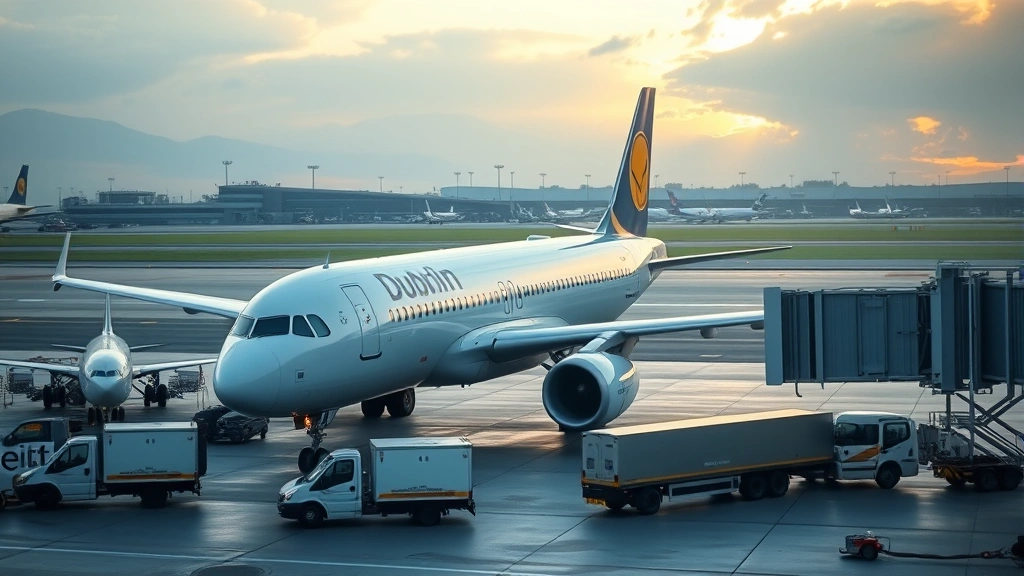
Commercial aviation has undergone a remarkable transformation over the past two decades. With technological advancements, stricter regulations, and enhanced safety protocols, the industry has achieved unprecedented levels of reliability. Yet many travelers still harbor concerns about flight safety, often influenced by media coverage of incidents or outdated statistics. This comprehensive guide examines current aviation safety data, expert insights, and the systems protecting millions of passengers daily.
The question “Are flights safer now?” deserves a data-driven answer. Modern commercial aviation is statistically the safest form of long-distance travel available, with safety improvements driven by continuous innovation, rigorous maintenance standards, and lessons learned from past incidents. Understanding these improvements can help travelers feel more confident when booking their next journey.
Statistical Evidence of Aviation Safety
The numbers speak clearly: commercial aviation has never been safer. According to the Federal Aviation Administration (FAA), the accident rate for commercial aviation has declined dramatically over the past 15 years. In 2023, there was approximately one accident for every 11 million flights operated in the United States—a statistic that underscores the exceptional safety record of modern commercial aviation.
Globally, the situation mirrors these positive trends. The International Civil Aviation Organization (ICAO) reports that fatal accident rates have decreased consistently, with 2022 marking one of the safest years in commercial aviation history. The fatality risk per flight is extraordinarily low, with passengers statistically more likely to be injured driving to the airport than during the flight itself.
When examining specific aircraft types, the data becomes even more reassuring. Modern jetliners like the Boeing 787, Airbus A350, and Airbus A380 have exceptional safety records. Even older, well-maintained aircraft continue to demonstrate remarkable reliability. The key factor isn’t the age of the aircraft but rather adherence to maintenance schedules and upgrade requirements. When considering which airlines to fly with, reviewing the best airlines for long flights often correlates with carriers maintaining the highest safety standards.
Key Safety Statistics:
- U.S. commercial aviation: 1 accident per 11 million flights
- Fatal accident rate declining year-over-year
- Modern aircraft: 99.99% mechanical reliability rate
- Pilot error reduction: 50% decrease over two decades through improved training
Technological Advances in Aircraft Design
Modern aircraft incorporate redundancy at every critical system level. Unlike older aircraft designs, contemporary jetliners feature multiple independent systems for navigation, hydraulics, electrical power, and flight control. If one system fails, backup systems automatically engage, often without passengers even noticing.
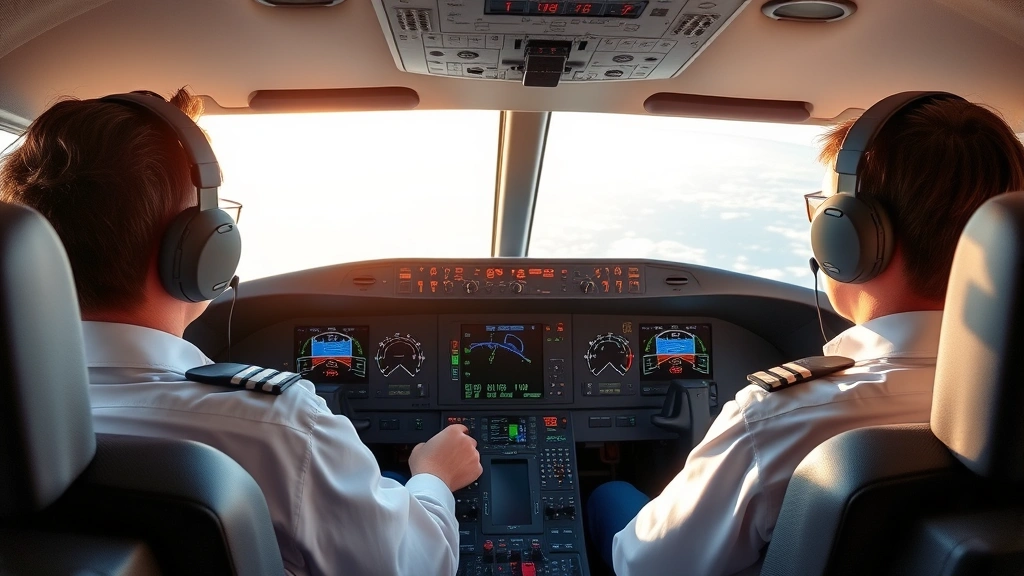
Advanced avionics represent a major leap forward. Glass cockpits with integrated flight management systems provide pilots with real-time data about aircraft performance, weather, and navigation. These systems calculate optimal flight paths, monitor fuel consumption, and alert crews to potential issues before they become problems. Weather radar systems give pilots unprecedented visibility into storm formations, allowing them to navigate around dangerous conditions.
Composite materials used in modern aircraft construction offer superior strength-to-weight ratios compared to traditional aluminum. The Boeing 787 Dreamliner, for example, uses composite materials for approximately 50% of its structure, resulting in increased durability and reduced stress on airframes. This means fewer metal fatigue issues and extended aircraft service life.
Engine technology has similarly evolved dramatically. Modern turbofan engines are engineered with fail-safe designs where a single engine failure doesn’t compromise flight safety. The FAA requires that aircraft can maintain safe flight and reach an airport on a single engine. Furthermore, engine monitoring systems now provide real-time diagnostics, identifying maintenance needs before they impact safety.
Regulatory Framework and Oversight
Aviation safety operates within a stringent regulatory framework established by governmental and international bodies. The FAA in the United States, the European Union Aviation Safety Agency (EASA), and similar organizations worldwide enforce hundreds of safety regulations covering everything from aircraft design to crew training.
These regulatory bodies conduct continuous oversight of airlines, manufacturers, and maintenance facilities. Regular audits, inspections, and certifications ensure that every operator meets or exceeds minimum safety standards. Airlines that fail to maintain compliance face penalties, flight restrictions, or operational shutdowns.
Certification requirements for new aircraft are particularly rigorous. Before any commercial aircraft enters service, it must undergo thousands of hours of testing, including stress tests, system failure simulations, and real-world flight trials. The certification process typically takes 5-10 years and costs billions of dollars, ensuring that only thoroughly vetted designs reach commercial service.
International coordination through ICAO ensures that safety standards remain consistent globally. This harmonization means that whether you’re flying domestically or internationally, you benefit from standardized safety protocols. When planning international travel and considering how to find cheap airline tickets to Europe, you can be assured that European carriers operate under equally rigorous safety standards as North American airlines.
Pilot Training and Crew Protocols
Modern pilot training represents perhaps the most significant advancement in flight safety. Commercial pilots undergo extensive initial training—typically 1,500 hours of flight time minimum—before earning their licenses. This training covers normal operations, emergency procedures, and advanced decision-making scenarios.
Recurrent training requirements ensure that pilots maintain proficiency throughout their careers. Every six to twelve months, pilots must complete simulator training covering both routine procedures and emergency scenarios. Modern flight simulators are incredibly sophisticated, allowing pilots to practice handling equipment failures, severe weather, and other challenging situations without risk to passengers.
Crew Resource Management (CRM) training fundamentally changed how cockpit teams operate. Rather than relying solely on captain authority, modern CRM emphasizes communication, cross-checking, and collaborative decision-making. This approach has dramatically reduced accidents caused by miscommunication or failure to report concerns. Junior crew members are now encouraged to speak up if they identify potential safety issues, creating a culture where safety supersedes hierarchy.
Standard Operating Procedures (SOPs) provide detailed checklists for every phase of flight. Pilots follow these procedures meticulously, ensuring consistency and reducing the likelihood of missed steps. Checklists have proven remarkably effective at preventing errors—a concept borrowed from other high-reliability industries like healthcare and nuclear power.
Maintenance Standards and Inspections
Aircraft maintenance operates under a comprehensive framework of scheduled and unscheduled inspections. Scheduled maintenance follows time-based intervals, typically measured in flight hours. A-checks occur every 400-600 hours, C-checks every 18-24 months, and major overhauls every 4-6 years or 20,000+ flight hours.
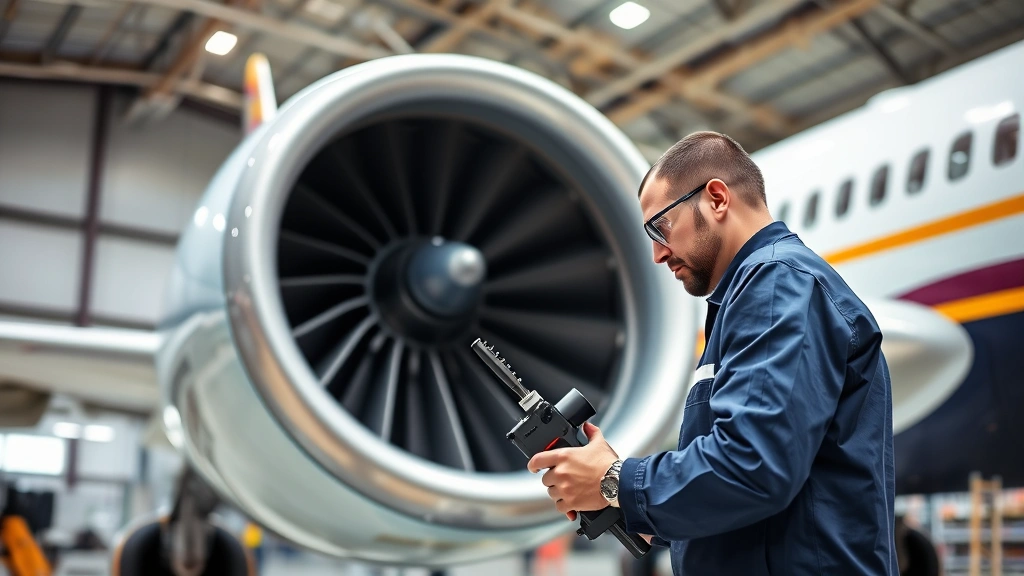
These maintenance events involve systematic inspection of virtually every component. Technicians examine engines, hydraulic systems, electrical systems, structural integrity, and avionics. Components showing wear are replaced or repaired before failures can occur. This preventive approach is far more effective than reactive maintenance.
Modern maintenance also incorporates predictive analytics. Aircraft now generate thousands of data points during flight—engine temperatures, vibration levels, fuel consumption rates, and system performance metrics. Maintenance teams analyze this data to identify components showing degradation, allowing replacement before failure occurs.
Maintenance personnel themselves undergo rigorous training and certification. Aircraft maintenance technicians must complete formal education, apprenticeships, and pass comprehensive examinations. Their work is subject to inspection and oversight by regulatory authorities. Many airlines employ redundant inspection systems where maintenance work is checked by independent inspectors before aircraft return to service.
For travelers concerned about aircraft condition, understanding essential tips for long haul flights includes awareness that modern aircraft are maintained to extraordinarily high standards, with older aircraft often receiving more intensive inspection protocols than newer models.
Accident Investigation and Prevention
When accidents do occur—thankfully rare in modern commercial aviation—thorough investigations ensure that lessons are learned and similar incidents are prevented. The National Transportation Safety Board (NTSB) in the United States and similar agencies worldwide conduct meticulous investigations into every aviation accident and serious incident.
These investigations examine multiple factors: weather conditions, aircraft maintenance records, pilot actions, air traffic control communications, and mechanical failures. Investigators reconstruct events using cockpit voice recorders, flight data recorders, and physical evidence. The goal isn’t to assign blame but to identify root causes and recommend preventive measures.
The safety recommendations resulting from accident investigations have prevented countless future incidents. For example, investigations into mid-air collisions led to the development of Traffic Collision Avoidance Systems (TCAS). Accidents involving wind shear detection resulted in modern weather radar systems. Each major accident has historically prompted system improvements that benefit the entire aviation industry.
This continuous improvement cycle means that aviation becomes progressively safer. The industry learns from every incident, regardless of severity. Near-misses and minor incidents are also investigated and analyzed, allowing prevention of more serious accidents.
Comparing Flight Safety to Other Transport
When evaluating whether flights are safer now, it’s instructive to compare aviation to other transportation modes. The statistics are compelling: commercial aviation is statistically safer than driving, taking trains, or traveling by ship.
The fatality rate for commercial aviation is approximately 0.07 deaths per billion passenger miles. By comparison, driving carries a fatality rate of approximately 11 deaths per billion passenger miles—roughly 150 times higher than flying. Even train travel, generally considered safe, has a higher fatality rate than commercial aviation.
This comparison becomes even more striking when considering that aviation operates in a more inherently hazardous environment. Flying involves operating at high altitudes, high speeds, and over terrain where emergency landing isn’t always possible. Despite these challenges, aviation achieves superior safety through engineering excellence, regulatory rigor, and operational discipline.
For frequent travelers, understanding airlines key information and tips for travelers and the best times to book airline tickets can enhance travel experiences, but rest assured that safety standards remain consistently high across all commercial carriers.
Modern aviation safety represents a triumph of engineering, regulation, and human expertise. The systems protecting passengers have been refined through decades of experience and continuous improvement. Every aspect of commercial aviation—from aircraft design to pilot training to maintenance protocols—prioritizes safety as the paramount concern.
The question “Are flights safer now?” deserves an unequivocal yes. Commercial aviation today is safer than ever before, and the trend continues upward. Technological innovations, enhanced regulatory frameworks, improved training methodologies, and systematic learning from incidents combine to create an transportation system of remarkable reliability.
Travelers can board commercial flights with confidence, knowing they’re engaging in one of humanity’s safest activities. The statistics support this confidence, as do the engineering principles, regulatory standards, and operational practices underlying modern commercial aviation.

FAQ
What is the actual risk of a plane crash?
The risk is extraordinarily low. In the United States, the probability of being in a plane crash during a year of flying is approximately 1 in 11 million. Your lifetime risk of dying in a plane crash is roughly 1 in 205,000—far lower than risks from driving, drowning, or numerous other activities.
Are older aircraft less safe than new ones?
Not necessarily. Aircraft age is less important than maintenance history. An older aircraft that’s been meticulously maintained and upgraded with modern systems can be as safe as a new aircraft. Regulatory requirements ensure that older aircraft receive appropriate inspections and component replacements based on flight hours and calendar time.
How often are commercial aircraft inspected?
Commercial aircraft undergo multiple levels of inspections. Daily checks occur before each flight, A-checks happen every 400-600 hours, C-checks every 18-24 months, and major overhauls every 4-6 years. The frequency and intensity of inspections ensure that potential problems are identified and addressed before they become safety issues.
Do modern pilots rely too much on automation?
Modern pilot training emphasizes understanding automation while maintaining proficiency in manual flying. Pilots receive extensive training in both automated and manual flight control. They’re trained to recognize automation failures and take manual control when necessary. This balanced approach combines the benefits of automation with human expertise and judgment.
Which airlines have the best safety records?
Most major commercial airlines operating in developed countries maintain exceptional safety records. Regulatory oversight ensures that airlines meet stringent safety standards. When selecting airlines, consulting resources like the best airlines for long flights can help identify carriers known for superior service and safety standards.
How do weather conditions affect flight safety?
Modern aircraft are designed to operate safely in various weather conditions. Pilots receive extensive training in weather recognition and avoidance. Aircraft are equipped with sophisticated weather radar allowing pilots to navigate around severe storms. Airports have equipment for operating in low-visibility conditions. Regulatory minimums ensure flights don’t operate in conditions exceeding aircraft or crew capabilities.
What happens if an engine fails during flight?
Commercial aircraft are engineered to safely operate and land on a single engine. The FAA requires that twin-engine aircraft can maintain altitude and reach an airport on one engine. Pilots train extensively for single-engine operations. Engine failures, while serious, are not emergencies in modern commercial aviation—they’re manageable situations that pilots handle routinely in training.
Are there any recent improvements in aviation safety?
Yes, continuously. Recent improvements include enhanced weather detection systems, improved collision avoidance technology, advanced pilot training methodologies, predictive maintenance analytics, and refined emergency procedures. The aviation industry remains committed to safety improvement, investing billions annually in research and development.