Fly in Style: Comfort Shoe Trends for Travelers
When you’re preparing for a flight, most travelers focus on packing luggage, checking in early, and securing their boarding passes. However, one critical element often gets overlooked: choosing the right footwear. Your shoes can make or break a travel experience, especially during long flights where you’ll spend hours in confined spaces. The trend toward comfortable, stylish travel shoes has exploded in recent years, with airlines and travel experts increasingly recognizing that proper footwear contributes significantly to overall travel comfort and health.
Whether you’re embarking on a quick domestic flight or settling in for a long-haul journey, your choice of shoes impacts circulation, posture, and mood. Modern travel shoe designs combine airport security convenience, breathability, support, and fashion-forward aesthetics. This comprehensive guide explores the latest comfort shoe trends specifically designed for travelers, helping you understand what makes certain footwear ideal for air travel and ground transportation.
Why Shoe Choice Matters for Flight Comfort
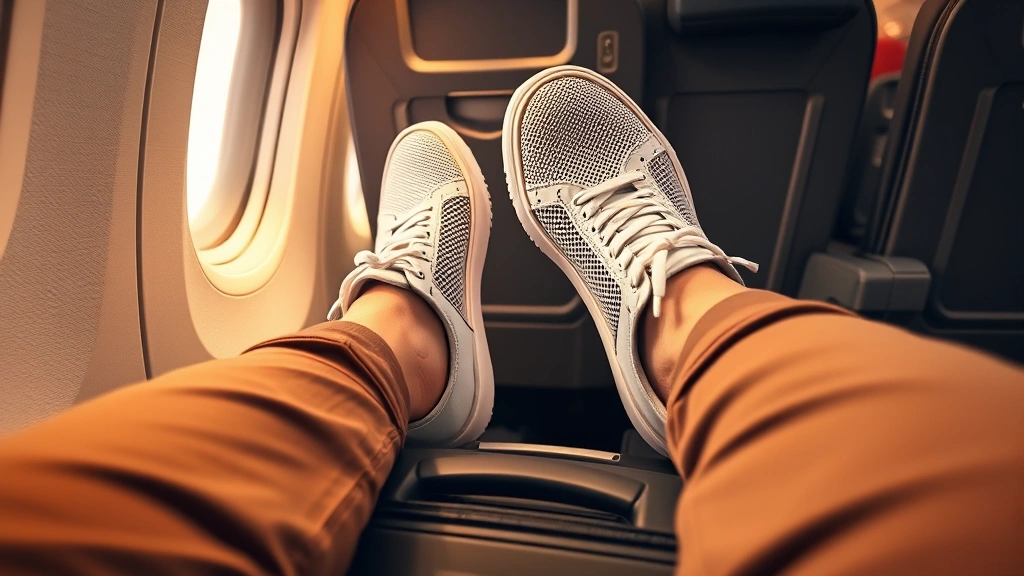
Selecting appropriate footwear for air travel goes beyond mere aesthetics. During flights, your feet experience reduced circulation due to cabin pressure, prolonged sitting, and limited movement space. Swelling, commonly known as edema, affects many passengers on flights longer than three hours. Poorly fitting or unsupportive shoes can exacerbate this condition, leading to discomfort that lingers even after landing.
When you’re traveling with airlines, you’ll navigate security checkpoints, airport terminals, and potentially long layovers. Shoes that are easy to remove and put back on save valuable time and reduce stress. Additionally, compression in tight footwear can restrict blood flow, increasing the risk of deep vein thrombosis (DVT) on very long flights. Health organizations, including those tracked by CDC Travel Health, recommend loose-fitting, supportive footwear as part of flight health protocols.
Travelers who prioritize shoe comfort report higher satisfaction with their overall travel experience. This investment in proper footwear pays dividends not just during the flight itself, but throughout your entire journey—from arriving at the airport to exploring your destination.
Top Comfort Shoe Trends for 2024
The comfort shoe market has transformed dramatically over the past few years. What was once considered “orthopedic” or purely functional has evolved into genuinely stylish, desirable footwear. Major athletic brands, luxury designers, and specialized travel companies are all competing to capture the growing demand from travelers seeking shoes that don’t compromise on appearance.
Knit and Mesh Upper Designs: Breathable knit materials have become the gold standard for travel shoes. These fabrics allow air circulation, prevent moisture buildup, and conform to your foot’s unique shape. Brands are incorporating advanced knit technologies that provide structure while maintaining flexibility.
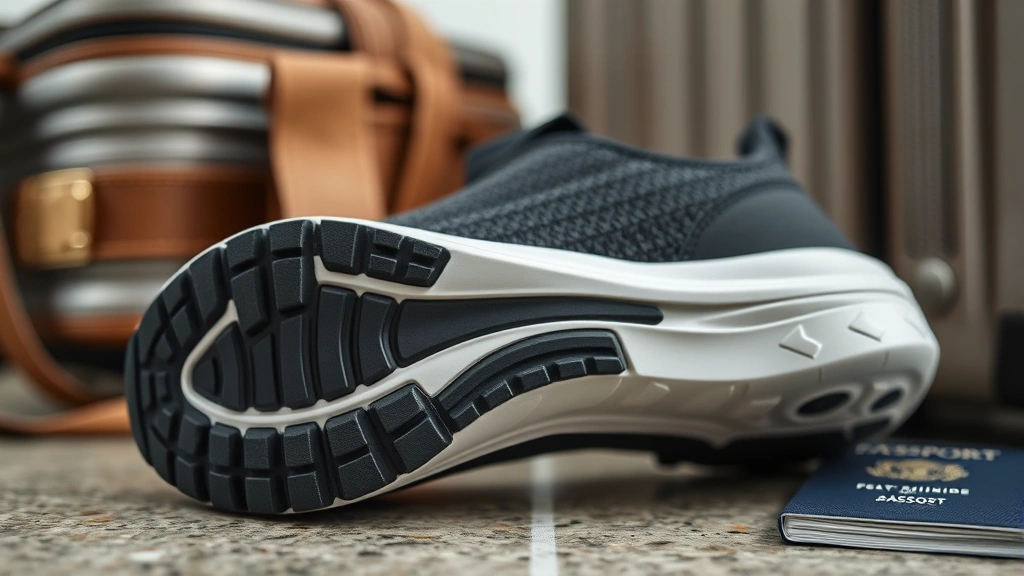
Chunky Sole Technology: Thick, cushioned soles with responsive foam are trending heavily. These soles absorb impact during airport walking and provide the cloud-like comfort that travelers crave. The aesthetic has also shifted—chunky soles are now fashion-forward rather than clunky.
Minimalist Aesthetic: Despite the emphasis on cushioning, design trends favor clean lines and neutral colorways. Travelers appreciate shoes that transition seamlessly from airport to upscale restaurants, making versatile neutral tones highly desirable.
Hybrid Shoe Categories: The line between sneakers, slip-ons, and casual loafers continues to blur. Hybrid designs combine the support of athletic shoes with the appearance of dressier footwear, offering maximum versatility.
Slip-On Styles and Airport Security
One of the most practical considerations for flight-bound travelers is how quickly and easily you can remove and replace your shoes at security checkpoints. Slip-on designs have become increasingly popular, and for good reason. When you’re moving through airport security lines, every second counts, especially during peak travel times.
The best slip-on shoes for travel feature:
- No laces or closures that require adjustment
- Secure heel cups that prevent slipping during walking
- Easy entry and exit without hand assistance
- Sufficient structure to prevent foot fatigue
- Versatile styling that suits various occasions
Popular slip-on styles currently trending include elastic-sided sneakers, deck shoe hybrids, and loafer-inspired athletic shoes. Many travelers appreciate that slip-ons eliminate the hassle of retying shoes after security screening. Some premium brands offer slip-ons with hidden lace systems that can be tightened when needed but remain hidden for easy on-and-off convenience.
When selecting slip-ons, ensure they have adequate arch support. Many travelers mistakenly assume slip-ons lack support, but modern designs incorporate orthopedic principles into their construction. Look for shoes with molded footbeds and graduated cushioning that specifically supports the arch.
Arch Support and Orthopedic Innovation
Proper arch support becomes increasingly important during extended travel. Whether you’re walking through airport terminals or exploring your destination, your arches bear significant stress. The trend toward orthopedically-designed travel shoes reflects growing awareness of foot health among frequent travelers.
Modern travel shoes incorporate several arch support innovations:
- Contoured Footbeds: Custom-molded insoles that match the natural curves of your foot, distributing pressure evenly
- Graduated Cushioning: Varying levels of cushioning in different zones—extra support under the arch, softer cushioning at heel and ball of foot
- Pronation Control: Subtle design features that correct overpronation or underpronation, improving overall foot alignment
- Metatarsal Support: Additional support across the ball of the foot, reducing pressure on this high-impact area
- Heel Cups: Deep, structured heel cups that cradle your heel and maintain proper foot positioning
For travelers with specific foot conditions—plantar fasciitis, flat feet, or high arches—many brands now offer specialized options. Consulting with a podiatrist before your next long-haul flight can help you select shoes that prevent pain and discomfort during your journey.
The integration of orthopedic principles into fashionable designs means you no longer need to sacrifice style for foot health. This democratization of comfort footwear represents a significant shift in travel culture.
Breathable Materials for Extended Wear
Breathability becomes critical during long flights when your feet are confined in shoes for extended periods. Moisture accumulation leads to discomfort, odor, and potential fungal issues. The trend toward advanced breathable materials reflects travelers’ desire to maintain foot freshness throughout their journey.
Premium travel shoes now feature:
- Engineered Mesh: Multi-layer mesh systems with moisture-wicking properties that pull sweat away from skin
- Knit Uppers: Seamless knit construction that provides structure while maximizing air circulation
- Moisture-Wicking Linings: Interior linings treated with antimicrobial properties that prevent odor and bacterial growth
- Ventilation Channels: Strategic design elements that create air pathways through the shoe
- Recycled Breathable Materials: Eco-conscious brands are developing breathable fabrics from recycled plastics and sustainable sources
For travelers flying to humid destinations or during summer months, breathable shoes prevent the discomfort of sweaty feet. Additionally, shoes that dry quickly are practical for travelers who might wash them during trips or encounter unexpected moisture.
When evaluating breathability, look beyond marketing claims. Check if the shoe features actual mesh panels rather than just mesh-patterned fabric. Genuine mesh construction allows air penetration, while printed patterns offer minimal breathability.
Lightweight and Packable Options
Travelers constantly face luggage weight restrictions and space limitations. The trend toward lightweight travel shoes addresses this practical concern. A quality pair of lightweight shoes can significantly reduce your overall luggage weight, allowing more space for other essentials or souvenirs.
Lightweight shoe innovations include:
- Advanced Foam Technology: New foam compounds provide cushioning and support while weighing significantly less than traditional materials
- Minimal Shoe Designs: Reduced material usage without compromising structural integrity
- Packable Silhouettes: Shoes designed to compress for packing without losing their shape
- Foldable Travel Shoes: Specialized designs that collapse flat for packing and expand to full size for wearing
- Ultra-Thin Soles: Responsive sole materials that provide cushioning with minimal bulk
Some innovative brands have developed shoes that weigh under 200 grams per shoe, making them lighter than many slippers. These ultra-lightweight options prove especially popular with minimalist travelers and those exploring European destinations where walking is prevalent.
Packable shoes don’t mean sacrificing support or style. Modern designs prove that lightweight construction can coexist with proper orthopedic support and attractive aesthetics.
Style Meets Function in Travel Footwear
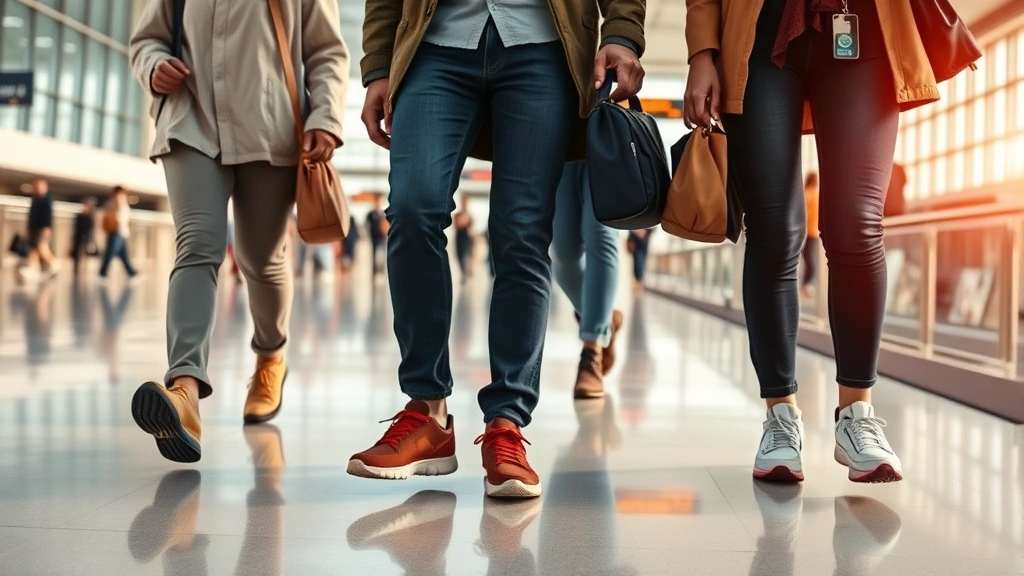
The evolution of travel shoes reflects a broader cultural shift where function and fashion are no longer mutually exclusive. Today’s travelers refuse to choose between comfort and style, demanding footwear that excels in both dimensions.
Current style trends in travel footwear include:
Neutral Color Palettes: White, black, gray, and beige dominate travel shoe collections. These versatile colors coordinate with various outfits and transition seamlessly from airport to restaurant settings. Neutral shoes also hide dirt and wear better than bright colors.
Minimalist Design Language: Clean lines, reduced visual clutter, and understated branding appeal to sophisticated travelers. Minimalist aesthetics also age better—these shoes won’t look dated next season.
Elevated Casual Aesthetic: Shoes blur the line between athletic and casual-dressy categories. A quality travel shoe should work equally well with jeans and with business casual attire.
Texture Variation: Combining different materials—mesh with suede, knit with leather—adds visual interest while maintaining sophistication.
Premium Material Finishes: Even budget-conscious brands incorporate premium materials like premium leather trim, quality stitching, and sophisticated hardware.
When selecting travel shoes, consider your destination’s dress codes and planned activities. A shoe that works for exploring Bangkok’s temples might not suit Milan’s fashion-forward atmosphere. However, well-designed travel shoes adapt to various contexts through their inherent versatility.
Many travelers invest in multiple pairs for different trip types. A lightweight mesh sneaker works for casual exploration, while a slip-on with more formal styling suits business travel. Building a travel shoe wardrobe allows you to optimize comfort for specific journeys while maintaining style consistency.
Shoe Care Tips for Frequent Flyers
Proper maintenance extends your travel shoes’ lifespan and maintains their performance. Frequent flyers benefit from understanding best practices for shoe care during and after travel.
During Travel:
- Pack shoes in breathable shoe bags to prevent moisture accumulation
- Rotate between two pairs if taking long trips, allowing each pair to dry fully
- Use moisture-absorbing inserts or crumpled newspaper to manage humidity
- Air shoes regularly, especially in humid climates
- Wipe soles clean to prevent dirt buildup and maintain grip
After Travel:
- Clean shoes promptly with appropriate methods for their materials
- Remove insoles and allow them to dry separately
- Use shoe trees or stuff with newspaper to maintain shape while drying
- Allow shoes to dry completely at room temperature away from direct heat
- Treat any stains or scuffs according to material guidelines
- Refresh insoles with antimicrobial sprays to eliminate odor
Regular maintenance prevents premature wear and keeps shoes smelling fresh. Many frequent flyers rotate multiple pairs of travel shoes, ensuring each pair receives adequate rest between uses. This practice extends shoe lifespan significantly compared to wearing the same pair for every trip.
When selecting shoes, consider how easily they’re cleaned. Shoes with sealed seams and protective coatings resist dirt and staining better than unfinished materials. This practical consideration matters more for travel shoes than fashion footwear worn occasionally.
Investing in quality shoe cleaner products designed for specific materials ensures you maintain your travel shoes properly. Premium travel shoes often come with care instructions—following these recommendations preserves the manufacturer’s design integrity.
For comprehensive travel preparation, explore essential tips for long-haul flights which cover broader comfort considerations beyond footwear. Additionally, understanding airline loyalty programs can help you access premium cabin experiences where superior comfort extends beyond just your shoes.
The SkyVoyage Hub Blog regularly updates travel comfort recommendations, including detailed reviews of shoes tested by frequent travelers.
FAQ
What makes a shoe suitable for flying?
Travel-appropriate shoes should feature slip-on design for security convenience, excellent arch support to prevent swelling, breathable materials to maintain foot comfort, and lightweight construction. They should also be versatile enough to transition from airport to destination activities without requiring a wardrobe change.
Can I wear athletic shoes on a flight?
Yes, athletic shoes work well for flights provided they’re comfortable for extended wear and feature good arch support. The trend toward athletic shoe styling in fashion footwear means many non-athletic shoes now incorporate athletic comfort technologies. Choose shoes specifically designed for travel comfort rather than performance athletics.
How often should I replace travel shoes?
Quality travel shoes typically last 300-500 miles of walking before cushioning significantly degrades. For frequent travelers, replacing shoes annually or every 12-18 months ensures optimal comfort and support. Pay attention to signs of wear—compressed cushioning, worn heels, or reduced support indicate replacement time.
Are expensive travel shoes always better?
Price doesn’t guarantee quality or comfort. Many mid-range brands offer excellent comfort and style at reasonable prices. Focus on specific features—arch support, breathable materials, lightweight construction—rather than brand prestige. Test shoes thoroughly before long trips.
What shoes work best for both flights and ground exploration?
Versatile travel shoes in neutral colors with excellent arch support and breathable materials adapt to various activities. Slip-on sneaker hybrids and elevated casual shoes transition well from airports to restaurants, museums, and casual sightseeing. Avoid shoes requiring socks or special styling.
How do I prevent foot swelling during flights?
Beyond choosing proper shoes, compression socks, regular foot exercises, staying hydrated, and avoiding salt help reduce swelling. Loose-fitting shoes that don’t restrict circulation are essential. Stand and walk periodically during flights to promote blood flow.
Should I buy travel shoes before or after my trip?
Purchase travel shoes well before your trip, allowing time to break them in properly. New shoes worn for the first time during flights can cause blisters and discomfort. Wear them around home for several hours daily for at least two weeks before your journey.