First Class Flights Worth It? Expert Breakdown
First class travel represents the pinnacle of luxury aviation, offering passengers spacious seats, gourmet dining, priority boarding, and exclusive amenities. But with premium cabin tickets often costing three to ten times more than economy fares, the question remains: is the splurge genuinely worth it? This comprehensive guide examines the real value of first class flights through an expert lens, helping you determine whether upgrading aligns with your travel priorities and budget.
Whether you’re a frequent business traveler, occasional leisure flyer, or considering your first premium cabin experience, understanding the tangible benefits versus the costs is essential. We’ll break down what first class actually includes, when it makes financial sense, and alternative strategies to access luxury amenities without paying full premium prices. By the end, you’ll have the knowledge to make an informed decision that matches your specific travel needs.
What’s Actually Included in First Class
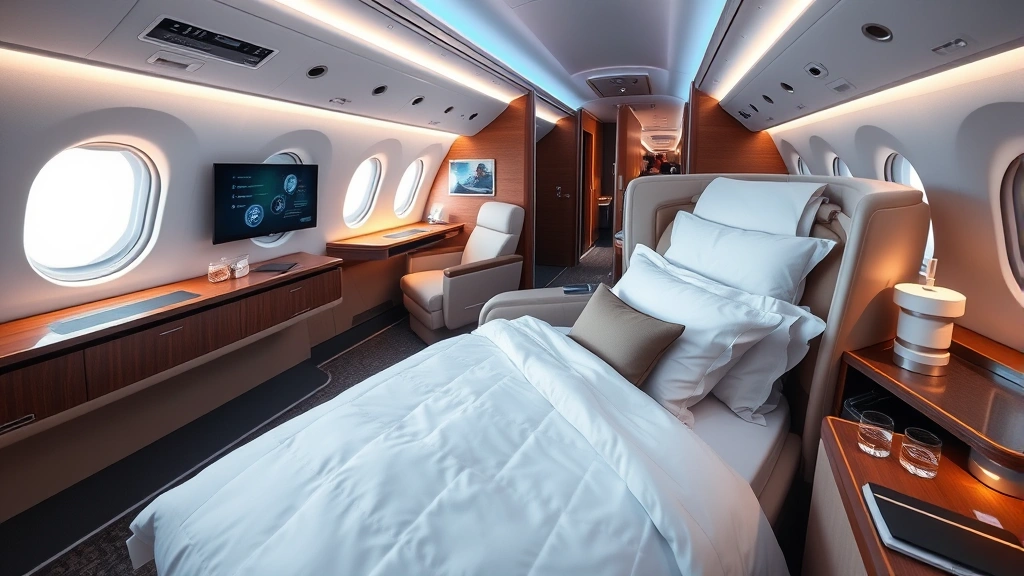
First class cabins vary significantly depending on the airline, aircraft type, and route. Understanding what you’re actually paying for is the foundation of determining value. Most first class offerings include lie-flat seats (on international flights), direct aisle access, premium bedding, and unlimited amenities throughout the flight.
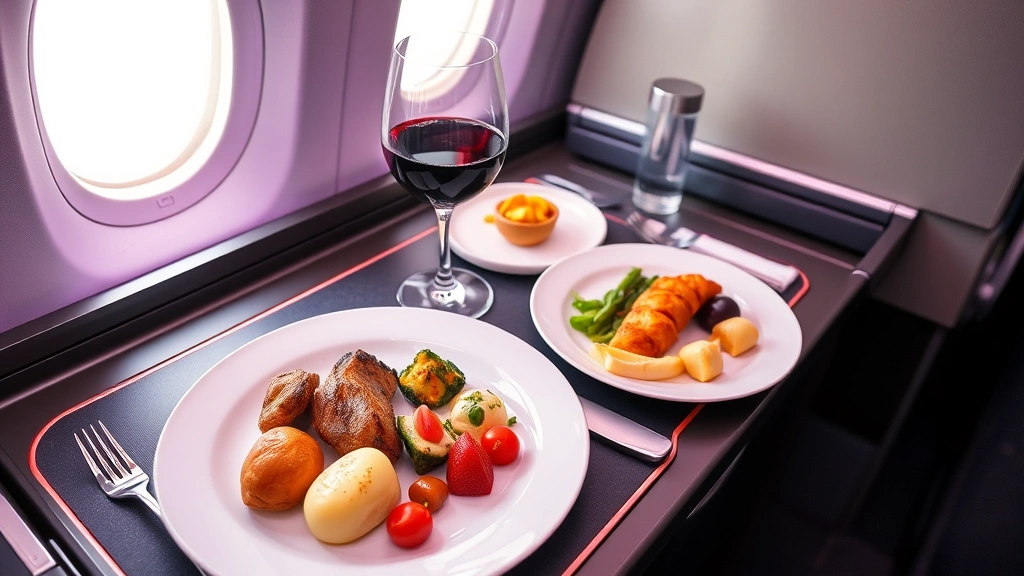
Dining experiences in first class typically feature multi-course meals prepared by professional chefs, with wine and spirits selections curated by sommeliers. Passengers receive amenity kits containing premium skincare products, noise-canceling headphones, and designer toiletries. Priority services include expedited check-in, dedicated boarding, lounge access before departure, and meet-and-greet services at major hubs.
Entertainment systems in first class offer larger screens, noise-canceling headphones, and expanded content libraries. Cabin crew in first class receive specialized training and maintain lower passenger-to-crew ratios, ensuring personalized service. Communication services often include complimentary WiFi, phone calls, and messaging on long-haul flights. When booking refundable airline tickets, you maintain flexibility to adjust your travel plans without penalties.
The physical cabin environment differs dramatically from economy. First class cabins feature wider seats with greater pitch (the distance between seats), direct aisle access on both sides, and private suites on some aircraft. Lighting can be adjusted individually, humidity levels are controlled for skin health, and cabin pressure is optimized for comfort on long flights.
Cost Analysis: Premium vs. Value
The financial reality of first class is stark: a transatlantic first class ticket might cost $8,000 to $15,000, while premium economy or business class runs $3,000 to $6,000, and economy seats $800 to $2,000. This represents a markup of 400-1,000% over economy fares on identical flights. Understanding whether those extra dollars translate to proportional value requires honest analysis.
On short-haul flights (under 3 hours), the value proposition weakens considerably. You’re paying premium prices for amenities you’ll barely use. A two-hour flight doesn’t provide sufficient time to enjoy multi-course dining, and lie-flat beds are irrelevant on flights where you’ll arrive within hours. Economy or premium economy seats become more sensible choices for short routes.
The cost-per-hour calculation reveals interesting patterns. A $12,000 first class ticket on a 14-hour flight breaks down to approximately $857 per hour of flight time. Compared to a $2,000 economy ticket at $143 per hour, you’re paying $714 more per hour for enhanced comfort. Whether that represents good value depends entirely on your priorities and financial situation.
Airlines increasingly use dynamic pricing for first class, meaning identical routes on different dates carry vastly different premiums. Booking flexibility and strategic timing can reduce first class premiums by 20-40%. Monitoring best airlines for long flights can help identify carriers offering superior first class value propositions.
When First Class Is Actually Worth It
First class delivers genuine value in specific circumstances. If you’re traveling on a 12+ hour international flight and value sleep quality highly, the lie-flat bed and spacious cabin environment justify premium pricing. Business travelers whose companies cover first class costs obviously benefit, as the personal comfort and productivity gains create value without personal expense.
Frequent flyers accumulating airline miles can access first class for significantly less than cash prices. If you have 100,000+ miles and can book a first class seat valued at $10,000 for 80,000 miles, you’re obtaining $10,000 worth of service for miles worth approximately $1,200-$1,500 in cash value—an exceptional deal.
Celebration trips or milestone travel experiences justify first class upgrades for many travelers. Honeymoons, major anniversaries, significant career achievements, or once-in-a-lifetime journeys feel enhanced by first class service. The psychological value of treating yourself exceptionally on important trips can exceed the financial cost.
Premium cabin passengers receive tangible business advantages. Priority boarding eliminates stress, dedicated lounges provide quiet workspaces, and arriving refreshed after first class sleep enables better business performance. For executives whose hourly rate exceeds $500, the productivity gains from proper rest justify premium cabin costs.
Accessibility needs sometimes make first class necessary rather than luxury. Passengers with mobility challenges, certain medical conditions, or anxiety disorders may find first class cabins more comfortable and manageable than economy, where space constraints and crowds create genuine hardship.
Hidden Benefits Beyond the Seat
First class offers advantages extending beyond the obvious comfort upgrades. Frequent flyer status accrual accelerates dramatically when flying premium cabins. A single first class transatlantic flight might earn 10,000-15,000 elite qualifying miles, helping you reach status thresholds faster than economy flying.
Insurance and protection benefits enhance first class value. Premium cabin tickets typically include higher baggage allowances (often 3-4 bags instead of 1-2), waived change fees, priority rebooking on alternative flights if disruptions occur, and automatic upgrades to business class if first class is oversold.
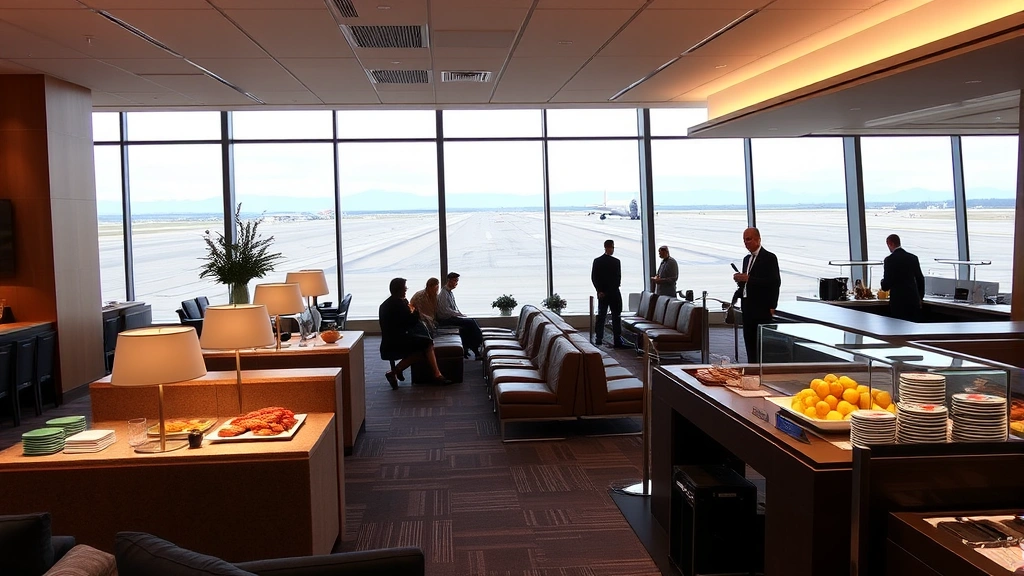
Lounge access represents substantial hidden value. First class passengers access premium airline lounges offering gourmet food, premium beverages, shower facilities, and quiet workspaces. A single lounge visit might provide $50-$100 worth of food and beverages, multiplied across multiple trips annually.
Partner benefits extend first class advantages beyond flights. Airlines offer first class passengers complimentary upgrades on partner carriers, priority hotel check-in and room upgrades, car rental elite status, and restaurant reservation privileges. These benefits accumulate to substantial value across your annual travel.
Baggage handling in first class eliminates stress. Dedicated baggage handling ensures your luggage receives priority loading and unloading, reducing damage risk and baggage delays. For business travelers or those traveling with expensive equipment, this protection justifies premium pricing alone.
First class passengers receive priority customer service. Direct phone lines to first class support teams, dedicated airport representatives, and personalized rebooking assistance mean problems get resolved faster and more favorably than economy passengers experience. This service quality becomes invaluable during travel disruptions.
Smart Alternatives to Full-Price First Class
Strategic travelers access first class luxury without paying full cash prices. Airline miles represent the most effective strategy—accumulating through credit cards, airline partnerships, and regular flying allows first class bookings at 20-30% of cash value costs.
Bid upgrades let economy passengers offer to pay additional fees for first class availability. Airlines often accept upgrade bids significantly lower than published first class fares, sometimes 50-70% less. Setting bid alerts and bidding strategically on flights you’re already booked can yield first class access at reasonable premiums.
Elite frequent flyer status provides complimentary upgrades on available first class seats. Reaching elite status through credit card spending or regular flying enables annual first class upgrades at no additional cost. This strategy works exceptionally well for business travelers with predictable travel patterns.
Premium economy seats offer 60-70% of first class comfort benefits at 40-50% of first class prices. Wider seats, direct aisle access, premium meals, and enhanced service make premium economy an excellent compromise for long-haul flights when first class pricing seems excessive.
Business class on most airlines provides lie-flat seats, direct aisle access, and premium service at significantly lower prices than first class. For many travelers, business class delivers 85-90% of the value proposition at 50-60% of the cost, making it the optimal choice.
Credit card sign-up bonuses provide first class travel opportunities. Premium travel credit cards often offer 50,000-100,000 bonus miles, sufficient for first class redemptions when combined with organic earning. The annual fee typically pays for itself through additional benefits and lounge access.
First Class on Long-Haul Flights
Long-haul first class (flights exceeding 10 hours) delivers maximum value because you fully utilize amenities. Lie-flat beds become essential rather than luxury when you’re flying overnight. The ability to sleep properly, shower on ultra-long flights (on select airlines), and arrive refreshed transforms the entire travel experience.
International first class routes offer superior value than domestic premium cabins. Transatlantic first class tickets cost 2-3x more than domestic first class, but offer lie-flat beds, premium dining, and amenity enhancements that justify the premium. A $4,000 domestic first class ticket provides much less value than a $12,000 international first class ticket.
Ultra-long-haul routes (14+ hours) represent the sweet spot for first class value. Airlines operating these routes—particularly on Asia-Pacific and Middle Eastern carriers—offer exceptional first class products with shower spas, premium lounges, and fine dining experiences. The extended flight time allows you to fully appreciate these amenities.
Jet lag mitigation becomes a first class benefit on long-haul flights. Proper sleep, circadian rhythm management through lighting control, and spa facilities (on premium carriers) help your body adjust to new time zones faster. Business travelers and those with jet lag sensitivity find this benefit worth premium pricing.
The cumulative impact of first class amenities on long-haul flights improves overall travel satisfaction significantly. You arrive at your destination refreshed, hydrated, and energized rather than exhausted from economy class confinement. For important business meetings or leisure trips, this difference impacts your entire travel experience.
Comparing First Class Across Airlines
First class quality varies dramatically between carriers. International airlines like Singapore Airlines, Lufthansa, and Emirates offer superior first class products compared to domestic U.S. carriers. Cabin design, meal quality, amenity selections, and service training differ substantially.
Some airlines operate “first class” cabins that are essentially premium economy with better names. Evaluating actual seat specifications, meal service standards, and amenity inclusions reveals whether a carrier’s first class justifies premium pricing. Detailed research prevents paying first class prices for economy-plus experiences.
Airline partnerships affect first class value significantly. Carriers with extensive networks offer better lounge access, partner upgrades, and frequent flyer benefits. Major alliance members (Star Alliance, OneWorld, SkyTeam) provide complementary services across partner airlines, multiplying first class benefits.
Aircraft type determines first class quality on specific routes. Boeing 777 and 787 first class cabins differ substantially from Airbus A380 or A350 configurations. Researching aircraft assigned to your specific flight ensures you understand the exact product you’re purchasing.
Seasonal first class pricing varies by route and demand. Peak travel seasons (summer, holidays, major events) command premium first class prices, while shoulder seasons offer better value. Flexible travel dates can reduce first class costs by 20-40% on identical routes.
FAQ
Is first class worth it for business travel?
First class justifies costs for business travel when your company covers expenses and you value rest before important meetings. The productivity gains from proper sleep on overnight flights and professional appearance upon arrival benefit business outcomes. However, if you’re personally paying, business class often provides superior value.
Can I get first class upgrades without paying extra?
Yes, several methods provide free upgrades. Frequent flyer elite status offers complimentary upgrades on available first class seats. Bid upgrades let you offer additional fees lower than published first class prices. Airline customer service sometimes upgrades loyal customers complimentarily as goodwill gestures, particularly if flights face disruptions.
How much can I save using airline miles for first class?
Airline miles typically provide 20-30% better value than cash prices. A first class ticket costing $10,000 might require 80,000-100,000 miles. If you value miles at $0.01-$0.015 per mile, you’re essentially paying $800-$1,500 for a $10,000 ticket—an exceptional discount.
What’s the difference between first class and business class?
First class offers larger suites, superior dining, premium amenities, and exclusive services. Business class provides lie-flat seats and premium service at lower prices. On most routes, business class delivers 85% of first class benefits at 50-60% of the cost, making it better value for many travelers.
Is first class worth it on short flights?
First class rarely justifies costs on short flights (under 4 hours). You won’t utilize lie-flat beds, premium meals, or extensive amenities during brief flights. Premium economy or business class provides better value on short routes.
How do first class lounges add value?
Premium lounges offer gourmet food, premium beverages, shower facilities, and quiet workspaces worth $50-$100 per visit. Frequent travelers access lounges multiple times annually, accumulating thousands in value. Lounge access alone sometimes justifies first class status for frequent business travelers.
Should I use credit card points for first class?
Credit card sign-up bonuses (50,000-100,000 points) can provide first class bookings at excellent value. If you’re accumulating points naturally through spending, first class redemptions represent smart use of valuable rewards. However, ensure you maximize point value and don’t overpay for premium cabin access.
What airlines offer the best first class value?
International carriers like Singapore Airlines, Lufthansa, and Emirates offer superior first class products. U.S. carriers typically provide economy-plus products labeled “first class.” Researching specific airlines and aircraft ensures you understand the actual product before committing to premium prices.