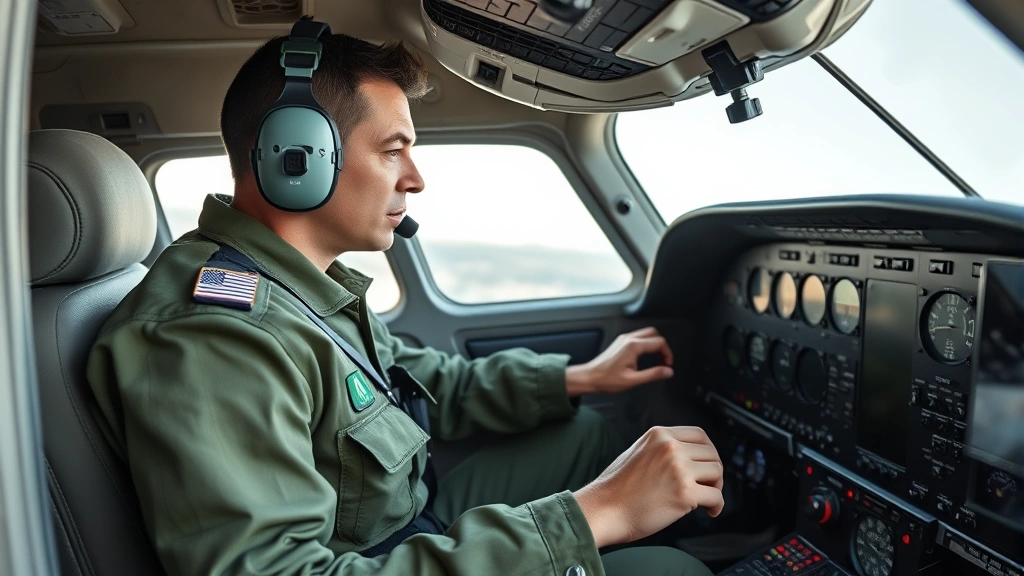
Best Flight Suits? Expert Recommendations for Aviators and Travelers
Whether you’re a professional pilot, aviation enthusiast, or frequent flyer looking to upgrade your travel wardrobe, choosing the right flight suit can make a significant difference in comfort, functionality, and style. Flight suits have evolved far beyond their military origins to become essential gear for modern aviators and a fashion statement for travel-savvy individuals. This comprehensive guide explores the best flight suits available today, examining materials, features, brands, and how to select the perfect suit for your specific needs.
Flight suits serve multiple purposes in the aviation world. They provide practical functionality with numerous pockets for carrying essential items, offer durability for demanding environments, and deliver the professional appearance expected in cockpits and aviation facilities worldwide. Understanding what makes a quality flight suit requires knowledge of fabric composition, construction methods, and the specific demands of modern aviation.
Understanding Flight Suit Basics
A flight suit is a one-piece garment that combines functionality with professional appearance, traditionally worn by military and commercial pilots. Modern flight suits have expanded their appeal to include aviation enthusiasts, frequent flyers, and fashion-forward travelers. The design typically features a front zipper, multiple cargo pockets, sleeve pockets, and adjustable cuffs. Understanding the fundamentals helps when planning your travel wardrobe and selecting appropriate aviation apparel.
The history of flight suits traces back to World War II, when pilots needed practical, durable clothing that provided easy movement in cramped cockpit spaces. Early designs prioritized functionality over aesthetics, but contemporary flight suits balance both aspects seamlessly. Today’s options range from authentic military-grade suits to civilian-oriented versions designed for comfort during long flights and airport navigation.
Flight suits come in various styles, including traditional one-piece designs, modular systems with removable components, and hybrid models combining elements of flight suits with casual wear. Each style serves different purposes depending on whether you’re a working pilot, aviation enthusiast, or simply someone who appreciates the practical design of these garments.
Top Flight Suit Brands and Models
Several brands have established themselves as leaders in flight suit manufacturing, offering quality, durability, and authentic design. Nomex flight suits by Alpha Industries represent the gold standard for professional aviators, featuring flame-resistant properties essential for safety. These suits are widely adopted by military pilots worldwide and are available in multiple color options including sage green, navy, and tan.
Propper manufactures flight suits specifically designed for modern aviators and military personnel. Their offerings include tactical flight suits with enhanced pocket systems and reinforced seams, perfect for professionals who require maximum functionality. Propper suits are known for exceptional durability and have been trusted by aviation professionals for decades.
CWU-27/P style flight suits represent the classic military design that many enthusiasts prefer. These authentic replicas capture the original aesthetic while incorporating modern materials and construction techniques. The CWU-45/P variant offers enhanced comfort for extended wear, making it popular among commercial pilots and aviation students.
Civilian-oriented brands like Rothco and Condor offer affordable alternatives for those seeking flight suit aesthetics without professional-grade pricing. These suits provide excellent value and come in contemporary colors that appeal to fashion-conscious travelers. When comparing options, consider whether you need professional-grade equipment or casual wear with flight suit styling.
Material and Fabric Considerations
The fabric composition of a flight suit directly impacts its performance, comfort, and longevity. Nomex stands out as the premier material for professional flight suits due to its inherent flame-resistant properties. This synthetic fiber maintains its integrity under extreme temperatures and is required by aviation authorities for commercial pilot uniforms. Nomex suits provide superior protection but come at a higher price point than alternatives.
Cotton-blend materials represent the most popular choice for civilian flight suits, offering breathability and comfort during extended wear. A typical cotton-polyester blend (often 65% polyester and 35% cotton) provides durability while maintaining softness against the skin. These suits are suitable for frequent flyers and aviation enthusiasts who prioritize comfort over professional-grade protection.
Ripstop nylon offers exceptional durability and tear resistance, making it ideal for outdoor activities and rugged environments. Flight suits constructed from ripstop materials withstand demanding conditions and maintain appearance despite heavy use. This fabric choice appeals to aviation professionals working in challenging environments.
Modern flight suits often incorporate technical fabrics with moisture-wicking properties, temperature regulation, and stain resistance. These advanced materials enhance comfort during long flights and reduce maintenance requirements. When selecting a suit, consider your primary use environment and climate conditions to choose the most appropriate material.
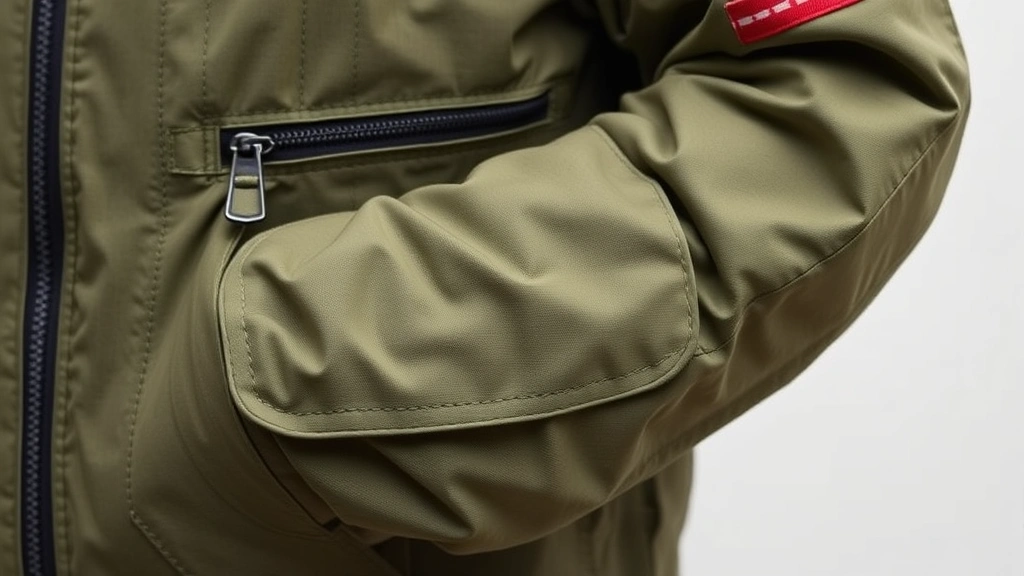
Features That Matter Most
Pocket configuration represents one of the most critical features of a quality flight suit. Professional suits typically include multiple cargo pockets on the legs, chest pockets with pen slots, and sleeve pockets for frequently accessed items. Assess your specific needs—do you require pockets for tablets, flight documentation, or personal electronics? Ensure your chosen suit provides adequate storage without creating bulk or discomfort.
The zipper system significantly impacts daily usability. Two-way zippers allow adjustment from both top and bottom, facilitating bathroom access and temperature regulation during flights. Heavy-duty zippers from reputable manufacturers like YKK ensure longevity and smooth operation after thousands of uses. Reinforced stitching around zipper areas prevents premature failure.
Adjustable cuffs and waistbands allow customization for different body types and layering preferences. Look for suits with adjustable leg cuffs that can be tightened around boots or loosened over regular shoes. Waistband adjustments accommodate varying clothing layers, essential for aviators flying different routes with changing cabin temperatures.
Collar design influences both comfort and professional appearance. Stand collars provide classic aviation aesthetics, while convertible collars offer versatility for different settings. Consider whether you’ll wear the suit with a flight shirt or standalone, as this affects collar preference. Reinforced collar stitching prevents fraying and maintains appearance through repeated wear.
Sleeve design deserves attention, particularly regarding pocket placement and cuff style. Some suits feature snap-closure cuffs that secure around wrists, while others use elastic or adjustable options. Sleeve pockets should be positioned for easy access without interfering with arm movement or creating uncomfortable bulk when arms are at rest.
Flight Suits for Different Aviation Roles
Commercial pilots require flight suits meeting strict regulatory standards. FAA regulations mandate specific requirements for professional aviators, including flame-resistant properties and durability standards. Commercial-grade Nomex suits in regulation colors (typically navy, sage green, or tan) are essential for this role. These suits often feature airline-specific embroidery and professional branding.
Military aviators need specialized flight suits meeting defense department specifications. These suits must exceed civilian standards for flame resistance, durability, and functionality. Military-grade suits include features like survival equipment attachment points and specialized pocket systems designed for military operations. Many military aviators prefer authentic CWU-series suits or equivalent authorized alternatives.
Civilian aviation enthusiasts and recreational pilots can choose from broader options without regulatory constraints. These individuals might prefer comfort-focused suits in contemporary colors or styles that blend aviation heritage with modern fashion. Civilian suits still maintain practical functionality while offering greater aesthetic diversity.
Flight instructors benefit from suits combining professionalism with enhanced durability, as they endure frequent movement and intense wear. Suits with reinforced seams and durable fabrics withstand the demands of continuous training operations. Many instructors prefer suits with distinctive colors or patterns that enhance visibility during ground operations.
When exploring best airlines for frequent flyers, consider that airline crew members follow specific uniform requirements. Airline-approved flight suits maintain professional standards while accommodating extended flight schedules and varying cabin environments.
Sizing and Fit Guidelines
Proper sizing ensures comfort and functionality throughout your flight suit’s lifespan. Flight suits typically run larger than regular clothing due to their design accommodating layering and movement requirements. Start by measuring your chest, waist, and inseam, then consult manufacturer-specific sizing charts rather than assuming standard clothing sizes apply.
The chest measurement should allow approximately two inches of space when the suit is zipped, providing room for breathing and layering without excessive bulk. Waist fit should be snug but comfortable, allowing adjustment via the waistband for different clothing layers. Inseam length is crucial—the suit should reach your ankle when standing, with slight break at the shoe top.
Sleeve length significantly impacts comfort and appearance. Sleeves should reach your wrist when arms hang naturally at your sides, allowing full access to wrist watches and flight instruments without excess fabric bunching. Shoulder fit requires attention, as improper shoulder measurement causes discomfort during extended wear and limits arm mobility.
Consider trying suits on whenever possible before purchasing. The one-piece design makes fit assessment more critical than with separates, as alterations are complex and expensive. Many manufacturers offer detailed fitting guides with photos showing proper fit on different body types. Reading customer reviews often provides insights into how specific models fit various body shapes.
Weight fluctuations require consideration when investing in quality flight suits. The higher price of professional-grade suits makes sizing for your current stable weight advisable rather than planning for future changes. If significant weight changes occur, consider purchasing new suits rather than attempting alterations.
Care and Maintenance
Proper maintenance extends flight suit longevity and preserves functionality and appearance. Most flight suits require specific washing procedures to maintain fabric integrity and flame-resistant properties. Check manufacturer instructions carefully—Nomex suits need particular care to preserve their protective characteristics.
Machine washing in cold water with mild detergent suits most flight suits. Avoid bleach and fabric softeners, which degrade materials and compromise protective properties. Wash with similar colors to prevent dye transfer, and turn suits inside out to minimize fading and external wear. Most flight suits should be washed after every 5-10 wears depending on use intensity.
Drying requires attention to prevent shrinkage and material damage. Air drying is preferable for most flight suits, particularly those with flame-resistant treatments. If machine drying is necessary, use low heat settings and remove suits promptly to minimize wrinkles. Never use high heat, which damages fabric and compromises protective properties.
Stain removal should happen promptly using appropriate methods for specific stain types. Treat oil-based stains with specialized aviation cleaners, while water-based stains respond to standard spot cleaning. Test any cleaning solution on inconspicuous areas first to prevent fabric damage.
Storage requires cool, dry conditions away from direct sunlight. Hang suits on sturdy hangers rather than folding to prevent creases and maintain shape. Avoid storing in plastic bags, which trap moisture and encourage mildew growth. Periodic airing in sunlight refreshes stored suits and prevents musty odors.

Styling Flight Suits for Travel
Flight suits have transcended aviation-specific contexts to become fashion statements for travelers and aviation enthusiasts. Modern styling approaches embrace the suit’s utilitarian heritage while incorporating contemporary fashion elements. Understanding how to wear flight suits effectively elevates your travel aesthetic while maintaining practical functionality.
Layering transforms flight suits for different occasions and climates. Wear them over fitted long-sleeve shirts for professional settings, or pair with simple t-shirts for casual environments. The suit’s structured design accommodates various layering combinations without excessive bulk. During cooler weather, layer flight suits over thermal wear or lightweight sweaters.
Footwear selection significantly impacts overall appearance. Aviator boots create authentic aviation aesthetics and complement the suit’s military heritage. For modern styling, consider sleek sneakers, tactical boots, or professional flight shoes depending on your setting. Avoid casual flip-flops or beach sandals, which clash with the suit’s utilitarian design.
Accessorizing flight suits requires restraint to maintain clean aesthetics. A quality watch, aviator sunglasses, and minimal jewelry complement the look without overwhelming it. Flight suit enthusiasts often wear aviation-themed accessories like pilot pins or aviation-related patches, adding personal touches while maintaining professional appearance.
Color selection influences versatility and styling options. Sage green and navy suits offer excellent versatility, pairing easily with various accessories and layering options. Tan and khaki suits provide lighter alternatives suitable for warmer climates. Contemporary colors like black or charcoal offer modern alternatives to traditional aviation colors.
When considering luggage size restrictions for your travels, remember that flight suits pack efficiently due to their structured design. Their durability makes them ideal for extended trips where clothing endures frequent movement and varied conditions.
For frequent business travelers, flight suits offer practical alternatives to traditional business casual wear. Their multiple pockets accommodate essential travel items, and the utilitarian design withstands airport navigation and frequent wear. Professional flight suits in regulation colors maintain business-appropriate appearance while providing superior functionality.
Casual travel styling embraces the suit’s aviation heritage with confidence. Pair flight suits with minimal accessories for relaxed airport looks that convey travel experience and aviation appreciation. The suit’s functionality and distinctive appearance create conversation starters during travels.
FAQ
What’s the difference between military and civilian flight suits?
Military flight suits meet stricter regulatory standards including enhanced flame resistance, specialized durability requirements, and specific design specifications. Civilian suits prioritize comfort and aesthetics while maintaining practical functionality. Military suits include features like survival equipment attachment points absent in civilian versions. Regulatory compliance differs significantly between categories, with military suits following defense department specifications.
Are Nomex flight suits necessary for recreational pilots?
Nomex suits are required for commercial pilots and military aviators but optional for recreational pilots. However, many recreational pilots choose Nomex for superior safety and professional appearance. Cotton-blend alternatives offer adequate comfort for casual flying without Nomex’s higher cost. Your choice depends on frequency of flying, personal safety priorities, and budget considerations.
How often should flight suits be replaced?
Quality flight suits last 5-10 years with proper care and maintenance. Replacement timing depends on use frequency, care quality, and fabric condition. Professional pilots flying regularly may need replacement every 3-5 years due to intense wear. Recreational aviators might wear the same suit for 10+ years with minimal use. Inspect suits regularly for fabric degradation, zipper failure, or seam separation indicating replacement need.
Can flight suits be tailored for better fit?
Tailoring flight suits is complex and expensive due to their one-piece design. Minor adjustments like hem length are feasible, but major alterations affecting fit are difficult. Proper initial sizing is crucial since alterations don’t address fundamental fit issues. Most pilots prefer purchasing correctly-sized suits rather than attempting extensive tailoring.
What’s the best flight suit for international travel?
For international travel, select suits in professional colors (navy, sage green, or tan) that project authority and professionalism. Ensure the suit complies with your destination country’s aviation standards if you’ll be working. Durable, easy-care materials simplify maintenance during extended travel. Consider ICAO standards for international aviation compliance when selecting professional-grade suits.
Do flight suits require special washing instructions?
Most flight suits require cold water washing with mild detergent and air drying to preserve fabric integrity and protective properties. Nomex suits need particular care to maintain flame-resistant characteristics. Avoid bleach, fabric softener, and high heat drying. Check manufacturer-specific instructions, as requirements vary by material and construction. Proper washing extends suit longevity significantly.
Are vintage flight suits still functional?
Vintage flight suits can be functional if properly maintained and not excessively deteriorated. However, older suits may have compromised flame-resistant properties if they’ve been washed extensively. Vintage Nomex suits from reputable manufacturers remain serviceable, though they may not meet current regulatory standards for professional use. Vintage suits work well for casual wear and aviation enthusiasts but shouldn’t replace current-standard professional equipment.
External Resources: