Why Divert to Rockford? Pilot Insights on Emergency Airport Diversions
When commercial aircraft need to divert from their original destination, the decision involves complex calculations of fuel reserves, weather patterns, passenger safety, and available airport infrastructure. Rockford International Airport (RFD) in Illinois has become an increasingly common diversion point for flights originally destined for Chicago’s major hubs. Understanding why pilots choose Rockford reveals important insights into aviation safety protocols, airport capabilities, and the real-world challenges of modern air travel.
Flight diversions happen more frequently than most travelers realize, and Rockford has emerged as a strategic alternative airport for carriers operating in the Midwest. Located just 85 miles northwest of Chicago, RFD serves as a crucial backup facility when weather, mechanical issues, or air traffic congestion forces pilots to seek alternative landing sites. This comprehensive guide explores the operational, geographical, and practical reasons why Rockford Airport has become a preferred diversion destination for airlines and their pilots.
Understanding Flight Diversions and Rockford’s Role
A flight diversion occurs when an aircraft lands at an airport other than its scheduled destination. These diversions fall into several categories: weather-related, mechanical, medical emergency, air traffic control decisions, or fuel management situations. Pilots and dispatchers continuously monitor conditions throughout a flight, and when circumstances warrant, they communicate with air traffic control to request an alternative landing site that can safely accommodate their aircraft.
Rockford International Airport has evolved from a regional facility into a critical node in the Midwest aviation network, particularly during adverse conditions affecting major hubs. The airport’s designation as a diversion airport means it maintains specific equipment, staffing levels, and operational readiness standards to handle unexpected arrivals. When you’re on a flight that experiences airline challenges requiring diversion, understanding the decision-making process can reduce passenger anxiety.
The Federal Aviation Administration (FAA) and individual airlines have established protocols for diversion procedures, and Rockford’s position as a diversion airport reflects careful analysis of its operational capabilities. Whether dealing with thunderstorms over Chicago or mechanical issues discovered in-flight, pilots know they have a viable alternative that meets strict safety standards.
Geographic Advantages and Proximity to Chicago
Rockford’s location provides the optimal balance between distance and accessibility for flights destined for Chicago area airports. At 85 miles from O’Hare International and approximately 75 miles from Midway International, Rockford sits close enough to serve as a practical alternative without being so near that it suffers from identical weather patterns or airspace congestion. This geographic sweet spot makes it invaluable during regional weather events.
The airport’s positioning northwest of Chicago means it frequently remains accessible when storms, fog, or wind conditions make O’Hare or Midway temporarily unavailable. Pilots flying into Chicago airspace monitor multiple factors simultaneously: fuel state, weather radar, air traffic control communications, and destination airport conditions. When conditions deteriorate, Rockford’s proximity allows diversions without burning excessive fuel or creating extended flight times that stress passenger comfort.
Additionally, Rockford’s location provides access to ground transportation that connects passengers to Chicago’s downtown and surrounding areas. While not as convenient as landing at the original destination, the proximity allows for bus services, rental cars, and alternative transportation options that minimize passenger disruption. This accessibility has made Rockford preferable to more distant alternatives that might require hours of ground travel.
Airport Infrastructure and Runway Capabilities
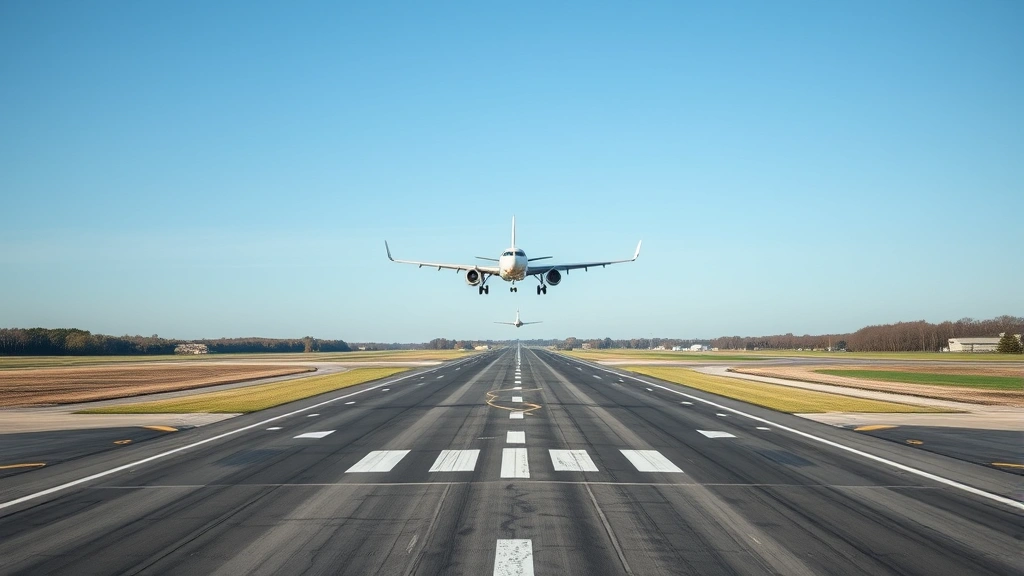
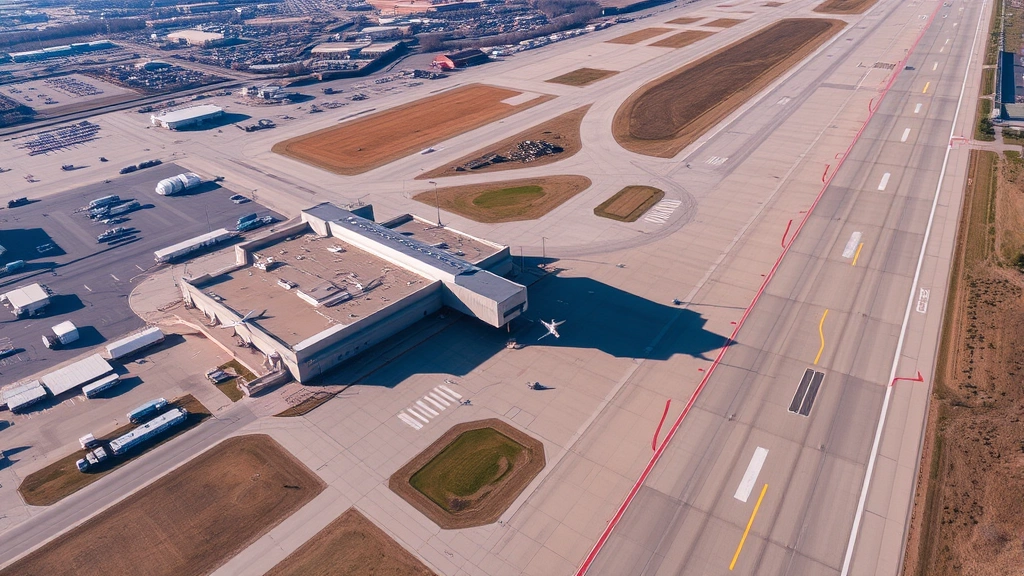
Rockford International Airport operates two parallel runways capable of handling large commercial aircraft, including Boeing 777s, Airbus A380s, and other wide-body jets. The primary runway, Runway 9/27, measures 11,000 feet, providing ample length for safe landings even in challenging conditions. The secondary runway, Runway 1/19, measures 8,000 feet and handles regional aircraft effectively.
These runway dimensions exceed the minimum requirements for most commercial aircraft, which means pilots can land safely even when carrying substantial fuel loads or when crosswind conditions limit their options at major airports. The runway surface conditions are maintained to exacting standards, with regular inspections and maintenance ensuring optimal friction characteristics for safe landings in wet or contaminated conditions.
Beyond runway infrastructure, Rockford maintains adequate taxiway systems, apron space, and gate facilities to accommodate diverted aircraft. The airport has invested in modern equipment including instrument landing systems (ILS) that enable safe landings in low-visibility conditions. These technical capabilities are essential because many diversions occur precisely when visibility is compromised or weather conditions are marginal.
The airport’s ground support infrastructure includes fuel services, maintenance facilities, and catering operations. When aircraft divert, they may require refueling before continuing to their original destination or to an alternate. Rockford’s fuel capacity and supply agreements ensure that diverted flights can access jet fuel quickly, minimizing ground delays.
Weather Patterns and Diversion Frequency
Illinois weather creates predictable patterns that make Rockford a logical diversion point. Thunderstorms developing over Chicago frequently affect O’Hare and Midway operations, creating bottlenecks in the terminal airspace. These storms often develop in specific corridors, and Rockford’s northern location sometimes places it in clearer conditions while major Chicago airports experience convective weather.
Winter weather in the Midwest presents another scenario favoring Rockford diversions. Heavy snow, freezing precipitation, or wind conditions can temporarily close runways or restrict operations at major hubs. During these events, Rockford’s runway capabilities and de-icing equipment allow continued operations when larger airports must implement ground stops or reduce capacity.
The National Weather Service and aviation weather services track conditions affecting the Chicago area continuously. Pilots receive updated weather information before departure and throughout flight, allowing them to make informed decisions about destination feasibility. When weather deteriorates unexpectedly, Rockford’s consistent availability provides a safety margin that protects both aircraft and passengers.
Fog is another significant factor in diversions to Rockford. Lake Michigan influences Chicago area weather, sometimes creating fog layers that reduce visibility to minimums or below. During these events, Rockford’s position northwest of the lake often places it in clearer conditions, making it the logical choice for aircraft that cannot land in marginal visibility conditions.
Fuel Considerations and Flight Planning
Fuel management is central to every flight decision, and diversion planning begins long before takeoff. Pilots and dispatchers calculate fuel requirements based on planned routing, expected winds, and weather conditions. They add substantial reserves for contingencies, including potential holding patterns, alternate airports, and unexpected deviations.
When considering diversions, fuel state becomes critical. An aircraft with sufficient fuel can divert to Rockford without concern, but one with marginal fuel reserves might need to land at a closer facility even if conditions are less favorable. Rockford’s distance from most departure points in the Chicago region means that flights typically reach it with comfortable fuel margins, allowing safe landing decisions.
The calculation of fuel reserves involves detailed planning that affects airline operations and scheduling. Pilots must ensure they reach an alternate airport with minimum required fuel plus reserves for holding, approach, and missed approaches. Rockford’s position allows flights from many origins to plan diversion scenarios that maintain safe fuel margins throughout the flight.
International flights and long-haul operations present different fuel considerations. These aircraft carry enormous fuel quantities and can travel vast distances, making them less dependent on nearby alternates. However, domestic flights and regional operations depend heavily on alternate airport availability, making Rockford’s role essential for Midwest operations.
Ground Services and Passenger Accommodations
When flights divert to Rockford, passenger experience becomes a significant concern. The airport has developed facilities and services to accommodate diverted passengers, including terminal space, food service options, and customer service representatives. Airlines maintain coordination with Rockford operations to arrange ground transportation, rebooking options, and passenger communication.
Rockford’s ground handling services include aircraft refueling, maintenance support, and crew rest facilities. For flights that require extended ground time, these services become essential. Maintenance personnel can address minor issues that prompted diversions, and crew rest facilities allow pilots to comply with flight time regulations when necessary.
The airport works cooperatively with airlines to minimize passenger inconvenience during diversions. Shuttle services connect Rockford to Chicago area hotels and transportation hubs, and airline personnel assist with rebooking passengers on subsequent flights. While diversion is never ideal, Rockford’s infrastructure and services help mitigate passenger frustration.
Communication is critical during diversions, and Rockford’s terminal facilities include adequate space for airline representatives to assist passengers. Gate agents can rebook passengers, provide meal vouchers, and arrange ground transportation. For connecting passengers, the airport’s proximity to Chicago allows continued journey with manageable delays.
Pilot Perspectives on Diversion Decisions
Experienced pilots view Rockford as a reliable diversion option that provides operational flexibility without excessive complications. The decision to divert involves multiple factors: weather forecast trends, current conditions, fuel state, passenger considerations, and aircraft mechanical status. Pilots use weather radar, communications with air traffic control, and real-time data to assess conditions at potential alternates.
Captain perspectives reveal that Rockford’s consistent availability and adequate infrastructure inspire confidence. Pilots know the airport’s capabilities and limitations, making it easier to make quick decisions when conditions warrant diversion. The runway lengths, instrument approaches, and ground support services are well-established in pilot knowledge bases and training materials.
Communication between flight crews and dispatchers is continuous, and dispatchers track weather developments that might affect diversion decisions. When conditions deteriorate, pilots and dispatchers discuss options proactively, sometimes diverting before reaching critical fuel states. This proactive approach enhances safety while minimizing passenger impact.
Pilot training includes diversion procedures and alternate airport selection. Airlines provide detailed information about alternate airports in their operational areas, including runway configurations, approach procedures, and ground services. For Chicago-based operations, Rockford features prominently in this training due to its frequent use as an alternate.
The decision-making process reflects careful risk assessment. Pilots weigh the risks of continuing to a congested or weather-affected destination against the known quantities of diverting to Rockford. When weather trends suggest deteriorating conditions, early diversion decisions reduce risks associated with last-minute diversions or missed approaches.
Passenger Rights During Diversions
Passengers experiencing flight diversions have specific rights under aviation regulations. The U.S. Department of Transportation requires airlines to provide accurate information about diversion reasons, expected ground time, and next steps. Airlines must also provide meals, refreshments, and ground transportation when diversions result in extended ground time.
When flights divert due to weather or mechanical issues, airlines must assist passengers with rebooking on subsequent flights. Passengers may be entitled to compensation depending on diversion cause and duration. Understanding these rights helps passengers navigate diversion situations more confidently.
Diversions are considered extraordinary circumstances under most airline policies, meaning passengers may not receive monetary compensation. However, airlines must still provide care and assistance, including food, beverages, and accommodation for extended ground times. Ground transportation to final destinations is typically provided when diversions prevent timely arrival at original destinations.
For passengers experiencing anxiety about diversions, understanding the operational realities of long-haul flights and safety procedures can provide reassurance. Diversions represent a normal part of aviation operations and demonstrate the safety systems that protect passengers throughout flight.
Passengers should retain documentation of diversion-related expenses, as some airlines reimburse passenger costs for meals, ground transportation, and accommodation. Checking airline policies and submitting claims promptly helps recover legitimate expenses incurred during diversions.
Operational Economics of Diversion
From an airline perspective, diversions create operational costs through fuel burns, ground handling, crew overtime, and passenger care. However, these costs are minor compared to the costs of accidents or safety compromises. Airlines view diversion capability as essential infrastructure supporting safe operations.
The availability of reliable alternate airports like Rockford reduces overall operational risk and allows airlines to maintain aggressive schedules. Without adequate alternates, airlines would need to cancel more flights or implement longer buffers for weather uncertainty. Rockford’s existence enables more efficient operations while maintaining safety standards.
Fuel costs associated with diversions are manageable because modern flight planning includes diversion scenarios. Airlines calculate fuel requirements assuming potential diversions, so the actual cost of diverting to Rockford is often less than maintaining excessive fuel reserves for all flights. This efficient planning balances safety with operational economics.
Ground handling costs at Rockford are competitive, and the airport’s cooperative approach with airlines supports smooth diversion operations. Airlines maintain service agreements with ground handling companies at Rockford, ensuring rapid turnaround when diverted aircraft require refueling and servicing.
Future of Rockford as a Diversion Airport
Rockford International Airport continues evolving to meet aviation industry demands. Recent investments in runway improvements, terminal expansion, and ground support services enhance its capacity to handle diversions. The airport’s strategic importance in the Midwest aviation network ensures continued development and investment.
As air traffic increases and weather patterns potentially shift, the role of alternate airports becomes increasingly important. Rockford’s location, infrastructure, and operational capabilities position it well for future aviation demands. Climate considerations and severe weather projections suggest that reliable alternate airports will become even more valuable.
The airport’s relationship with airlines and air traffic control agencies continues strengthening through regular coordination and communication. These partnerships ensure that Rockford remains optimized for its role in the aviation system, serving both routine operations and emergency diversion scenarios.
Technological advances in weather forecasting and aircraft systems continue improving diversion decision-making. Real-time weather data, improved communication systems, and enhanced navigation capabilities help pilots and dispatchers make better informed decisions about diversions. Rockford’s infrastructure supports these technological advances, maintaining its relevance in modern aviation.
For travelers concerned about disruptions, understanding that facilities like Rockford exist provides reassurance. The aviation system includes multiple safeguards and alternate resources designed to ensure safe operations even when unexpected circumstances arise. Diversion to Rockford represents one of many safety mechanisms protecting passengers.
Planning Your Journey Through Chicago Airspace
Travelers flying into or through Chicago should understand that diversions are possible, particularly during severe weather seasons. Building flexibility into travel plans—avoiding tight connections and building buffer time—helps accommodate potential diversions. Checking weather forecasts before traveling provides insight into potential diversion likelihood.
When booking flights, consider the operational reliability of airlines serving Chicago, as some carriers have stronger track records managing weather disruptions. Airlines with robust dispatch capabilities and good alternate airport relationships tend to experience fewer diversions and cancellations.
Passengers can access real-time flight tracking through various apps and websites, allowing them to monitor flight progress and weather conditions. This information helps passengers understand if weather or other factors might affect their flight. Knowing that Rockford exists as a backup option provides peace of mind during uncertain weather conditions.
Travel insurance that covers flight disruptions provides additional protection for passengers concerned about diversion impacts. Some policies cover ground transportation, meal expenses, and accommodation during unexpected diversions, adding a layer of financial protection to travel plans.
Understanding airline communication practices during diversions helps passengers remain informed. Airlines typically announce diversion decisions through in-flight announcements and provide regular updates about ground time and next steps. Passengers should listen carefully to crew announcements and ask questions if they need clarification about diversion procedures or timeline.
FAQ
Why is Rockford chosen for diversions instead of closer airports?
Rockford’s runway length, weather patterns, ground services, and operational capabilities make it preferable to some closer alternatives. Its northern location often provides better weather conditions during Chicago area storms, and its infrastructure supports large aircraft operations reliably.
How often do flights divert to Rockford?
Diversion frequency varies seasonally and based on weather patterns. Winter months and severe weather seasons see increased diversion activity. Exact numbers depend on weather conditions and air traffic management decisions, but Rockford regularly handles multiple diversions weekly during peak seasons.
Will I be compensated if my flight diverts to Rockford?
Compensation depends on diversion cause. Weather-related diversions typically qualify as extraordinary circumstances, meaning airlines aren’t required to provide monetary compensation. However, airlines must provide care and assistance, including meals and ground transportation for extended delays.
How long do diversions typically take?
Ground time during diversions varies from a few hours to overnight stays depending on circumstances. Weather-related diversions might require waiting for conditions to improve at the original destination. Mechanical diversions depend on repair complexity. Airlines keep passengers updated about expected ground time.
Can I request not to fly if weather seems risky?
Yes, passengers can request cancellation before flight departure, though you may incur change fees or receive flight credits depending on airline policies. However, pilots wouldn’t operate flights deemed unsafe, so if flights are operating, they meet strict safety standards regardless of weather appearance.
What should I do if my flight diverts?
Follow crew instructions, remain calm, and listen to announcements about ground time and next steps. Keep receipts for any expenses incurred. Contact your airline if you have questions about rebooking or compensation. Check airline policies regarding passenger assistance during diversions.
Does diversion indicate something is wrong with the aircraft?
Not necessarily. Many diversions result from weather or air traffic control decisions rather than mechanical issues. When mechanical issues prompt diversions, they’re usually minor issues that don’t pose safety risks but benefit from repair before continuing flight.
How is Rockford Airport connected to Chicago?
Ground transportation connects Rockford to Chicago through shuttle services, rental cars, and public transportation. The airport is located about 85 miles northwest of downtown Chicago, making it accessible but not immediately convenient for ground travel.