
Atlanta to Dallas Flights: Expert Insights
Flying between Atlanta and Dallas represents one of the busiest air corridors in the United States, connecting two major business and leisure hubs in the South. Hartsfield-Jackson Atlanta International Airport (ATL) and Dallas/Fort Worth International Airport (DFW) handle millions of passengers annually, making this route highly competitive with numerous flight options at various price points. Whether you’re traveling for business meetings, visiting family, or exploring the vibrant culture of either city, understanding the nuances of this route can significantly enhance your travel experience and help you secure the best possible fares.
The Atlanta to Dallas flight route offers exceptional convenience with multiple daily departures, typically ranging from 2.5 to 3 hours of flight time depending on weather conditions and air traffic. This relatively short flight duration makes it an ideal choice for both quick business trips and weekend getaways. The route is serviced by major carriers including Southwest Airlines, American Airlines, Delta Air Lines, and United Airlines, each offering distinct advantages in terms of pricing, amenities, and frequent flyer benefits.
Available Flight Options and Airlines
The Atlanta to Dallas route benefits from significant airline competition, which directly translates to more choices and better pricing for travelers. American Airlines operates a substantial number of flights on this corridor, as both Atlanta and Dallas serve as important hub cities for the carrier. Southwest Airlines also maintains a robust presence, offering multiple daily flights with their signature free baggage policy and no change fees, making them an attractive option for flexible travelers.
Delta Air Lines provides frequent service between ATL and DFW, leveraging Atlanta’s position as their primary operational hub. United Airlines rounds out the major carriers with competitive offerings on this route. Additionally, you may find regional carriers and occasional budget-friendly options that can provide exceptional value, particularly during off-peak travel periods. When evaluating airline choices, consider factors beyond just price, including baggage policies, seat selection options, and loyalty program benefits that could enhance your overall value proposition.
For those booking multiple passengers, understanding how to book flights for multiple people can streamline your reservation process and potentially unlock group discounts. Additionally, exploring our flights from Atlanta to Cancun guide can provide comparative insights into booking strategies across different routes from Atlanta’s major airport.
Strategic Pricing and Booking Tips
Understanding when and how to book your Atlanta to Dallas flights can result in substantial savings. Industry data suggests that booking 1-2 months in advance typically yields the best fares for this domestic route, though business travelers often find last-minute deals available due to airline yield management strategies. Our comprehensive guide on best times to book airline tickets provides detailed strategies that apply directly to this corridor.
Tuesday and Wednesday departures frequently offer lower fares compared to weekend travel, as business travelers dominate weekday flights. Morning flights typically cost more than afternoon or evening departures, reflecting higher demand from corporate travelers. Setting up price alerts through Google Flights, Kayak, or directly with airline websites ensures you capture deals when fares drop. Consider being flexible with your exact travel dates; sometimes shifting your departure by a single day can result in savings of $50-150 per ticket.
Midweek travel during off-season months (January, September, and early December) presents optimal pricing opportunities. Avoid peak travel periods around major holidays, summer vacation months, and major Dallas events like the State Fair of Texas. If your schedule permits, red-eye flights departing late evening can offer 15-25% discounts compared to daytime alternatives. Using incognito browsing mode when searching for flights prevents price increases based on previous searches and browsing history.
Airport Information and Ground Transportation
Hartsfield-Jackson Atlanta International Airport (ATL) consistently ranks as the world’s busiest airport by passenger volume, creating both advantages and challenges. The airport features excellent ground transportation connections, including the MARTA rapid transit system that directly connects to downtown Atlanta and surrounding areas. Rental car facilities are extensive and competitively priced, while rideshare services like Uber and Lyft provide convenient alternatives for travelers avoiding parking fees.
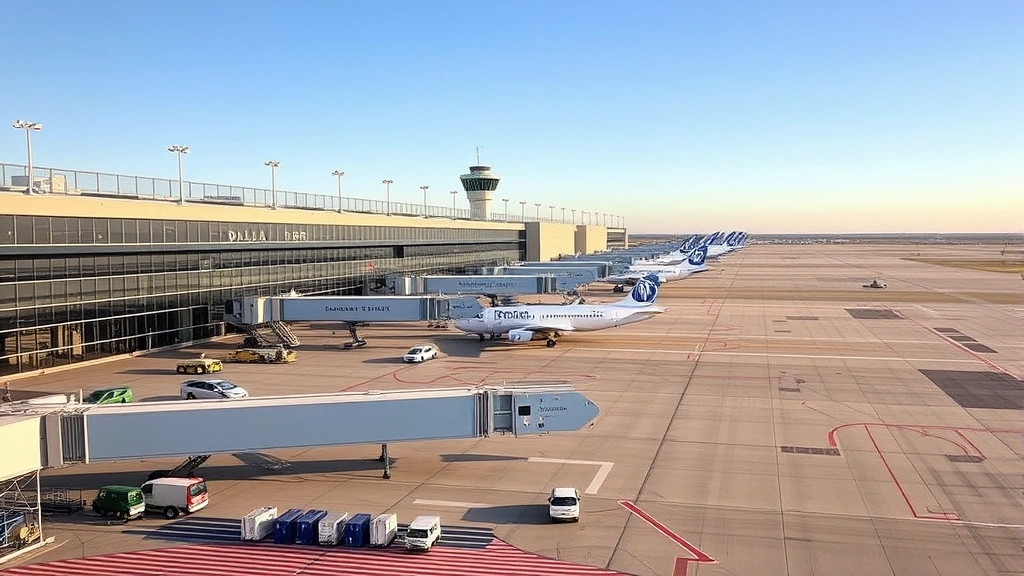
Dallas/Fort Worth International Airport (DFW) spans multiple terminals and covers an enormous area, making it the second-largest airport by land area in the United States. The airport provides comprehensive ground transportation options including the DART light rail system, which connects to downtown Dallas and surrounding areas. Both airports offer short-term and long-term parking facilities, though pre-booking parking through third-party vendors often yields 20-30% savings compared to airport direct rates.
When planning your ground transportation, factor in additional travel time at both airports. ATL typically requires 90 minutes before domestic departure, while DFW suggests 120 minutes due to its sprawling layout. Arriving early provides buffer time for unexpected delays and reduces travel stress. Consider using Sky Voyage Hub Blog resources for detailed airport navigation guides and transportation comparisons.
Optimal Travel Times and Seasonal Considerations
The Atlanta to Dallas corridor experiences distinct seasonal travel patterns that significantly impact both pricing and flight availability. Summer months (June-August) see peak leisure travel, particularly families taking vacations and students traveling during school breaks. This period commands premium pricing, with fares typically 20-35% higher than shoulder seasons. Spring break periods (March-April) also create pricing spikes and reduced seat availability.
Fall months (September-November) present excellent value opportunities, except for periods surrounding major holidays like Thanksgiving. Winter travel (January-February) offers some of the year’s lowest fares, as holiday-related trips conclude and spring break remains distant. Business travel demand remains relatively consistent throughout the year, though it peaks on Thursdays and Fridays when executives travel for weekend meetings.
Dallas-specific events create predictable travel surges that savvy travelers can avoid. The State Fair of Texas (September-October) draws massive crowds and increases flight demand. Major sporting events, conventions, and conferences throughout the year create temporary price increases on specific dates. Checking Dallas’s event calendar before booking enables strategic timing that capitalizes on lower fares during slower periods.

Onboard Experience and Amenities
The 2.5-3 hour flight duration between Atlanta and Dallas qualifies as a short-haul flight, meaning amenities vary significantly by airline and ticket class. Basic economy fares typically include a beverage service and snacks, while premium cabin options provide enhanced meals, additional beverage selections, and priority boarding. Southwest Airlines’ free baggage policy represents exceptional value for travelers checking luggage, potentially saving $50-100 on round-trip flights compared to competitors charging standard baggage fees.
Most aircraft on this route feature seatback entertainment systems with movies, television programs, and flight tracking capabilities. Seat pitch (legroom) varies between 30-32 inches in economy class, with premium economy and business class offering 34-40+ inches. For taller passengers or those seeking additional comfort, upgrading to premium seating may enhance the experience, particularly on evening flights when fatigue becomes a factor.
In-flight WiFi availability depends on your chosen carrier and ticket class. Some airlines offer complimentary WiFi to premium cabin passengers and frequent flyer members, while others charge $5-7 for hourly passes or $15-20 for monthly plans. Mobile device charging ports remain inconsistently available, so carrying a portable battery pack ensures your devices remain powered throughout your journey.
Weather Patterns and Flight Delays
Understanding seasonal weather patterns helps travelers prepare for potential delays and disruptions on the Atlanta to Dallas route. Summer thunderstorms across the Southeast frequently impact Atlanta operations, occasionally causing ground stops that cascade into system-wide delays. Dallas occasionally experiences severe weather including hail storms and occasional tornadoes during spring months, creating temporary flight diversions and cancellations.
Winter weather rarely impacts this route severely, as both cities experience mild winters compared to northern regions. However, occasional ice storms can disrupt operations in either location. Spring months bring the highest severe weather risk, particularly April and May, when tornado activity peaks across Texas and the Southeast. Fall generally offers the most stable weather conditions with minimal disruption risk.
Travelers should monitor weather forecasts for both departure and arrival cities 3-5 days before travel. The Federal Aviation Administration (FAA) website provides real-time flight delay information, enabling travelers to assess current conditions before heading to the airport. Purchasing travel insurance provides protection against weather-related cancellations and allows rebooking on alternative flights without penalties.
FAQ
How long does a flight from Atlanta to Dallas take?
Typical flight duration ranges from 2 hours 30 minutes to 3 hours, depending on wind conditions, air traffic, and specific routing. Tailwind conditions can reduce flight time to approximately 2 hours 20 minutes, while headwinds may extend flights to 3 hours 15 minutes. Total travel time including boarding, taxi, and deplaning typically spans 4-4.5 hours.
What is the best time to book flights on this route?
Booking 4-8 weeks in advance typically yields optimal pricing for this domestic route. Tuesday and Wednesday departures offer better rates than weekend flights. Our detailed guide on best times to book airline tickets provides comprehensive strategies applicable to this specific corridor.
Which airlines offer the most flights between Atlanta and Dallas?
Southwest Airlines, American Airlines, and Delta Air Lines operate the highest frequency of flights on this route, with multiple daily departures. United Airlines also provides regular service. This competition ensures travelers have flexibility in scheduling and pricing options.
Are there direct flights between Atlanta and Dallas?
Yes, all major carriers offer nonstop flights on this route. Direct flights represent the standard offering, with connecting flights rarely necessary or economical given the short distance between cities.
What baggage policies apply to Atlanta-Dallas flights?
Baggage policies vary by airline. Southwest Airlines includes two free checked bags with all fares, while American Airlines, Delta, and United typically charge $30-35 for the first checked bag in basic economy. Carry-on baggage remains free across all carriers. Premium cabin passengers often receive complimentary checked baggage.
How far in advance should I arrive at the airport?
For domestic flights, arriving 90 minutes before departure at Atlanta (ATL) and 120 minutes at Dallas-Fort Worth (DFW) provides adequate time for check-in, security screening, and gate access. This timeline accommodates typical security wait times and airport navigation requirements.
What is the average cost of flights on this route?
Typical round-trip fares range from $150-350 depending on booking timing, season, and airline. Basic economy fares during off-peak periods can drop below $100 per segment, while premium cabin tickets and last-minute bookings may exceed $400. Booking strategically as outlined in our booking guide helps minimize costs.
Can I use airline miles for Atlanta to Dallas flights?
All major carriers allow award bookings on this route. Typical pricing ranges from 5,000-12,500 frequent flyer miles each direction depending on cabin class and booking timing. This represents excellent value for accumulating loyalty program members, particularly when redeeming during promotional periods offering bonus miles or discounted rates.
What should I know about connecting flights?
While direct flights dominate this route, occasional connecting options through cities like Charlotte, Houston, or Memphis may offer lower fares. However, connecting flights typically cost only $10-30 less while adding 2-4 hours to total travel time, making direct flights generally preferable for most travelers.
Are there any loyalty program benefits for frequent travelers on this route?
Frequent flyers on major carriers benefit from elite status perks including priority boarding, seat upgrades, and lounge access. This route’s popularity makes it ideal for status qualification, as you can accumulate qualifying miles quickly. Learn more about airline careers and compensation by exploring our flight attendant salary information, which provides industry insights relevant to frequent business travelers.