Cheap Boston-New York Flights? Expert Guide to Finding the Best Deals
The Boston-New York corridor is one of the most traveled routes in the Northeast, with hundreds of flights connecting these two major business and tourism hubs each week. Whether you’re a frequent commuter or planning a weekend getaway, finding affordable flights between Boston Logan International Airport (BOS) and New York’s three major airports—JFK, LaGuardia (LGA), and Newark (EWR)—requires strategy, timing, and insider knowledge. This comprehensive guide reveals proven techniques to secure the cheapest fares on this competitive route.
Flying from Boston to New York doesn’t have to drain your travel budget. With the right approach to booking, flexibility on dates, and understanding airline pricing patterns, you can save hundreds of dollars on this short-haul flight. We’ll explore everything from optimal booking windows to alternative airports and money-saving strategies that experienced travelers use consistently.
Best Time to Book Boston to New York Flights
Timing your flight purchase is critical for securing the lowest fares on the Boston-New York route. Industry research shows that booking 1-3 weeks in advance typically yields the best prices for this short-haul corridor. Unlike international flights where advance booking of 2-3 months is optimal, domestic Northeast routes operate on tighter booking windows due to high business travel demand and frequent schedule changes.
Tuesday and Wednesday departures consistently offer cheaper fares than weekend flights. This pattern reflects reduced business travel midweek and lower leisure demand. If your schedule allows flexibility, shifting your travel dates by just one or two days can result in savings of $50-150 per ticket. Early morning flights (6-8 AM) and late evening departures (after 7 PM) are typically 15-25% cheaper than mid-morning and afternoon flights, which cater to business travelers willing to pay premium prices.
The worst times to book are Friday afternoons through Sunday evenings, when leisure travelers and weekend commuters flood the market. Holiday periods, spring break, and major sporting events (Boston Red Sox or New York Yankees games) also drive prices up significantly. Conversely, booking during winter months (January-February) or immediately after major holidays often reveals the cheapest fares available on this route.
Understanding Airline Pricing on This Route
The Boston-New York market is one of the most competitive in North America, with multiple carriers battling for market share. This competition benefits consumers through frequent price wars and promotional fares. Major carriers like United Airlines, JetBlue Airways, and Southwest Airlines operate numerous daily flights on this route, creating price volatility that savvy travelers can exploit.
Airlines use sophisticated yield management systems that adjust prices based on demand, inventory, competitor pricing, and booking patterns. On the Boston-New York route, prices typically fluctuate 3-5 times daily. Fares are highest Tuesday-Thursday mornings (when business travelers book last-minute), then drop significantly Wednesday-Thursday afternoons as airlines adjust to fill remaining seats. Understanding this cycle allows you to time your purchases strategically.
Base fares on this route average $80-150 for economy seats when booked with proper timing. However, baggage fees, seat selection charges, and change fees can easily add $50-100 to your final cost. Budget carriers often advertise low base fares but recoup revenue through ancillary fees, so calculating total trip cost is essential rather than focusing solely on advertised prices.
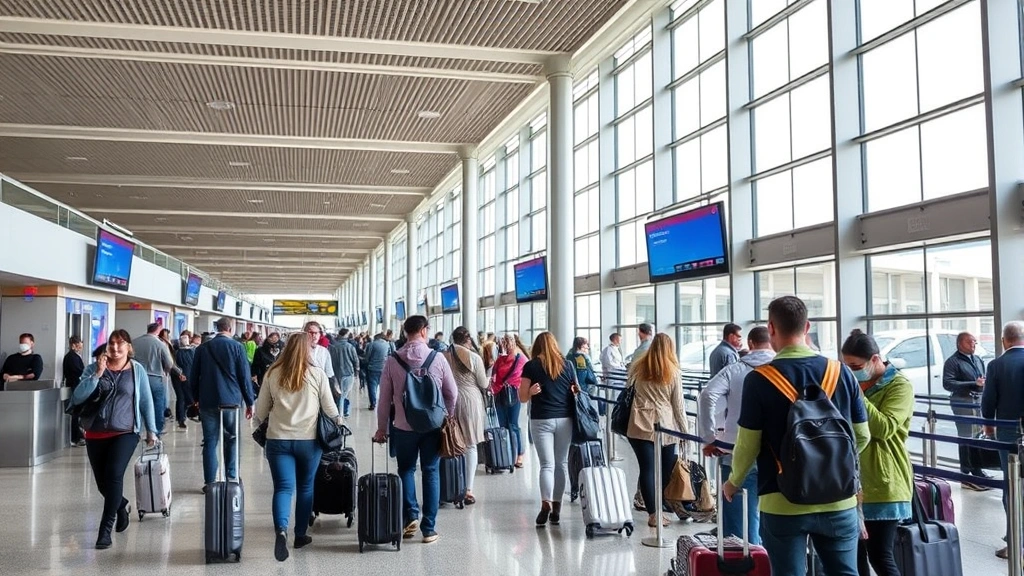
” alt=”Busy airport terminal with travelers checking in at counters, modern architecture, natural lighting”>
Top Airlines and Budget Carriers
Several carriers dominate the Boston-New York market, each with distinct pricing strategies and service offerings. JetBlue Airways is the largest carrier on this route, operating multiple daily flights from Boston Logan to all three New York airports. JetBlue’s pricing is competitive, and they offer free checked baggage on most fares—a significant advantage over competitors. Their Mint premium economy product serves this route, but basic economy fares often compete with budget carriers.
United Airlines maintains substantial capacity on this route with frequent departures to Newark and LaGuardia. United’s basic economy fares are typically mid-range, but their extensive frequent flyer program benefits make them attractive for loyalty program members. Southwest Airlines offers competitive pricing with their famous two-free-checked-bags policy, making them excellent for travelers with luggage.
Budget carriers like Frontier and Spirit occasionally offer rock-bottom fares ($40-70) on this route, but their minimal baggage allowances and additional fees can make them uneconomical for most travelers. American Airlines, Delta, and Allegiant also serve this corridor with varying frequency and pricing. For the best value, compare total trip costs including all fees rather than base fares alone.
Comparing New York Airports
New York’s three major airports—JFK, LaGuardia, and Newark—offer different advantages depending on your destination and priorities. LaGuardia (LGA) is closest to Manhattan, making it ideal if you need to reach Midtown quickly, though it’s often the most expensive option. Newark Liberty International (EWR) typically offers the cheapest fares and is increasingly popular for New York-bound travelers, with reasonable rail connections to Manhattan via NJ Transit or the PATH train.
JFK International serves more international carriers and often has competitive pricing for transatlantic connections if you’re continuing internationally. However, JFK is the furthest from Manhattan and serves primarily long-haul traffic. For pure cost savings on Boston-New York flights, Newark consistently offers the lowest fares—sometimes $30-50 cheaper than LaGuardia for identical travel dates. The time and cost to reach Manhattan from each airport should factor into your decision.
Consider this practical equation: if Newark saves you $40 but costs $15 more in ground transportation and 45 extra minutes, the savings may not justify the inconvenience. However, if you’re staying in New Jersey or don’t mind the additional travel time, Newark’s cheaper airfares make it the clear winner. Flexibility on your arrival airport is one of the most powerful tools for finding cheap Boston-New York flights.
Alternative Transportation Options
While flying is fast, it’s not always the cheapest option for Boston-New York travel, especially when accounting for airport transportation, parking, and baggage fees. The Northeast Regional Rail, operated by Amtrak, connects Boston South Station to New York Penn Station in approximately 3.5-4 hours for fares starting at $35-60 when booked in advance. The Acela Express covers the same route in 3.5 hours with fares typically $70-140.
Megabus and other intercity bus services offer the absolute cheapest fares ($15-35) but require 3.5-4.5 hours of travel time. For business travelers or those valuing time over cost, flying remains superior. However, for weekend leisure travelers with flexible schedules, train or bus travel often proves more economical when factoring in total trip expenses. The train experience is also more comfortable than flying, with no security lines, baggage fees, or seat restrictions.
Ride-sharing services like BoltBus (now part of Greyhound) and Wanderu provide comprehensive comparison tools for all Boston-New York travel options. If you’re traveling with significant luggage, flying may be cheaper; with minimal bags, ground transportation often wins financially. Consider your complete journey—door-to-door time, comfort, and total expenses—rather than just airfare price.
Advanced Booking Strategies
Professional travel hackers employ several advanced techniques to consistently find the cheapest Boston-New York flights. Price tracking tools like Google Flights, Hopper, and Kayak allow you to monitor fare trends over weeks or months, identifying patterns and optimal booking windows. Set up price alerts for your preferred travel dates and track historical pricing to understand normal price ranges and anomalies.
The “Tuesday evening rule” remains partially valid: airlines often release discounted fares on Tuesday-Wednesday evenings to fill seats for weekend travel. Set calendar reminders to check fares during these windows. Additionally, clearing your browser cookies or using incognito mode prevents airlines from tracking your browsing history and artificially inflating prices based on repeat searches—though this practice is less common than previously thought.
Consider booking one-way fares separately rather than round-trip, especially when prices fluctuate dramatically between outbound and return flights. Sometimes purchasing two one-way tickets costs $30-50 less than a round-trip. Airline error fares occasionally appear on this route; signing up for error fare alerts through websites like Scott’s Cheap Flights can yield substantial savings when carriers accidentally list fares at 50-70% discounts.
Flexibility is your greatest asset. If you can travel on any date within a two-week window, use the calendar view in Google Flights or Skyscanner to identify the cheapest days instantly. Often, flying one day earlier or later saves $100+. For business travelers without date flexibility, focus on early morning or late evening flights and booking within the 1-3 week optimal window.
Frequent Flyer Programs and Loyalty
If you travel between Boston and New York regularly, joining airline frequent flyer programs becomes essential. JetBlue’s TrueBlue program offers excellent value on this route, with elite members earning bonus points and accessing cheaper advance-purchase fares. United’s MileagePlus program provides similar benefits, and elite members gain access to discounted fares not available to general public.
Accumulating points on this short route takes time, but combining flights with credit card spending accelerates progress significantly. Researching airline loyalty programs helps identify which carrier’s frequent flyer benefits align with your travel patterns. Some programs allow redeeming points for $40-80 value on short flights like Boston-New York, making loyalty worthwhile even without elite status.
Co-branded credit cards offer signup bonuses (typically 50,000-75,000 points) valuable for 5-10 free short-haul flights. If you fly Boston-New York even occasionally, the annual fee on these cards often pays for itself through bonus points alone. However, calculate whether you’ll realistically use the benefits before applying; not all travelers justify annual fees.
Money-Saving Tips and Hacks
Beyond standard booking strategies, several insider tactics reduce Boston-New York flight costs. Booking connecting flights through secondary hubs occasionally costs less than direct flights, though this only makes sense if the connection doesn’t significantly extend your travel time. For example, a Boston-Philadelphia-New York itinerary might cost $40-60 less than a direct flight, but adds 2-3 hours to your journey.
Joining airline email lists guarantees access to flash sales and promotional fares before general public. JetBlue, United, and Southwest frequently email subscribers exclusive deals on Boston-New York flights. These promotional fares often appear 2-3 times monthly and can undercut normal prices by 30-40%. The time investment to manage airline emails pays dividends for frequent travelers.
Using flight search engines like Kayak, Skyscanner, and Momondo that aggregate multiple booking sites ensures you’re seeing all available options and prices. These metasearch engines sometimes surface fares that individual airline websites don’t display or that appear cheaper through specific booking channels. Always verify prices on the airline website before purchasing to ensure no additional fees apply.
Consider traveling during shoulder season (late April-May or September-October) when demand drops but weather remains pleasant. These periods offer cheaper flights than peak summer or winter holidays. Additionally, if your schedule permits flying on your actual travel day rather than the night before, you often access cheaper last-minute fares released by airlines to fill remaining inventory.
Utilizing airline miles for Boston-New York flights represents excellent value, as short-haul awards typically require 5,000-12,500 miles depending on the carrier. If you’ve accumulated points through credit card spending or previous flights, redeeming for this route often provides superior value compared to saving points for longer flights. Exploring Boston to Las Vegas flights shows how loyalty programs function on longer routes, but short-haul redemptions offer better value per point.

” alt=”Modern airport lounge with comfortable seating, large windows overlooking tarmac with aircraft, travelers relaxing”>
FAQ
What’s the cheapest day to fly from Boston to New York?
Tuesday through Thursday typically offer the cheapest fares, with Wednesday being optimal. Avoid Friday-Sunday when prices peak. Early morning (6-8 AM) and late evening (after 7 PM) flights are significantly cheaper than mid-morning and afternoon departures.
How far in advance should I book Boston-New York flights?
Book 1-3 weeks in advance for optimal pricing on this short-haul route. Unlike international flights requiring 2-3 months advance booking, this domestic Northeast corridor operates on tighter pricing windows. Booking too early or too late typically results in higher fares.
Is it cheaper to fly into Newark instead of LaGuardia or JFK?
Yes, Newark (EWR) consistently offers fares $30-50 cheaper than LaGuardia or JFK for identical travel dates. However, factor in ground transportation costs and time to reach Manhattan when comparing total expenses. For budget-conscious travelers without time constraints, Newark represents the best value.
Should I consider train travel instead of flying?
For many travelers, Amtrak’s Northeast Regional ($35-60) or Acela Express ($70-140) offers better value than flying when accounting for airport transportation, parking, and baggage fees. Trains are more comfortable and eliminate security delays. Compare total trip costs rather than focusing solely on ticket price.
Do frequent flyer miles provide good value on Boston-New York flights?
Yes, redeeming frequent flyer miles on short-haul flights like Boston-New York typically provides excellent value, with awards requiring 5,000-12,500 miles. This often represents better value per point than saving miles for longer flights, especially if you’ve accumulated points through credit card spending.
What are the best budget airlines for this route?
JetBlue, Southwest, and United offer the best balance of price and service. Budget carriers like Frontier and Spirit advertise low base fares but charge heavily for baggage and seat selection, often making total costs higher than full-service carriers. Always calculate final costs including all fees.
Are there any tricks to finding cheaper fares?
Use price tracking tools, set calendar alerts, check for error fares, book one-way tickets separately, and maintain flexibility on dates and airports. Clear browser cookies, check airline emails for flash sales, and consider connecting flights that cost less than direct options. These tactics combined often save $100+ per ticket.