
Niagara Falls Flights: Booking Expert Advice
Planning a trip to witness one of the world’s most spectacular natural wonders? Booking flights to Niagara Falls requires strategic planning and insider knowledge to secure the best deals and convenient routes. Whether you’re traveling from across the country or internationally, understanding the nuances of airport options, seasonal pricing, and booking timing can save you hundreds of dollars while ensuring a smooth travel experience to this iconic destination.
Niagara Falls attracts millions of visitors annually, making flight bookings competitive during peak seasons. The region offers multiple airport options serving both the American and Canadian sides, each with distinct advantages depending on your departure city and travel preferences. This comprehensive guide walks you through everything you need to know about booking flights to Niagara Falls, from selecting the right airport to timing your purchase for maximum savings.
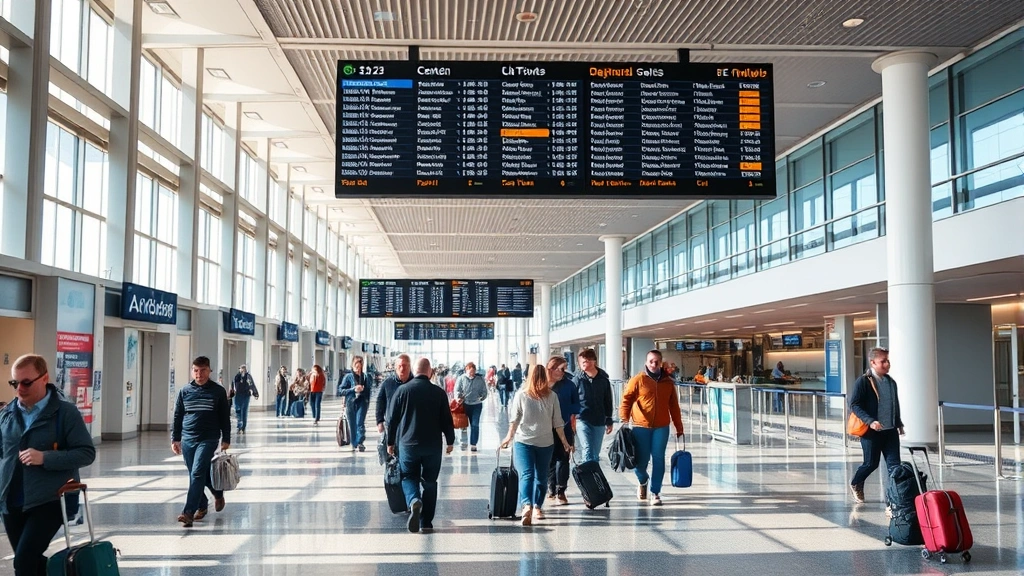
Understanding Niagara Falls Airport Options
The Niagara Falls region is served by several airports, each offering different advantages for travelers. Niagara Falls International Airport (IAG) is the closest option, located just 15 minutes from the falls on the American side. However, this smaller regional airport has limited flight options and typically higher per-ticket prices due to reduced competition among carriers. Most direct flights to IAG originate from major hub cities, making it ideal primarily for travelers in those specific markets.
Buffalo Niagara International Airport (BUF), approximately 30 minutes from the falls, offers significantly more flight options and competitive pricing. As a larger regional hub, Buffalo attracts multiple airlines competing for passengers, which naturally drives down fares. You’ll find more flexibility in departure times, airlines, and routing options from BUF compared to IAG. The drive to Niagara Falls is straightforward, and rental car or shuttle services are readily available.
For international travelers or those seeking maximum flight options, Toronto Pearson International Airport (YYZ) on the Canadian side presents another alternative. Located about 1.5 hours from Niagara Falls, YYZ is a major international hub with extensive global connectivity. If you’re flying from Europe, Asia, or other international destinations, comparing YYZ flights with American airports often reveals significant savings, even accounting for ground transportation costs.
Rochester International Airport (ROC), roughly 75 minutes from Niagara Falls, occasionally offers competitive fares, particularly for travelers from the Northeast. While the drive is longer, seasonal promotions and lower airfares from ROC can offset the additional transportation time and expense. When booking flights to Niagara Falls, always compare all regional airports to identify the best overall value.

Best Times to Book Your Flight
Timing your flight purchase strategically can result in savings of 30-50% compared to last-minute bookings. Industry research shows that the best times to book airline tickets involve booking 1-3 months in advance for domestic flights. For Niagara Falls trips, this window typically offers the optimal balance between availability and pricing.
Tuesday and Wednesday afternoons represent historically the cheapest days for airline pricing, as fewer leisure travelers monitor fares during the middle of the work week. Airlines adjust pricing algorithms based on competitor pricing and demand patterns, and Tuesday afternoon updates often reflect the most competitive rates. Setting up price alerts on major booking platforms allows you to capture these favorable pricing windows automatically.
Avoid booking flights on Friday through Sunday evenings, when leisure travelers actively search and book, driving prices upward. Similarly, booking on Monday mornings often captures weekend demand surges still reflected in pricing. The sweet spot emerges when you book mid-week for mid-week travel, particularly when avoiding peak season windows.
Comparing Airlines and Routes
Multiple carriers serve the Niagara Falls region, each with distinct advantages and service levels. Understanding airline differences helps optimize your travel experience, whether prioritizing comfort, cost, or convenience. Major carriers including American Airlines, United, Delta, and Southwest compete on Niagara Falls routes, particularly through Buffalo.
Southwest Airlines frequently offers competitive fares to Buffalo with their generous baggage policy, making them attractive for travelers planning multi-day Niagara Falls trips. Their point-to-point network structure sometimes provides better pricing than legacy carriers’ hub-dependent routes. United and American operate through their respective hubs (Newark/Chicago and Charlotte/Dallas), occasionally offering better connectivity for travelers from their hub cities.
Canadian carriers Air Canada and WestJet provide excellent options for travelers considering the Toronto airport alternative. Their transatlantic and transpacific networks often feature competitive pricing for international travelers choosing YYZ as their gateway. Comparing these carriers’ fares alongside American options ensures you’re evaluating all competitive pricing.
Budget carriers like Spirit and Frontier occasionally serve Buffalo with deeply discounted base fares, though their restrictive baggage policies and ancillary fees require careful calculation. A $99 base fare becomes significantly more expensive once bags, seat selection, and other fees are added. Calculate total trip cost including all fees, not just headline fares, when comparing budget carriers against traditional airlines.
Money-Saving Strategies for Niagara Falls Flights
Beyond basic booking timing, several sophisticated strategies can significantly reduce your overall flight costs. Flexible date searching reveals the cheapest days to fly, often showing savings of $50-150 per ticket. Most booking platforms allow searching entire weeks or months simultaneously, highlighting the lowest-priced options. Flying on Tuesday or Wednesday typically costs substantially less than weekend flights to the same destination.
Consider alternative routing strategies when direct flights seem expensive. Booking separate one-way tickets on different airlines can sometimes undercut round-trip pricing, particularly when airlines adjust pricing based on competitive pressure. However, this strategy requires careful planning regarding baggage policies and connection times, especially when you’re not protected by a single airline’s commitment to your journey completion.
Nearby airport alternatives deserve serious consideration. If flights to Buffalo are expensive, checking Rochester, Syracuse, or even Cleveland airports 2-3 hours away can reveal significantly lower fares. Driving an extra 60-90 minutes might cost $30-50 in gas and tolls but save $100+ per ticket, making the math compelling for family trips.
Leverage airline loyalty programs strategically. Even without elite status, earning miles on flights to Niagara Falls through co-branded credit cards or loyalty account enrollment provides future redemption value. Some airlines offer bonus miles for booking directly through their websites, and certain credit cards provide statement credits for travel purchases. These benefits compound across multiple trips, creating substantial long-term savings.
Price monitoring tools automate the search process. Setting alerts on Google Flights, Hopper, or Kayak notifies you when fares drop, eliminating the need for constant manual checking. These tools track price history and predict future prices, helping you decide whether to book immediately or wait for further price decreases. For flexibility-enabled travelers, waiting for predicted price drops can yield additional savings.
Seasonal Travel Considerations
Niagara Falls’ tourism patterns dramatically influence flight pricing throughout the year. Summer months (June-August) represent peak season with the highest airfares and most crowded flights. Families traveling during school vacations drive demand, and airlines capitalize with premium pricing. If summer travel is unavoidable, book 8-12 weeks in advance to secure the best available rates during this period.
Fall season (September-October) offers an exceptional value window. Weather remains beautiful, foliage creates stunning scenery, and post-Labor Day travel drops significantly as families return to school routines. Airfares during September often match or undercut spring pricing, yet weather conditions rival summer quality. This shoulder season represents perhaps the best value for leisure travelers with flexible schedules.
Winter months (November-February) feature the lowest airfares of the year, with January representing the absolute cheapest month. Frozen waterfalls create unique photographic opportunities, and winter crowds are minimal. However, weather unpredictability can cause flight delays and cancellations, and the region’s attraction experiences reduced accessibility during harsh conditions. If you book winter flights, ensure travel insurance covers weather-related disruptions.
Spring season (March-May) provides moderate pricing with improving weather conditions. Easter and spring break periods create pricing spikes, so traveling outside these specific weeks reveals better fares. Late May through early June often features surprisingly good pricing before summer peak season officially begins.
Ground Transportation from Airports
Your airport choice significantly impacts ground transportation costs and convenience. From Buffalo Niagara International (BUF), car rental agencies offer competitive rates, with many major carriers maintaining on-site facilities. The 30-minute drive to Niagara Falls is straightforward via the Niagara Thruway. Ride-sharing services like Uber and Lyft operate from BUF, with typical fares ranging $35-50 to central Niagara Falls depending on surge pricing.
Shuttle services and hotel-arranged transportation from BUF cost $20-35 per person for shared shuttles or $60-90 for private options. These services often provide more convenient timing than rental cars for travelers not planning extensive regional exploration. Pre-booking shuttle services during flight booking can lock in rates and ensure reliable transportation upon arrival.
From Niagara Falls International (IAG), ground transportation is minimal—just 15 minutes to most accommodations. This proximity advantage sometimes justifies higher flight costs, particularly for travelers prioritizing convenience over savings. Direct car rental from IAG is available but limited compared to BUF.
From Toronto Pearson (YYZ), ground transportation costs are higher but still competitive. GO Transit bus service provides economical options, while rental cars and ride-sharing cost $50-75. The longer drive requires factoring additional transportation time into your travel plans. However, for international travelers, YYZ’s superior flight options and connections may justify the extended travel time.
Flight Booking Platforms and Tools
Selecting the right booking platform impacts both pricing and convenience. Airline websites directly offer the lowest prices for many routes, as airlines avoid paying booking platform commissions. Checking individual airline sites for flights to Niagara Falls regions often reveals 5-10% savings compared to third-party platforms. Booking directly also ensures direct customer service relationships with the airline if issues arise.
Meta-search platforms like Google Flights, Kayak, and Skyscanner aggregate pricing from multiple sources, allowing simultaneous comparison across airlines and booking platforms. These tools excel at identifying price trends and enabling flexible date searches that reveal optimal travel windows. Their price alert functionality provides automated notifications when fares change, eliminating manual monitoring.
Booking aggregators like Expedia, Orbitz, and Travelocity bundle flights with hotels and car rentals, sometimes providing package discounts. However, their pricing often exceeds airline websites due to commission structures. Reserve aggregators for package deals rather than flight-only bookings unless promotions create genuine savings advantages.
Specialized tools like travel blogs and aviation resources provide expert guidance on emerging deals and booking strategies. Following industry publications and travel blogs identifies flash sales and promotional opportunities that general platforms might not highlight initially.
Consider error fare monitoring services that track pricing glitches occasionally offered by airlines. These rare opportunities provide dramatically discounted flights—sometimes 50-70% below normal pricing—when airlines misprice routes. Subscribing to error fare alerts on specialized websites occasionally yields exceptional deals, though availability is unpredictable and inventory typically exhausts quickly.
Important Considerations Before Booking
Before finalizing your flights to Niagara Falls booking, review several critical factors ensuring a smooth travel experience. Understanding airline flight delay compensation policies protects your rights if disruptions occur. EU261 regulations and US Department of Transportation rules mandate specific compensation levels for eligible delays and cancellations—knowledge that empowers you if problems arise.
Verify TSA requirements for domestic flights and international entry requirements for your destination and nationality. Valid identification, passports, and potentially visas must align with your travel dates. Cross-border travel to Canada requires valid documentation even for US citizens. Checking requirements 2-3 months before travel prevents last-minute complications.
Review baggage policies carefully, as airlines increasingly restrict checked and carry-on bags. Understanding your airline’s specific policies prevents surprise fees and ensures you pack appropriately. Tips for long flights also apply to regional journeys, particularly regarding comfort and preparation for travel day logistics.
Purchase travel insurance covering trip cancellation, medical emergencies, and baggage loss. While optional, travel insurance provides financial protection against unforeseen circumstances that could otherwise devastate your vacation investment. Compare coverage options and premium costs against your overall trip budget to determine appropriate protection levels.
FAQ
What’s the cheapest month to fly to Niagara Falls?
January consistently offers the lowest airfares to Niagara Falls, with February and November also providing excellent value. Winter pricing reflects reduced leisure travel demand, though weather unpredictability requires flexibility. For optimal pricing without weather concerns, September offers exceptional value during the shoulder season.
How far in advance should I book flights to Niagara Falls?
Booking 6-8 weeks in advance captures optimal pricing for most dates. However, monitoring prices continuously and booking when fares drop—regardless of how far ahead—often yields better results than rigid timing rules. Setting price alerts allows you to book opportunistically when prices fall below historical averages.
Is Buffalo or Niagara Falls airport better for my trip?
Buffalo (BUF) offers significantly more flight options and competitive pricing, making it ideal for most travelers. Niagara Falls (IAG) provides convenience with its proximity but limited flight options and typically higher fares. Compare total costs including ground transportation to determine which airport provides better overall value for your specific travel situation.
Can I save money booking one-way flights separately?
Sometimes, but rarely. Airlines typically price round-trip flights more competitively than individual one-way tickets. Booking separate one-way tickets only makes financial sense during specific competitive circumstances or error fares. Calculate total costs carefully before pursuing this strategy, as baggage policy inconsistencies and lack of protection between airlines create additional risks.
What travel documents do I need for Niagara Falls?
For domestic US travel to Niagara Falls, a valid government-issued photo ID (driver’s license or passport) suffices. For cross-border travel to the Canadian side, US citizens require valid passports. International visitors need passports and potentially visas depending on their citizenship. Verify specific requirements with Canadian immigration authorities and your country’s travel advisories.
Are there direct flights to Niagara Falls?
Direct flights exist from major hub cities to Niagara Falls (IAG) and Buffalo (BUF), but limited compared to larger hubs. Many routes require connections, particularly for smaller origin cities. Comparing direct versus connecting flight prices sometimes reveals that adding a connection provides significant savings offsetting the added travel time.
How do I get from the airport to Niagara Falls hotels?
Multiple ground transportation options serve all regional airports. Rental cars, ride-sharing (Uber/Lyft), shuttle services, and public transit all connect airports to Niagara Falls accommodations. Pre-booking transportation during flight booking often provides better rates and ensures reliable service upon arrival, eliminating post-flight stress about logistics.