
Cheapest Flights ATL to ORL: Insider Pricing Tips for Atlanta to Orlando
Finding affordable flights from Atlanta to Orlando doesn’t require luck—it requires strategy. The route between Hartsfield-Jackson Atlanta International Airport (ATL) and Orlando International Airport (MCO) is one of the most competitive in the Southeast, which means savvy travelers can score incredible deals if they know where to look and when to book. Whether you’re heading to theme parks, visiting family, or attending a business conference, this insider guide reveals the secrets airlines and travel experts use to minimize your airfare costs.
The ATL-to-ORL corridor sees thousands of daily passengers, making it a battleground for airline pricing. Major carriers including Southwest Airlines, Delta Air Lines, United, and Spirit compete aggressively on this route, creating opportunities for flexible travelers. Understanding demand patterns, booking windows, and hidden pricing strategies can save you $50 to $200+ per ticket on this roughly 450-mile journey.
Best Times to Book ATL to ORL Flights
The timing of your booking dramatically impacts the final price. Research from aviation pricing analysts consistently shows that booking 6-8 weeks in advance yields the lowest average fares on this route. However, this isn’t a hard rule—flexibility is your greatest asset. For domestic routes like Atlanta to Orlando, airlines typically release their lowest fares on Tuesday and Wednesday mornings, with prices climbing through the weekend as demand increases.
The “sweet spot” for booking this particular route falls between Tuesday morning and Thursday evening. Airlines adjust prices dynamically based on competitor fares, remaining seat inventory, and historical booking patterns. Tuesday morning bookings tend to be cheapest because airlines have had the weekend to analyze competitor pricing and adjust downward to fill seats. Wednesday bookings remain competitive, while Friday through Sunday fares climb as weekend travelers begin booking.
Time of day matters too. Booking between 3 AM and 6 AM Eastern Time often reveals lower fares, as overnight algorithm adjustments settle and fewer manual bookings compete for inventory. Setting price alerts and checking multiple times daily during your booking window increases your chances of capturing the lowest available fares.
Day-of-Week Pricing Patterns
Your departure day significantly affects pricing. Tuesday and Wednesday departures from Atlanta to Orlando are typically 15-25% cheaper than Friday, Saturday, and Sunday flights. This reflects Disney World’s weekend visitor surge and business travelers returning home on Fridays. If your schedule permits, shifting your trip by a day or two can yield substantial savings.
Monday departures represent a middle ground—cheaper than weekends but slightly pricier than mid-week flights. Thursday departures often fall between Wednesday and Friday pricing, making them unpredictable. Early morning departures (5 AM-7 AM) consistently cost less than mid-morning or afternoon flights, even on the same day. Red-eye flights departing 11 PM or later offer the deepest discounts but sacrifice sleep comfort.
Return flight pricing follows similar patterns. If you’re booking a round trip, consider flying back on a Tuesday or Wednesday rather than Sunday evening, when most leisure travelers return home. This adjustment alone can save $40-$100 on your total ticket cost.

Airline Comparisons and Budget Carriers
Spirit Airlines and Frontier offer the lowest base fares on ATL-MCO, sometimes $30-$50 cheaper than legacy carriers. However, their aggressive baggage fees ($35+ for carry-on bags on Spirit) can eliminate savings for checked luggage travelers. Calculate true all-in costs before booking budget carriers—sometimes paying slightly more for a full-service airline makes financial sense.
Delta Air Lines, headquartered in Atlanta, offers frequent service and competitive pricing when booked strategically. Their best airlines for frequent flyers program provides upgrade opportunities and benefits for regular travelers. Southwest Airlines includes two free checked bags and no change fees, valuable for families and uncertain travelers despite sometimes higher base fares. United provides good frequency but watch for additional fees.
Direct flights cost more than one-stop options, sometimes 30-40% more. A connection through Charlotte (CLT) or another hub typically saves money, though you’ll sacrifice convenience. For short routes like Atlanta to Orlando (just 1 hour flight time), the time and hassle of connections may not justify modest savings. Evaluate the true value of your time when comparing direct versus connecting options.
Advanced Booking Strategies
Incognito browsing prevents airlines from tracking your searches and raising prices based on repeat visits. Each time you search for the same route, some systems register increased demand and adjust prices upward. Open a private/incognito browser window for price research, then complete your booking in a regular window if needed. This simple tactic can save $10-$30 per ticket.
Flexible date searches reveal lowest-priced options across a range of departure and return dates. Most booking sites allow searching 7-30 day ranges, displaying the cheapest combinations. You might discover that flying Wednesday instead of Friday saves $60, shifting your return to Thursday saves another $40—totaling $100+ savings for minor schedule adjustments.
Booking one-way tickets separately sometimes beats round-trip pricing, particularly when combining different airlines or when one leg has significantly different pricing. This requires more effort but can save $30-$80 on longer trips. Compare round-trip offers against two separate one-way bookings before finalizing.
Clearing browser cookies and comparing prices across multiple devices prevents dynamic pricing discrimination. Airlines’ systems may show higher prices to repeat searchers from the same device. Using different devices, browsers, or VPN services can reveal lower available fares, though this practice exists in a legal gray area.
Loyalty Programs and Points Redemption
Delta SkyMiles members can often book ATL-MCO flights for 5,000-7,500 miles on off-peak dates, equivalent to $50-$75 cash value. The best times to book airline tickets applies to points redemptions too—redeeming during low-demand periods yields better value. Southwest Rapid Rewards members accumulate points quickly on this short route, earning progress toward free flights faster.
Credit card sign-up bonuses provide the fastest points accumulation. A card offering 50,000 bonus points covers multiple ATL-MCO round trips. Airline-specific cards offer category bonuses on airline purchases, accelerating point collection. Evaluate annual fees against realistic redemption value—a $95 annual fee makes sense if you’ll generate $150+ in annual value through bonus categories and perks.
Transferable points currencies (American Express Membership Rewards, Chase Ultimate Rewards) offer flexibility, sometimes providing better redemption rates than airline-specific points. Transfer points to your preferred airline only when booking actual flights, not speculatively.
Seasonal Pricing and Peak Travel Periods
Orlando’s peak seasons—summer vacation, Christmas/New Year, and spring break—push fares 40-60% higher than shoulder seasons. Traveling September through November or January through February (excluding Presidents’ Day and MLK Day weekends) captures significantly lower pricing. These periods still offer pleasant weather for theme park visits while avoiding peak crowds and prices.
Hurricane season (June-November) creates pricing uncertainty but can offer deals during periods of threatening weather. Conversely, clear sunny periods in October or November offer optimal conditions at lower prices than summer months. Easter week, Thanksgiving week, and Christmas week represent peak pricing periods—avoid these if budget is your priority.
Convention schedules affect Orlando pricing unpredictably. Medical conferences, tech events, and industry gatherings can spike hotel and flight prices simultaneously. Check Orlando’s Visit Orlando tourism board calendar before booking to identify major events affecting pricing.
Hidden Fees and True Cost Comparison
Base fares tell only part of the story. Budget carriers add fees for seat selection ($0-$25), checked baggage ($35-$40), carry-on bags (sometimes $35 for Spirit), priority boarding ($15-$25), and drinks/snacks. A seemingly $89 Spirit ticket becomes $150-$180 all-in for a passenger with luggage and preferences. Compare complete costs before declaring any carrier cheapest.
Legacy carriers often include baggage, seat selection, and snacks in base fares, making them competitive despite higher headline prices. A $129 Delta ticket may total less than a $99 Spirit ticket when all fees apply. Use airline fee calculators to determine true costs based on your specific needs.
Travel insurance ($15-$25 per ticket) provides protection against cancellations and changes. Budget airlines’ strict change policies make insurance more valuable than with flexible-policy carriers. Factor insurance costs into comparisons if you have uncertain travel plans.
Technology Tools for Finding Deals
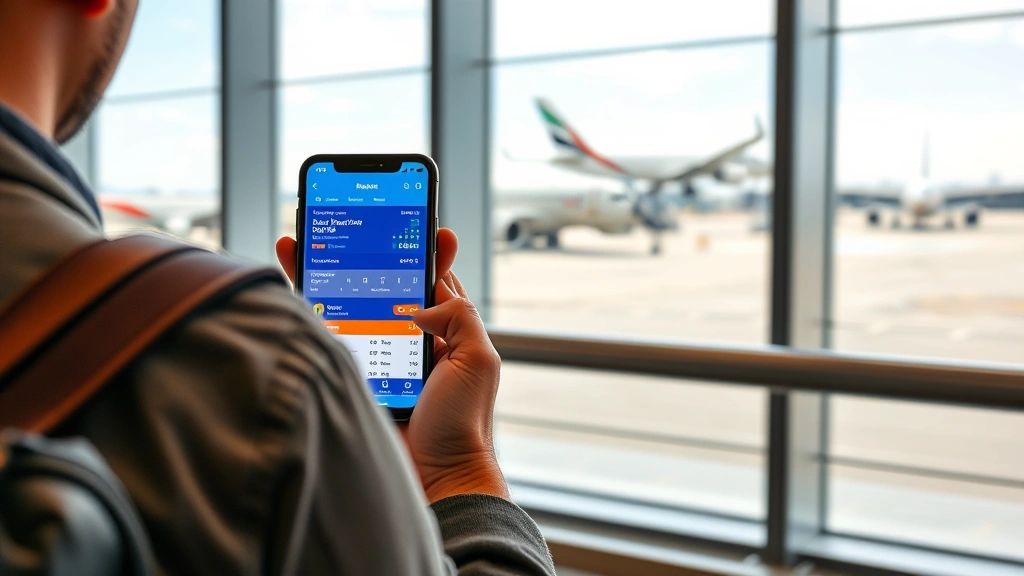
Google Flights, Kayak, and Skyscanner offer price tracking and flexible date searches. Set up price alerts for your desired dates, receiving notifications when fares drop. These tools aggregate all major carriers, displaying complete pricing comparisons instantly. Google Flights’ price graph shows historical and projected pricing, helping you decide whether to book immediately or wait.
Hopper uses machine learning to predict price movements, recommending optimal booking times for your specific route and dates. It provides a “now or later” recommendation based on historical patterns and current pricing trends. For the ATL-MCO route, Hopper’s predictions prove remarkably accurate given the route’s high-volume data.
Airline websites sometimes offer exclusive deals unavailable through third-party bookers. Checking Southwest, Delta, and Spirit directly alongside aggregators ensures you don’t miss carrier-specific promotions. Signing up for airline email newsletters provides early access to flash sales and limited-time offers.
Social media fare alerts from flight deal aggregators (Scott’s Cheap Flights, The Points Guy, Airfarewatchdog) highlight exceptional deals on your preferred routes. Follow these accounts for notification of error fares and sales affecting ATL-MCO flights.
Our Sky Voyage Hub Blog regularly covers flight deals and pricing trends for major routes. Subscribe for updates on Atlanta-Orlando pricing patterns and seasonal opportunities. We also provide guides on the best times to book airline tickets and strategies for maximizing savings.
Additional Route Considerations
Comparing alternate airports expands your options. Flying from Atlanta’s secondary airport (Hartsfield-Jackson serves the primary market, but exploring all options matters) to alternate Orlando airports (though MCO dominates) rarely provides savings due to geographic constraints. However, considering connecting flights through hubs like Charlotte or Miami occasionally reveals cheaper itineraries for flexible travelers.
Ground transportation costs factor into total trip expenses. Airport parking at ATL ($10-$15 daily) or MCO ($15-$20 daily) adds up quickly. Using Uber or Lyft from home to airport sometimes costs less than parking, especially for multi-day trips. Factor these costs into budget comparisons.
Considering driving versus flying applies for budget-conscious travelers. The 450-mile distance requires 7-8 driving hours. Comparing fuel costs ($40-$60), tolls ($8-$12), and parking ($100-$200 for multi-day trips) against flight costs reveals that driving often costs less than flying for solo or dual-passenger trips, though it sacrifices time.
FAQ
What’s the average price for flights from Atlanta to Orlando?
Average roundtrip fares range $180-$280 during shoulder seasons and $250-$400+ during peak periods. Booking strategically can reduce these costs 20-40%. Exact pricing depends on your specific travel dates, booking window, and airline selection.
How far in advance should I book ATL to ORL flights?
Six to eight weeks advance booking typically yields lowest prices. However, watch for sales and deals closer to departure. For flexibility, monitor prices starting 10-12 weeks out, identifying trends before committing to specific dates.
Are Tuesday flights really cheaper from Atlanta to Orlando?
Yes, Tuesday and Wednesday departures average 15-25% cheaper than weekend flights. This pattern holds consistently across most weeks, though exceptions occur during special events or holidays. Testing flexible dates through booking sites confirms optimal departure days for your specific travel window.
Should I book a round trip or two separate one-way tickets?
Round-trip bookings typically cost less, but compare both options before deciding. Booking one-way tickets separately makes sense when pricing differs dramatically between legs or when combining different airlines provides savings. Use comparison tools to test both approaches.
Which airline offers the cheapest flights ATL to MCO?
Spirit and Frontier offer lowest base fares but charge for baggage and seat selection. Delta, Southwest, and United provide competitive pricing with included amenities. Calculate all-in costs rather than comparing base fares alone to determine true cheapest options for your specific needs.
Can I save money using airline miles or points?
Yes, significantly. Off-peak redemptions on this route cost 5,000-7,500 miles, equivalent to $50-$75 cash value. Credit card sign-up bonuses accelerate point accumulation. For frequent travelers, best airlines for frequent flyers provide exceptional value through elite status benefits and consistent point earning.
What hidden fees should I expect when booking budget airlines?
Budget carriers charge $35+ for checked bags, $25-$35 for carry-on bags (Spirit), $15-$25 for seat selection, and $5+ for beverages. Complete costs often exceed $150-$180 per ticket. Compare full pricing including fees against legacy carriers before committing to budget options.
How do I protect myself against flight cancellations?
Travel insurance ($15-$25 per ticket) covers cancellations, delays, and changes. Booking refundable fares costs more but provides maximum flexibility. Understanding airline change policies—free on Southwest, paid on Spirit, flexible on Delta—helps you select appropriate coverage levels. Our guide on airline flight delay compensation explains your rights and recovery options.