Yellowstone Flights: When to Book? Expert Advice for the Best Deals
Planning a trip to Yellowstone National Park? Booking your flights to Yellowstone at the right time can save you hundreds of dollars and ensure you get convenient flight times. As an experienced travel advisor who specializes in aviation and destination planning, I’ve analyzed years of flight data to help you understand the optimal booking windows, seasonal pricing patterns, and strategic tips for securing the best airfare to this iconic destination.
Whether you’re flying into Bozeman, Jackson Hole, or West Yellowstone airports, understanding when and how to book makes the difference between a budget-friendly getaway and an expensive last-minute scramble. This comprehensive guide reveals insider knowledge about Yellowstone flight patterns, peak travel seasons, and proven booking strategies that travel professionals use.
When to Book Flights to Yellowstone: The Golden Window
The ideal booking window for flights to Yellowstone typically falls between 1-3 months before your intended travel date. However, this varies significantly based on the season you’re planning to visit. For most travelers, booking 6-8 weeks in advance captures the sweet spot where airlines have released their full flight inventory but haven’t yet implemented peak season pricing.
Research from major airline booking patterns shows that prices tend to increase as your travel date approaches, particularly during high-demand periods. If you’re planning a summer vacation—the busiest season for Yellowstone—you should ideally book 2-3 months in advance. This gives you access to better seat selection, more flight options, and significantly lower fares compared to booking just 2-3 weeks before departure.
Winter travel requires different timing. If you’re visiting during December through February, consider booking 4-6 weeks in advance. While winter sees fewer visitors overall, holiday periods (late December through early January) experience price spikes that rival summer rates. The shoulder seasons of spring and fall offer more flexibility—you can often book just 3-4 weeks ahead and still find reasonable prices, though you’ll have fewer flight options.
For ultra-budget travelers willing to be flexible with dates, monitor prices starting 10-12 weeks out. Set up price alerts on major booking platforms and watch for the initial price drops that occur when airlines open their schedules. These early bookings occasionally yield the lowest fares, though availability is more limited.
Seasonal Pricing Patterns and What They Mean for Your Budget
Understanding Yellowstone’s seasonal pricing requires recognizing that this destination follows predictable travel patterns. The peak summer season (June-August) sees the highest airfares, with July being the most expensive month. During this period, expect to pay 30-50% more than shoulder season rates. Flights fill quickly, and airlines implement premium pricing knowing demand exceeds capacity.
Spring (April-May) and fall (September-October) represent the best value periods for flying to Yellowstone. During these shoulder seasons, prices drop 20-35% compared to summer, yet weather conditions remain excellent for exploring the park. September is particularly attractive—summer crowds have diminished, weather is still pleasant, and airfare pricing reflects the transition from peak season. Early May offers similar advantages as visitors prepare for summer vacations but before rates hit their zenith.
Winter (November-March, excluding holidays) presents the cheapest airfare opportunities, with some routes dropping 40-60% below peak season rates. However, winter travel requires specialized planning. Road conditions can be hazardous, many park facilities close seasonally, and weather delays are more common. If you’re flying during winter, build in extra buffer time and purchase comprehensive travel insurance. Additionally, winter flights may have fewer direct options, requiring connections that could impact your total journey time.
Holiday periods defy normal patterns. Thanksgiving week, Christmas, and New Year’s create temporary price spikes even outside summer peak season. If you must travel during holidays, book earlier than usual—aim for 3-4 months in advance for major holidays. The days immediately after major holidays (December 26-31, January 2-4) sometimes offer better rates than the holidays themselves.
Airport Options and Alternatives Near Yellowstone
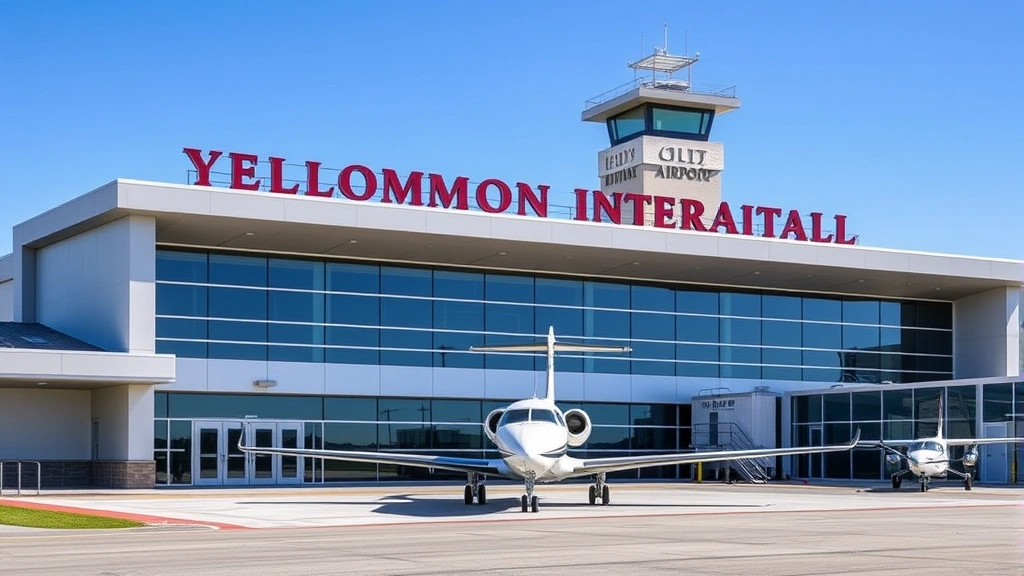
The nearest major airports to Yellowstone National Park are crucial to your booking strategy. Bozeman Yellowstone International Airport (BZN) is approximately 90 minutes from the north entrance and typically offers the most flight options and competitive pricing. This airport has expanded significantly and now hosts multiple carriers with direct flights from major hubs.
Jackson Hole Airport (JAC) serves the south entrance and is roughly 1 hour from the park. While smaller than Bozeman, Jackson Hole often features surprisingly competitive fares, particularly on regional carriers. The drive is scenic but can be challenging in winter.
West Yellowstone Airport (WYS) is the closest option to the park’s west entrance but has very limited commercial service. Most travelers should disregard this for commercial flights, as it primarily serves private aviation.
For comparison shopping, consider flying into Billings Logan International Airport (BIL), about 2.5 hours north. While farther away, Billings occasionally offers significantly cheaper fares due to higher competition among carriers. This distance trade-off makes sense if you save $150+ per ticket. Similarly, flying into Denver International Airport (DEN) and renting a car for a 6-7 hour drive can yield substantial savings for budget-conscious travelers, though fuel and rental costs must factor into your calculation.
When booking, always compare fares across all nearby airports. Use meta-search engines that allow multi-airport searches. A $50-100 savings per ticket at an alternative airport could justify the extra driving time, especially for families or groups. However, factor in rental car costs, gas, and additional wear on your vehicle when making this decision.
Proven Booking Strategies from Travel Professionals
Professional travel advisors use several strategies to secure the best flights to Yellowstone deals. First, implement the “Tuesday-Wednesday Rule.” Airlines typically release new fares and schedule information on Tuesday and Wednesday mornings. Booking on these days often captures newly released lower fares before competitors identify and purchase them. Set alerts to check prices early Tuesday morning, as the best deals sell quickly.
Second, clear your browser cookies and use incognito mode when comparing prices. Some booking platforms track your searches and may increase prices if they detect repeat visits from the same user. This isn’t universal, but the minimal effort required makes it worth doing consistently. Additionally, compare prices across multiple platforms—Google Flights, Kayak, Expedia, and airline websites sometimes show different pricing for identical flights.
Third, consider booking your flight separately from accommodations. While package deals seem attractive, they often lock you into higher rates. Booking flights through dedicated flight search engines and accommodations through separate platforms typically yields better overall pricing. Learn about how to find cheap airline tickets using these proven search techniques.
Fourth, be flexible with your travel dates. Flying on Tuesday, Wednesday, or Saturday typically costs less than Friday or Sunday flights. Early morning or late evening departures are usually cheaper than convenient midday options. If you can adjust your schedule by just one day, you might save $100-300 per ticket. Use flexible date search tools to identify the cheapest travel windows within your preferred week.
Fifth, use airline-specific loyalty programs strategically. If you’re a frequent flyer with a particular carrier that serves your departure city, booking with them might earn valuable miles. However, don’t pay premium prices for loyalty—the savings must be worth it. Check if travel blogs and resources provide updated information about current airline promotions and loyalty bonuses.
Sixth, set up Google Flights price alerts for your route. These alerts notify you when prices drop significantly, allowing you to book immediately when deals appear. Set alerts 3-4 months before your trip and monitor them consistently. When you see a substantial price drop, book within 24 hours—these deals disappear quickly.
Day of Week and Time Considerations
Timing your flight within the week dramatically impacts pricing. Monday through Thursday departures are typically 10-20% cheaper than Friday-Sunday flights. This pattern holds true for both outbound and return flights. If your schedule allows flexibility, positioning your trip to include midweek travel reduces costs significantly.
Flight times also affect pricing. Early morning departures (6 AM-8 AM) and late evening flights (9 PM-11 PM) are consistently cheaper than 10 AM-3 PM flights. While inconvenient, an early morning departure might save $100-200 per ticket. For families with children, the slight inconvenience might be worth the savings. Consider how early departure times affect your overall trip experience—if you arrive at Yellowstone at 1 PM instead of 4 PM, you gain several hours of daylight for exploring.
Return flights follow the same pattern. Sunday evening returns are expensive because business travelers and weekend tourists both compete for seats. If possible, fly home on Saturday evening or Monday morning to avoid this surge pricing. Many travelers extending their trips by staying through Sunday find cheaper flights by departing Monday, offsetting accommodation costs with airfare savings.
Advance Planning for Peak Seasons and Special Events
Peak summer season (June-August) requires different planning than shoulder seasons. Book summer flights 8-10 weeks in advance rather than the standard 6-8 weeks. This earlier booking window ensures better seat availability and locks in prices before the summer rush. During peak season, waiting until 4-6 weeks before departure typically means paying premium prices with limited flight options.
If you’re traveling during school holidays or major events, plan even further ahead. Fourth of July week, Memorial Day weekend, and Labor Day weekend attract massive visitor volume. Book these periods 10-12 weeks in advance. Similarly, if Yellowstone hosts special events or if you’re coordinating with a large group trip, earlier booking is essential.
For winter travel, despite lower baseline prices, book 6-8 weeks ahead to ensure flights aren’t cancelled or significantly delayed by weather. Winter scheduling is less predictable, and airlines sometimes reduce flight frequency on mountain-region routes during this season. Booking early ensures you’re on the most reliable flight schedules rather than standby options.
Spring and fall shoulder seasons allow more flexibility. You can often book 4-6 weeks ahead and still find good pricing with reasonable flight options. This flexibility is one reason many experienced travelers prefer visiting Yellowstone during these seasons. You’ll also encounter fewer crowds at the park itself, creating a more enjoyable experience overall.
Consider purchasing travel insurance when booking flights to Yellowstone, particularly if you’re booking non-refundable fares. While insurance adds cost, it protects against unexpected changes. If you need to cancel or reschedule due to illness or emergencies, travel insurance provides coverage that basic airline tickets don’t. Read our guide on airline flight delay compensation to understand your rights.
Frequently Asked Questions About Booking Yellowstone Flights
What’s the cheapest month to fly to Yellowstone?
November, January, and February typically offer the cheapest airfares to Yellowstone. During these months, you can often find flights 40-60% below summer peak season rates. However, winter travel requires planning for potential weather delays and road closures. September is the best-value month if you want warm weather combined with lower prices—summer crowds have departed, but weather remains excellent.
Should I book round-trip or one-way flights?
Round-trip bookings are typically cheaper than purchasing two separate one-way flights, though this isn’t always true. Compare both options before booking. If you’re considering extending your trip or flying out from a different city than you flew in, one-way flights might be more economical despite higher per-flight costs. Always compare the total cost of both approaches.
How far in advance should I book for summer vacation?
For summer vacation flights to Yellowstone, book 8-10 weeks in advance. Summer is peak season with highest demand, so earlier booking is essential for good pricing and flight selection. Waiting until 4-6 weeks before departure typically results in paying 30-50% premium prices.
Are direct flights to Yellowstone available?
Direct flights depend on your departure city and destination airport. Bozeman (BZN) has the most direct flight options, with service from major hubs like Denver, Seattle, and Salt Lake City. Jackson Hole has limited direct flights. Most travelers from distant cities will require at least one connection. Connecting flights are often cheaper despite longer travel time.
What airlines fly to Yellowstone?
Multiple carriers serve Bozeman and Jackson Hole, including Southwest, United, Delta, American, and Alaska Airlines. Availability varies by season and departure city. Check each airline’s website directly, as some offer route-specific promotions. For information about best airlines for long flights, compare comfort and service quality alongside pricing.
Can I find last-minute deals to Yellowstone?
Last-minute flight deals exist but are risky and unpredictable. Rather than banking on last-minute bargains, booking 6-8 weeks in advance provides better value and reliability. If you must book last-minute, be flexible with dates and airports, and prepare for potentially paying premium prices. Set up price alerts rather than hoping for deals.
How do I compare prices across different airports?
Use flight search engines with multi-airport comparison features. Google Flights, Kayak, and Skyscanner allow searching from multiple nearby airports simultaneously. When comparing, factor in rental car costs and drive times to the park. A cheaper flight to Billings might cost more overall when you add a longer drive and higher rental car fees.
What’s the best time to visit Yellowstone?
September offers the best combination of weather, crowds, and pricing. May and early June provide excellent weather with moderate crowds and reasonable prices. Late summer (August) has pleasant weather but peak crowds and highest prices. Winter offers solitude and unique experiences but requires specialized knowledge and potentially challenging travel conditions.
Should I book accommodations before or after booking flights?
Book flights first, then accommodations. Once your flight dates are confirmed, you can accurately book lodging. Booking accommodations before flight tickets might force you into expensive last-minute flight bookings if your preferred dates are unavailable. This two-step approach gives you flexibility and typically results in better overall pricing.
How do I avoid airline change fees when booking Yellowstone flights?
Purchase refundable or flexible fare options if budget allows, though these cost significantly more. Alternatively, use airlines that don’t charge change fees—Southwest is famous for free changes. When booking, verify the specific airline’s change policies. Read our comprehensive guide on flights to Vegas from Houston for similar booking strategies applicable across destinations.
Final Recommendations for Booking Yellowstone Flights
Booking flights to Yellowstone successfully requires combining timing knowledge with strategic planning. The fundamental rule is booking 6-8 weeks in advance during shoulder seasons and 8-10 weeks during peak summer. Monitor prices starting 10-12 weeks out, set up alerts, and be ready to book when you identify good fares.
Stay flexible with your travel dates and consider alternative airports. A $100-200 savings per ticket justifies adjusting your schedule by one day or driving an extra hour from a different airport. Use incognito browsing, compare across multiple platforms, and book on Tuesday or Wednesday when new fares typically release.
Remember that the cheapest flight isn’t always the best option. Consider flight times, layover duration, airport proximity to the park, and overall journey experience. A slightly more expensive direct flight might provide better value than a $50 cheaper option with multiple connections and 12 hours of total travel time.
Most importantly, plan ahead. Last-minute bookings to Yellowstone almost always cost significantly more. By implementing these expert strategies and booking at the optimal time, you’ll secure excellent fares and ensure your Yellowstone adventure begins stress-free and budget-friendly. Whether you’re seeking flights to Tijuana or any other destination, these same principles apply across the travel industry.
Check official resources like the Yellowstone National Park official website for seasonal information, and consult Bozeman tourism boards for destination planning. Visit FAA travel advisories for current flight conditions and safety information before booking your trip.