Frontier Airlines CVG Update: Industry Insight on Flight Reductions
Frontier Airlines’ recent decision to cut flights at Cincinnati/Northern Kentucky International Airport (CVG) represents a significant shift in regional aviation dynamics. As one of the nation’s most competitive low-cost carriers, Frontier’s operational adjustments at this major hub reflect broader industry trends affecting air travel accessibility and pricing strategies across the United States. Understanding these changes provides valuable context for travelers planning trips and industry professionals monitoring market developments.
The Cincinnati market has long served as a critical hub for regional connectivity, and Frontier’s flight reductions have sparked important conversations about carrier competition, route profitability, and the future of affordable air travel options. This comprehensive analysis explores the factors behind these decisions, their implications for travelers, and what the industry landscape may look like in coming months. Whether you’re a frequent flyer or an occasional traveler, these developments warrant attention as they directly impact your travel options and pricing.
Understanding Frontier Airlines CVG Operations
Frontier Airlines has maintained a significant presence at Cincinnati/Northern Kentucky International Airport for several years, serving as an important provider of low-cost air travel options to regional and national destinations. The carrier’s business model focuses on ultra-low fares achieved through operational efficiency and strategic route planning. At CVG, Frontier operated multiple daily flights connecting Cincinnati residents to popular destinations across the country, making air travel accessible to budget-conscious passengers.
The airport itself serves as a major regional hub with connections to major metropolitan areas and leisure destinations. Before the recent cuts, Frontier’s presence at CVG contributed meaningfully to passenger traffic and provided competitive pressure on pricing within the market. The airline’s operations at this facility demonstrated the carrier’s commitment to secondary and tertiary markets, distinguishing Frontier from legacy carriers that concentrate operations at primary hubs.
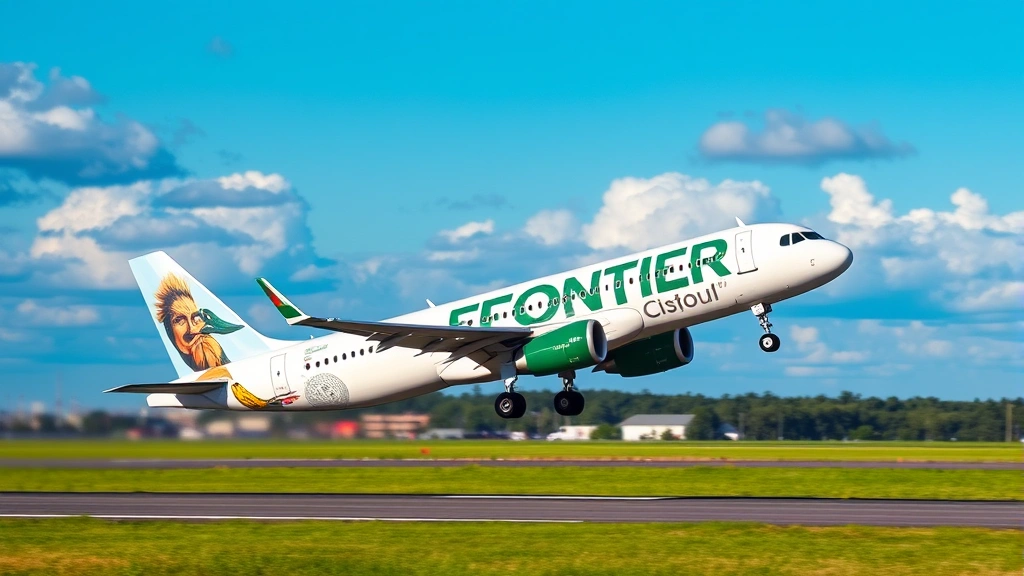
Frontier’s fleet at CVG primarily consisted of Airbus A320 and A321 aircraft, modern fuel-efficient planes that enable the carrier’s cost-effective operations. These aircraft are well-suited for the regional routes that Frontier typically operates, providing reliable service while maintaining the operational economics necessary for low-cost carrier profitability. The decision to reduce operations at CVG therefore represents a strategic reassessment of route economics rather than a fleet modernization issue.

Reasons Behind Flight Reductions
Multiple interconnected factors have contributed to Frontier Airlines’ decision to cut flights at CVG. Understanding these reasons provides context for the broader aviation industry and helps travelers anticipate future market developments. The primary drivers include shifting demand patterns, fuel cost considerations, crew scheduling efficiency, and competitive pressures from both legacy carriers and other low-cost airlines.
Post-pandemic travel patterns have stabilized differently than many carriers anticipated. While leisure travel rebounded strongly, business travel—historically a reliable revenue source—has not returned to pre-pandemic levels in many markets. Cincinnati’s economy, while stable, relies partially on business travel connectivity, making routes dependent on corporate travel less profitable than leisure-focused corridors. This demand shift has prompted carriers to reallocate resources toward routes with stronger leisure demand and higher load factors.
Fuel costs represent another critical consideration in Frontier’s operational calculus. Despite recent stabilization, jet fuel prices remain elevated compared to historical averages. For a low-cost carrier operating on thin margins, fuel efficiency becomes paramount. Routes with lower passenger loads or longer stage lengths become economically challenging. CVG’s geographic position means some routes from this airport involve longer flights or less-dense demand corridors, making them vulnerable to capacity reductions when margins tighten.
Crew scheduling and operational complexity also influence route decisions. Frontier optimizes crew utilization across its network, and maintaining service at secondary markets like CVG requires careful planning to ensure efficient crew rotations. When a market shows declining profitability, reallocating crew resources to higher-performing routes becomes an attractive operational strategy. This reflects the sophisticated network planning that modern airlines employ to maximize efficiency across hundreds of daily flights.
Competition from other carriers has intensified significantly. Delta Air Lines, based at nearby Atlanta, has expanded service in the region. Southwest Airlines and other carriers have also increased presence at CVG, creating pricing pressure that impacts Frontier’s ability to maintain premium yields on its flights. In competitive markets, low-cost carriers must carefully assess whether they can sustain operations profitably, especially when competing against carriers with larger networks and more loyal customer bases.
Impact on Travelers and Routes
Frontier’s flight reductions directly affect Cincinnati-area residents and travelers connecting through CVG. Specific routes eliminated or reduced typically include popular leisure destinations and smaller secondary markets. Travelers accustomed to convenient Frontier service must now consider alternative carriers, which may result in higher fares, less convenient schedules, or additional connections. This particularly impacts budget-conscious travelers who relied on Frontier’s fare competitiveness.
The reduction affects not only direct passengers but also connecting traffic. Travelers using CVG as a connection point to reach Frontier’s network in the West and Southwest may face more limited options or less convenient connections. This cascading effect extends beyond Cincinnati, impacting the broader competitive dynamics of aviation in the region.
For business travelers, the reduced availability of morning departures and convenient afternoon returns creates scheduling challenges. Many CVG-based business passengers relied on Frontier for cost-effective travel to secondary markets not well-served by legacy carriers. The airline’s retrenchment limits options and potentially increases travel costs for companies with Cincinnati operations.
Leisure travelers heading to popular Frontier destinations—particularly in Florida, the Caribbean, and the Southwest—face similar challenges. These travelers often planned trips specifically around Frontier’s low-cost options. Alternative carriers typically charge premium prices for these routes, substantially increasing vacation planning costs. Some leisure travelers may shift trip timing or destinations to accommodate new airline options and pricing.
Market Competition and Alternatives
Cincinnati’s aviation market includes several strong competitors providing alternatives to Frontier’s service. Understanding these options helps travelers adapt to the changing landscape and identify the best choices for their specific travel needs. The competitive environment at CVG remains robust despite Frontier’s reductions, though with different characteristics than before.
Delta Air Lines operates as the largest carrier at CVG, providing extensive domestic and international connectivity. While Delta’s fares typically exceed Frontier’s, the carrier offers frequent flyer benefits, premium cabin options, and extensive network advantages. Travelers previously using Frontier might find Delta’s basic economy fares competitive, particularly when accounting for included carry-on baggage and seat selection.
Southwest Airlines has expanded significantly at CVG in recent years, providing low-cost competition with a different operational model than Frontier. Southwest’s baggage allowance, boarding process, and customer service approach appeal to many travelers. For routes where both carriers operated, Southwest may have captured additional market share following Frontier’s reductions. The airline’s point-to-point network and emphasis on customer service distinguish it from Frontier’s ultra-low-cost approach.
American Airlines, United Airlines, and other legacy carriers maintain meaningful presence at CVG. While their base fares typically exceed low-cost options, these carriers offer premium cabin products, frequent flyer programs, and network advantages that appeal to business travelers and elite leisure passengers. For some routes, legacy carriers provide competitive pricing, particularly during sales or for advanced purchases.
Spirit Airlines and Allegiant Air represent other ultra-low-cost alternatives, though their presence at CVG is more limited than Frontier’s was. These carriers operate similar business models to Frontier, with comparable fare structures and ancillary fee approaches. Travelers comfortable with ultra-low-cost carrier operations may find these alternatives viable, though schedule convenience may vary.
Future Outlook for Cincinnati Aviation
Predicting aviation market developments requires analyzing multiple factors including economic trends, fuel costs, demand patterns, and competitive positioning. Several scenarios could unfold at CVG over the coming year, each with different implications for travelers and the regional economy.
Frontier might stabilize operations at a reduced but sustainable level, maintaining limited service to key markets while ceding other routes to competitors. This scenario would represent an equilibrium where the carrier maintains some CVG presence but at lower capacity and frequency than historically operated. This outcome would benefit some travelers while disappointing others who preferred Frontier’s broader network.
Alternatively, Frontier could withdraw completely from CVG, focusing resources entirely on higher-performing markets. This would represent a significant market exit but might enable the carrier to improve profitability across remaining operations. For travelers, this scenario would necessitate complete reliance on alternative carriers, potentially increasing costs and reducing low-cost options.
Market recovery could enable Frontier to restore some service levels if demand rebounds faster than anticipated. Economic growth, business travel recovery, and seasonal leisure demand variations might create conditions for expanded operations. This optimistic scenario would be welcomed by budget-conscious travelers and the local aviation community.
The entry of new carriers or expansion by existing competitors could offset Frontier’s reduction. If another low-cost carrier identifies CVG as an attractive growth market, increased competition might drive fares down despite Frontier’s reduced presence. This dynamic has occurred in other markets where carriers have shifted resources.
Practical Advice for Affected Travelers
Travelers accustomed to Frontier service at CVG should take proactive steps to adapt to the changing landscape. Several practical strategies help minimize disruption and ensure continued access to affordable air travel options.
First, book flights well in advance when possible. Advanced purchasing typically yields better fares across all carriers, and with reduced competition at CVG, early booking becomes even more important. This strategy applies whether you’re traveling on flights from Seattle to New York or any other route, as carriers adjust pricing based on demand and booking patterns.
Second, consider alternative airports within reasonable driving distance. Louisville International Airport (SDF), approximately 100 miles south, and Indianapolis International Airport (IND), about 110 miles north, may offer Frontier or other low-cost carrier service with competitive fares. The drive time and fuel costs should be weighed against potential airfare savings, particularly for families or groups where savings multiply across multiple passengers.
Third, explore flights to the Maldives and other leisure destinations through connecting flights rather than expecting direct service. While less convenient, connections often provide competitive pricing, especially when using budget carriers that offer lower base fares despite additional time requirements.
Fourth, sign up for airline newsletters and fare alerts from multiple carriers. Services like Google Flights, Hopper, and airline-specific notifications help identify sales and fare drops quickly. With fewer Frontier flights at CVG, being alert to competitive offerings from other carriers becomes increasingly valuable.
Fifth, evaluate loyalty programs strategically. If you’ll be flying different carriers, joining frequent flyer programs with carriers serving CVG can accumulate benefits. Southwest Rapid Rewards, Delta SkyMiles, and American Airlines AAdvantage all offer meaningful benefits for regular travelers, potentially offsetting price differences with Frontier.
Sixth, consider flying during off-peak times when possible. Demand-based pricing means flights during less popular times—typically mid-week and outside peak travel seasons—offer better fares across carriers. This flexibility, when available, helps maintain affordability despite reduced carrier competition.
Seventh, evaluate the total cost of travel, not just base fares. Frontier’s model includes substantial ancillary fees for baggage, seat selection, and other services. When comparing fares with other carriers, factor in these costs to determine true travel expenses. Sometimes a higher base fare includes services that would cost extra with Frontier.
For business travelers, discuss travel policy flexibility with your employer. Expanding approved carriers and airports may help identify cost-effective options. Some companies negotiate corporate rates with multiple carriers, which could provide competitive pricing despite reduced Frontier availability.
Consider the best travel pillow for long flights and other comfort items, particularly if you’ll be taking more connections or longer travel times due to reduced direct flight availability. Making longer journeys more comfortable helps offset the inconvenience of reduced direct service.
Stay informed about broader industry developments. The Federal Aviation Administration provides market information, and Cincinnati/Northern Kentucky International Airport regularly updates information about carrier service changes. Understanding market dynamics helps you anticipate future developments and plan accordingly.
FAQ
Why did Frontier Airlines cut flights at CVG?
Frontier reduced CVG operations due to multiple factors: declining business travel demand in the Cincinnati market, elevated fuel costs pressuring ultra-low-cost margins, increased competition from other carriers, and strategic reallocation of resources to higher-performing routes. The airline regularly reassesses route profitability and adjusts capacity accordingly.
Which routes were eliminated or reduced?
Specific route changes vary over time, but typically include secondary markets with lower demand and longer stage lengths. Popular leisure destinations and routes with strong competition from other carriers were most vulnerable. Contact Frontier directly or check their website for current route information from CVG.
Are there other low-cost carriers at CVG?
Spirit Airlines and Allegiant Air operate limited service at CVG, though not as extensively as Frontier previously did. Southwest Airlines provides low-cost service with a different operational model. These carriers offer alternatives to traditional legacy carriers but may have limited route networks from Cincinnati.
Will Frontier restore service at CVG?
Frontier could potentially restore service if market conditions improve, demand rebounds, or route economics improve. However, the airline’s primary focus remains on high-performing markets. Future expansion at CVG would depend on favorable economic conditions and competitive positioning.
How do I find the cheapest flights from CVG now?
Use flight comparison websites like Google Flights, Kayak, and Skyscanner to compare all carriers simultaneously. Set up price alerts for your desired routes and destinations. Book well in advance, consider alternative airports, and be flexible with travel dates. Signing up for airline newsletters alerts you to sales quickly.
Should I consider flying from Louisville or Indianapolis instead?
For some routes and fares, nearby airports offer better options, particularly if low-cost carriers have strong presence there. Calculate total trip costs including driving time and fuel before deciding. For many Cincinnati-area travelers, CVG remains most convenient despite reduced carrier options.
How does this affect my frequent flyer miles?
If you accumulated Frontier miles, you can still redeem them on available flights or potentially on partner airline flights. Check your account for partner options. If Frontier completely exits CVG, your miles remain valuable for travel from other airports or on partner airlines, though options may be more limited.
What should business travelers do about the reduced service?
Business travelers should discuss policy flexibility with their employers, explore alternative airports, and consider flying on different carriers. Some corporate travel programs offer competitive rates with multiple carriers. Building flexibility into travel planning helps manage costs despite reduced Frontier availability.