Why Are Houston Flights Cancelled? Expert Insights Into Houston’s Aviation Disruptions
Houston’s two major airports—William P. Hobby Airport (HOU) and George Bush Intercontinental Airport (IAH)—serve millions of passengers annually, making them critical hubs for domestic and international travel. When flights get cancelled at these facilities, it creates a ripple effect impacting travelers, airlines, and the broader aviation network. Understanding the reasons behind Houston flight cancellations helps you prepare better for your travels and know what to expect when disruptions occur.
Flight cancellations in Houston stem from various factors, ranging from severe weather conditions to operational challenges and staffing shortages. The city’s unique geographical location and climate patterns contribute significantly to disruption frequency. This comprehensive guide explores the primary causes of Houston flight cancellations, what travelers should know, and how to navigate these situations effectively.
Weather as the Primary Culprit Behind Houston Flight Cancellations
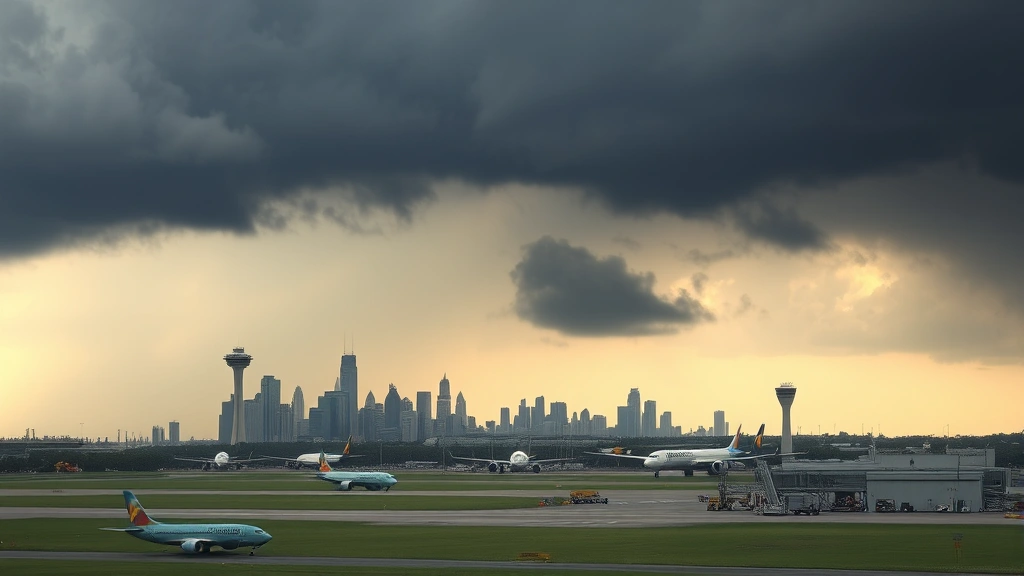
Weather represents the single largest factor causing Houston flights to be cancelled. The city experiences a subtropical climate with hot, humid summers and mild winters, but severe weather events occur frequently enough to disrupt flight schedules. Thunderstorms are particularly problematic during spring and summer months, developing rapidly and forcing ground stops that can last several hours.
Houston’s location near the Gulf of Mexico makes it susceptible to tropical systems, heavy rainfall, and lightning storms that exceed safety thresholds for flight operations. When visibility drops below minimums or wind speeds exceed aircraft operating limits, air traffic control must restrict departures and arrivals. These weather-related ground stops can affect dozens of flights simultaneously, creating cascading cancellations throughout the day.
The Federal Aviation Administration (FAA) maintains strict weather minimums that pilots and controllers must follow. These regulations exist to protect passenger safety, but they inevitably lead to cancellations when conditions deteriorate. Understanding that weather cancellations prioritize safety helps contextualize why airlines cannot simply “push through” adverse conditions.
If you’re planning travel to or from Houston, checking National Weather Service forecasts several days in advance helps you anticipate potential disruptions. Summer months (June through September) see the highest frequency of thunderstorm activity, making these seasons riskier for flight reliability.
Hurricane Season Creates Extended Disruption Windows
Hurricane season (June through November) represents Houston’s most challenging period for aviation operations. When tropical systems approach the Gulf Coast, airports implement precautionary measures that can result in widespread cancellations days before a hurricane makes landfall. Airlines typically begin suspending operations 24-48 hours before expected impact to ensure aircraft safety and prevent stranded passengers.
During significant hurricane events, both IAH and HOU may close entirely, resulting in complete flight cancellations across all airlines. These closures protect ground infrastructure, aircraft, and personnel from dangerous wind speeds and flooding risks. Historical events like Hurricane Harvey (2017) demonstrated how tropical systems can devastate airport operations for extended periods, with some facilities remaining closed for several days.
The 2017 Hurricane Harvey event caused unprecedented disruption to Houston aviation, with hundreds of flights cancelled and thousands of passengers stranded. The storm dumped over 40 inches of rainfall on the region, causing flooding that affected both airport facilities and ground transportation access. This event highlighted how Houston’s vulnerability to tropical weather creates significant travel planning challenges.
Travelers should monitor National Hurricane Center updates during Atlantic hurricane season and book travel insurance that covers weather-related cancellations. Flexibility with travel dates during this period can help you avoid the worst disruptions.
Operational and Staffing Issues Contribute to Houston Cancellations
Beyond weather, operational challenges at Houston’s airports create significant disruption. Both IAH and HOU operate near capacity during peak travel periods, leaving minimal buffer for unexpected delays or staffing shortages. When ground crews, flight crews, or air traffic controllers call in sick or resign, the cascading effect can force cancellations across multiple flights.
The airline industry has experienced unprecedented staffing challenges since 2021, with pilot and flight attendant shortages affecting carriers nationwide. Houston, as a major hub for Southwest Airlines and a significant destination for United, American, and Delta, experiences heightened impact from staffing issues. When airlines cannot staff scheduled flights, they must cancel rather than operate with insufficient crew members.
Maintenance scheduling also plays a role in Houston cancellations. Aircraft require regular inspections and repairs that must occur between flights. When unexpected maintenance issues arise—such as mechanical problems discovered during pre-flight checks—airlines must cancel affected flights to ensure safety. Unscheduled maintenance at a major hub like Houston can cascade into multiple cancellations as aircraft get pulled from service.
Gate availability presents another operational constraint. During peak periods, both airports experience gate congestion, where incoming aircraft cannot find available gates to park. This creates a domino effect where arriving planes are delayed, preventing them from operating their next scheduled flight, ultimately leading to cancellations downstream.
For travelers concerned about operational reliability, researching SkyVoyage Hub’s comprehensive travel guides provides insights into airline performance metrics and scheduling practices that affect cancellation frequency.
Aircraft Maintenance and Technical Problems
Modern commercial aircraft require rigorous maintenance schedules to ensure safety and reliability. Scheduled maintenance performed at Houston’s maintenance facilities can remove aircraft from service for extended periods. When multiple aircraft from the same carrier undergo simultaneous maintenance, that airline faces capacity constraints that may force cancellations.
Unscheduled maintenance presents even greater challenges. If a pilot discovers mechanical issues during pre-flight inspection, the aircraft cannot operate until repairs are completed. Common issues include avionics malfunctions, hydraulic problems, or engine irregularities that require specialized technicians and replacement parts. Houston’s major maintenance bases can absorb some of this work, but severe technical problems may require aircraft to be ferried to primary maintenance hubs, creating extended service interruptions.
The Boeing 737 MAX’s extended grounding period demonstrated how widespread technical issues can devastate airline schedules. When aircraft fleets are grounded due to safety concerns, airlines must cancel numerous flights while waiting for regulatory approval to resume operations. These industry-wide events have profound impacts on Houston’s flight schedule reliability.
Passengers should understand that maintenance-related cancellations, while frustrating, represent airlines prioritizing safety. No passenger prefers flying on an aircraft with unresolved technical issues, making these cancellations a necessary part of aviation operations.
Air Traffic Control Constraints and System-Wide Issues
The National Airspace System operates under capacity constraints that occasionally force flight cancellations. When demand exceeds available runway capacity or air traffic control staffing limitations exist, the FAA implements ground stops that delay and cancel flights. Houston’s two airports compete for limited airspace, and simultaneous operations at both facilities can strain air traffic control resources.
System-wide issues like FAA computer outages or radar malfunctions occasionally disrupt operations across multiple airports. These rare but significant events can cascade cancellations nationwide. The December 2022 FAA system outage demonstrated how critical infrastructure failures impact aviation, with hundreds of flights cancelled across the country.
Staffing shortages within air traffic control facilities have become increasingly problematic, with some towers and approach control facilities operating below optimal staffing levels. When controllers call in sick or retire, reduced staffing may require reduced flight operations to maintain safety standards. Houston’s busy airspace requires experienced controllers, and staffing gaps directly impact how many flights can operate safely.
Runway closures for maintenance or construction also constrain capacity. While Houston’s airports maintain multiple runways, temporary closures for repairs or upgrades reduce available capacity, forcing cancellations when demand remains high. Airlines receive advance notice of these closures, but they still create scheduling challenges.
What Passengers Should Do When Houston Flights Are Cancelled
Understanding your rights when flights are cancelled empowers you to navigate disruptions effectively. The Department of Transportation requires airlines to provide specific compensation and rebooking options depending on cancellation circumstances. Weather-related cancellations may not trigger compensation requirements, but airlines must still rebook passengers on alternative flights or provide refunds.
Before traveling through Houston, review your airline’s cancellation policy and consider purchasing travel insurance. Comprehensive travel insurance covers cancellations due to covered events, providing financial protection when disruptions occur. This becomes especially important during hurricane season or when weather forecasts suggest potential disruptions.
Monitor flight status continuously, especially during periods of adverse weather. Airlines typically provide 24-hour advance notice of cancellations when possible, allowing you to make alternative arrangements. Setting up flight alerts through airline apps or Flightradar24 helps you stay informed about real-time schedule changes.
If your flight is cancelled, contact your airline immediately to secure rebooking on the next available flight. During widespread disruptions affecting many passengers, airlines prioritize high-value frequent flyer members and premium cabin passengers for rebooking, so elite status can provide advantages during disruptions. If your preferred airline cannot accommodate you quickly, ask about alternative carrier options that serve your destination.
Document everything related to your cancellation—confirmation numbers, communications with airline staff, and any expenses incurred. This documentation proves essential if you pursue compensation claims later. Keep receipts for meals, accommodations, and transportation provided during disruptions, as these may be reimbursable depending on cancellation circumstances.
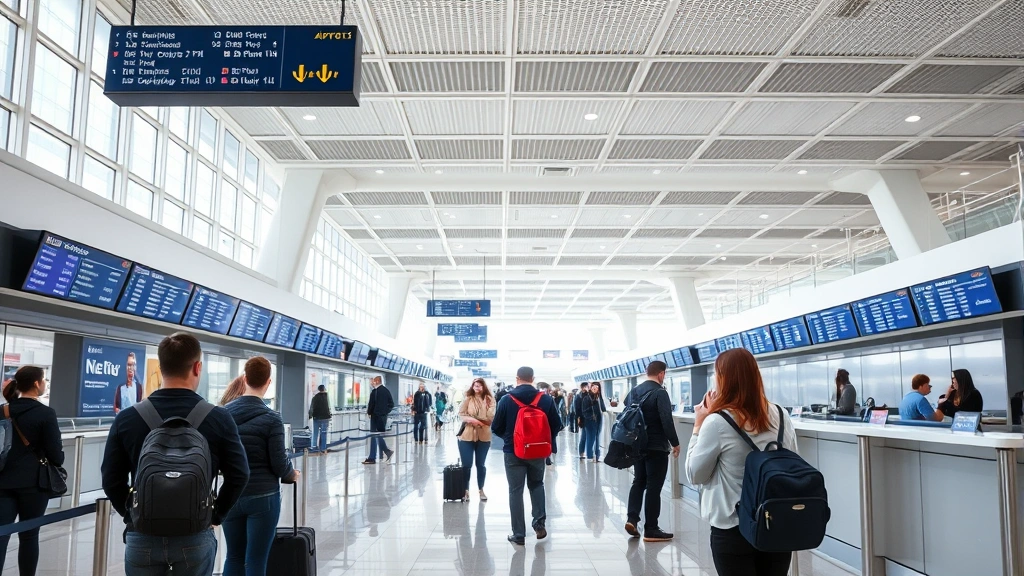
Arriving at the airport extra early during periods of potential disruption provides buffer time to resolve issues without missing your flight. During hurricane season or when severe weather is forecast, arriving 3-4 hours before departure gives you time to rebook if cancellations occur before you reach the airport.
Consider booking connecting flights through less weather-prone hubs if your final destination allows flexibility. While this may add travel time, it reduces cancellation risk significantly. Alternatively, booking direct flights when available eliminates connection points where delays can cascade into missed connections.
For frequent travelers, understanding airline operations and staffing helps you anticipate potential disruptions. Airlines with adequate crew scheduling buffers experience fewer cancellations than those operating with minimal staffing reserves. Researching airline reliability through sites like FlightStats provides data-driven insights into which carriers maintain better on-time performance through Houston.
Frequently Asked Questions About Houston Flight Cancellations
What time of year sees the most Houston flight cancellations?
Hurricane season (June-November) and summer months (June-August) experience the highest cancellation rates due to tropical systems and thunderstorms. April and May also see elevated cancellations from spring severe weather. Winter months typically offer more reliable operations, though occasional ice storms can disrupt service.
Are Houston flights cancelled more often than other major airports?
Houston experiences cancellation rates comparable to other Gulf Coast airports but higher than inland hubs like Denver or Dallas. The city’s proximity to the Gulf of Mexico and subtropical climate contribute to weather-related disruptions exceeding national averages during certain seasons.
Can airlines predict cancellations in advance?
Airlines can sometimes predict cancellations 24-48 hours in advance, particularly for weather events tracked by meteorologists. Maintenance issues may be discovered only during pre-flight checks, allowing minimal advance notice. Operational issues like crew shortages may not be known until hours before scheduled departure.
What compensation am I entitled to if my Houston flight is cancelled?
Compensation eligibility depends on cancellation cause and your flight circumstances. Weather-related cancellations typically don’t trigger Department of Transportation compensation, but airlines must still rebook you or provide refunds. Cancellations caused by airline operational issues may entitle you to compensation up to $775 depending on flight length and rebooking timeline.
Should I book travel insurance for Houston flights?
Travel insurance becomes increasingly valuable during hurricane season or when weather forecasts suggest potential disruptions. Comprehensive policies covering weather-related cancellations provide financial protection and peace of mind. Budget airlines and basic fares often lack generous rebooking policies, making insurance especially important for these tickets.
How do I check if my Houston flight is cancelled?
Check your airline’s website or mobile app for real-time flight status. Call your airline directly at the number on your confirmation email. Use third-party flight tracking apps like Flightradar24 or check the airports’ official websites (iah.com or flyhouston.com) for operational status updates during disruptions.
What should I do if stranded overnight due to cancellation?
Contact your airline immediately about rebooking options and ask about hotel accommodations. Airlines must provide reasonable accommodations for overnight disruptions caused by their operational issues. Document all expenses and save receipts. Contact your travel insurance provider to report the disruption and begin the claims process.