
Cheapest Houston to Atlanta Flights: Expert Guide to Saving Money
Finding affordable Houston to Atlanta flights requires strategy, timing, and knowledge of how airlines price their routes. This short 1-hour flight between two major business hubs offers numerous opportunities to secure budget-friendly fares if you know where to look. Whether you’re traveling for business or leisure, our comprehensive guide reveals insider tips that can save you hundreds of dollars on your next trip.
Atlanta’s Hartsfield-Jackson International Airport (ATL) and Houston’s George Bush Intercontinental (IAH) are among the busiest airports in the United States, which means competitive pricing and frequent flight options. The route attracts business travelers, families, and tourists, creating dynamic pricing patterns throughout the week. Understanding these patterns is essential for booking the cheapest available flights.

Best Time to Book Houston to Atlanta Flights
Timing is everything when hunting for cheap flights. Research consistently shows that booking 1-3 months in advance offers the sweet spot for domestic flights like Houston to Atlanta. Prices typically start climbing 3-4 weeks before departure as airlines reduce inventory and increase fares. However, last-minute deals can occasionally emerge 1-2 weeks before travel dates when airlines need to fill remaining seats.
The day of the week matters significantly. Tuesday and Wednesday departures generally offer lower fares than Friday through Sunday flights. This pattern exists because business travelers book Friday departures, driving up weekend prices. If your schedule permits, shifting your travel to midweek can result in savings of 20-40% compared to weekend flights.
Time of day also impacts pricing. Early morning flights (5:00-7:00 AM) and late evening departures (8:00 PM onwards) typically cost less than mid-morning and afternoon slots. These less-popular times represent opportunities for budget-conscious travelers willing to adjust their schedules. Additionally, red-eye flights departing late at night can offer significant discounts, though comfort considerations apply.
Seasonality plays a crucial role in Houston to Atlanta pricing. Summer months (June-August) and major holidays see peak fares. Conversely, January through March and September through October generally offer cheaper options. If possible, avoid traveling during school breaks, Thanksgiving, Christmas, and Easter when demand spikes dramatically.
Airlines Operating This Route
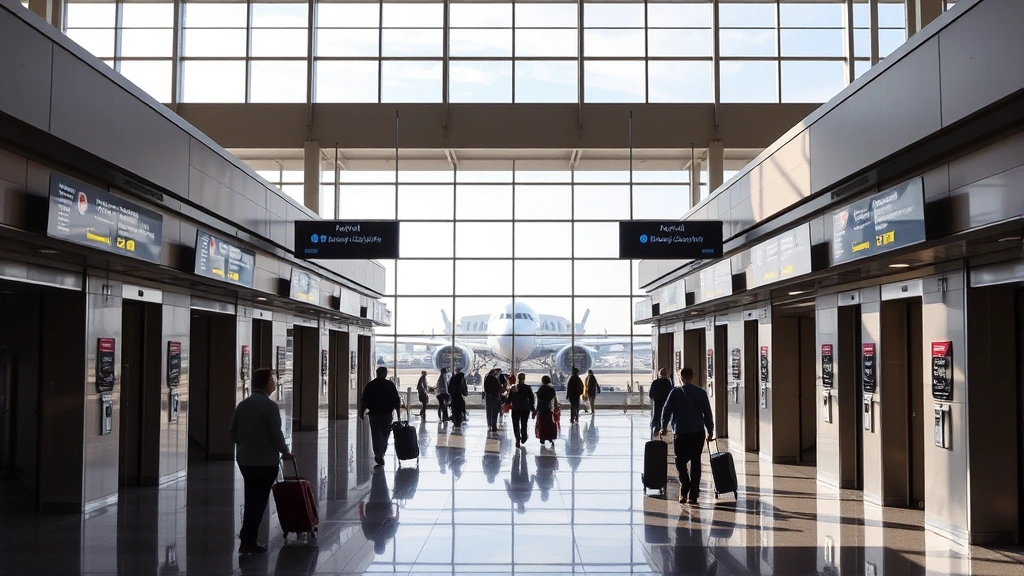
Multiple carriers serve the Houston to Atlanta corridor, creating competitive pricing opportunities. Southwest Airlines dominates this route with frequent daily flights and typically competitive pricing. Southwest’s business model of unlimited free checked bags and no change fees appeals to budget travelers. Their frequent sales and promotional fares make them worth monitoring regularly.
Delta Air Lines operates this route extensively, given Atlanta’s status as a major hub. While Delta sometimes prices higher than competitors, their frequent flyer program and partnership benefits can offset costs for members. Checking their website directly often reveals deals unavailable through third-party booking sites.
United Airlines and American Airlines also serve this route with varying frequency. American Airlines operates through Dallas/Fort Worth, sometimes offering cheaper connections than direct flights. United’s competitive pricing and frequent promotions make them worthy of consideration.
Budget carrier Spirit Airlines occasionally offers rock-bottom fares on this route, though their strict baggage policies and additional fees require careful calculation before booking. Comparing total trip costs including fees is essential when considering budget carriers.
Each airline operates different loyalty programs, promotional calendars, and pricing strategies. Signing up for airline newsletters and following their social media accounts provides advance notice of flash sales and limited-time offers. Many carriers announce Tuesday sales on Tuesday afternoons, creating opportunities for spontaneous deals.
Money-Saving Booking Strategies
Successful budget flight shopping requires utilizing multiple tools and techniques. Flight comparison websites like Google Flights, Kayak, and Skyscanner aggregate prices from multiple sources, allowing quick comparison of fares across airlines and dates. Using flexible date search features reveals which days offer the cheapest fares, helping you plan around price variations.
Setting price alerts on Google Flights or Hopper provides notifications when fares drop to your target price. This passive approach works well for flexible travelers who can book quickly when deals appear. Many travelers save 15-30% by booking within 24 hours of receiving price alerts.
Clearing browser cookies before searching for flights prevents dynamic pricing algorithms from raising prices based on your browsing history. Alternatively, using incognito/private browsing mode accomplishes the same result. This simple step can save $10-50 per ticket depending on demand.
Flying into or out of alternative airports sometimes yields savings. Houston’s William P. Hobby Airport (HOU) occasionally offers cheaper fares than IAH. Similarly, exploring nearby Atlanta alternatives like Hartsfield-Jackson’s secondary terminals or considering bus/rail connections to nearby cities can uncover budget options.
Booking round-trip tickets often costs less than two separate one-way fares, though this varies by market conditions. When one-way fares are cheaper, booking separately makes sense. Comparing both options before purchasing ensures you capture the lowest total price.
Using airline miles and points from travel rewards programs can reduce out-of-pocket costs dramatically. If you hold airline credit cards or frequent flyer accounts, checking available miles before booking cash fares ensures you’re not missing free or discounted flights. Some airlines value miles higher on certain routes, creating opportunities for exceptional redemption rates.
Understanding Price Fluctuations
Houston to Atlanta fares fluctuate daily based on multiple factors. Demand patterns drive most variation, with business travel peaks on Mondays and Fridays creating higher prices. Weekend leisure travel creates secondary demand spikes, particularly on Sunday evenings as travelers return home.
Fuel prices influence airline costs, though this impact varies by carrier and hedging strategies. Gas price increases typically result in fuel surcharges appearing within 2-4 weeks. Monitoring fuel markets provides context for understanding pricing trends.
Competitor pricing directly impacts fares. When one airline reduces prices, competitors quickly adjust to remain competitive. This dynamic can create beneficial situations where price wars break out, benefiting consumers. Following airline announcements and monitoring competitor moves helps identify these opportunities.
Capacity management by airlines affects pricing significantly. When flights approach full capacity, prices rise as available seats diminish. Conversely, when a flight appears to be undersold, airlines may discount aggressively to fill remaining seats. Checking seat maps on airline websites reveals load factors that suggest whether prices may drop.
External events impact pricing unexpectedly. Weather disruptions, special events in Atlanta, and economic news can trigger price changes. Staying informed about destination events and regional news helps predict pricing trends.
Alternative Airports and Routes
While direct flights offer convenience, exploring alternatives can reveal significant savings. Houston Hobby Airport (HOU) serves the Houston area and sometimes offers cheaper fares than IAH. The shorter distance to downtown Houston makes HOU attractive despite slightly fewer flight options. Comparing HOU prices against IAH routinely uncovers 10-20% savings.
Connecting through Dallas/Fort Worth (DFW) or Austin (AUS) occasionally costs less than flying direct. American Airlines through DFW and Southwest through Austin offer competitive prices, particularly for midweek travel. The time tradeoff must be weighed against savings, but connections can save $50-100 per ticket.
Ground transportation to alternative airports requires consideration. Parking, rideshare, or shuttle costs to HOU versus IAH should factor into your total trip cost. Sometimes the parking savings at HOU offset any airfare savings when combined.
Bus services like Greyhound or Megabus offer ultra-budget alternatives for non-time-sensitive travelers. While taking 12+ hours versus 1 hour flying, bus fares sometimes cost less than $50 total, appealing to budget-conscious backpackers and students.
Travel Tips for Budget Flyers
Maximizing savings extends beyond finding cheap flights. Strategic packing prevents baggage fees that can exceed airfare costs. Carry-on only travel eliminates checked bag fees entirely, saving $30-70 per bag. Most airlines allow one carry-on and personal item free, making this strategy universally applicable.
Booking with airlines offering free checked bags (Southwest, Spirit with basic fares) benefits travelers with luggage needs. Southwest’s two free checked bags make it ideal for families and travelers with more baggage. Comparing total costs including baggage fees provides accurate price comparisons.
Flexible travel dates combined with strategic booking yields maximum savings. Using Google Flights’ calendar view showing prices for entire months identifies the cheapest days instantly. Adjusting travel plans by even one day can save 30-50%.
Utilizing flight information and travel resources from trusted sources keeps you informed about industry trends and deals. Many travel blogs and websites publish exclusive discount codes and insider tips for specific routes.
Joining airline loyalty programs costs nothing and provides access to exclusive deals. Even non-frequent flyers benefit from occasional promotional offers and bonus miles. Enrolling before booking ensures you capture any available benefits.
Being flexible with times and willing to book last-minute when deals emerge distinguishes successful budget travelers from those paying full price. Having relatively flexible schedules and willingness to adapt plans when fares drop dramatically reduces overall travel costs.
Monitoring flight cancellations and travel updates helps budget travelers understand route reliability and potential disruptions. Some routes experience more cancellations during certain seasons, which impacts pricing and reliability.
Additional Resources and Tools
Leveraging technology maximizes your chances of finding the cheapest flights. Apps like Hopper use predictive analytics to forecast price movements, recommending whether to book now or wait. This data-driven approach removes guesswork from booking decisions.
Checking TSA PreCheck and security information helps streamline airport procedures, allowing earlier departures and reducing stress. Some premium travelers use TSA PreCheck savings to offset flight costs by arriving at airports later.
Understanding baggage policies across airlines prevents surprise fees. Southwest’s generous baggage allowance differs dramatically from Spirit’s strict policies. Reading fine print before booking ensures no hidden costs inflate your final bill.
Travel insurance for budget flights protects your savings if disruptions occur. While adding cost, travel insurance prevents total loss if cancellations or emergencies necessitate rebooking.
Exploring other Houston departure routes and comparing regional flight patterns builds your knowledge of broader pricing trends. Understanding how Houston flights generally price helps contextualize Atlanta route pricing within larger market dynamics.
FAQ
What is the typical price range for Houston to Atlanta flights?
Domestic economy fares typically range $120-300 round-trip depending on booking timing, season, and airline. Budget carriers and advance bookings yield prices near $100-150, while last-minute or peak-season bookings approach $300-400. Average prices hover around $180-220 for reasonably flexible travelers.
How far in advance should I book for the cheapest Houston to Atlanta flights?
Booking 1-3 months ahead generally offers optimal pricing. For peak seasons, booking 2-3 months early is advisable. For off-peak travel, 4-6 weeks suffices. Avoid booking less than 2 weeks before departure unless pursuing last-minute deals, which are unpredictable.
Are there specific days when Houston to Atlanta flights are cheapest?
Tuesday and Wednesday flights cost 20-40% less than Friday-Sunday departures. Early morning (5:00-7:00 AM) and late evening (8:00 PM+) flights offer lower prices than midday options. Combining these factors maximizes savings.
Should I book direct flights or connect through other cities?
Direct flights offer time savings but sometimes cost more. Comparing direct versus connecting prices shows connecting flights occasionally save $50-100. For business travelers valuing time, direct flights justify premium pricing. Budget travelers should compare all options.
Which airline offers the cheapest Houston to Atlanta flights?
Southwest typically offers competitive pricing with free baggage benefits. Delta dominates with frequency but sometimes prices higher. Spirit offers rock-bottom fares with baggage restrictions. Comparing all carriers for your specific dates reveals the actual cheapest option.
Can I use airline miles for Houston to Atlanta flights?
Yes, most airline loyalty programs allow redemptions on this route. Mileage requirements typically range 7,500-12,500 miles per one-way flight. Comparing cash pricing versus mile value determines whether redemption makes sense for your situation.
What are hidden fees I should watch for?
Baggage fees ($25-70), seat selection ($10-25), and change fees (varies by airline) represent common hidden costs. Budget carriers charge for everything from water to blankets. Always calculate total cost including fees before comparing airlines.