Flight Duration to Hawaii? Expert Insights on Flight Times and Planning
Planning a trip to Hawaii? One of the most common questions travelers ask is: how long is the flight to Hawaii? The answer depends on several factors, including your departure city, the specific Hawaiian island you’re visiting, and your airline choice. For most travelers flying from the mainland United States, you can expect flight durations ranging from 5 to 10 hours, with the majority of flights landing somewhere in the 5 to 6-hour range for West Coast departures and 8 to 10 hours for East Coast flights.
Hawaii’s position in the central Pacific Ocean makes it a unique destination requiring longer travel times compared to domestic flights. Understanding these flight durations helps you plan better travel days, manage jet lag, and select the most convenient flight options for your tropical getaway. This comprehensive guide breaks down everything you need to know about flying to Hawaii, from typical flight times to tips for making your journey more comfortable.
Flight Times by Origin City
Flight duration to Hawaii varies significantly based on your starting point. Understanding these variations helps you better plan your travel day and manage expectations for your journey.
From the West Coast: If you’re departing from California, Oregon, or Washington, you’re in luck. Flights from Los Angeles, San Francisco, and Seattle typically take 5 to 6 hours to reach Honolulu International Airport. These routes are among the shortest to Hawaii and offer the most frequent flight options. Many airlines operate multiple daily flights on these routes, giving you flexibility in scheduling.
From the Midwest: Travelers from Denver, Chicago, and Minneapolis should expect 6 to 7 hours of flight time. These routes often involve a slight time zone advantage, making the journey feel shorter than the actual flight duration. Direct flights from major Midwest hubs are readily available, especially during peak travel seasons.
From the East Coast: Flights from New York, Boston, Miami, and other East Coast cities typically range from 8 to 10 hours. These longer flights may include a connection, though some airlines do offer direct service. The time difference between the East Coast and Hawaii (6 hours) means you’ll arrive in Hawaii earlier in the day than you might expect, which can be helpful for maximizing your first day.
From the South: Departing from Houston, Dallas, Atlanta, or New Orleans? Plan for 7 to 8 hours of flight time for direct service. Connecting through Houston to Miami flights is a common route pattern, and comparing these options with direct flights helps you find the best timing for your schedule.
Factors Affecting Flight Duration
Several variables influence how long your flight to Hawaii will actually take, even on the same route.
Wind Patterns and Jet Streams: The jet stream significantly impacts flight duration, particularly on westbound flights. Flights heading to Hawaii typically fly against prevailing winds, which can add 30 minutes to an hour to your journey. Return flights benefit from tailwinds, often arriving 30 to 45 minutes earlier than the westbound journey.
Aircraft Type: Different aircraft have different cruising speeds and capabilities. Modern wide-body jets like the Boeing 787 Dreamliner and Airbus A350 cruise at approximately 490 knots, while older aircraft may cruise slightly slower. However, the difference in total flight time is usually minimal—typically 15 to 30 minutes at most.
Air Traffic and Routing: Actual flight paths can vary based on air traffic control directives. During peak travel seasons, aircraft may be assigned longer routes to manage congestion, potentially adding 20 to 30 minutes to your flight. The Federal Aviation Administration coordinates these routes for safety and efficiency.
Weather Conditions: Severe weather may cause flights to take alternate routes or cruise at different altitudes, affecting total duration. While weather rarely causes significant delays for Hawaii flights due to their ocean route, it can occasionally add time to your journey.
Airport Operations: Delays on the tarmac before departure or during landing can affect your total travel time. Honolulu International Airport, being Hawaii’s primary hub, can experience congestion during peak hours, though airport efficiency is generally excellent.
Hawaii’s Major Airports
Understanding where you’ll be landing helps you plan ground transportation and connections to your final destination.
Honolulu International Airport (HNL): This is Hawaii’s largest airport and primary international hub, located on Oahu. Most long-haul flights from the mainland arrive here. From Honolulu, you can catch connecting flights to other Hawaiian islands like Maui, the Big Island, or Kauai. The airport features modern facilities, excellent shopping and dining options, and efficient ground transportation.
Kahului Airport (OGG): Located on Maui, this airport handles increasing numbers of direct flights from the mainland. If your final destination is Maui, flying directly here saves you from an additional connection and several hours of total travel time.
Kona International Airport (KOA): Serving the Big Island’s west side, Kona receives direct flights from several mainland cities. This airport is convenient for visitors heading to Kona resorts and volcanic attractions on Hawaii’s largest island.
Lihue Airport (LIH): Kauai’s primary airport handles regional flights and some mainland connections. Flights here typically involve a connection through Honolulu or another island.
Airline Options and Services
Multiple carriers serve Hawaiian routes, each offering different amenities and flight experiences. When comparing airlines, consider not just flight duration but also comfort, service quality, and baggage policies. The best airlines for long flights offer premium seating, quality meals, and entertainment systems that make longer journeys more enjoyable.
Hawaiian Airlines: As Hawaii’s flagship carrier, Hawaiian Airlines operates the most extensive network to the islands. They offer direct flights from numerous mainland cities and are known for excellent service and competitive pricing. Their frequent flyer program offers generous benefits for island-hoppers.
United Airlines: United provides extensive mainland-to-Hawaii service from major hubs including San Francisco, Denver, and Chicago. They offer various cabin classes and modern aircraft on many routes.
American Airlines: American operates flights from multiple mainland gateways, often featuring connections through Dallas or Phoenix. Their partnership with other carriers provides flexibility for complex itineraries.
Delta Air Lines: Delta serves Hawaii from numerous cities across the United States, with particular strength from West Coast and Southeast gateways.
Southwest Airlines: Known for competitive pricing and customer-friendly policies, Southwest operates flights to Hawaii from various mainland cities, particularly from California.
Preparation Tips for Long Flights
Making a 5 to 10-hour flight comfortable requires proper planning and preparation.
Choose Your Seat Strategically: For long flights, consider booking seats with extra legroom or premium economy options. Window seats allow you to rest against the cabin wall, while aisle seats make bathroom access easier. Avoid middle seats on wide-body aircraft when possible.
Manage Jet Lag: Hawaii is 6 hours behind Eastern Time and 3 hours behind Pacific Time. Adjust your sleep schedule a day or two before departure. During the flight, set your watch to Hawaiian time and try to sleep during appropriate hours.
Stay Hydrated: Aircraft cabins are extremely dry. Drink plenty of water throughout your flight and avoid excessive caffeine and alcohol, which dehydrate you further. Many airlines provide water regularly, but bringing an empty water bottle to fill after security is smart.
Move Around Regularly: Deep vein thrombosis risk increases on long flights. Get up and walk the aisles every couple of hours. Perform in-seat stretches and ankle rotations to maintain circulation.
Pack Smart: Bring a neck pillow, eye mask, and earplugs or noise-canceling headphones. Compression socks help with circulation on long flights. Check airline luggage size restrictions before packing to avoid baggage fees.
Entertainment and Comfort Items: Download movies, books, or podcasts to your device. Bring a change of clothes in your carry-on in case of delays. Consider purchasing an airline meal upgrade if the standard service doesn’t appeal to you.
Pre-Book Meals: Many airlines allow pre-booking special meals, which often arrive before standard service. This ensures you get food you actually want to eat.
Arrive Early: For long-haul international flights, arrive at least 3 hours early. This reduces stress and gives you time to explore the airport, grab a meal, and settle in before boarding.

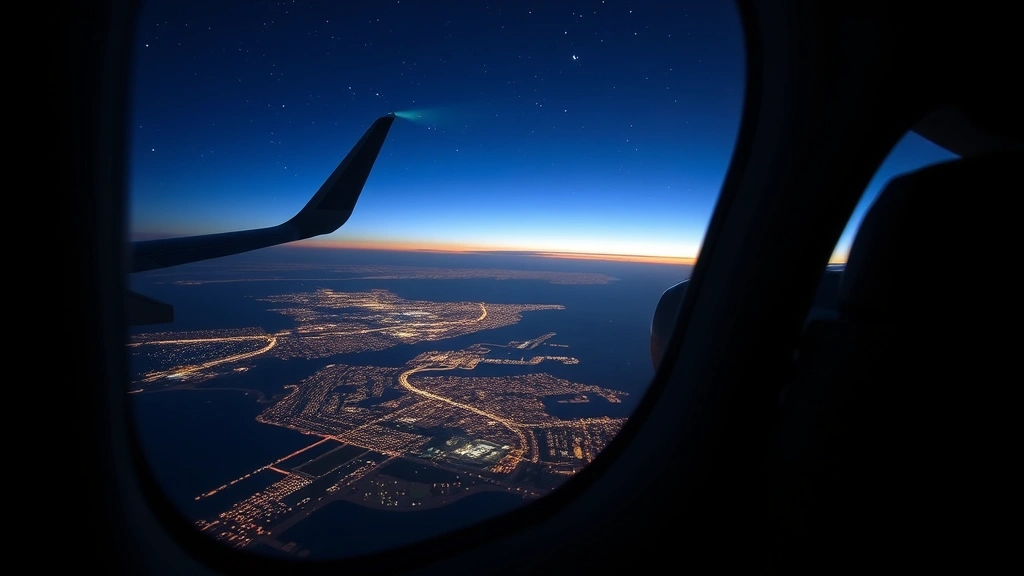
” alt=”Aerial view of Hawaiian islands with turquoise waters and white sand beaches visible from aircraft window during approach to Honolulu, showing volcanic terrain and coastal resort areas below” />
Connecting Flights Between Islands
Many Hawaii vacations involve visiting multiple islands. Inter-island flights are short—typically 25 to 45 minutes between major islands. Hawaiian Airlines dominates this market with frequent daily service. If you’re planning island-hopping, factor these short flights into your itinerary. The total time from mainland to your final island destination might be 7 to 11 hours including connections and layovers.
When booking multi-island trips, consider whether you prefer one long travel day with connections or splitting your arrival across two days. A 2-hour layover in Honolulu is typically comfortable for inter-island connections, though you won’t have time to leave the airport.
Seasonal Travel Considerations
Flight duration remains consistent year-round, but seasonal factors affect your overall travel experience. Winter months (November to March) see peak tourist season with fuller flights and potentially longer security lines. Summer travel is busier for families but offers excellent weather. Shoulder seasons (April-May and September-October) provide pleasant weather with fewer crowds.
If you’re comparing flight options with flights from Houston to LAX as a connection point, remember that LAX connections add 1-3 hours to your total journey time, though they often offer cheaper fares than direct flights.
Flight Cost Factors
While not directly related to duration, flight costs influence your booking decisions. Direct flights cost more than connecting flights, but the time saved often justifies the expense. Red-eye flights (departing late evening) cost less but involve overnight travel. Early morning departures cost more but get you to Hawaii by early afternoon.
Booking your Hawaii vacation through resources for finding cheap airline tickets helps you compare options across multiple carriers and find the best combination of price and flight duration for your needs.
Health and Wellness for Long Flights
Long flights present specific health considerations worth addressing. Cabin pressure changes can affect ears, sinuses, and digestion. Chewing gum or using decongestant nasal spray helps equalize ear pressure. Compression socks reduce swelling and improve circulation. Some travelers take melatonin or other sleep aids, but consult your doctor before using medication.
The low humidity in aircraft cabins can trigger headaches and dry skin. Using moisturizer and keeping your skin hydrated helps. Contact lens wearers should bring solution and consider switching to glasses for long flights.
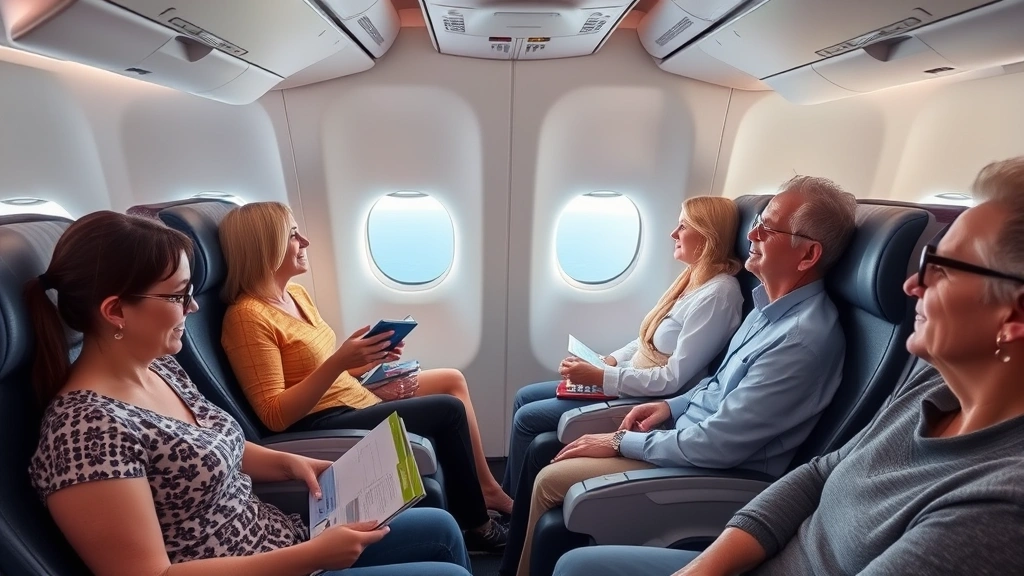
” alt=”Passengers relaxing in modern aircraft cabin with comfortable seating, enjoying in-flight entertainment screens and natural light from window seats during daytime flight over ocean” />
FAQ
What is the shortest flight time to Hawaii?
The shortest flights to Hawaii are from the West Coast, particularly from Los Angeles and San Francisco, typically lasting 5 to 5.5 hours. These routes offer the most frequent service and most convenient scheduling options.
Do Hawaii flights cross the International Date Line?
No, flights to Hawaii do not cross the International Date Line. While Hawaii is far west in the Pacific, it remains in the same calendar day as the continental United States. However, the significant time zone difference (6 hours behind the East Coast) means you arrive in Hawaii earlier in the day than you departed.
Are there overnight flights to Hawaii?
Yes, many airlines operate red-eye flights departing late evening from mainland cities. These flights arrive in Honolulu in early morning, allowing you to maximize your first day in Hawaii. Red-eye flights are often cheaper but can leave you tired upon arrival.
Can I fly to Hawaii non-stop from the East Coast?
Some airlines offer direct flights from East Coast cities like New York and Boston to Honolulu, lasting 8 to 10 hours. However, connections through West Coast hubs are often cheaper and can actually result in similar total travel times when layovers are brief.
What’s the best time to fly to Hawaii to avoid crowds?
Shoulder seasons (April-May and September-October) offer pleasant weather with fewer travelers. Winter holidays and summer vacation periods see peak crowds. Flying on Tuesdays and Wednesdays typically means less congestion than weekend flights.
How does the time difference affect my arrival time?
Hawaii is 3 hours behind Pacific Time and 6 hours behind Eastern Time. A flight departing Los Angeles at 10 AM arrives in Honolulu at 3 PM Hawaii time (same day). An East Coast 8 AM departure arrives around 1 PM Hawaii time, making afternoon arrival typical for mainland travelers.
Should I book a direct flight or connection?
Direct flights save 1-3 hours compared to connections but cost significantly more. If you’re not in a hurry, a connection through a West Coast hub can save money, though you’ll spend more total time traveling. For families with children, direct flights reduce stress and complications.
What amenities help on long Hawaii flights?
Neck pillows, noise-canceling headphones, compression socks, and eye masks improve comfort. Many travelers appreciate pre-downloaded entertainment, comfortable clothing, and having a change of clothes in their carry-on. Premium cabin seats offer extra space and better meals on longer flights.