LA to NY Flight Duration? Expert Insights
Flying from Los Angeles to New York is one of the most popular cross-country routes in the United States, connecting two of America’s most vibrant cities. Whether you’re traveling for business, leisure, or visiting family, understanding the flight duration and what affects your travel time is essential for planning your trip effectively. The standard nonstop flight from LAX to NYC typically takes between 5 to 5.5 hours, though various factors can influence the actual duration you’ll experience.
This comprehensive guide explores everything you need to know about LA to NY flight times, including what causes variations in duration, seasonal considerations, and practical tips to make your cross-country journey more comfortable. We’ll break down the factors that impact your travel experience and provide expert insights to help you prepare for your next transcontinental adventure.

Standard Flight Duration
The nonstop flight from Los Angeles International Airport (LAX) to one of New York’s major airports—typically John F. Kennedy International Airport (JFK), Newark Liberty International Airport (EWR), or LaGuardia Airport (LGA)—covers approximately 2,475 miles. Under normal circumstances, this distance translates to a flight time of approximately 5 to 5.5 hours.
Most major carriers including American Airlines, Delta Air Lines, United Airlines, and Southwest Airlines operate regular service on this route. The consistency of this flight duration makes it one of the most predictable cross-country routes in America. However, it’s important to note that the actual time you spend in the air may differ slightly from published schedules due to various operational and environmental factors.
When booking your flight, you’ll notice that airlines typically schedule this route with a flight time of 5 hours and 15 minutes to 5 hours and 30 minutes for westbound flights (LA to NY), though the return journey often takes slightly longer due to prevailing winds. Understanding LA to New York flight time variations helps you better plan your schedule and manage expectations for your journey.
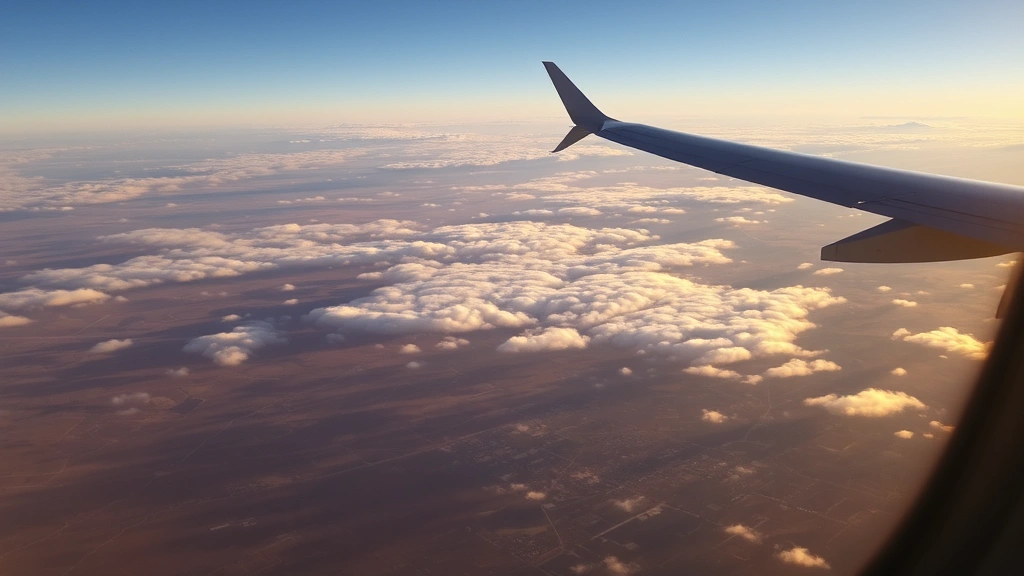
Factors Affecting Flight Duration
Several critical factors influence the actual duration of your LA to NY flight, and understanding these variables can help you anticipate potential delays or faster-than-expected arrivals:
- Wind patterns and jet streams: The most significant factor affecting cross-country flights is the jet stream, particularly the polar jet stream that flows from west to east across North America. Planes flying eastbound benefit from these powerful air currents, while westbound flights must fly against them.
- Altitude and routing: Air traffic control may assign different flight paths based on congestion, weather, and aircraft separation requirements. Some routes are more direct than others, affecting total flight time.
- Aircraft type: Different aircraft have different cruise speeds and capabilities. A Boeing 787 Dreamliner may perform differently than a Boeing 737 or an Airbus A320, though the difference is typically minimal on this route.
- Weather conditions: Storms, turbulence, and adverse weather may require altitude changes or route diversions, adding minutes to your flight.
- Air traffic congestion: Both LAX and New York airports experience significant traffic, which can result in holding patterns or delays before landing.
- Ground delays: Pushback delays at the gate or taxi delays can add to your total travel time.
The interplay of these factors means that while 5 hours and 15 minutes is typical, you might experience flights ranging from 4 hours and 50 minutes to over 6 hours depending on specific conditions on your travel date.
Jet Stream Impact on Travel Time
The jet stream deserves special attention as it’s the primary determinant of flight duration on transcontinental routes. This high-altitude river of fast-moving air significantly impacts how quickly aircraft traverse the country. When flying from Los Angeles to New York, you’re traveling with the jet stream, allowing you to move faster through the air relative to the ground.
During winter months, the jet stream is typically stronger and positioned further south, which can provide substantial tailwind benefits for eastbound flights. This is why summer flights often take slightly longer than winter flights on the same route. The jet stream can move aircraft at speeds exceeding 500 mph relative to the ground when conditions are optimal, compared to the aircraft’s normal cruise speed of around 460-480 mph.
Conversely, westbound flights from New York to Los Angeles face a headwind from the jet stream, which is why return flights typically take 30 minutes to an hour longer than eastbound flights. If you’re planning a round trip, budget approximately 5 to 5.5 hours for the LA to NY leg and 5.5 to 6 hours for the return journey.
Seasonal Variations
Flight durations vary noticeably throughout the year based on seasonal weather patterns and operational considerations. Winter flights from LA to NY tend to be slightly faster, averaging around 5 hours and 10 minutes, thanks to stronger jet stream winds. Spring and fall flights typically average 5 hours and 20 minutes, while summer flights may take closer to 5 hours and 30 minutes or longer due to weaker jet stream winds and potential thunderstorm activity.
Holiday periods and peak travel seasons also affect flight duration indirectly through increased air traffic and potential delays. During summer vacation months (June through August) and major holidays (Thanksgiving, Christmas, Easter), expect additional time spent in holding patterns before landing and longer taxi times at congested airports.
Spring and early fall offer the most predictable flight times, as weather patterns are relatively stable and air traffic, while still significant, is less congested than during peak holiday periods. If you have flexibility in your travel dates, these shoulder seasons provide both reasonable prices and consistent flight durations.
Airport Operations and Delays
While the actual flight time is typically 5 to 5.5 hours, the total travel experience involves additional time spent at airports. LAX and New York airports are among the busiest in the world, which affects ground operations. Budget additional time for check-in, security screening, and boarding procedures.
At LAX, arriving 2-3 hours before departure is standard for domestic flights, though during peak times you should arrive even earlier. Security lines at LAX can be substantial, particularly at Terminal 4 (which serves American Airlines) and other major terminals. TSA PreCheck or CLEAR can significantly reduce this time if you’re a frequent traveler.
Upon arrival in New York, taxi times from the runway to your gate can range from 15 to 30 minutes depending on airport congestion. JFK typically has longer taxi times than Newark or LaGuardia due to its size. Once you land, you’ll need time to deplane, collect baggage (if checking bags), and arrange ground transportation.
For a realistic total travel time estimate, add 3-4 hours for pre-flight procedures at LAX, 5.25 hours for the flight itself, and 1-2 hours for deplaning and baggage claim at your New York destination airport. This brings your total travel time to approximately 9.5 to 11 hours from when you arrive at LAX to when you exit your arrival airport.
Alternative Routes and Connections
While nonstop flights are the fastest option, some travelers consider connecting flights. A connecting flight through hubs like Denver, Dallas, or Atlanta typically takes 8-10 hours total, which is longer than a nonstop flight when you factor in connection time. Additionally, connecting flights are generally more expensive and inconvenient unless you have a specific reason for routing through another city.
If you’re exploring flights from Denver to Las Vegas or other regional connections as part of a larger trip, you might combine multiple flight segments. However, for a direct LA to NY trip, nonstop flights are almost always the better choice in terms of time and convenience.
Some travelers also consider red-eye flights, which depart Los Angeles in the evening and arrive in New York in the early morning. These flights have the same duration (5-5.5 hours) but offer the advantage of sleeping during the flight and arriving fresh in New York. Red-eye flights often have lower fares and lighter passenger loads, making them appealing for business travelers and those comfortable sleeping on aircraft.
Preparing for Your Cross-Country Flight
A 5+ hour flight requires thoughtful preparation to ensure comfort during your journey. Start by selecting your seat strategically—aisle seats provide easier access to restrooms and movement, while window seats offer a place to rest your head. Many travelers find extra legroom seats worth the additional cost for transcontinental flights.
Pack entertainment for the flight, including books, tablets with downloaded movies, or noise-canceling headphones. Most major carriers offer in-flight entertainment systems with movies, television shows, and music, but having backup entertainment is wise. Consider bringing a best travel pillow for long flights to improve comfort and sleep quality during your journey.
Hydration is crucial on long flights—the aircraft cabin has very low humidity, which can lead to dehydration. Bring an empty water bottle to fill after security, or purchase beverages during the flight. Avoid excessive alcohol and caffeine, which can worsen dehydration and disrupt sleep patterns.
Dress comfortably in layers, as aircraft cabins can be unpredictably warm or cool. Compression socks can help prevent blood clots and reduce leg swelling on longer flights. If you’re sensitive to jet lag, consider adjusting your sleep schedule a few days before travel to align with Eastern Time.
For business travelers, Sky Voyage Hub Blog provides flight information and travel updates to help you stay informed about the latest travel tips and insights. Additionally, check TSA.gov for current security procedures before your flight, as regulations can change seasonally.
Consider your meal plans carefully. Most domestic flights offer snacks and beverages complimentary, but full meals are typically only available in premium cabins. If you have dietary restrictions or preferences, notify your airline in advance or bring your own snacks approved by TSA regulations (solid foods are permitted).
If you’re traveling for work, consider how the flight attendant salary discussion relates to service quality—generally, well-compensated flight crews provide better service. Check your airline’s baggage policies before arriving at the airport; some carriers offer free checked bags while others charge for the first bag.
Download your airline’s mobile app to receive real-time updates about your flight status, gate assignments, and boarding information. These apps often allow you to check in digitally 24 hours before departure and monitor any delays or changes. Set reminders for key times—checking in, arriving at the airport, and boarding time—to ensure you don’t miss your flight.
For those interested in learning more about flight operations and aviation careers, resources like Federal Aviation Administration (FAA) provide comprehensive information about air travel safety and regulations. The NYC tourism board offers excellent resources for planning activities once you arrive in New York.
FAQ
How long is a flight from LA to New York?
A nonstop flight from Los Angeles to New York typically takes 5 to 5.5 hours of actual flight time. However, total travel time including airport procedures usually ranges from 9.5 to 11 hours from when you arrive at LAX to when you exit your New York airport.
Why do return flights from NY to LA take longer?
Westbound flights from New York to Los Angeles fly against the jet stream, which flows from west to east across North America. This headwind causes return flights to take approximately 30 minutes to 1 hour longer than eastbound flights, typically totaling 5.5 to 6 hours of flight time.
What’s the fastest time to fly from LA to NY?
The fastest recorded flights occur during winter months when the jet stream is strongest and positioned furthest south. Under optimal conditions, flights can complete in as little as 4 hours and 50 minutes, though 5 to 5.25 hours is more typical for winter flights.
Are there any flights faster than nonstop?
No, nonstop flights are always the fastest option for this route. Connecting flights add several hours of connection time, making them significantly longer despite the individual flight segments potentially being shorter.
Which New York airport should I fly into?
JFK is the major international hub with the most flight options, Newark (EWR) often has shorter taxi times and less congestion, and LaGuardia (LGA) is closest to Manhattan but has limited service. All three airports receive regular service from major carriers on the LA to NY route. Choose based on your final destination and airline availability.
What time of year has the shortest flights?
Winter months (December through February) typically offer the shortest flight times due to stronger jet stream winds, averaging around 5 hours and 10 minutes. Summer flights tend to take slightly longer, averaging 5 hours and 25-30 minutes.
Can I sleep through the entire flight?
Most people can sleep during a 5+ hour flight, especially if you use a travel pillow and comfortable clothing. However, aircraft cabin noise, announcements, and potential turbulence may interrupt your sleep. Many travelers find red-eye flights easier for sleeping since departure times align with normal sleep hours.
Do airline alliances affect flight duration?
No, airline alliances don’t affect actual flight time. All airlines flying this route follow similar flight paths, cruising altitudes, and operational procedures established by air traffic control. Flight duration is determined by physics and weather, not the airline you choose.