Cheap LAX to PHX Flights: Expert Guide to Affordable Arizona Travel
Flying from Los Angeles International Airport (LAX) to Phoenix Sky Harbor International Airport (PHX) is one of the most traveled short-haul routes in the Southwest. Whether you’re heading to Phoenix for business, leisure, or connecting to other Arizona destinations, finding affordable flights requires strategy, timing, and knowledge of the market. This comprehensive guide reveals insider tips, booking strategies, and practical advice to help you secure the cheapest possible fares on this popular route.
The LAX to PHX corridor serves millions of travelers annually, with multiple airlines competing for your business. This competition creates opportunities for savvy travelers who understand how to navigate pricing patterns, seasonal fluctuations, and booking windows. From budget carriers to full-service airlines, you’ll find diverse options at varying price points. Our expert analysis covers everything you need to know to book your next flight with confidence and savings.

Flight Distance and Duration
The flight distance from Los Angeles to Phoenix covers approximately 373 miles, making it one of the shortest commercial routes in the United States. This short-haul flight typically takes just 1 hour to 1 hour and 15 minutes of actual air time, though total travel time including boarding, taxiing, and deplaning usually extends to about 2.5 to 3 hours when you account for airport procedures.
The brevity of this route makes it ideal for day trips, quick business visits, or connections to other Southwest destinations. Because of the short flight time, airlines can operate multiple daily rotations on this corridor, increasing frequency and creating more competitive pricing opportunities. The lack of meal service requirements on such brief flights also allows carriers to maintain lower operational costs, which often translates to more competitive fares for passengers.
Phoenix’s proximity to Los Angeles makes this route popular for leisure travelers exploring Arizona’s attractions, including the Grand Canyon, Sedona, and the Sonoran Desert. Business travelers frequently use this corridor for same-day meetings and corporate travel. Understanding the route’s characteristics helps you appreciate why pricing varies and how to capitalize on market conditions.
Airlines Operating This Route
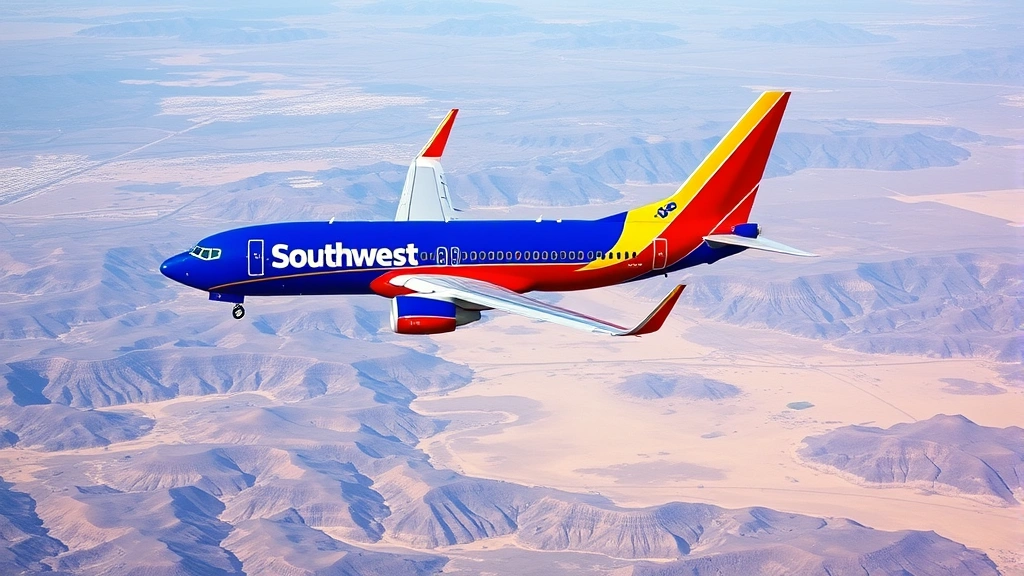
Multiple carriers compete on the LAX to PHX route, creating a dynamic marketplace with diverse options. Southwest Airlines dominates this corridor with the most frequent daily flights, often operating 15 or more departures per day in each direction. Their point-to-point network model makes LAX-PHX a core route, and their frequent service creates consistent pricing pressure.
American Airlines, operating from its major hub at LAX, provides several daily flights to Phoenix. United Airlines also serves this route with multiple daily departures, competing aggressively on pricing and service. Delta Air Lines rounds out the major carriers with regular service between these cities. These full-service carriers typically offer more premium cabin options and loyalty program benefits, though their economy fares may be higher than budget alternatives.
Budget carriers have increasingly entered this market. Southwest Airlines, while not a traditional “budget” airline, offers competitive pricing without baggage fees. Spirit Airlines and Frontier Airlines periodically serve this route with ultra-low base fares, though ancillary fees can add up quickly. Allegiant Air has also operated this route seasonally, providing additional competitive pressure on pricing.
The competitive landscape means you should compare all available carriers, not just major airlines. Each airline brings different pricing strategies, route frequencies, and ancillary fee structures. Understanding these differences helps you identify the best value for your specific needs and preferences.
Best Booking Strategies for Savings
Successful flight booking requires understanding how airlines price tickets and when to purchase. The most critical strategy involves booking during off-peak travel periods and avoiding peak demand times. Tuesday through Thursday departures typically offer lower fares than weekend flights. Early morning and late evening flights generally cost less than convenient mid-day departures.
Flexibility with your travel dates can yield substantial savings. If you can travel during less popular times—avoiding holidays, school vacations, and major events—you’ll find significantly lower fares. Using flexible date search tools on booking websites allows you to visualize pricing across multiple dates simultaneously, helping you identify the cheapest options.
Set up price alerts on multiple travel booking platforms including Google Flights, Kayak, and Skyscanner. These tools notify you when fares drop on your selected route, allowing you to book at optimal moments. Many travelers find their best deals through email alerts rather than active searching.
Consider booking directly with airlines’ websites rather than through third-party platforms. While prices are typically the same, direct booking ensures better customer service, easier modifications, and clearer baggage policies. Many airlines offer loyalty program benefits even on discounted fares, earning miles you can redeem for future travel.
Seasonal Pricing Patterns
LAX to PHX fares fluctuate significantly based on seasonal demand patterns. Winter months (January through March) see elevated fares as visitors escape cold weather for Arizona’s pleasant climate. Phoenix’s winter season attracts retirees, snowbirds, and leisure travelers, creating sustained high demand and premium pricing.
Summer months present an interesting paradox. While Phoenix’s extreme heat deters many leisure travelers, business travel remains steady. Summer fares are often moderate, with some of the year’s best deals available in July and August when leisure demand drops significantly. Early morning and late evening flights during summer are particularly affordable.
Spring (April-May) and fall (September-October) represent shoulder seasons with moderate pricing. These periods offer pleasant weather in Phoenix and lower demand than winter, creating favorable conditions for budget-conscious travelers. Fall offers particularly good value as summer heat ends but winter crowds haven’t arrived.
Major holidays and school vacation periods see dramatic price increases. Thanksgiving, Christmas, New Year’s, and spring break periods command premium fares. If your travel dates are flexible, avoiding these peak periods can result in savings of 50% or more compared to peak-season pricing.
Day of Week Analysis
Day-of-week pricing patterns on LAX to PHX flights follow predictable trends that savvy travelers exploit. Tuesday, Wednesday, and Thursday consistently offer the lowest fares, with Wednesday typically the absolute cheapest day to fly this route. Business travelers book these mid-week flights less frequently, reducing demand and allowing airlines to offer competitive pricing.
Monday flights generally cost more than mid-week options as business travelers book early-week meetings. Friday fares spike as weekend leisure travelers and business professionals heading to Arizona conferences book departures. Saturday and Sunday prices remain elevated due to weekend leisure demand, particularly during winter months.
Flight time of day also matters significantly. Red-eye flights departing LAX late evening and arriving in Phoenix early morning typically offer the lowest fares. Early morning departures from LAX (before 6 a.m.) also tend to be cheaper than mid-morning options. Afternoon departures between 2 p.m. and 5 p.m. usually command premium pricing as they suit business travelers’ schedules.
The cheapest combination is a Tuesday, Wednesday, or Thursday early morning or red-eye flight. While these times require schedule adjustments, the potential savings of $50-$150 per ticket make the inconvenience worthwhile for budget-conscious travelers.
Advance Booking Recommendations
The optimal booking window for LAX to PHX flights typically falls 3-6 weeks before your intended departure. This timeframe balances advance-purchase discounts with the flexibility to capture last-minute deals. Booking too far in advance (8+ weeks) sometimes results in higher prices as airlines haven’t yet released their lowest fares.
Booking too close to departure (within 7 days) usually results in premium pricing, though occasional last-minute deals exist. If you must book last-minute, search multiple airlines and consider flying on less desirable days and times to find better prices. Last-minute deals are increasingly rare as airline revenue management systems have become more sophisticated.
Tuesday and Wednesday mornings historically offer the best booking windows. Airlines often release sales and adjust pricing early in the week, creating opportunities for deals. Booking on Tuesday or Wednesday for a departure the following Tuesday or Wednesday often yields optimal results.
Monitor fares starting 8-10 weeks before your trip. Set price alerts and watch for significant dips that suggest a sale or promotional pricing period. Once fares drop noticeably below historical averages, book immediately rather than waiting for further decreases.
Budget Airlines Comparison
Spirit Airlines offers some of the lowest base fares on LAX to PHX routes, with fares sometimes starting below $50 one-way. However, Spirit’s ultra-low-cost model includes substantial fees: carry-on bags cost $30-$35, checked bags cost $35-$45, and seat selection carries additional charges. A Spirit flight that appears cheap may cost significantly more once fees are added.
Frontier Airlines provides similarly low base fares with comparable fee structures. Their “basic economy” fares exclude carry-on bags and seat selection, but these items can be purchased separately. Frontier occasionally runs promotions eliminating certain fees, creating genuinely competitive all-inclusive pricing.
Southwest Airlines, while not strictly a budget carrier, operates more efficiently on short routes and offers competitive pricing. Critically, Southwest includes two checked bags free—a significant advantage for travelers with luggage. Southwest also includes seat selection (though early boarding requires additional payment) and allows flight changes without penalties, providing valuable flexibility.
American, United, and Delta typically cost more than budget alternatives but offer superior customer service, better flight schedules, and loyalty program benefits. For business travelers and frequent flyers, their premium pricing may be justified by convenience, seat comfort, and reliability.
When comparing budget airlines, calculate the total ticket cost including all fees rather than comparing base fares alone. A $49 Spirit ticket that becomes $129 after fees is more expensive than a $99 Southwest ticket with free baggage included.
Airport Alternatives and Options
While LAX and PHX Sky Harbor are the primary airports, exploring alternatives can sometimes yield savings. Los Angeles area travelers might consider Long Beach Airport (LGB), Burbank Airport (BUR), or Ontario International Airport (ONT). These secondary airports sometimes offer cheaper flights, though you must factor in ground transportation costs to reach them.
From Phoenix, Sky Harbor International is the only major commercial airport, so alternatives don’t exist. However, understanding Sky Harbor’s terminal layout and ground transportation options helps you maximize savings on ground costs, offsetting any flight savings.
The distance from LAX to alternative airports ranges from 15 to 50 miles, with associated ground transportation costs of $20-$60 depending on your method. If secondary airports offer more than $40-$50 savings per ticket, the overall savings might justify the additional travel time and complexity.
Most travelers find LAX to PHX direct flights offer the best overall value when accounting for all costs. Connecting flights through other cities should be avoided on this route, as the short distance means connections typically increase total travel time and costs rather than reducing them.
Money-Saving Tips for LAX to PHX
Beyond booking strategy, numerous tactics can reduce your overall trip costs. First, consider visiting our travel blog for destination-specific money-saving tips for Phoenix and Arizona. Pack strategically to avoid baggage fees, particularly with budget carriers. If flying Southwest, leverage their free baggage allowance by checking both bags rather than paying carry-on fees with competitors.
Use airline loyalty programs strategically. Even on discounted fares, you earn miles toward future free flights. If you frequently fly LAX to PHX or other routes, joining Southwest Rapid Rewards, American AAdvantage, United MileagePlus, or Delta SkyMiles programs costs nothing and generates value through earned miles.
Bundle your flight with hotel bookings through airline websites or travel packages. Many airlines offer package deals combining flights and accommodations at discounted rates. These packages sometimes cost less than booking separately, particularly during promotional periods.
Consider driving to LAX or alternative airports if you live in surrounding areas. Parking costs ($15-$25 per day) might be offset by cheaper flights from LAX compared to your local airport. Calculate the total cost including parking, fuel, and time before deciding.
If you travel this route frequently, investigate multi-city routing options that might offer better overall pricing. Some airlines reward loyalty with upgrade certificates or travel vouchers that reduce future ticket costs.
Book travel insurance only if necessary, as it adds to ticket costs. However, if your plans are flexible and you might need to change dates, travel insurance provides protection. Compare insurance costs against potential change fees to determine if protection makes financial sense.
FAQ
What is the cheapest airline for LAX to PHX flights?
Spirit Airlines and Frontier Airlines typically offer the lowest base fares, sometimes starting below $50 one-way. However, when including baggage fees and other ancillaries, Southwest Airlines often provides the best overall value due to free checked baggage and no change fees. Compare total costs including all fees rather than base fares alone.
What is the best day to fly LAX to PHX?
Wednesday typically offers the lowest fares, followed by Tuesday and Thursday. Early morning departures (before 6 a.m.) and red-eye flights cost less than mid-day options. Avoid Friday, Saturday, and Sunday departures if possible, as these command premium pricing due to leisure and business travel demand.
How far in advance should I book LAX to PHX flights?
Book 3-6 weeks in advance for optimal pricing. This window balances advance-purchase discounts with the ability to capture occasional last-minute deals. Booking 8+ weeks ahead or within 7 days of departure typically results in higher fares.
Are there non-stop flights from LAX to PHX?
Yes, all major carriers operate non-stop flights on this route. Southwest, American, United, and Delta all offer multiple daily non-stop flights. The 1-hour to 1 hour 15-minute flight time makes non-stop service standard on this corridor.
What are typical LAX to PHX flight prices?
Typical fares range from $80-$150 one-way during off-peak periods, rising to $150-$250 during peak winter season. Budget carriers sometimes offer fares below $80 before fees, while premium cabin options can exceed $300. Prices vary significantly based on booking window, travel dates, and airline selection.
Can I save money by booking a round trip instead of one-way?
Sometimes. Round-trip bookings occasionally offer modest discounts compared to two separate one-way tickets. However, this isn’t guaranteed, and one-way fares might be cheaper in certain cases. Always compare both options before booking.
What should I know about LAX to PHX baggage policies?
Southwest includes two free checked bags and free carry-on baggage. American, United, and Delta include one free checked bag for most passengers, with additional bags charged at $35-$45. Spirit and Frontier charge for carry-on bags ($30-$35) and checked bags ($35-$45). Select your airline partially based on baggage needs.
Is there a best time of year to book LAX to PHX flights?
Summer (July-August) and fall (September-October) offer the best pricing, with summer being particularly cheap despite Phoenix’s heat. Avoid winter (January-March), holidays, and spring break periods when fares peak. Shoulder seasons (April-May, September-October) offer moderate pricing with pleasant weather.
How do I find the cheapest LAX to PHX flights?
Set price alerts on Google Flights, Kayak, and Skyscanner. Search for mid-week (Tuesday-Thursday) early morning or red-eye flights. Compare budget carriers’ total costs including fees against major airlines. Book 3-6 weeks in advance, and be flexible with your exact travel dates to capture the lowest fares available.
Are there any hidden fees I should know about?
Budget carriers charge for baggage, seat selection, and boarding priority. Some airlines charge for checked bags, while others charge for carry-on bags. Review each airline’s fee structure before booking. Taxes and airport fees are included in displayed prices, but travel insurance, baggage fees, and seat upgrades are additional. Always review the complete price breakdown before confirming your purchase.