World’s Longest Flights? Expert Insights
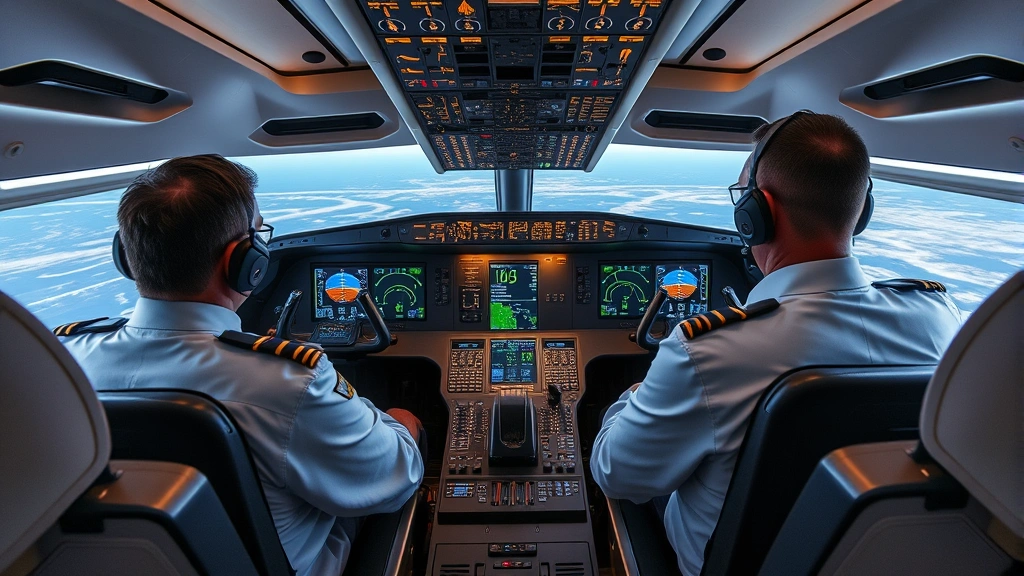
The aviation industry continues to push boundaries with increasingly ambitious ultra-long-haul routes connecting distant corners of the globe. From the moment commercial aviation began connecting continents, airlines have been racing to establish the longest possible flight routes. Today’s longest flights represent the pinnacle of modern aviation technology, engineering excellence, and passenger endurance. These marathons in the sky require specially configured aircraft, highly trained crews, and meticulous planning to ensure passenger comfort and safety across distances that would have seemed impossible just decades ago.
Understanding the world’s longest flights provides fascinating insights into how airlines optimize routes, manage fuel consumption, and maintain operational efficiency on ultra-long-haul services. Whether you’re a frequent flyer, aviation enthusiast, or simply curious about how airlines manage these remarkable journeys, this comprehensive guide explores the longest commercial flights operating today and what makes them possible.
What Defines the Longest Flights
The longest flights in commercial aviation are measured primarily by flight duration rather than geographical distance alone. Several factors influence actual flight time, including prevailing winds, routing restrictions, and airport procedures. A flight from Sydney to Los Angeles might cover similar distance to a flight from Auckland to Dubai, yet the actual flight times can vary significantly. When aviation experts discuss the world’s longest flights, they typically reference flights exceeding 16-17 hours of scheduled flight time.
Flight distance and duration differ because of wind patterns, particularly jet streams that can accelerate or slow aircraft significantly. The LAX to Sydney flight time demonstrates this principle perfectly—westbound flights from Los Angeles take considerably longer than eastbound returns due to headwind opposition. Airlines must account for these variations when scheduling routes and planning crew rotations.
Understanding what constitutes a longest flight requires examining both scheduled block times (gate-to-gate duration) and actual flight distance. Some routes that cover enormous distances benefit from favorable winds, while others endure challenging headwinds throughout their journey. The distinction matters significantly for crew scheduling, passenger planning, and aircraft utilization strategies.
Current Record Holders
As of 2024, Singapore Airlines’ non-stop service from Singapore to Newark spans approximately 9,534 miles and consumes roughly 18 hours and 45 minutes of flight time. This route held the title of world’s longest commercial flight for several years, representing an extraordinary achievement in aviation logistics. The airline specifically configured Boeing 777-12ULR aircraft with enhanced fuel capacity and reduced seating to accommodate the extreme range requirements.
However, Singapore Airlines’ Singapore-Los Angeles route, operated intermittently, covers similar distances with comparable flight times. The Qatar Airways service from Doha to Auckland, New Zealand, stretches approximately 9,032 miles and requires around 17 hours and 30 minutes of scheduled flight time. These ultra-long-haul routes represent the absolute limits of what modern commercial aviation can achieve with current technology.
Other notably long flights include Dubai to San Francisco, which covers approximately 8,400 miles, and various Australia-to-Europe routes that approach 17 hours. Air New Zealand’s Auckland to London service via various routings represents another significant ultra-long-haul operation. These flights consistently rank among the longest passenger air services operating commercially anywhere in the world.
The LAX to Vancouver flights represent much shorter distances by comparison, yet understanding regional routes helps contextualize just how remarkable these ultra-long-haul services truly are. What takes 3 hours between Los Angeles and Vancouver requires more than six times that duration to reach the antipodes.
Aircraft Built for Distance
Only specific aircraft models possess the range, capacity, and efficiency required for ultra-long-haul operations. The Boeing 777-200LR and 777-300ER represent workhorses for many longest-flight operations, offering exceptional fuel efficiency and proven reliability on extended routes. The 777-12ULR (Ultra Long Range) variant features additional fuel capacity, allowing even greater range than standard configurations.
The Airbus A350-900ULR provides another critical platform for longest-flight operations, offering advanced aerodynamics and fuel-efficient engines that enable remarkable range. These aircraft feature sophisticated cabin pressure systems, advanced avionics, and redundant systems ensuring safety across vast ocean crossings where emergency landing options remain limited.
The Boeing 787 Dreamliner has revolutionized ultra-long-haul travel with its exceptional fuel efficiency, larger windows, and advanced cabin systems. Many airlines view the 787 as the future of longest-flight operations due to its superior economics and passenger comfort features. The aircraft’s composite construction reduces weight while maintaining structural integrity, contributing to extended range capabilities.
Aircraft manufacturers continuously innovate to extend range and improve efficiency. Engine manufacturers like Rolls-Royce and General Electric develop increasingly efficient powerplants that consume less fuel while delivering greater thrust. These technological advances directly enable longer routes and improve profitability on ultra-long-haul services.
Operational Challenges and Solutions
Operating the world’s longest flights presents extraordinary challenges across multiple operational domains. Crew fatigue management represents perhaps the most critical concern—pilots and flight attendants cannot legally operate aircraft for unlimited durations. Regulations from aviation authorities like the Federal Aviation Administration strictly limit flight duty periods, requiring airlines to roster multiple crew members on longest flights.
Fuel planning requires extraordinary precision on ultra-long-haul routes. Airlines must account for weather patterns, wind conditions, alternate routing possibilities, and reserve fuel requirements. Modern flight planning systems utilize sophisticated algorithms analyzing real-time meteorological data to optimize routes and minimize fuel consumption. A slight headwind increase might require significant fuel adjustments, affecting passenger loads or cargo capacity.
Maintenance scheduling becomes increasingly complex when aircraft operate 18+ hour flights. Airlines must coordinate maintenance between flights, manage crew connections, and ensure aircraft availability despite extended turnaround times. Predictive maintenance systems now monitor aircraft systems continuously, identifying potential issues before they cause operational disruptions.
Passenger comfort and health represent ongoing operational considerations. Long flights increase blood clot risks, requiring airlines to provide comprehensive health information and encourage movement during flights. Cabin humidity, air quality, and lighting systems on modern aircraft help mitigate fatigue and health concerns associated with ultra-long-haul travel. A quality best travel pillow for long flights can substantially improve passenger comfort during these extended journeys.
Regulatory compliance across multiple jurisdictions adds complexity to longest-flight operations. Airlines must navigate airspace restrictions, noise regulations, and environmental requirements across numerous countries. Coordinating overflight permissions, especially across sensitive airspace, requires diplomatic relationships and extensive planning.
Passenger Experience on Ultra-Long-Haul
Modern aircraft operating longest flights feature sophisticated cabin systems designed to minimize fatigue and enhance comfort during extended journeys. Pressurization systems maintain cabin altitude at lower levels than older aircraft, reducing the physiological stress associated with high-altitude flight. Humidity levels on newer aircraft remain higher than legacy systems, helping passengers feel less fatigued after ultra-long-haul flights.
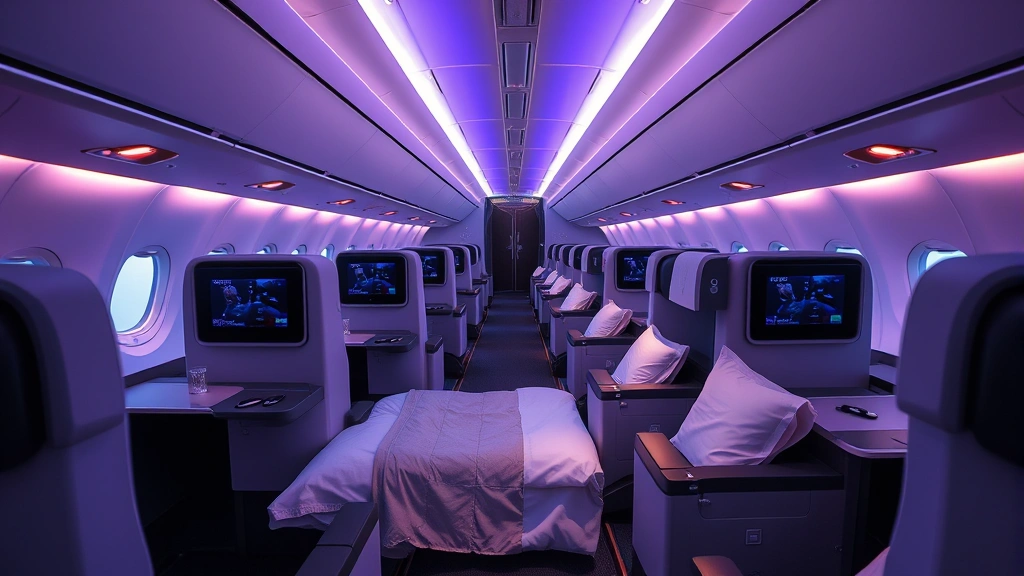
Premium cabin offerings on longest flights include lie-flat seats, direct aisle access, and sophisticated in-flight entertainment systems. Airlines recognize that passengers enduring 17+ hour flights expect exceptional service and comfort. Business class cabins on ultra-long-haul aircraft often feature shower spas, sophisticated dining programs, and personalized service that transforms the flying experience.
Meal service on longest flights requires careful planning and execution. Airlines must coordinate catering for hundreds of passengers across multiple service cycles, managing dietary requirements, cultural preferences, and food safety protocols. The quality and timing of meals significantly impact passenger satisfaction on ultra-long-haul services.
Crew training for longest flights emphasizes passenger service, health and safety, and crisis management. Flight attendants working ultra-long-haul routes receive specialized training addressing fatigue management, medical emergencies, and passenger psychology during extended flights. Understanding crew perspectives helps contextualize the flight attendant salary information and compensation structures for these demanding positions.
Route Development and Economics
Airlines develop longest-flight routes based on market demand, airport availability, and economic viability. A route must generate sufficient revenue to justify the operational costs, which remain substantially higher than shorter flights. Fuel costs, crew expenses, maintenance, and aircraft depreciation accumulate significantly on ultra-long-haul services.
Geographic positioning matters enormously for longest-flight route success. Cities like Singapore, Dubai, and Auckland serve as strategic hubs connecting distant regions. These locations benefit from geographic positioning that enables long-haul connectivity while maintaining reasonable flight times. Hub-and-spoke networks often incorporate longest flights as premium services connecting major markets.
Competition between airlines on longest-flight routes intensifies as more carriers recognize ultra-long-haul market opportunities. Airlines compete on schedule timing, cabin products, pricing, and service quality. The introduction of new aircraft types often enables new longest-flight routes as improved efficiency opens previously unviable markets.
Environmental considerations increasingly influence longest-flight route development. Airlines face pressure to reduce carbon emissions, driving investment in fuel-efficient aircraft and sustainable aviation fuels. Routes that were marginally viable economically become attractive as fuel efficiency improves, while less-efficient operations face pressure to modernize or discontinue services.
Visiting our SkyVoyage Hub Blog provides additional insights into route planning, airline operations, and travel strategies for longest-flight journeys.
Future of Ultra-Long-Haul Aviation
Next-generation aircraft will push ultra-long-haul capabilities even further. The Airbus A321XLR, while smaller than traditional long-range widebodies, enables single-aisle ultra-long-haul operations previously requiring larger aircraft. This development opens opportunities for smaller airlines and regional carriers to operate longest flights.
Sustainable aviation fuels represent a critical development for future longest-flight operations. As environmental regulations tighten globally, airlines must transition to lower-carbon fuel options. SAF (Sustainable Aviation Fuel) technology continues improving, with blends eventually enabling substantial emissions reductions on ultra-long-haul routes.
Hypersonic aircraft remain in development stages, but could eventually revolutionize ultra-long-haul travel. Conceptual designs suggest flights from New York to Tokyo could be completed in under three hours, fundamentally transforming long-distance air travel. However, significant technological and regulatory hurdles must be overcome before hypersonic passenger services become commercially viable.
Crew scheduling innovations, including advanced fatigue management systems and optimized duty-time regulations, will continue evolving. Airlines invest heavily in technology that maximizes crew efficiency while maintaining safety and wellbeing standards.
Understanding aviation careers in this evolving landscape, including insights into how much does flight school cost, helps prospective aviation professionals prepare for careers in this dynamic industry.
FAQ
What is the absolute longest flight in the world?
Singapore Airlines’ Singapore to Newark service currently holds the distinction of the world’s longest commercial flight, spanning approximately 9,534 miles and requiring roughly 18 hours and 45 minutes of flight time. The airline operates this route using specially configured Boeing 777-12ULR aircraft with enhanced fuel capacity.
How do pilots manage fatigue on longest flights?
Aviation regulations require multiple pilots on longest flights, allowing crew members to rest in designated crew rest areas located above the main cabin on larger widebody aircraft. Strict duty-time limitations prevent pilot fatigue while ensuring adequate rest between flights. Airlines also provide circadian rhythm management training and fatigue countermeasure strategies.
What happens if an engine fails on a longest flight over the ocean?
Modern twin-engine aircraft are certified for extended operations over water (ETOPS), allowing them to continue safely to designated alternate airports even with one engine inoperative. Aircraft operating longest flights typically maintain ETOPS certification for 180-240 minutes, ensuring diversion options remain available throughout the flight.
Why are longest flights so expensive?
Ultra-long-haul flights involve substantial fuel costs, extended crew expenses, premium aircraft maintenance, and limited passenger capacity relative to flight duration. Airlines must recover these high operational costs through premium pricing, particularly in business and premium economy cabins where margins are highest.
Which airlines operate the most longest flights?
Singapore Airlines, Qatar Airways, and Cathay Pacific operate among the most extensive ultra-long-haul networks. These carriers positioned themselves strategically to capitalize on longest-flight opportunities, investing in modern fleets and hub infrastructure that support ultra-long-haul operations.
How has technology improved longest flights?
Modern aircraft feature more efficient engines, advanced aerodynamics, lighter composite materials, and sophisticated avionics that collectively extend range and reduce fuel consumption. Cabin systems that maintain better pressurization and humidity levels reduce passenger fatigue. Flight planning software optimizes routes considering weather patterns and wind conditions in real-time.