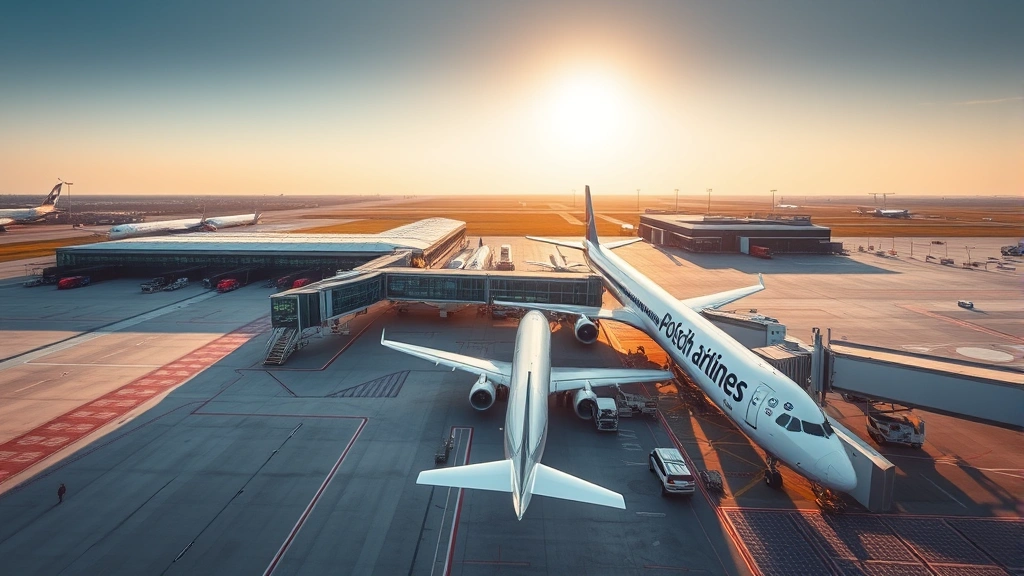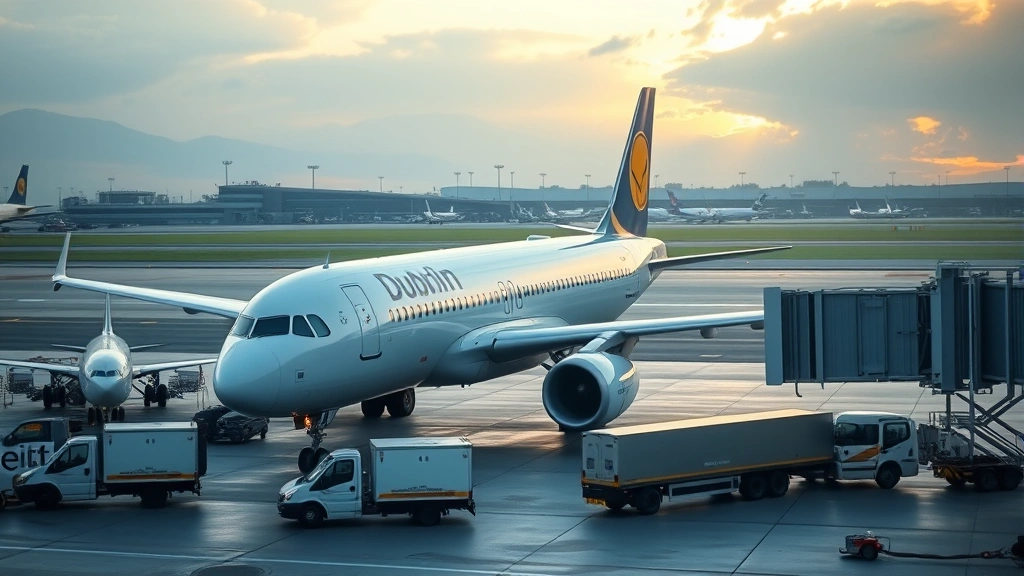
Lufthansa LH980 Dublin Turnaround: Pilot Insights & Operations Guide
Lufthansa flight LH980 represents one of the airline’s critical European routing operations, with Dublin serving as a strategic hub for transatlantic and continental connections. Understanding the operational complexities of this route requires insight into pilot perspectives, ground operations, and the meticulous planning that goes into modern commercial aviation. When aircraft turnaround at Dublin Airport, they undergo a series of coordinated procedures that demand precision timing, safety compliance, and expert crew management.
This comprehensive guide explores the pilot insights behind LH980’s Dublin turnaround operations, examining everything from pre-flight checks to passenger boarding procedures. Whether you’re an aviation enthusiast, frequent flyer, or someone curious about how airlines manage efficient route operations, this article provides detailed operational knowledge drawn from industry best practices and pilot expertise.
Understanding Lufthansa LH980 Route Operations
Lufthansa’s LH980 is a scheduled service that demonstrates the complexity of modern European aviation networks. The flight typically operates between major European cities and Dublin, serving as a crucial connection point for passengers traveling to North America and beyond. Pilots operating this route must master multiple aspects of aviation management, from navigating European airspace to coordinating with Dublin Air Traffic Control.
The route’s significance extends beyond simple point-to-point transportation. It represents Lufthansa’s commitment to maintaining competitive flight schedules while adhering to strict safety standards and environmental regulations. Pilots on this route receive specialized training covering Dublin’s specific approach procedures, weather patterns, and ground handling protocols. The turnaround time—typically between 45 minutes to 90 minutes depending on aircraft type and operational requirements—demands exceptional coordination between flight crews and ground personnel.
Understanding flight status monitoring systems helps passengers appreciate the complexity pilots manage daily. Modern aircraft like the Airbus A320 or A350 operating this route require sophisticated systems integration, fuel management calculations, and crew scheduling considerations that pilots must verify before departure.
Dublin Airport Infrastructure & Turnaround Logistics
Dublin Airport, officially Dublin Airport Authority, serves as one of Europe’s busiest aviation hubs with significant infrastructure supporting rapid aircraft turnarounds. The airport features multiple terminal buildings, extensive ground handling facilities, and modern air traffic management systems that enable efficient operations. For Lufthansa operations, understanding Dublin’s layout and service capabilities is essential for optimizing turnaround times.
The airport’s ground handling infrastructure includes dedicated aircraft parking positions, fuel supply systems, catering facilities, and maintenance bays. Pilots communicate with airport operations teams regarding gate assignments, which directly impacts turnaround efficiency. Some positions offer superior access to fuel trucks and catering vehicles, potentially reducing overall turnaround duration. The coordination between Lufthansa’s ground crew and Dublin Airport Authority personnel ensures that aircraft spend minimal time on the ground while maintaining full compliance with safety and service standards.
Runway configuration at Dublin significantly influences flight operations. The airport operates with multiple runways, and wind conditions often determine which runway is active. Pilots must monitor runway assignments throughout their turnaround period, as runway changes can affect departure procedures and flight plan calculations. Ground personnel update pilots on any changes to runway assignments, taxiway routing, or holding patterns that might develop during their ground time.
Pilot Perspective on Turnaround Management
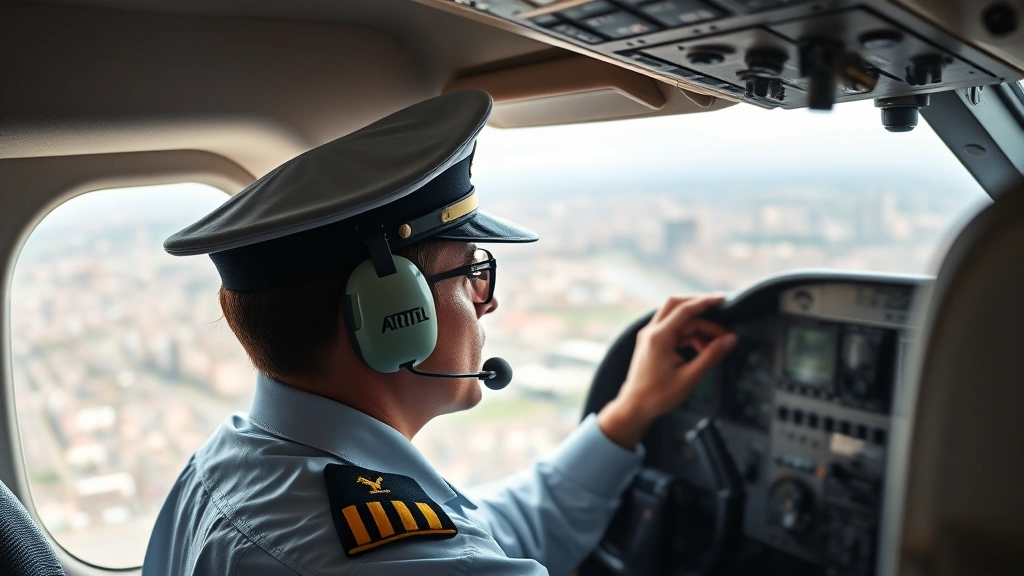
Experienced Lufthansa pilots approach Dublin turnarounds with systematic precision developed through thousands of flight hours. The pilot’s role during turnaround extends far beyond simply waiting in the flight deck. Captains and first officers actively manage fuel calculations, weather monitoring, and crew rest requirements while coordinating with ground operations personnel.
From a pilot’s perspective, the turnaround begins during the descent into Dublin airspace. Pilots receive current weather information, runway assignments, and gate information from approach control and ground operations. This data directly influences fuel calculations—pilots must determine how much fuel to add during turnaround, accounting for taxi procedures, potential holding patterns, and alternate airport requirements. International regulations mandate that aircraft carry sufficient fuel to reach their destination plus reserves for alternate airports, weather diversions, and holding patterns.
Pilots also conduct thorough aircraft inspections during turnaround. The captain performs a walk-around inspection, checking exterior surfaces for damage, verifying tire conditions, and ensuring all external systems function properly. This preflight ritual, refined over decades of aviation operations, prevents potential mid-flight issues and demonstrates pilots’ commitment to safety. First officers meanwhile conduct internal cabin checks, verify emergency equipment status, and confirm that all systems respond correctly to control inputs.
The relationship between pilots and ground crew significantly impacts turnaround efficiency. Experienced pilots understand that clear communication with ground personnel—including fuel attendants, catering staff, and maintenance technicians—reduces delays and ensures smooth operations. When issues arise, pilots must make rapid decisions about whether repairs can be completed before departure or whether the flight requires delay or cancellation.
Pre-Flight Procedures & Safety Protocols
Before departing Dublin on LH980, pilots execute comprehensive pre-flight procedures that ensure aircraft airworthiness and crew readiness. These procedures, standardized across Lufthansa’s fleet, represent decades of aviation safety evolution and regulatory requirements. The comprehensive flight information resources available through aviation authorities emphasize the critical importance of these procedures.
The pre-flight briefing establishes the operational foundation for the upcoming flight. Pilots review weather conditions along the entire route, including en-route weather, destination weather, and alternate airport weather. They examine NOTAMs (Notices to Airmen) that communicate temporary changes to airspace, runway configurations, or navigation aid status. Flight planning systems automatically calculate optimal cruise altitudes, considering wind patterns, fuel efficiency, and air traffic routing.
Fuel management represents a critical pilot responsibility. Pilots calculate precise fuel requirements based on aircraft weight, route distance, expected winds, and reserve fuel requirements. Lufthansa’s flight planning department provides initial recommendations, but pilots retain authority to request additional fuel if weather forecasts indicate potential headwinds or if they prefer increased safety margins. This decision-making authority reflects the pilot’s ultimate responsibility for safe flight operations.
Weight and balance calculations ensure that the aircraft remains within operational limits. Pilots verify that cargo distribution, passenger loading, and fuel quantity maintain the aircraft’s center of gravity within approved parameters. Improper weight distribution can affect aircraft handling characteristics, fuel efficiency, and safety during takeoff and landing. Modern aircraft calculate weight and balance automatically, but pilots verify these calculations independently.
Ground Operations Coordination
Efficient turnaround operations require seamless coordination between multiple ground service providers. Lufthansa coordinates with fuel suppliers, catering companies, ground support equipment operators, and airport authorities. Pilots remain informed throughout this process, as any delays in ground services directly impact departure times.
Fuel trucks typically arrive immediately after aircraft parking. The fuel attendant communicates with the flight crew regarding fuel quantity and type. Modern Lufthansa aircraft use specific fuel grades to optimize engine performance and efficiency. Pilots verify fuel quantity through independent measurement systems and cross-check calculations with ground personnel. Fuel quality testing occurs regularly to prevent contamination issues that could compromise engine operation.
Catering services deliver meals, beverages, and supplies based on passenger count and flight duration. Ground crews load baggage, mail, and cargo according to weight and balance requirements that pilots have calculated. Maintenance personnel conduct routine inspections, checking fluid levels, system functionality, and addressing any mechanical issues identified during the inbound flight.
The turnaround coordinator—typically a ground operations manager—maintains communication with all service providers and the flight crew. This coordinator ensures that all services complete within the scheduled turnaround window. Pilots appreciate clear communication from the turnaround coordinator, who provides updates on service progress and alerts crews to any delays that might impact departure timing. Understanding longest flights operations provides context for how turnaround efficiency impacts overall schedule reliability.
Passenger Experience During Turnarounds
While pilots focus on technical operations, passenger experience remains central to successful turnarounds. Lufthansa flight attendants manage passenger boarding, cabin preparation, and safety briefings. For connecting passengers, efficient turnarounds mean better chances of making their onward flights. For through passengers remaining on the aircraft, professional ground crews minimize cabin disruption while servicing the aircraft.
Boarding procedures follow strict protocols designed to maximize efficiency while maintaining safety. Gate agents verify passenger documentation, check baggage, and process boarding passes. Pilots monitor boarding progress through flight attendant communication, ensuring that all passengers have boarded before the aircraft door closes. Flight attendants conduct safety briefings, verify that all passengers understand emergency procedures, and ensure that all seats have properly fastened seatbelts.
Cabin crew coordination with pilots ensures smooth turnaround transitions. Flight attendants report any maintenance issues discovered during boarding, passenger medical concerns, or special service requirements to the flight crew. Pilots document these issues and determine whether they affect flight safety or require maintenance attention before departure.
Weather Impact on Dublin Operations
Dublin’s weather presents unique challenges for flight operations. The Atlantic location exposes Dublin to rapidly changing weather patterns, including wind shear, low visibility conditions, and precipitation. Pilots operating LH980 must constantly monitor weather forecasts, as weather changes during turnaround can impact departure procedures and flight plan calculations.
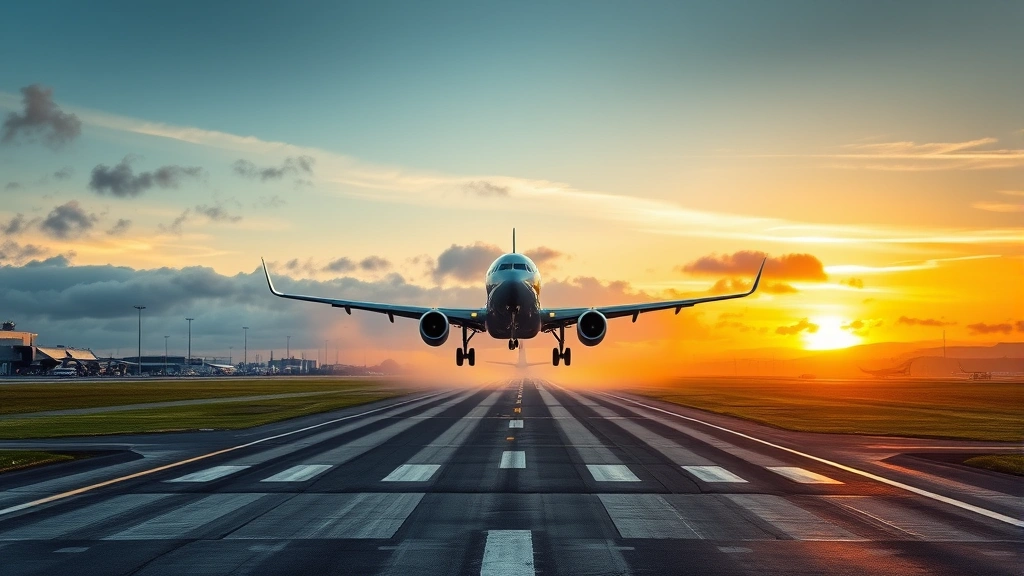
Wind conditions particularly influence Dublin operations. Strong crosswinds can limit runway operations, require longer takeoff distances, and affect landing procedures. Pilots calculate aircraft performance based on expected wind conditions, verifying that the aircraft can safely depart within runway length limitations. Wind shear—rapid changes in wind speed and direction—requires pilot vigilance during takeoff and landing phases, particularly in Dublin’s Atlantic-exposed location.
Visibility conditions frequently affect Dublin operations. Low visibility procedures require pilots to conduct instrument approaches, following precise navigation guidance to locate the runway. Pilots must verify that visibility remains above minimums for their equipment and training level. Ground fog or heavy precipitation can reduce visibility rapidly, sometimes requiring flights to divert to alternate airports.
Temperature inversions create conditions where cold air near the surface traps warmer air above, potentially affecting aircraft performance calculations. Pilots account for temperature when calculating aircraft takeoff performance, ensuring that the aircraft achieves safe flying speeds before reaching runway end.
Severe weather—including thunderstorms—can completely disrupt Dublin operations. Pilots monitor weather radar returns, SIGMET reports, and ground-based weather information to identify developing storms. Thunderstorms present hazards including lightning, hail, severe turbulence, and wind shear. Pilots will request route deviations or delay departures rather than penetrate severe weather systems. Lufthansa’s strict weather policies emphasize pilot authority to make conservative weather decisions without pressure from operational management.
The interaction between weather and turnaround timing creates operational complexity. Unexpected weather delays during turnaround can compress schedules, forcing pilots to make rapid decisions about crew rest requirements, passenger connections, and potential flight delays. Experienced pilots balance schedule pressure against safety requirements, always maintaining that safety represents the non-negotiable priority.
Maintenance & Technical Considerations
Turnaround maintenance operations ensure aircraft airworthiness for the next flight. Lufthansa’s maintenance teams conduct routine checks, fluid level verification, and system functionality testing during every turnaround. Pilots receive detailed briefings on any maintenance actions completed or deferred.
Deferred maintenance items—problems that don’t prevent safe flight but require attention during scheduled maintenance—must be documented and tracked. Pilots verify that deferred items don’t affect the immediate flight’s safety. Modern aircraft systems provide extensive self-diagnostics, alerting crews to potential issues. Pilots interpret these alerts in consultation with maintenance personnel, determining whether issues require immediate correction or can be deferred.
Tire condition monitoring represents a critical maintenance function. Aircraft tires endure extreme stress during takeoff and landing, and tire failures during flight can create emergency situations. Ground crews inspect tires for wear, damage, and pressure. Pilots review tire condition reports and approve aircraft for departure only when tires meet airworthiness standards.
Engine condition monitoring systems provide real-time data on engine performance. Pilots review engine parameters, comparing actual performance against expected values. Unusual engine parameters might indicate developing problems requiring maintenance investigation before departure. This proactive approach prevents mid-flight engine issues that could compromise flight safety.
Crew Management & Regulatory Compliance
Flight and cabin crew management during turnarounds ensures compliance with duty time regulations and crew rest requirements. European Aviation Safety Agency (EASA) regulations strictly limit flight crew duty time, requiring mandatory rest periods. Pilots and flight attendants must remain within these regulatory limits, affecting turnaround scheduling and crew planning.
Crew fatigue represents a genuine safety concern in modern aviation. Pilots understand that fatigue impairs judgment, reaction time, and decision-making capability. Lufthansa’s fatigue risk management programs emphasize that crews should self-report fatigue issues without fear of schedule disruption. This safety culture ensures that fatigued crews don’t operate aircraft, protecting passengers and crew members.
Relief crew coordination becomes necessary on longer routes. If LH980 operates as a long-haul flight requiring relief crews, pilots must coordinate handover procedures, ensuring that incoming crews understand aircraft status, weather conditions, and any technical issues. This handover process, conducted with detailed briefings and documentation review, ensures continuity of safe operations.
Training and proficiency requirements continue throughout pilots’ careers. Lufthansa requires regular simulator training, route-specific training for new airports, and recurrent training on aircraft systems. Pilots operating Dublin routes complete Dublin-specific training covering approach procedures, weather patterns, and emergency procedures relevant to Dublin Airport operations.
Future Developments in Aviation Operations
Modern aviation continues evolving with new technologies enhancing safety and efficiency. Advanced flight management systems provide increasingly precise navigation, fuel optimization, and weather avoidance capabilities. Artificial intelligence applications assist with flight planning and predictive maintenance, potentially improving turnaround efficiency.
Sustainable aviation fuel (SAF) represents an emerging development affecting aircraft operations. Lufthansa has committed to increasing SAF usage, which affects fuel calculations and engine performance parameters. Pilots must understand how SAF affects aircraft performance, as different SAF blends may have slightly different characteristics than traditional jet fuel.
Electric and hybrid-electric aircraft development could transform short-haul operations like Dublin routes. While these technologies remain under development, they promise reduced emissions and potentially lower operating costs. Pilots will require new training and procedures to operate these revolutionary aircraft types.
For insights into various flight operations and crew perspectives, exploring flight attendant salary information and career paths helps understand the broader aviation industry context.
FAQ
How long does a typical Lufthansa LH980 Dublin turnaround take?
Standard turnaround times range from 45 to 90 minutes depending on aircraft type, service requirements, and ground handling efficiency. International flights typically require longer turnarounds than domestic operations due to customs procedures and more extensive passenger processing.
What safety checks do pilots perform during Dublin turnarounds?
Pilots conduct external walk-around inspections, verify aircraft system functionality, review maintenance logs, check fuel quality and quantity, and confirm weight and balance calculations. First officers conduct internal cabin checks and verify emergency equipment status.
How do pilots calculate fuel requirements for Dublin departures?
Fuel calculations account for route distance, expected winds, aircraft weight, destination weather, alternate airport requirements, and regulatory reserve fuel mandates. Pilots use flight planning software and cross-check calculations independently before authorizing fuel loading.
What happens if maintenance issues are discovered during turnaround?
Pilots evaluate whether issues affect flight safety. Critical issues require resolution before departure. Minor issues may be deferred to scheduled maintenance with appropriate documentation. Pilots retain authority to delay or cancel flights if unresolved safety concerns exist.
How do Dublin’s weather patterns affect flight operations?
Dublin’s Atlantic location creates rapidly changing weather including wind shear, low visibility, and precipitation. Pilots monitor weather continuously, adjusting flight plans and requesting runway changes as needed. Severe weather can cause flight delays or diversions to alternate airports.
Are there specific training requirements for Dublin operations?
Yes, pilots operating Dublin routes complete Dublin-specific training covering approach procedures, weather patterns, runway configurations, and emergency procedures. This specialized training ensures pilots understand Dublin’s unique operational characteristics.
How do crew rest regulations affect Dublin turnarounds?
European Aviation Safety Agency regulations strictly limit flight crew duty time, requiring mandatory rest periods. These regulations influence turnaround scheduling and crew planning, occasionally requiring additional crews for longer routes.
What communication systems connect pilots with ground operations during turnaround?
Pilots use radio communication with ground control, direct telephone lines with turnaround coordinators, and modern aircraft communication systems (ACARS) to exchange operational data with ground personnel. These systems ensure continuous coordination throughout turnaround procedures.