Packing Essentials for Flights: Expert Recommendations
Packing for air travel requires strategic planning to balance comfort, compliance, and convenience. Whether you’re embarking on a short regional flight or a long-haul international journey, knowing what to pack can significantly enhance your flying experience. Modern air travel demands that passengers understand both TSA regulations and practical comfort needs, ensuring nothing is forgotten and nothing problematic makes it through security.
The key to successful flight packing lies in understanding three fundamental categories: items that must stay in carry-on luggage, prohibited items that should never be packed, and comfort essentials that transform your cabin experience. This comprehensive guide draws from aviation industry experts, frequent flyer insights, and travel professionals to provide you with actionable packing strategies that work for any route, from Miami to Orlando flights to transcontinental adventures.
Carry-On Liquids and Toiletries
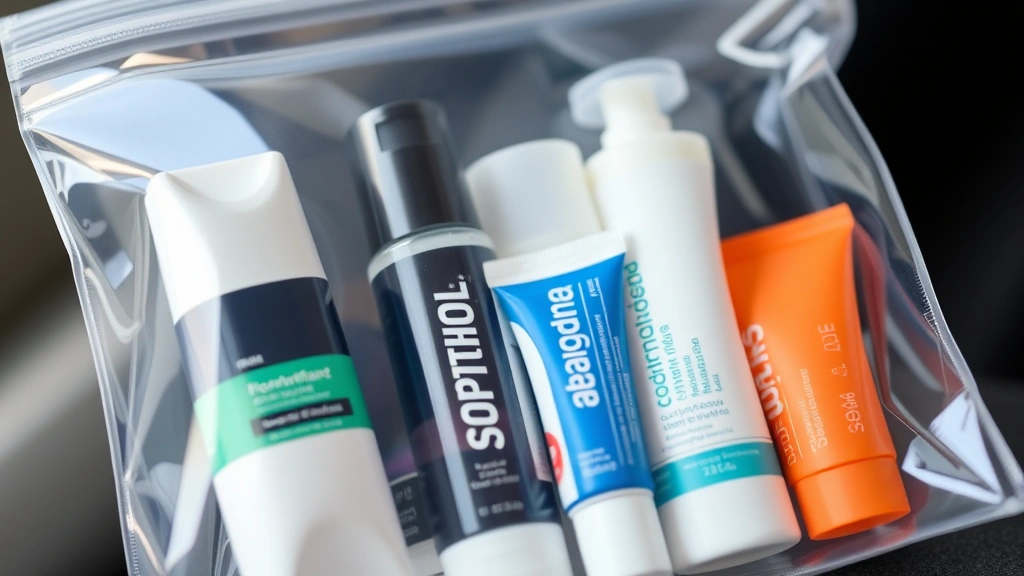
Understanding the 3-1-1 rule is fundamental for any air traveler. The TSA’s liquids rule permits containers of 3.4 ounces (100 milliliters) or smaller, with all containers fitting into a single quart-sized clear plastic bag. This applies to gels, creams, pastes, and aerosols—not just traditional liquids. Many travelers make the mistake of packing full-sized shampoo bottles or deodorant cans, only to have them confiscated at security.
For your carry-on toiletry kit, prioritize multi-purpose items. A quality moisturizer with SPF serves double duty for face and lips. Travel-sized dry shampoo refreshes hair without requiring water. Solid deodorant sticks comply with regulations more reliably than aerosols. Consider solid toothpaste tablets that dissolve in water, eliminating liquid paste entirely. Lip balm, solid perfume, and powder-based makeup avoid liquid restrictions altogether.
Pack these items in your quart bag: travel toothpaste, miniature deodorant, small moisturizer, lip balm, and any prescription medications. Keep this bag easily accessible in your carry-on, as you’ll remove it during security screening. If you’re traveling with a partner, coordinate your packing to avoid duplicate items and maximize space efficiency, similar to strategies covered in our guide about booking flights for multiple people.
Many airports now feature post-security retail shops where you can purchase full-sized toiletries after clearing security. This eliminates the need to pack liquids entirely for shorter trips. However, always plan ahead, as airport prices significantly exceed retail norms—expect to pay 2-3 times standard prices for basic items.
Electronics and Chargers
Electronic devices have become non-negotiable flight companions. Your smartphone, tablet, or laptop provides entertainment, communication, and productivity throughout your journey. Pack all charging cables in a dedicated electronics pouch to prevent tangling and easy access during security screening. Modern TSA procedures require removing larger electronics from bags, so keep them accessible.
Battery banks have become essential for extended travel. Modern portable chargers range from 10,000mAh capacity (charges most phones 2-3 times) to 50,000mAh behemoths. The FAA permits battery banks in carry-on luggage but restricts them in checked baggage due to fire risk. Always verify your specific battery capacity complies with airline regulations before traveling.
Universal power adapters are critical for international flights. Rather than packing multiple regional adapters, invest in a single universal adapter that works across different outlet types. Quality USB-C hubs combine charging ports with HDMI outputs, allowing you to work or watch content on larger screens. Don’t forget headphones—noise-canceling options justify their cost on flights where cabin noise reaches 80+ decibels.
Ensure all electronics are charged before arriving at the airport. Many gate areas now feature USB charging stations, but availability varies widely. Modern aircraft increasingly offer seat-back power outlets and USB ports, but relying on these creates unnecessary stress. A fully charged device guarantees entertainment and connectivity regardless of aircraft type or gate amenities.
Clothing Considerations
Aircraft cabins maintain temperatures between 68-72°F, yet passengers often experience temperature fluctuations. Pack a lightweight cardigan, fleece jacket, or pashmina wrap in your carry-on to adjust comfort levels throughout your flight. These items also provide psychological comfort, offering a sense of personal space in cramped seating environments.
Wear comfortable, loose-fitting clothing for flights. Tight waistbands restrict circulation and increase DVT (deep vein thrombosis) risk on longer flights. Compression socks offer graduated pressure that promotes blood circulation, reducing swelling in feet and ankles—especially valuable for long-haul flights. Merino wool varieties regulate temperature while preventing odor accumulation.
Footwear deserves special consideration. Slip-on shoes facilitate rapid TSA security passage and easy removal during flight. Avoid new shoes that haven’t been broken in, as airplane cabins provide limited movement space. Thick socks provide comfort and warmth while reducing shoe pressure on swollen feet. Pack an additional pair of socks in your carry-on for mid-flight changes.
Layering proves essential for temperature management. A base layer moisture-wicking shirt, mid-layer fleece, and outer layer jacket provide flexibility for various cabin conditions. Dark-colored clothing hides wrinkles and minor spills better than light colors. If your flight arrives late evening, consider packing pajamas in your carry-on for immediate comfort upon arrival.
Health and Wellness Items
Maintaining wellness during air travel requires proactive planning. Dehydration affects 30-50% of air travelers due to cabin humidity levels dropping to 10-20% (comparable to deserts). Pack a reusable water bottle and fill it after clearing security. Modern airports feature numerous water fountains and refill stations specifically designed for travelers.
Medications require special packing protocols. Keep all prescription medications in original labeled containers within your carry-on bag—never pack medications in checked luggage, as lost baggage means lost medications. Bring documentation from your physician if carrying controlled substances or large quantities. Over-the-counter medications like pain relievers, antihistamines, and anti-nausea remedies address common flight discomforts.
Motion sickness affects many travelers. Ginger supplements, acupressure wristbands, or prescription medication like scopolamine patches prevent nausea without drowsiness. Pack these items before your flight, as purchasing at airports proves expensive and time-consuming. Natural remedies like peppermint candies or ginger lozenges offer relief without side effects.
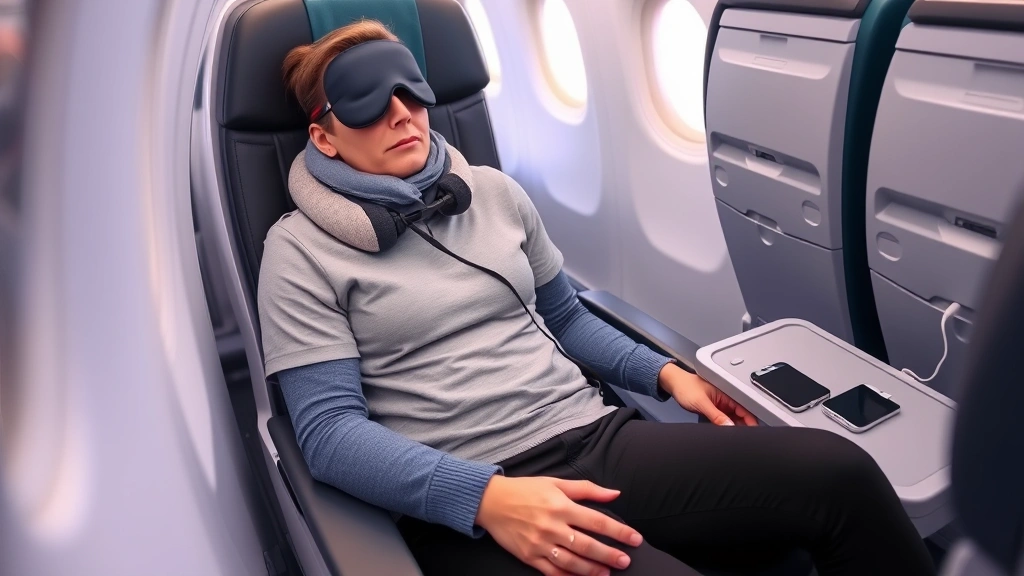
Sleep aids merit consideration for overnight flights or early morning departures. Melatonin supplements help reset circadian rhythms for long-distance travel. Blackout eye masks and foam earplugs create optimal sleeping conditions despite cabin activity. Neck pillows with memory foam provide cervical support during extended periods in fixed seating positions.
Documents and Travel Essentials
Documentation represents your flight’s foundation. Maintain copies of your passport, driver’s license, and travel insurance in both physical and digital formats. Store digital copies in cloud-based services (Google Drive, iCloud, OneDrive) accessible from any internet-connected device. Physical copies provide backup if your phone dies or internet access fails.
Your boarding pass—whether printed or digital—must be readily accessible. Most travelers now use airline mobile apps for digital boarding passes, eliminating paper entirely. However, maintain a printed backup in case your phone malfunctions. Arrive at the airport with your booking confirmation number readily available to expedite check-in processes.
Travel insurance documentation should be packed even if you hope never to need it. Policy numbers, emergency contact information, and coverage details protect you if unexpected situations arise. Medical tourism travel insurance covers emergency healthcare abroad, evacuation services, and trip cancellation—invaluable protection for international adventures.
Currency and payment methods require strategic packing. Carry small amounts of local currency (obtained before departure or at airport exchanges) for immediate ground transportation needs. Credit cards with no foreign transaction fees provide primary payment methods. Notify your bank of travel dates to prevent fraud-triggered account freezes.
Prohibited Items Guide
Understanding what cannot fly prevents security delays and confiscation. Sharp objects including knives, razors, and scissors exceeding 7cm length are prohibited in carry-on bags. Pack these items in checked luggage only. Larger tools, sporting equipment, and firearms require specific airline approval and TSA clearance before arrival.
Flammable items pose serious safety risks and face strict restrictions. Lighter fluid, paint thinner, and cleaning solvents are completely prohibited. Aerosol cans (deodorant, hair spray, insect repellent) are restricted to one container per passenger in checked baggage only. Matches and lighters have specific carriage limitations—consult your airline’s hazmat guidelines for precise regulations.
Sporting equipment restrictions vary by airline. Firearms and ammunition require unloaded transport in locked cases within checked baggage. Sporting goods like ski poles, baseball bats, and golf clubs may be carried but require advance approval. Contact your specific airline before arriving at the airport to confirm whether your equipment meets their policies.
Lithium batteries present particular challenges. While small batteries powering personal devices are permitted, spare lithium batteries face strict limitations. Batteries exceeding 100 watt-hours are prohibited entirely. This affects travelers carrying backup batteries for cameras, laptops, or power tools. Always verify battery specifications before packing.
TSA PreCheck Advantages
TSA PreCheck membership ($78-85 for five years) streamlines security screening through designated PreCheck lanes. Members keep shoes, belts, and light jackets on during screening. Laptops and liquids remain in bags, dramatically reducing processing time. For frequent travelers, PreCheck membership pays for itself within 3-5 trips through time savings alone.
Global Entry—TSA PreCheck’s international counterpart—costs $100 for five years and includes PreCheck benefits plus expedited customs screening upon returning to the United States. Serious international travelers find this investment essential, particularly when connecting through major hubs. Processing times shrink from 30+ minutes to under 5 minutes in many cases.
Trusted Traveler programs extend beyond TSA PreCheck. NEXUS, SENTRI, and other programs serve specific border crossings and transportation modes. Combining PreCheck with airline frequent flyer status creates optimized airport experiences, allowing you to navigate security and boarding with minimal friction.
Application requirements include in-person interviews at designated enrollment centers. Schedule appointments months in advance during peak travel seasons. Bring valid identification, proof of citizenship, and supporting documents as specified by TSA. The brief interview confirms identity and background, after which approval typically follows within weeks.
PreCheck membership integrates seamlessly with TSA’s official systems, automatically flagging your reservation when you book flights using your known traveler number (KTN). Modern airline booking systems prompt for KTN entry, ensuring your PreCheck status appears on boarding passes and gate systems.
Packing Organization Strategies
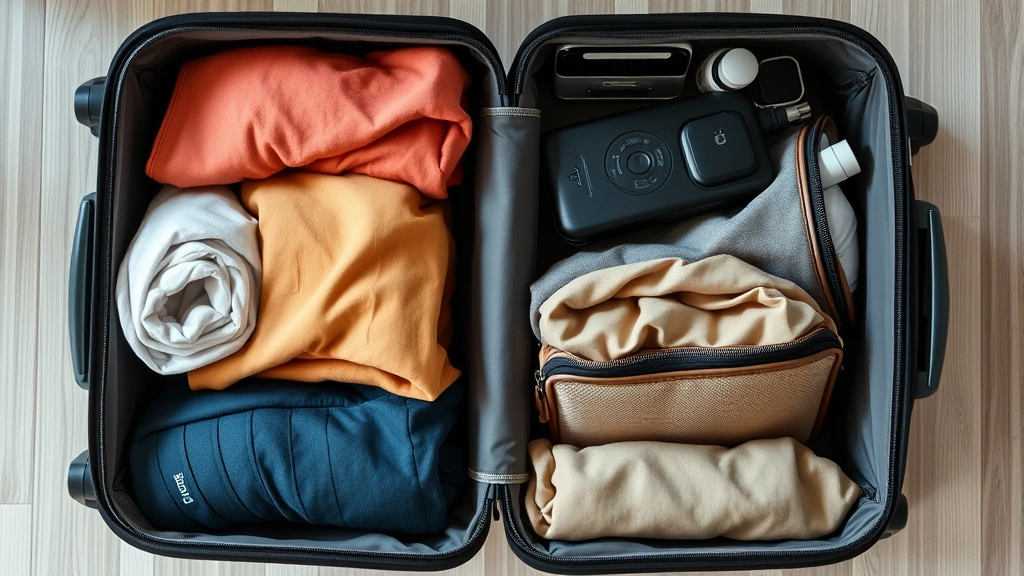
Effective packing employs systematic organization techniques. Roll clothing rather than folding to maximize luggage space and minimize wrinkles. Compression bags reduce volume by 50-75%, critical for travelers with luggage restrictions. Packing cubes compartmentalize items by category—one cube for underwear, another for shirts, a third for electronics—facilitating quick location of needed items.
Weight distribution matters significantly for wheeled luggage. Place heavier items near the wheel base to maintain balance and prevent tipping. Distribute weight evenly between left and right sides to prevent strain injuries when rolling luggage. Check your airline’s baggage allowance before packing—standard limits are 50 pounds checked, 22 pounds carry-on, but premium cabins often permit higher weights.
Create a packing checklist specific to your trip length and destination. Different climates require different items—tropical destinations need sunscreen and lightweight clothing, while cold regions demand thermal layers and heavy outerwear. Review your checklist 24 hours before departure to confirm everything is packed.
Keep essential items separate from bulk luggage. Your carry-on should contain medications, electronics, valuables, and one change of clothing in case checked baggage is delayed. This strategy ensures you can function normally even if your checked bag arrives days late—a scenario affecting 0.3% of checked baggage annually.
For business travelers and frequent flyers, maintain a pre-packed toiletry kit permanently stored in your carry-on. Keep this kit stocked with TSA-compliant travel sizes, eliminating repacking time before each trip. Similarly, maintain a small electronics kit with all necessary cables permanently ready for travel.
FAQ
Can I pack a full-sized deodorant in my carry-on?
Aerosol deodorant is prohibited in carry-on luggage but permitted in checked baggage (maximum one container per passenger). Solid stick deodorant faces no restrictions and works equally well. Pack solid deodorant in carry-on or transfer to travel-sized containers.
Are phone chargers allowed in carry-on luggage?
Yes, standard phone chargers and USB cables are permitted in carry-on bags without restriction. Battery banks under 100 watt-hours are also allowed in carry-on. Larger batteries (100-160 watt-hours) require airline approval. Batteries exceeding 160 watt-hours are prohibited entirely.
What happens if I forget my boarding pass?
Modern airlines can reissue boarding passes at check-in counters or gate agents using your booking confirmation number and identification. Digital boarding passes stored in airline apps provide backup access. However, always maintain at least one physical copy as emergency backup.
Can I bring a full water bottle through security?
No, full liquid containers are prohibited through security checkpoints. However, empty water bottles can pass through security, and you can fill them at water fountains or refill stations beyond the security checkpoint. Many airports feature bottle-filling stations specifically for travelers.
Are prescription medications subject to the 3-1-1 rule?
No, prescription medications in original labeled containers are exempt from the 3-1-1 liquid restriction. Maintain medications in your carry-on bag. Bring documentation from your physician if carrying large quantities or controlled substances.
What’s the best carry-on luggage size?
Standard carry-on dimensions are 22 x 14 x 9 inches (56 x 36 x 23 centimeters). Most airlines strictly enforce these limits. Measure your luggage before purchasing to ensure compliance. Luggage slightly larger than standard may not fit in overhead bins on regional aircraft.