NYC to Paris Flight Time? Expert Breakdown
Planning a transatlantic journey from New York to Paris? One of the first questions travelers ask is: how long will the flight actually take? The answer isn’t as straightforward as you might think. While a nonstop flight from New York City to Paris typically takes between 7 to 8 hours, numerous factors can significantly impact your total travel time, from wind patterns to airport procedures.
This comprehensive guide breaks down everything you need to know about NYC to Paris flight duration, including what happens during those hours in the air, how to optimize your travel experience, and practical tips for managing jet lag and comfort on this popular transatlantic route.
Standard Flight Duration Explained
A direct flight from New York City (primarily from JFK, LaGuardia, or Newark airports) to Paris Charles de Gaulle Airport typically lasts between 7 to 8 hours of actual flight time. This is the standard duration you’ll see listed on airline websites and booking platforms. However, it’s important to understand that this represents the time from wheels up to wheels down—not your total travel experience.
The actual flight time can vary slightly depending on which New York area airport you depart from. JFK to Paris CDG is generally around 7.5 hours, while Newark to Paris might be slightly longer at 7 hours 45 minutes. These variations occur due to different flight paths and air traffic control routing.
When you factor in pre-flight procedures, boarding, taxiing, and post-landing customs and immigration procedures, your total time from arriving at the airport to exiting the Paris terminal can easily stretch to 10-11 hours. This is crucial information for planning your travel day and understanding when you’ll actually arrive at your destination.
For comparison, if you’re interested in similar transatlantic routes, check out our guide on NYC to London flight time, which follows a similar pattern with slightly different duration due to London’s geographic position.
Factors Affecting Your Flight Time
Several variables can impact how long your actual flight takes, sometimes by 30 minutes to an hour or more:
- Jet Stream Winds: The North Atlantic jet stream significantly affects eastbound and westbound flights differently. Flying eastbound (NYC to Paris) typically benefits from favorable tailwinds, reducing flight time. Westbound flights face headwinds, making return flights longer. During winter months, jet streams are strongest and can save 30-45 minutes on eastbound transatlantic flights.
- Seasonal Weather Patterns: Winter storms, hurricane season considerations, and general weather patterns can force aircraft to take longer routes, adding 15-30 minutes to flight duration. Summer typically offers more direct routing options.
- Air Traffic Congestion: Both New York area airports and Paris Charles de Gaulle are among Europe’s busiest airports. Peak travel times can result in longer holding patterns, delayed departures, and extended taxi times that add 20-40 minutes to your journey.
- Aircraft Type: Modern aircraft like the Boeing 787 Dreamliner and Airbus A350 are slightly faster than older models. These newer planes might shave 10-15 minutes off your flight time compared to Airbus A330 or Boeing 777 aircraft.
- Flight Path and Routing: Air traffic control assigns specific flight paths based on current conditions. Some routes are more direct than others, and oceanic routing can vary significantly based on traffic flow management.
Understanding these factors helps explain why two flights on the same route might have different durations. When booking, timing matters for both price and flight duration.
Jet Lag and Time Zone Changes
While your flight takes 7-8 hours, you’re also dealing with a significant time zone shift. Paris is 6 hours ahead of New York (Eastern Standard Time). This means if you depart at 6:00 PM from New York, arriving at 8:00 AM the next morning in Paris, your body thinks it’s only 2:00 AM.
This eastbound travel is generally easier to manage than westbound flights, as you’re “losing” time rather than gaining it. Most travelers find they can adjust to Paris time within 2-3 days, though individual experiences vary. The key is staying hydrated during your flight, avoiding excessive alcohol, and getting sunlight exposure upon arrival.
For detailed strategies on managing long flights, our essential tips for long haul flights guide covers specific techniques used by frequent travelers to minimize jet lag effects.
Airline Options and Flight Schedules
Several airlines operate the NYC to Paris route, each with different aircraft, service levels, and flight durations:
- Air France: The primary carrier on this route, operating multiple daily flights from New York area airports to Paris CDG. Air France typically offers evening departures, allowing you to arrive mid-morning in Paris.
- Delta Air Lines: Operates transatlantic service with both evening and daytime departure options. Delta’s partnership with Air France and KLM provides routing flexibility.
- United Airlines: Offers regular nonstop service with modern aircraft. United’s hub at Newark provides convenient access to this route.
- JetBlue Airways: A newer entrant to transatlantic service, offering competitive pricing and modern Airbus A321LR aircraft on select dates.
When considering best airlines for long flights, Paris routes are well-served by carriers that have optimized the transatlantic experience. Each airline’s actual flight time varies slightly, typically within 15-20 minutes of the standard 7.5-hour duration.
Flight schedules matter significantly. Evening departures (5:00 PM – 8:00 PM) are most common, arriving in Paris between 7:00 AM – 10:00 AM the next day. Some airlines offer afternoon departures, landing in Paris in the early evening. Your choice affects not just flight time but your entire itinerary and jet lag experience.
Preparing for Your Transatlantic Journey
Understanding flight duration helps you prepare properly. Here’s what you should know:
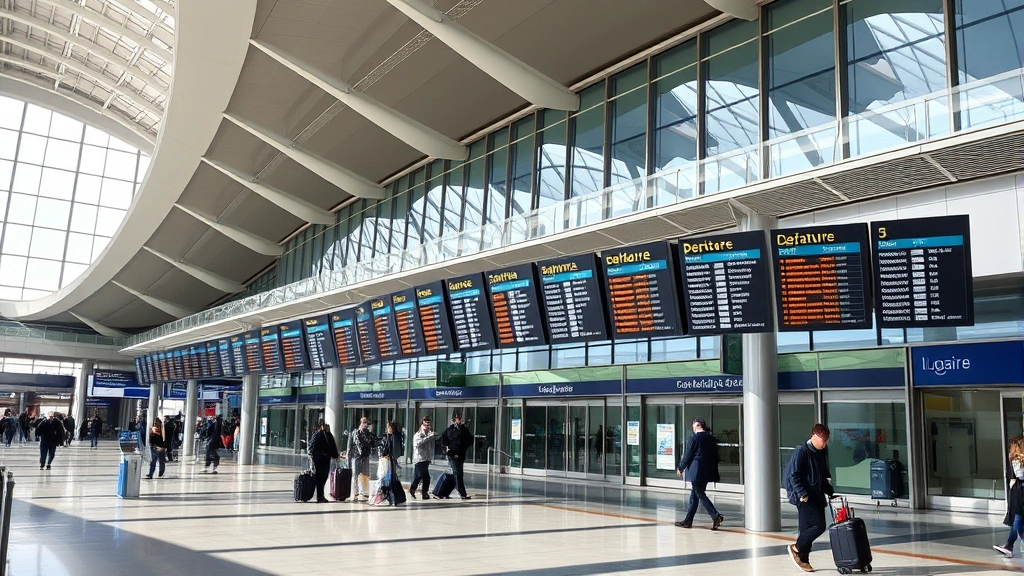
Arrive at the Airport Early: For international flights to Paris, plan to arrive 3 hours before departure. This gives you time for check-in, security screening, and any potential delays. You’ll want to be at the gate 30 minutes before departure.
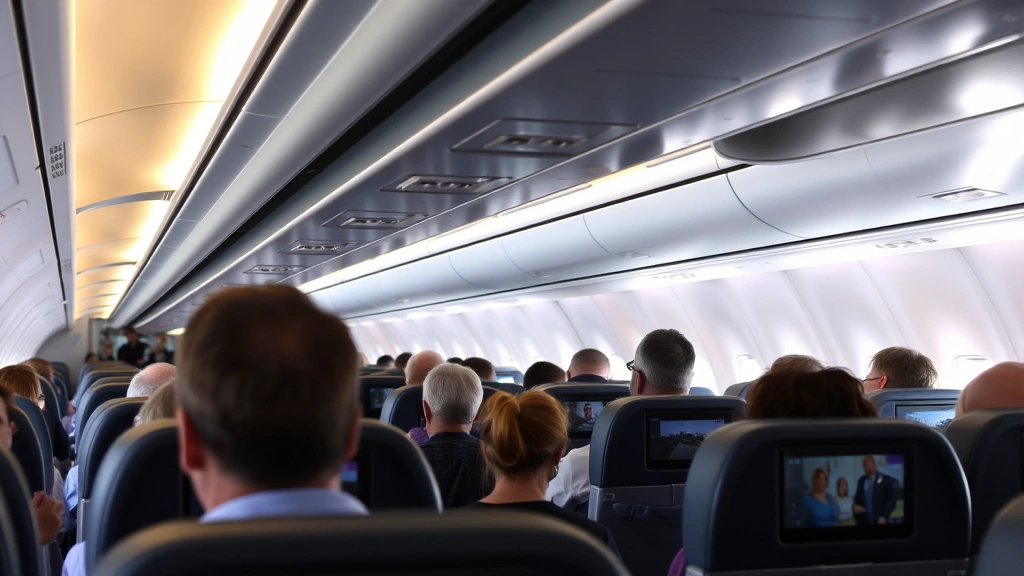
In-Flight Comfort Considerations: With 7-8 hours in the air, comfort matters. Wear loose clothing, bring compression socks, and plan to move around the cabin periodically. Premium cabin options (business or premium economy) offer lie-flat beds or extra recline, which many travelers find worthwhile for this duration.
Entertainment and Connectivity: Modern transatlantic aircraft feature seatback entertainment systems with hundreds of movies, TV shows, and games. Most aircraft also offer WiFi, though connection quality varies. Download offline content as backup for your 7-8 hour flight.
Meal Service Timing: Most evening departures offer dinner service shortly after takeoff, then breakfast service 1-2 hours before landing. This timing helps your body adjust to Paris time—eating breakfast as you arrive helps signal your system that it’s morning.
If you’re booking flights for multiple people, coordinating your seating and meal preferences across all passengers ensures a better group experience.
Booking Strategies and Timing
Your flight time influences when you should book and how you should structure your trip:
Seasonal Considerations: Summer flights (June-August) tend to be busier and may experience longer flight times due to air traffic congestion and potential diversions around weather systems. Spring and fall offer more predictable flight durations with less congestion.
Day of Week Impact: Midweek flights (Tuesday-Thursday) typically experience less air traffic congestion than weekend flights, potentially resulting in shorter actual flight times and more punctual arrivals.
Connecting Flight Considerations: If you have a connecting flight from New York to Paris, then onward to another European destination, remember your 7-8 hour flight time when planning connections. Most travelers recommend at least 2-3 hours for international connections in Paris.
Visit Sky Voyage Hub Blog for regular updates on transatlantic travel trends, airline reviews, and booking strategies that can help optimize your Paris travel experience.
Price vs. Time Trade-offs: While direct flights take 7-8 hours, connecting flights through European hubs might take 10-14 hours but could offer lower fares. Consider whether the 3-6 hour time difference justifies potential savings. For most travelers, the direct flight’s time efficiency outweighs the cost premium.
FAQ
How many hours is the flight from NYC to Paris?
A nonstop flight from New York to Paris takes approximately 7 to 8 hours of actual flight time. Most flights average around 7 hours 30 minutes. However, total travel time including airport procedures, boarding, and landing can reach 10-11 hours.
Is there a time difference between New York and Paris?
Yes, Paris is 6 hours ahead of New York Eastern Standard Time (EST). During Daylight Saving Time periods, the difference can be 5 hours. When you arrive in Paris after a 7-hour flight departing at 6:00 PM, it will be 8:00 AM the next day in Paris, but only 2:00 AM New York time for your body.
Which airlines offer the fastest flights to Paris?
Most major airlines (Air France, Delta, United, JetBlue) operate this route with similar flight times, typically 7-8 hours. Flight duration depends more on weather conditions, air traffic, and routing than the specific airline. Air France, as the national carrier, has optimized this route extensively.
Do eastbound flights (NYC to Paris) take less time than westbound?
Yes, typically. Eastbound flights benefit from the jet stream’s tailwinds, often reducing flight time by 20-45 minutes compared to westbound flights. A Paris to New York flight might take 8-9 hours, while NYC to Paris takes 7-8 hours, all else being equal.
What’s the best time to fly to minimize flight duration?
Late evening departures (6:00 PM – 8:00 PM) are most common and benefit from evening jet stream patterns. Winter months typically have stronger jet streams, potentially reducing flight time. Avoid summer peak season if you want less air traffic congestion.
How much time should I plan for airport procedures?
Plan to arrive 3 hours before international departure. Factor in 30 minutes for check-in, 30 minutes for security, and 30 minutes for reaching your gate. This leaves a 1-hour buffer for unexpected delays. Upon arrival in Paris, budget 45 minutes to 1 hour for immigration, customs, and baggage claim.
Are there any nonstop alternatives to Paris?
From New York area airports, you can also fly nonstop to London (similar duration), but Paris is the most direct European option. Some travelers connect through other hubs, but this extends total travel time significantly.
What should I do during a 7-8 hour flight?
Use in-flight entertainment systems, read, sleep if possible, and move around the cabin every 1-2 hours to prevent blood clots on long flights. Stay hydrated, avoid excessive alcohol, and consider compression socks. Premium cabin passengers can sleep on lie-flat beds, making the journey more restful.