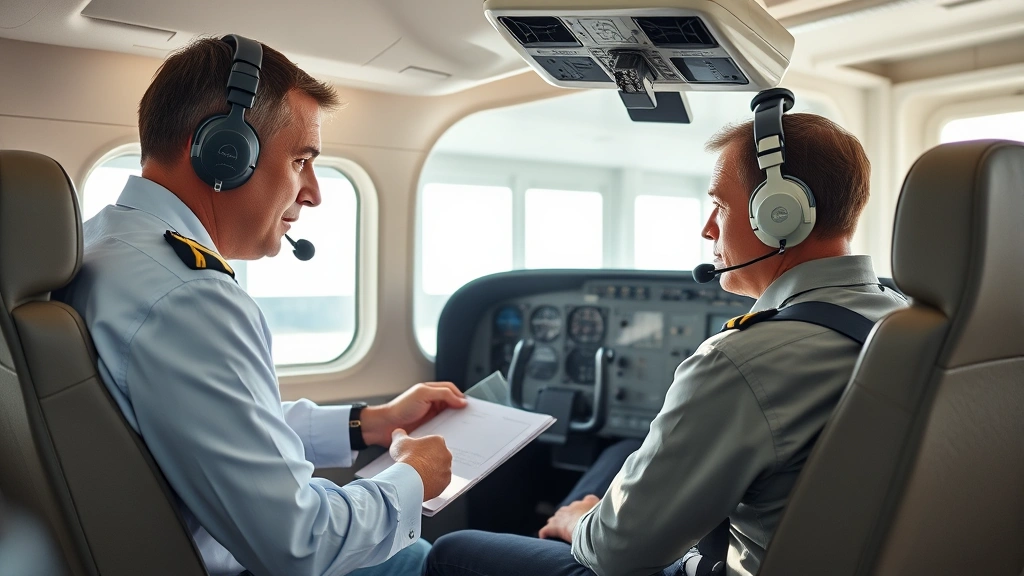
Flight School Part 61: Expert Insights
Part 61 flight training represents one of the most flexible and individualized pathways to earning your pilot certificate in the United States. Unlike Part 141 programs offered by certified flight schools, Part 61 training operates under Federal Aviation Administration regulations that allow for greater customization, self-paced learning, and direct instructor-student relationships. Whether you’re pursuing a private pilot license, commercial certificate, or advanced ratings, understanding the nuances of Part 61 can significantly impact your training timeline, costs, and overall aviation career.
This comprehensive guide draws from industry experts, certified flight instructors, and successful pilots who have navigated the Part 61 pathway. We’ll explore the regulatory framework, practical advantages and disadvantages, cost considerations, and strategic insights that can help you make informed decisions about your flight training journey. The aviation training landscape has evolved considerably, and Part 61 programs now offer sophisticated alternatives to traditional flight schools.
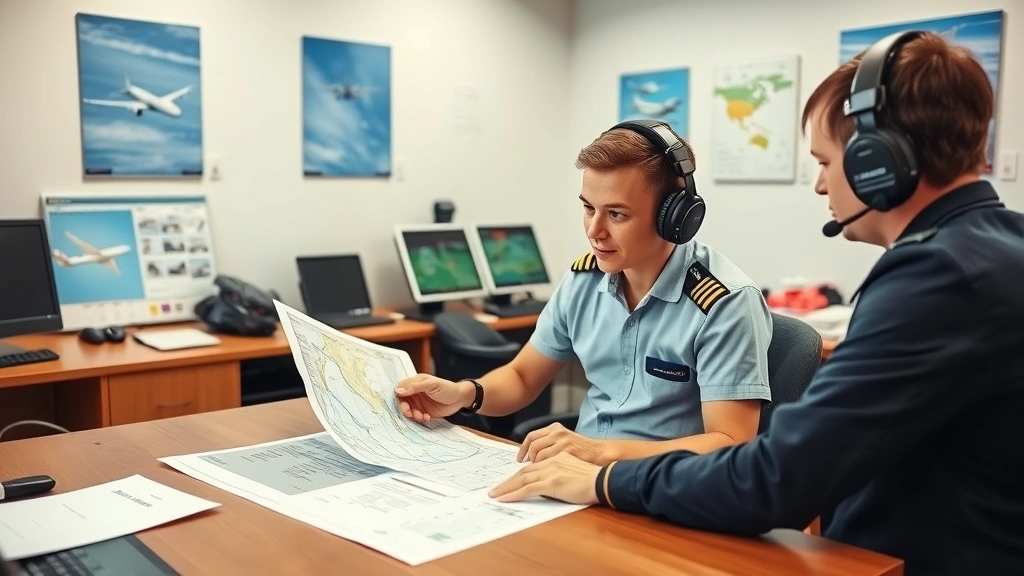
Understanding FAA Part 61 Regulations
Part 61 of the Federal Aviation Regulations establishes the certification requirements and operating rules for pilots, flight instructors, and ground instructors in the United States. This regulatory framework, maintained by the Federal Aviation Administration, provides the foundational structure for individual flight training arrangements. Part 61 allows qualified flight instructors to conduct training independently, without requiring affiliation with an approved flight school.
The core principle of Part 61 is flexibility within regulatory boundaries. Instructors must hold valid certificates and maintain currency requirements, but they have substantial latitude in curriculum design, training methodology, and scheduling. This contrasts sharply with Part 141, where every aspect of training must follow an FAA-approved curriculum. Part 61 requires students to log specific minimum flight hours and demonstrate competency in required knowledge areas, but the path to achieving these standards can vary considerably.
Key regulatory elements include aeronautical knowledge requirements, flight proficiency standards, and testing procedures. The FAA publishes detailed guidance through airman certification standards, which outline the knowledge, skills, and attitudes necessary for each certificate level. Understanding these standards is essential before beginning Part 61 training.

Part 61 vs. Part 141: Key Differences
The distinction between Part 61 and Part 141 flight training fundamentally shapes the pilot certification experience. Part 141 operates through FAA-approved flight schools with structured curricula, standardized syllabi, and rigorous quality controls. Part 61 enables independent instruction with customized training plans tailored to individual student needs and learning paces.
Curriculum Structure: Part 141 schools must follow FAA-approved curricula with specific lesson progressions and checkride preparation standards. Part 61 instructors develop training plans based on student goals but have flexibility in sequencing and methodology. This means Part 61 students might complete their private pilot training in a more personalized manner.
Minimum Flight Hours: Part 141 students typically require 60-70 hours for private pilot certification, while Part 61 requires a minimum of 60 hours but often involves 70-100+ hours for adequate preparation. The reduced minimums in Part 141 reflect structured, efficient training, though individual results vary significantly.
Checkride Preparation: Part 141 schools provide formal checkride preparation integrated into the curriculum. Part 61 students rely on their instructor’s expertise and supplemental resources. Many successful Part 61 students engage specialized checkride preparation instructors or programs before their practical exam.
Scheduling Flexibility: Part 61 offers unparalleled scheduling flexibility, accommodating working professionals and students with unpredictable availability. Part 141 schools operate on fixed schedules, though some offer accelerated or part-time options. This flexibility makes Part 61 attractive for busy professionals pursuing aviation as a career change.
When considering flight training options, the choice between Part 61 and Part 141 should reflect your learning style, financial situation, and timeline preferences.
Advantages of Part 61 Flight Training
Part 61 training offers distinct advantages that appeal to diverse pilot candidates with varying backgrounds and aspirations. Understanding these benefits helps explain why thousands of pilots choose this pathway annually.
Personalized Instruction: Part 61 allows instructors to tailor training specifically to student strengths, weaknesses, and learning preferences. If you excel at procedural flying but struggle with cross-country navigation, your instructor can allocate additional time accordingly. This customization often results in deeper skill development and more confident pilots.
Cost Efficiency: Part 61 training frequently costs less than Part 141 programs, particularly when working with independent instructors operating from smaller airports. You pay only for flight hours and instruction you actually use, without administrative overhead associated with larger flight schools. This economic advantage makes professional aviation careers more accessible.
Instructor Relationships: Part 61 training fosters close instructor-student relationships built over months of training. Your instructor becomes invested in your success, often providing mentorship extending beyond certification requirements. These relationships frequently evolve into professional networking connections valuable throughout aviation careers.
Flexible Timeline: Whether you’re training intensively over three months or spreading training across a year, Part 61 accommodates your schedule. This flexibility proves invaluable for working professionals who need to balance career responsibilities with pilot training. Unlike Part 141 programs with fixed cohort schedules, Part 61 students control their progression pace.
Airport Selection: Part 61 training isn’t restricted to major airports with flight schools. You can train at smaller, less congested airports, which often provides better learning environments for building foundational skills. Many experienced instructors prefer training from regional airports where airspace complexity is lower and aircraft availability more reliable.
Aircraft Flexibility: Part 61 students can train in various aircraft types, potentially accelerating transition to different airplane categories. This flexibility enables efficient training if you eventually plan to fly complex or high-performance aircraft professionally.
Challenges and Considerations
Despite significant advantages, Part 61 training presents challenges that prospective pilots should carefully consider before committing to this pathway.
Instructor Variability: Part 61 success depends entirely on instructor quality. Unlike Part 141 schools with quality assurance processes, Part 61 instructors operate independently with minimal oversight beyond certification requirements. Finding an excellent instructor requires research, recommendations, and careful vetting. A mediocre instructor can significantly extend training timelines and inflate costs.
Lack of Structure: While flexibility appeals to many students, some thrive better with structured curricula. Part 61 requires students to take greater responsibility for learning progression and ensuring adequate preparation. Without institutional structure, students may miss important learning sequences or neglect knowledge areas.
Administrative Responsibility: Part 61 students must track their own training records, ensure instructors maintain proper certifications, and verify they’re meeting regulatory requirements. This administrative burden, while manageable, differs from Part 141 schools handling these details. Mistakes in record-keeping can complicate checkride scheduling or certificate issuance.
Checkride Preparation Uncertainty: Part 61 students don’t benefit from institutional checkride preparation systems. Success depends on instructor experience with checkride standards and student initiative in supplemental preparation. Some students struggle with the ambiguity of knowing whether they’re adequately prepared.
Longer Training Duration: Statistical data suggests Part 61 students typically require more flight hours than Part 141 graduates, extending training timelines and increasing costs. This reflects both regulatory minimums and the gradual progression of independent instruction compared to structured curricula.
Aircraft Availability: Independent instructors sometimes rely on rental aircraft from small operations, which can involve scheduling conflicts or mechanical downtime. Unlike larger flight schools with multiple aircraft, limited availability can delay training progression.
Cost Breakdown and Financial Planning
Understanding Part 61 costs requires analyzing multiple expense categories and comparing them across different training scenarios. While Part 61 often costs less than Part 141, individual situations vary considerably.
Flight Instruction Costs: Certified flight instructor rates typically range from $40-80 per hour, depending on experience, location, and aircraft type. A private pilot certificate requiring 70 flight hours at $60/hour instruction costs $4,200 in instruction alone. More experienced instructors commanding premium rates might charge $100+ hourly, while rural instructors may charge less.
Aircraft Rental: Rental aircraft costs range from $100-250+ per hour, depending on aircraft type, avionics, and location. Training typically uses basic single-engine aircraft costing $120-150/hour. A 70-hour private pilot program costs $8,400-10,500 in aircraft rental. Choosing more affordable aircraft significantly impacts total training costs.
Fuel Surcharges: Most aircraft rental rates include fuel, but some operators charge separately. Fuel costs fluctuate with market prices, affecting total expenses. Students should clarify fuel policies before committing to rental agreements.
Examination Fees: FAA knowledge tests cost $175, and practical exams (checkrides) typically cost $400-600 depending on examiner and location. Most students attempt these tests once, but failed attempts require additional fees.
Materials and Supplies: Ground school materials, study guides, written test prep software, and pilot supplies cost $300-800 total. Digital resources have reduced these expenses significantly compared to traditional textbook-based training.
Medical Certification: Third-class medical certificates required for most pilot operations cost $100-300 for the examination, plus $200-500 for AME visits. This represents a non-negotiable expense before beginning formal training.
When comparing costs with aviation-related expenses, Part 61 training typically represents the most cost-effective pathway to professional aviation credentials.
Finding Quality Part 61 Instructors
Instructor selection represents the most critical decision in Part 61 training success. A qualified, experienced instructor dramatically improves training efficiency, safety, and enjoyment.
Credentials and Experience: Verify instructors hold valid Certified Flight Instructor (CFI) certificates with appropriate ratings for your training goals. Check the FAA’s airmen database to confirm current certifications. Experience matters significantly—instructors with 500+ flight hours and multiple successful students typically provide superior instruction compared to newly certified instructors.
References and Reviews: Request references from previous students and contact them directly. Online aviation communities on forums and social media often provide honest assessments of local instructors. Reviews discussing communication style, patience, and checkride preparation success rate prove particularly valuable.
Teaching Philosophy: Interview potential instructors about their teaching approach. Do they emphasize understanding principles or memorizing procedures? How do they handle student mistakes? Do they encourage questions and critical thinking? Instructors aligned with your learning preferences provide more effective training.
Availability and Commitment: Confirm instructors can maintain consistent scheduling aligned with your training timeline. Instructors juggling multiple commitments or frequently canceling lessons can frustrate training progression. Discuss expectations regarding communication, lesson planning, and progress tracking.
Specialization and Currency: For advanced ratings or specialized training, seek instructors with specific expertise. Commercial pilot instructors, instrument instructors, and multi-engine instructors bring focused knowledge valuable for advanced certifications. Verify instructors maintain current flight experience in relevant aircraft types.
Trial Lessons: Many instructors offer trial flights allowing you to assess compatibility before committing. Use these opportunities to evaluate teaching style, communication clarity, and overall comfort level. First impressions matter, but don’t hesitate to try multiple instructors before deciding.
Training Timeline and Progression
Part 61 training timelines depend on student commitment, instructor availability, weather conditions, and individual learning pace. Realistic timeline planning prevents frustration and financial surprises.
Private Pilot Certificate: Students training intensively with favorable conditions might complete private pilot certification in 3-4 months with 60-80 flight hours. More typical timelines extend 6-12 months as students balance training with work and life responsibilities. Weather delays, aircraft maintenance, and instructor scheduling inevitably extend timelines beyond initial estimates.
Instrument Rating: Building on private pilot skills, instrument training typically requires 40-60 flight hours and 3-6 months. Instrument training demands higher concentration and weather-dependent practice, naturally extending timelines. Many professional pilots pursue this rating immediately after private certification, while others wait months or years.
Commercial Pilot Certificate: Commercial training requires 250 total flight hours (cumulative), 100 cross-country hours, and 50 hours in the aircraft category. Most students require 15-30 flight hours of commercial-specific training after meeting experience requirements. This rating typically adds 3-6 months to training timelines.
Multi-Engine Rating: Adding multi-engine capability requires 5-10 flight hours of dual instruction plus solo practice. This rating typically adds 1-2 weeks to training timelines and costs $1,500-3,000 depending on aircraft rental rates.
Understanding progression helps students like those researching international travel recognize how pilot training develops capabilities for complex flying.
Advanced Certificates and Ratings
Part 61 training extends beyond private certification to advanced credentials enabling professional aviation careers and complex flying operations.
Instrument Rating: This advanced rating teaches pilots to navigate using instruments during low-visibility conditions. The instrument rating represents the first significant step toward professional pilot credentials and expands flying capabilities dramatically. Pilots must demonstrate proficiency in various instrument approaches and emergency procedures. This rating requires substantial ground school study and typically involves 40-60 flight hours of training.
Commercial Pilot Certificate: Commercial certification enables pilots to accept compensation for flying services. This rating requires demonstrated proficiency in advanced aircraft handling, complex procedures, and emergency management. Commercial pilots must show mastery of cross-country flying, precision maneuvers, and passenger safety considerations. Requirements include 250 total flight hours and specific experience categories.
Multi-Engine Rating: Training to operate multi-engine aircraft involves learning engine-out procedures, asymmetrical thrust management, and complex systems operation. This rating proves essential for professional flying careers and enables operation of larger, more capable aircraft. Training typically occurs after commercial certification but can be pursued independently.
Certified Flight Instructor (CFI): Becoming an instructor represents a natural progression for career pilots. CFI training teaches instruction methodology, learning theory, and regulatory knowledge. Instructors must demonstrate superior piloting skills and pedagogical ability. This rating opens opportunities for professional flying careers, mentorship roles, and business ownership.
Additional Endorsements: Part 61 enables pursuit of specialized endorsements including type ratings for complex aircraft, tailwheel endorsements, and high-altitude endorsements. These specialized credentials enhance career prospects and expand operational capabilities.
The pathway toward advanced certifications parallels planning complex travel like booking flexible airline tickets—requiring strategic planning and understanding available options.

Part 61 Training Best Practices
Maximizing Part 61 training success requires implementing proven strategies and maintaining disciplined approach throughout certification requirements.
Structured Self-Study: While Part 61 offers flexibility, successful students establish structured ground school routines. Dedicating 5-10 hours weekly to aeronautical knowledge study accelerates learning and reduces flight training time. Using FAA-approved materials, online courses, and organized study guides ensures comprehensive knowledge development.
Detailed Flight Planning: Work with your instructor to develop comprehensive training plans with specific objectives for each flight. Detailed planning ensures efficient use of expensive flight time and prevents aimless training. Progressive skill-building sequences provide logical learning foundations.
Consistent Flight Schedule: Maintaining regular flight schedules, ideally weekly or bi-weekly, accelerates skill retention and reduces training costs. Extended gaps between flights require relearning previous lessons, frustrating progress and inflating expenses. Consistency builds muscle memory and aeronautical judgment.
Supplemental Resources: Leverage online ground schools, aviation podcasts, YouTube instructional channels, and study groups to reinforce classroom learning. Diverse learning modalities accommodate different learning styles and maintain engagement throughout extended training periods.
Progress Tracking: Maintain detailed logbook entries documenting training objectives, accomplishments, and areas needing improvement. Regular progress reviews with instructors identify learning gaps and adjust training plans accordingly. Good documentation also ensures regulatory compliance.
Checkride Preparation: Begin checkride-specific preparation 4-6 weeks before scheduling your practical exam. Conduct practice checkrides with other instructors, review common failure points, and ensure thorough knowledge of required procedures. Checkride-specific preparation significantly improves first-attempt pass rates.
Professional Aviation Careers Through Part 61
Part 61 training successfully prepares pilots for professional aviation careers, with many commercial and airline pilots earning credentials through this pathway.
Career Progression: Part 61 graduates pursue diverse aviation careers including flight instruction, charter operations, cargo flying, and commercial airline positions. The pathway requires more total flight hours before commercial employment than Part 141 graduates, but training quality remains equivalent.
Time Building Strategies: Many Part 61 graduates build flight experience through certified flight instruction before pursuing commercial flying positions. Instructing provides valuable experience, income, and mentorship opportunities while accumulating flight hours. This pathway, though lengthy, provides excellent preparation for professional aviation.
Regional Airline Opportunities: Regional airlines increasingly hire Part 61 graduates with appropriate experience and credentials. Demonstrating strong technical skills, safety mindset, and professional communication compensates for Part 141 training advantages. Part 61 graduates often bring valuable real-world experience and mature perspective to professional flying.
Specialized Flying Markets: Part 61 training enables access to specialized flying markets including agricultural aviation, aerial photography, bush flying, and international operations. Diverse training backgrounds often provide advantages in these specialized fields.
Understanding professional aviation pathways helps contextualize decisions like selecting aviation-relevant travel routes for networking and industry exposure.

Financial Aid and Funding Options
Financing pilot training requires strategic planning, as aviation education involves substantial investments. Multiple funding pathways can reduce financial burden.
Personal Savings: Many pilots fund training through accumulated savings, spreading costs across time. This approach avoids debt but requires patient saving and delayed certification timelines.
Military Training: Military pilots earn training credentials while serving, with costs covered by military branches. This pathway requires military service commitment but provides exceptional training and career opportunities.
Employer Sponsorship: Some employers sponsor employee pilot training, particularly for positions requiring aviation credentials. Discussing sponsorship opportunities with current employers or target employers can unlock funding sources.
Flight Training Loans: Specialized lenders offer flight training loans with reasonable rates and flexible repayment terms. These loans treat pilot training as career investment, often requiring lower down payments than traditional education loans.
Scholarships and Grants: Aviation organizations, foundations, and pilot associations offer scholarships supporting pilot training. Organizations like the Aircraft Owners and Pilots Association (AOPA) and Experimental Aircraft Association (EAA) administer grant programs. Competitive applications require demonstrating financial need and aviation commitment.
Part-Time Work: Some students reduce training costs by working part-time while training, spreading expenses across extended timelines. This approach extends training duration but distributes financial burden more manageable.
Structured Training Plans: Developing comprehensive financial plans before beginning training prevents surprises and ensures adequate funding. Working with instructors to estimate realistic costs and timeline helps create achievable financial strategies.
FAQ
What does Part 61 mean in aviation?
Part 61 refers to Federal Aviation Regulations Title 14 Part 61, which establishes certification requirements and operating rules for pilots and flight instructors. Part 61 enables independent flight instruction outside formal flight schools, contrasting with Part 141, which governs approved flight training programs. Part 61 provides regulatory framework for flexible, individualized pilot training.
How long does Part 61 flight training typically take?
Private pilot certification through Part 61 typically requires 3-12 months depending on training intensity, weather conditions, and student commitment. Most students require 70-100+ flight hours compared to 60+ hour minimums. Training duration varies significantly based on individual factors, scheduling consistency, and learning pace.
Is Part 61 cheaper than Part 141?
Part 61 training often costs less than Part 141 programs, particularly with independent instructors. However, total costs depend on specific instructors, aircraft types, and training duration. Part 61 students typically require more flight hours, potentially offsetting instructor cost savings. Comprehensive cost comparisons require detailed analysis of local options.
Can Part 61 pilots become commercial pilots?
Absolutely. Part 61 training successfully prepares pilots for commercial pilot certificates, instrument ratings, and professional aviation careers. Many successful commercial and airline pilots earned credentials through Part 61 training. Requirements remain identical regardless of training pathway—only methodologies differ.
What’s the minimum flight time for Part 61 private pilot?
Part 61 requires minimum 60 flight hours for private pilot certification, though FAA regulations allow credit for certain flight experience. Most students require 70-100+ hours for adequate preparation. The 60-hour minimum reflects minimum requirements, not typical training duration.
How do I find a good Part 61 instructor?
Research instructors through aviation communities, request references from previous students, verify FAA certifications, and conduct trial lessons. Ask about teaching philosophy, experience, and checkride preparation methods. References and community recommendations prove invaluable in identifying quality instructors in your area.
Can Part 61 students train in different aircraft?
Yes, Part 61 enables training in various aircraft types. This flexibility allows transitioning between aircraft and potentially accelerating training for complex aircraft operations. However, training consistently in single aircraft often provides better skill development compared to frequent aircraft changes.
What happens if I fail my Part 61 checkride?
Checkride failures require additional training addressing deficient areas before retesting. Your instructor helps identify weaknesses and develops remedial training plans. Most pilots successfully pass retesting after focused training on specific deficiencies. Failures, while frustrating, provide valuable learning opportunities.