Why Are San Diego Flights Delayed? Expert Insights Into Common Causes and Solutions
San Diego International Airport (SAN) serves millions of passengers annually, connecting Southern California to destinations across North America and beyond. However, travelers frequently encounter delays that disrupt their plans and test their patience. Understanding the root causes of San Diego flight delays empowers you to navigate the airport experience more effectively and make informed travel decisions.
Flight delays at San Diego stem from a complex interplay of factors ranging from weather conditions and air traffic congestion to maintenance issues and staffing challenges. Whether you’re a frequent flyer or an occasional traveler, knowing what causes these disruptions helps you anticipate problems, adjust your itinerary accordingly, and maintain realistic expectations about your journey. This comprehensive guide explores the primary reasons behind delays at SAN and provides actionable strategies to minimize their impact on your travel plans.
Weather Conditions and Seasonal Patterns
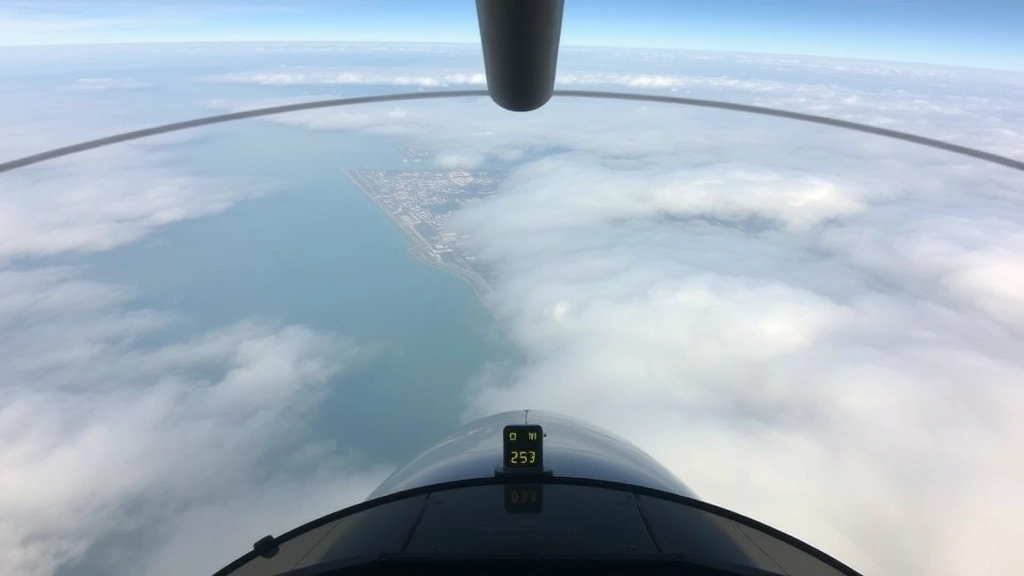
Weather represents one of the most significant contributors to flight delays at San Diego International Airport. While Southern California enjoys a reputation for sunny skies and mild temperatures, unexpected weather events can wreak havoc on flight schedules. During summer months, marine layer fog frequently blankets the region in early mornings, reducing visibility and forcing pilots to slow their approach speeds or request holding patterns. This phenomenon, unique to coastal California, can delay multiple flights simultaneously as aircraft wait for conditions to improve.
Winter brings its own challenges, particularly from December through February. Pacific storm systems occasionally move through Southern California, bringing heavy rain, gusty winds, and occasional thunderstorms. These conditions create hazardous flying circumstances, prompting air traffic controllers to reduce the number of aircraft landing and departing per hour. A single major storm system can cascade delays throughout the entire day, affecting hundreds of passengers.
Additionally, atmospheric conditions affecting San Diego’s neighboring airports influence SAN operations. When major hubs like Los Angeles International (LAX) experience weather disruptions, the ripple effects extend to San Diego as aircraft and crews become misaligned from their scheduled positions. Understanding these FAA safety protocols helps travelers comprehend why delays occur even when local conditions appear favorable.
Air Traffic Control and Congestion
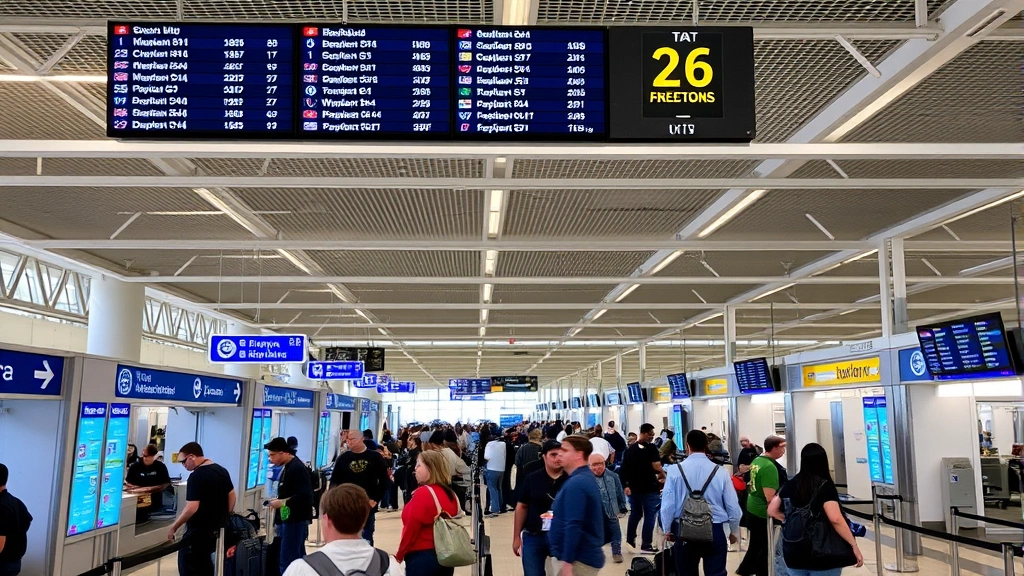
San Diego International Airport operates within one of the most congested airspace regions in the United States. The airport shares airspace with Naval Air Station North Island, Marine Corps Air Station Miramar, and numerous military training routes. This complexity requires careful coordination between civilian air traffic control and military operations, sometimes resulting in holding patterns or delayed departures.
During peak travel periods, the number of aircraft requesting takeoff and landing slots exceeds available capacity. Air traffic controllers must manage this demand carefully to maintain safe separation between aircraft. When demand outpaces capacity, controllers issue ground stops or implement flow control measures, directing aircraft to circle in holding patterns or delay their pushback from gates. These measures, while essential for safety, directly impact passenger schedules.
The Southern California Terminal Radar Approach Control (TRACON) facility manages traffic for the entire region, coordinating operations between San Diego, Los Angeles, Long Beach, and Ontario airports. When any of these facilities experience congestion, it creates a domino effect. A departure slot that should take 30 minutes might stretch to 90 minutes during particularly congested periods. Experienced travelers using Sky Voyage Hub Blog resources understand these dynamics and plan accordingly.
Aircraft Maintenance and Technical Issues
Modern aircraft undergo rigorous maintenance schedules to ensure passenger safety and operational reliability. However, unexpected mechanical issues occasionally surface during preflight inspections or between flights, necessitating repairs before departure. These maintenance delays typically range from 30 minutes to several hours, depending on the issue’s complexity.
Common technical problems include hydraulic system issues, avionics malfunctions, engine anomalies, and structural concerns. While minor issues might require simple adjustments, more serious problems demand extensive troubleshooting and component replacement. Mechanics must follow strict protocols, often consulting with manufacturers before proceeding with repairs. This cautious approach prioritizes passenger safety over schedule adherence.
Additionally, aging aircraft require more frequent maintenance interventions. Airlines operating older aircraft experience higher delay rates due to increased mechanical failures. When booking flights, considering best airlines for frequent flyers often means selecting carriers with newer, more reliable fleets that experience fewer technical delays.
Staffing and Crew Scheduling Challenges
Flight crews—pilots and flight attendants—operate under strict federal regulations governing maximum flight hours and mandatory rest periods. These regulations, while essential for safety, sometimes create scheduling complications. When crews exceed their legal flight hours or require rest periods that conflict with scheduled departures, airlines must source replacement crews or delay flights.
Crew scheduling becomes particularly challenging during peak travel seasons or when unexpected events occur. A crew member calling in sick, a pilot’s flight hour limitations being reached unexpectedly, or a crew member missing their connection can trigger cascading delays affecting multiple flights. Some airlines maintain robust crew reserves to handle these situations, while others operate with minimal buffers, making them more vulnerable to crew-related delays.
Furthermore, crew training and certifications require regular updates. When pilots or flight attendants undergo recurrent training, they become unavailable for flight operations temporarily, potentially reducing available crew capacity. This challenge intensifies during hiring ramps or when airlines introduce new aircraft types requiring type-rating training.
Ground Operations and Turnaround Times
Once an aircraft lands at San Diego International Airport, numerous ground operations must occur before it can depart again. Passenger disembarkation, cargo unloading, aircraft cleaning, catering, fueling, and baggage loading all require coordination and time. When any of these processes experience delays, the aircraft cannot depart on schedule, creating a domino effect for subsequent flights.
Gate availability presents another operational challenge. San Diego has limited gate capacity relative to passenger volume during peak hours. Aircraft waiting for available gates cannot position for boarding, causing extended turnaround times. This constraint particularly affects regional carriers operating multiple daily rotations through the airport.
Baggage handling systems occasionally malfunction, requiring manual processing that dramatically extends turnaround times. Similarly, aircraft cleaning standards have intensified post-pandemic, with enhanced sanitization protocols requiring additional time between flights. While these measures benefit passenger health, they contribute to tighter operational margins and increased delay susceptibility.
Regional Airport Connectivity
San Diego’s role within the broader California airport network influences its operational efficiency. Many flights connecting through San Diego originate from or continue to other California airports. Delays at origin airports cascade to San Diego, where connecting passengers might miss onward connections, requiring rebooking and creating additional operational complexity.
The relationship between San Diego and nearby airports like Ontario International and Long Beach Airport affects traffic patterns. When these facilities experience congestion, some traffic diverts to San Diego, increasing demand and reducing available capacity. Understanding flights from Atlanta to Miami connectivity patterns helps travelers appreciate how regional hub operations influence San Diego’s schedule reliability.
Additionally, San Diego serves as a connection point for passengers traveling between California and Southwest destinations like Las Vegas, Phoenix, and Denver. When delays occur at these origin or destination airports, they propagate backward to San Diego, affecting aircraft availability and crew positioning.
Passenger Volume and Peak Travel Times
San Diego experiences significant seasonal passenger volume fluctuations. Summer months, winter holidays, and spring break periods generate substantially higher passenger volumes than shoulder seasons. During peak travel windows, every system operates near maximum capacity, leaving minimal room for handling unexpected disruptions.
High passenger volumes extend boarding times, particularly when aircraft boards via stairs or remote gates rather than jetways. Longer boarding increases turnaround times, compressing the schedule and reducing buffers for recovery from minor delays. When hundreds of passengers must board simultaneously, unexpected issues—such as a passenger requiring wheelchair assistance or medical attention—can extend the boarding process significantly.
Peak hours at San Diego typically occur between 7-9 AM and 4-6 PM, when business travelers and leisure passengers concentrate their travel. During these windows, air traffic control implements flow management procedures to handle demand, resulting in systematic delays across multiple flights. Travelers who can adjust departure times to off-peak hours often experience better schedule reliability.
Strategies to Minimize Delay Impact
Understanding delay causes empowers travelers to implement strategies reducing their personal impact. Book early morning flights when possible, as these typically experience fewer cascading delays from previous-day operations. Morning flights also benefit from fresh crew positioning and aircraft that have completed overnight maintenance.
Check weather forecasts several days before travel. If significant weather systems approach San Diego during your travel window, consider adjusting dates or accepting that delays become probable. Monitoring National Weather Service San Diego forecasts provides insight into potential weather-related delays.
Allow generous connection times when booking multi-leg itineraries through San Diego. A 45-minute connection might work perfectly under ideal conditions but becomes impossible during weather disruptions or air traffic delays. Building in 90+ minutes for connections protects against missing onward flights.
Arrive at the airport significantly early—at least 2 hours for domestic flights, 3 hours for international departures. This buffer accommodates check-in and security lines while providing cushion if unexpected issues arise before boarding. Early arrival also positions you advantageously if schedule changes occur, allowing rebooking on alternative flights before they fill.
Join airline loyalty programs and select carriers with strong operational performance. Best airlines for frequent flyers often demonstrate superior on-time performance through investments in aircraft, crew, and operational systems. When multiple carrier options exist for your route, researching historical performance data guides selection toward more reliable operators.
Download airline mobile applications enabling real-time flight status monitoring. Push notifications alert you immediately to delays, cancellations, or gate changes, allowing rapid response before crowds overwhelm rebooking systems. Many airlines offer automatic rebooking through apps when delays occur, providing faster resolution than customer service lines.
Consider purchasing travel insurance covering flight delays and cancellations. While this doesn’t prevent delays, it provides financial protection if disruptions require hotel stays, meal costs, or alternative transportation. Premium travel insurance often includes trip delay reimbursement for delays exceeding specified durations.
Build flexibility into travel plans when possible. If your destination arrival time carries minimal importance, accepting delays gracefully reduces stress. Conversely, if arriving by specific times proves critical, selecting flights with longer scheduled flight times or earlier departures provides margin for handling disruptions.
When booking flights for multiple people, coordinate timing carefully to avoid missed connections or schedule conflicts. Group travel increases complexity, making robust buffer times even more critical for reliability.
Stay informed about your rights during delays. The U.S. Department of Transportation provides comprehensive passenger rights information, including compensation eligibility for certain delay scenarios. Understanding these protections helps you advocate effectively if delays occur.
FAQ
What is the most common cause of delays at San Diego International Airport?
Weather conditions, particularly marine layer fog and occasional storms, represent the most frequent delay cause. Air traffic congestion during peak hours ranks as the second most common factor, with maintenance and crew issues contributing less frequently but with significant impact when they occur.
How often do delays occur at San Diego airport?
San Diego maintains relatively strong on-time performance compared to major U.S. hubs, with approximately 80-85% of flights departing within 15 minutes of scheduled times. However, this means roughly 15-20% of flights experience some delay, with seasonal variations affecting these statistics substantially.
Can I receive compensation for flight delays at San Diego?
U.S. law does not mandate airline compensation for domestic flight delays caused by weather or other circumstances beyond airline control. However, if delays result from airline operational failures, some compensation may apply. International flights arriving in the U.S. may qualify for compensation under Department of Transportation regulations.
What time of day experiences the fewest delays at San Diego?
Mid-morning (10 AM-12 PM) and early afternoon (1-3 PM) typically experience lower delay rates than peak morning and evening windows. These off-peak periods benefit from reduced air traffic congestion and more available ground resources.
How can I check real-time delay information for San Diego flights?
Airline websites and mobile applications provide real-time flight status information. Additionally, the San Diego International Airport official website offers departure and arrival information updated continuously, including delay notifications.
Should I purchase travel insurance to protect against delays?
Travel insurance providing delay coverage offers valuable protection if your travel plans have significant financial implications or time-sensitive commitments. Evaluate your specific situation—essential business travel warrants protection more than flexible leisure travel might.
What should I do if my flight is delayed at San Diego?
Monitor official airline communications via app notifications or airport displays. Contact airline customer service if rebooking becomes necessary. Utilize airport amenities while waiting, document delay duration for potential compensation claims, and remain flexible regarding alternative routing options.
Are connecting flights through San Diego reliable?
San Diego’s relatively strong operational performance makes it reasonably reliable for connections. However, always allow minimum 90 minutes for domestic connections and 120+ minutes for international connections to accommodate unexpected delays without missing onward flights.