Why Do Flight Attendants Look Sexy? Expert Insights Into Appearance Standards in Aviation
Flight attendants have long captured public fascination, often portrayed in media as glamorous professionals who embody elegance and sophistication at 35,000 feet. But what’s behind the polished appearance of cabin crew members? The answer involves a complex intersection of airline branding strategies, professional standards, grooming requirements, and the evolution of the aviation industry itself. Understanding why flight attendants maintain such distinctive appearances reveals much about how airlines market their services and what passengers expect from their travel experience.
The perception of flight attendants as exceptionally well-groomed professionals isn’t accidental—it’s the result of deliberate corporate decisions, rigorous training programs, and industry-wide standards that have evolved over decades. From uniform specifications to makeup guidelines, airlines invest significantly in ensuring their cabin crew presents a consistent, polished image that reflects the airline’s brand identity and reinforces passenger confidence in safety and service quality.
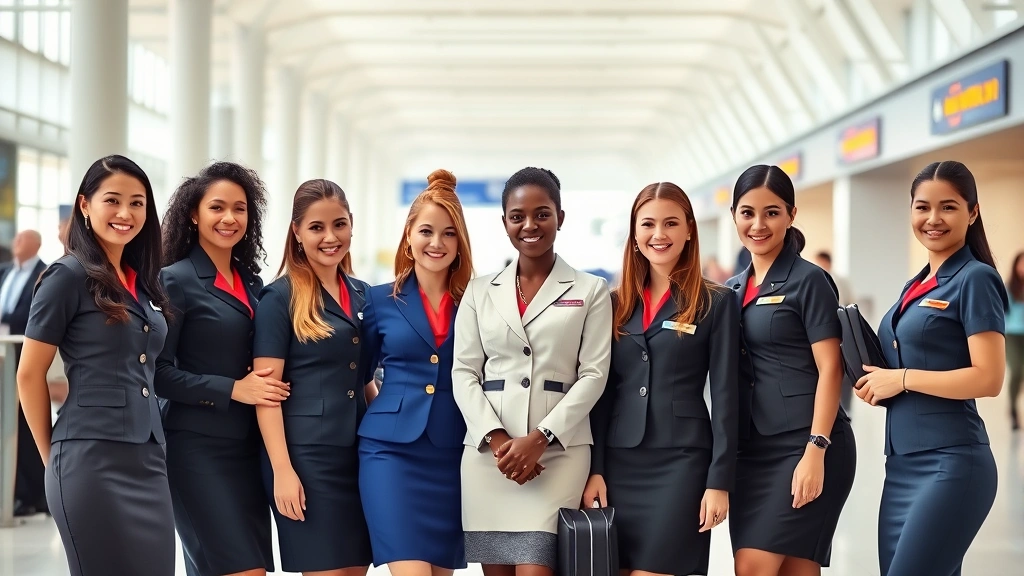
The History of Flight Attendant Appearance Standards
The origins of flight attendant appearance standards trace back to the golden age of aviation in the 1930s and 1940s. Early airlines, recognizing that flying was still a luxury experience, deliberately hired and groomed flight attendants to project elegance and refinement. The Federal Aviation Administration focused on safety regulations, while airlines themselves established appearance codes as part of their competitive strategy.
During this era, airlines were remarkably strict about appearance requirements. Flight attendants—initially called stewardesses—had to meet specific height and weight requirements, maintain particular hairstyles, and wear precisely tailored uniforms. These standards weren’t merely about looking professional; they were about creating an aspirational image that made air travel feel special and exclusive. Airlines understood that passengers were paying premium prices and wanted an experience that justified that investment.
The 1960s and 1970s saw appearance standards become even more pronounced, with airlines like Pan Am and TWA becoming famous for their glamorous cabin crew. These decades represented the peak of the “golden age” aesthetic, where flight attendants were often featured in advertising campaigns and were expected to embody the height of fashion and sophistication. The role became synonymous with style, grace, and cosmopolitan elegance.
However, the late 20th century brought significant changes. Labor movements, gender equality initiatives, and evolving social norms challenged the most restrictive appearance requirements. Many airlines relaxed weight restrictions, offered more uniform options, and became more flexible about grooming standards. Despite these changes, the legacy of high appearance standards persists in the aviation industry today.
Airline Branding and Visual Identity
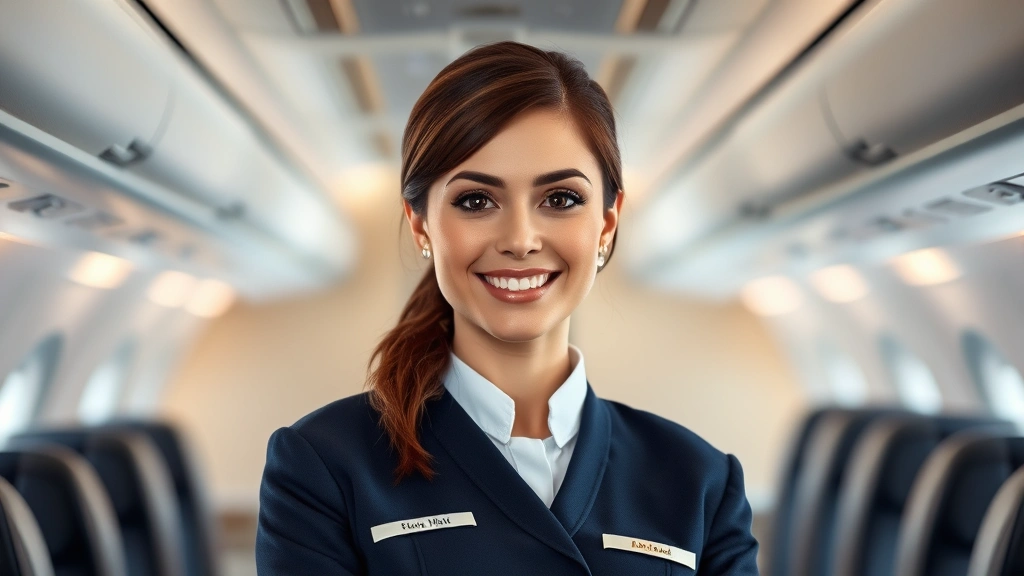
Modern airlines continue to invest heavily in appearance standards because cabin crew members serve as the airline’s primary brand ambassadors. When you board an aircraft, the flight attendants you encounter represent the airline’s commitment to quality, safety, and service. Their appearance directly influences passenger perception of the airline’s overall brand value.
Consider how major airlines differentiate themselves through visual identity. Airlines operating long-haul flights often employ more elaborate uniform designs and stricter grooming guidelines than regional carriers. This isn’t coincidental—passengers on international routes expect a certain level of sophistication, and airlines recognize that well-groomed, uniformed crew members signal professionalism and reliability.
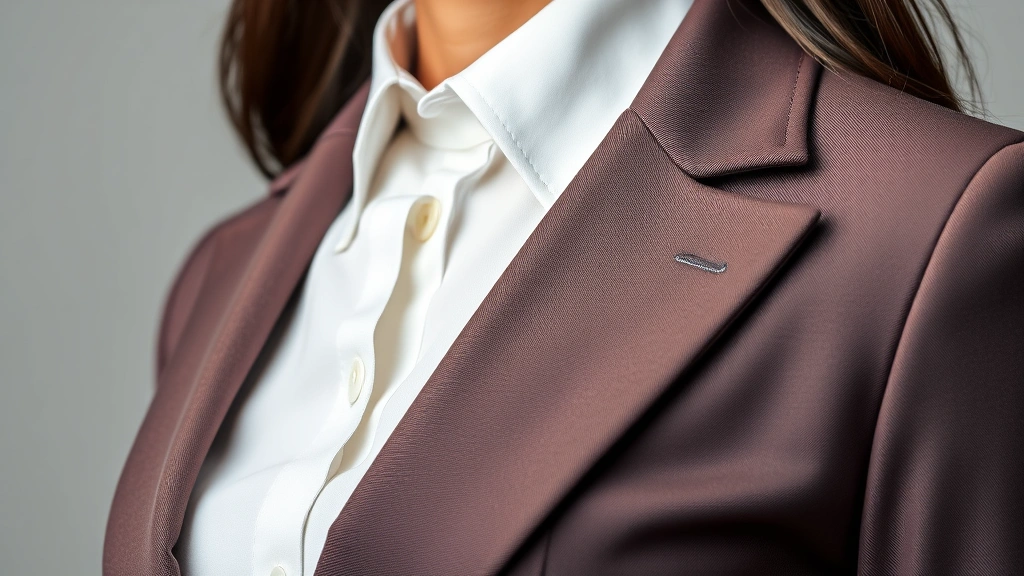
Uniform design plays a crucial role in this branding strategy. Airlines commission designers to create uniforms that are simultaneously functional for safety and service duties while projecting the airline’s desired image. Colors, fabrics, and silhouettes are carefully selected to convey specific messages. A sleek, modern uniform might suggest an airline is innovative and forward-thinking, while classic, tailored designs communicate tradition and reliability.
The visual consistency of cabin crew appearance also creates a psychological sense of order and security for passengers. Studies in aviation psychology suggest that passengers feel more confident in an airline when crew members appear organized, professional, and well-maintained. This perception translates directly into brand loyalty and customer satisfaction scores.
Modern Grooming and Uniform Requirements
Today’s flight attendants navigate a complex set of grooming standards that vary by airline. While regulations have become less restrictive than historical requirements, most major carriers maintain detailed appearance guidelines covering hair, makeup, nails, and overall presentation.
Hair standards typically require neat, well-maintained styling that doesn’t obstruct safety equipment or interfere with uniform appearance. Many airlines specify acceptable hair colors and styles, though policies have become more inclusive in recent years. Some carriers now permit natural hair textures and diverse styling options that were historically discouraged.
Makeup expectations vary considerably by airline and region. Some carriers require flight attendants to wear makeup as part of the uniform, while others have moved toward more flexible policies that allow crew members to choose whether to wear makeup. When required, makeup is typically expected to be professional and subtle rather than dramatic, emphasizing a polished rather than glamorous appearance.
Nail standards remain relatively strict across the industry. Most airlines require neatly trimmed, clean nails to prevent contamination of food and beverages. Some carriers prohibit nail polish or specify neutral colors, while others have relaxed these requirements. The reasoning is both practical—long nails can break and contaminate food—and aesthetic, as uniform nail appearance contributes to the overall polished look.
Weight and fitness requirements have evolved dramatically. Modern airlines typically focus on crew members’ ability to perform safety duties rather than maintaining specific weight ranges. However, the physical demands of the job—pushing heavy beverage carts, lifting luggage, and remaining on feet for extended periods—naturally result in flight attendants maintaining good physical fitness. When passengers perceive flight attendants as physically fit and healthy-looking, it contributes to the overall impression of attractiveness and professionalism.
Training and Professional Development
Flight attendant training extends far beyond safety protocols. Most airlines invest significant resources in teaching crew members about professional presentation, etiquette, and customer service. This training reinforces that appearance and demeanor are integral to the job.
Initial training programs typically include sessions on grooming standards, uniform wear, and professional presentation. Flight attendants learn how to maintain their appearance during long flights, manage uniform upkeep during layovers, and present themselves consistently across different shifts and destinations. This training emphasizes that appearance standards aren’t arbitrary—they’re fundamental to passenger safety and satisfaction.
Airlines also provide ongoing coaching about personal branding and professional image. Senior crew members often mentor newer flight attendants on maintaining appearance standards while traveling internationally, managing appearance in different climates, and adapting presentation to various passenger demographics. This institutional knowledge ensures consistency across the airline’s fleet.
The emphasis on appearance training reflects the aviation industry’s understanding that cabin crew members perform a complex role that blends safety professional with customer service expert. Passengers need to perceive flight attendants as competent and trustworthy, and appearance standards contribute significantly to that perception. When crew members look professional and polished, passengers feel more confident in their ability to handle emergencies and provide quality service.
Gender, Perception, and Industry Evolution
The history of flight attendant appearance standards is inextricably linked to gender dynamics in the aviation industry. Historically, the role was exclusively female, and appearance standards were often explicitly gendered, emphasizing youth, attractiveness, and femininity. Airlines marketed cabin crew members as part of the luxury travel experience, with advertising frequently focusing on their appearance and appeal to male passengers.
This gendered approach to appearance standards created significant challenges for women in the industry. Flight attendants faced invasive appearance inspections, weight checks, and requirements to maintain specific levels of attractiveness. These practices contributed to discrimination and created an uncomfortable work environment for many crew members.
The aviation industry has made progress toward more inclusive appearance standards in recent decades. Many airlines now employ male flight attendants, and appearance requirements have become less explicitly gendered. However, research suggests that gender-based appearance expectations persist in subtle ways. Women flight attendants often report feeling pressure to maintain higher appearance standards than male colleagues, and female crew members may receive more scrutiny regarding grooming and presentation.
Modern airlines are increasingly recognizing that diverse cabin crews enhance service quality and passenger experience. This shift has led to more inclusive uniform options, flexible grooming standards, and appearance requirements that focus on professionalism rather than conformity to narrow aesthetic ideals. Progressive carriers now emphasize that flight attendants of all genders, body types, and backgrounds can present professional, attractive appearances that reflect their airline’s brand values.
The industry’s evolution reflects broader societal changes regarding appearance standards and workplace equality. As airlines recognize that excellent customer service depends on crew member wellbeing and job satisfaction—not adherence to restrictive appearance codes—appearance standards have become more reasonable while remaining professional.
The Psychology Behind Polished Appearance
Understanding why flight attendants maintain polished appearances requires exploring the psychology of appearance and professional credibility. Research in social psychology demonstrates that appearance significantly influences how others perceive competence, trustworthiness, and authority.
When flight attendants appear well-groomed and professionally dressed, passengers unconsciously assess them as more capable and trustworthy. This perception matters tremendously in aviation, where safety is paramount. Passengers need to believe that crew members can handle emergencies, manage complex situations, and prioritize safety above all else. A polished appearance contributes to this confidence, even though appearance and actual competence are unrelated.
The concept of “enclothed cognition” suggests that clothing and appearance actually influence the wearer’s own behavior and mindset. Flight attendants who wear professional uniforms and maintain grooming standards may feel more focused, professional, and committed to their responsibilities. This psychological effect creates a positive feedback loop where appearance standards enhance actual professional performance.
Airlines also recognize that passengers experience significant anxiety during flights. A polished, professional-looking cabin crew can help reduce passenger anxiety by projecting calm competence and control. When everything about the crew’s appearance suggests order and professionalism, passengers feel more secure and comfortable, leading to better overall flight experiences and higher customer satisfaction.
The luxury and premium service aspects of air travel also explain appearance standards. Passengers paying premium prices for flights to Hawaii or international destinations expect service that reflects the premium nature of their purchase. Polished flight attendants contribute to the perception of luxury and value, justifying premium pricing and enhancing passenger satisfaction.
Interestingly, research suggests that passengers don’t necessarily expect flight attendants to be conventionally beautiful—they expect them to appear professional, competent, and well-maintained. The perception of attractiveness often stems from professionalism and polish rather than conformity to narrow beauty standards. Flight attendants who present themselves as competent professionals tend to be perceived as more attractive, regardless of their conventional physical appearance.
When considering essential tips for long haul flights, passenger comfort includes the service environment created by professional cabin crew. Flight attendants who maintain their appearance despite the physical demands of long flights demonstrate dedication to their role and commitment to passenger experience.
The evolution of appearance standards also reflects changing definitions of professionalism. Modern airlines increasingly recognize that professionalism encompasses competence, respect, and appropriate presentation rather than conformity to restrictive beauty ideals. This shift has made the profession more inclusive while maintaining the high service standards passengers expect.
Regional Variations in Appearance Standards
Appearance standards vary significantly across different airlines and regions. International Air Transport Association guidelines provide framework recommendations, but individual airlines maintain their own specific requirements.
Middle Eastern carriers, particularly those based in the Gulf region, often maintain relatively strict appearance standards that reflect cultural values and premium positioning. Asian carriers frequently emphasize elegance and refinement in appearance standards, with detailed specifications about uniform wear and grooming. European airlines tend toward more relaxed standards while still maintaining professional presentation expectations.
North American carriers have generally moved toward more flexible appearance policies compared to international counterparts. This reflects both legal pressures regarding workplace discrimination and cultural shifts toward inclusivity. However, premium carriers still maintain higher appearance standards than budget airlines, reflecting their market positioning and pricing structure.
The rise of budget airlines has also influenced industry-wide appearance standards. Travel blogs and industry publications frequently note that budget carriers often have more relaxed grooming requirements and simpler uniforms, reflecting their cost-conscious positioning. This differentiation actually reinforces the connection between appearance standards and perceived service quality—passengers expect budget airline crew to be professional but less elaborately groomed than premium carrier flight attendants.
The Future of Flight Attendant Appearance Standards
The aviation industry continues evolving regarding appearance standards. Several trends suggest future directions: increasing inclusivity around body diversity, natural hair textures, and gender expression; greater flexibility in makeup and grooming requirements; and emphasis on functionality and comfort alongside professional presentation.
Sustainability concerns are also influencing appearance standards. Some airlines are moving toward more durable, environmentally conscious uniforms that reduce the need for frequent replacement and dry cleaning. These uniforms must still project professionalism while meeting sustainability goals, creating new design challenges.
Technology may also influence appearance standards. Virtual reality training and digital interactions might reduce emphasis on physical appearance while increasing focus on communication skills and technical competence. However, in-person cabin service will likely remain important for the foreseeable future, meaning appearance standards will persist in some form.
The most significant trend is the aviation industry’s recognition that diverse cabin crews create better passenger experiences and work environments. Airlines increasingly understand that professionalism and attractiveness don’t depend on narrow appearance standards. Flight attendants of all backgrounds, body types, and presentation styles can deliver excellent service and embody their airline’s brand values.
When researching flight times between major cities or comparing airline delay compensation policies, passengers increasingly consider airlines’ commitment to inclusive hiring and workplace equity as factors in their airline choice. Progressive appearance policies that balance professionalism with inclusivity appeal to modern travelers.
FAQ
Do airlines require flight attendants to wear makeup?
Makeup requirements vary by airline. Some carriers explicitly require professional makeup as part of uniform standards, while others allow crew members to choose whether to wear makeup. Most airlines that require makeup specify that it should be subtle and professional rather than dramatic. This represents a significant shift from historical requirements, where makeup was mandatory for most flight attendants.
Are there weight restrictions for flight attendants?
Modern airlines have largely eliminated strict weight requirements, focusing instead on crew members’ ability to perform safety duties. However, the physical demands of the job—pushing heavy beverage carts, lifting luggage, and remaining mobile during flights—naturally result in flight attendants maintaining good physical fitness. Airlines prioritize functional fitness over specific weight ranges.
Can flight attendants have tattoos or piercings?
Policies vary significantly by airline. Some carriers prohibit visible tattoos or limit piercings to ears, while others have become more flexible. Progressive airlines increasingly recognize that tattoos and diverse presentation styles don’t compromise professionalism or safety. However, many airlines still maintain policies limiting visible tattoos, particularly on hands, neck, or face.
Why are appearance standards stricter on international flights?
International flights typically attract premium pricing and passengers with higher expectations regarding service quality. Airlines operating international routes often maintain stricter appearance standards to justify premium pricing and meet passenger expectations. Additionally, international flights involve longer durations and more diverse passenger demographics, making appearance consistency particularly important for brand perception.
How have appearance standards changed over time?
Appearance standards have become significantly more flexible and inclusive over the past few decades. Historical requirements included strict weight limits, mandatory makeup, specific hairstyles, and age restrictions. Modern standards emphasize professional presentation and competence rather than conformity to narrow aesthetic ideals. This evolution reflects legal pressures, labor movements, and changing social values regarding workplace equality and inclusivity.
Do male flight attendants have different appearance standards than female flight attendants?
Officially, most airlines maintain gender-neutral appearance policies. However, research suggests that female flight attendants often experience greater scrutiny regarding grooming and presentation. Progressive airlines are actively working to ensure appearance standards apply equally regardless of gender, though cultural and implicit biases sometimes persist in practice.