Why Was Southwest Diverted? Pilot Insight into Flight Diversions and Nashville Operations
Flight diversions are among the most stressful experiences for both pilots and passengers, yet they represent a critical safety mechanism in modern aviation. When a Southwest flight gets diverted—particularly to or from Nashville—understanding the reasons behind this decision requires insight into pilot training, air traffic control procedures, and real-time decision-making protocols. This comprehensive guide explores the operational, meteorological, and mechanical factors that lead to flight diversions, drawing on pilot expertise and industry standards.
Nashville International Airport (BNA) has become an increasingly common diversion point for Southwest Airlines flights across the southeastern United States. Whether due to severe weather, mechanical issues, or air traffic congestion, diversions follow strict procedural guidelines designed to prioritize passenger safety above all other considerations. Let’s examine what happens when a pilot makes the critical decision to divert and why Nashville frequently serves as an alternative destination.
Understanding Flight Diversions
A flight diversion occurs when an aircraft changes its intended destination mid-flight and lands at an alternate airport. This is fundamentally different from a cancellation or delay—the aircraft is airborne and operational, but circumstances necessitate landing somewhere other than the scheduled destination. Pilots undergo extensive training to recognize diversion scenarios and execute the necessary procedures with precision.
The decision to divert involves multiple stakeholders: the pilot-in-command, flight attendants, air traffic control, and dispatch personnel. The pilot-in-command has ultimate authority and responsibility for all decisions affecting the aircraft and its occupants. When a pilot determines that conditions at the destination airport are unsafe or that the aircraft cannot safely reach its destination, a diversion becomes necessary. This might seem reactive, but modern aviation protocols emphasize proactive decision-making—pilots often divert before reaching a critical threshold.
Southwest Airlines operates one of the largest domestic networks in the United States, making diversions a regular occurrence across their route system. Understanding why these happen helps travelers prepare for potential disruptions and recognize that diversions represent aviation safety working as intended.
Common Reasons for Southwest Diversions
Flight diversions fall into several distinct categories, each with specific protocols and decision-making criteria. The most common reasons include severe weather, mechanical anomalies, medical emergencies, air traffic control restrictions, and airport operational issues. Each category requires different responses from the flight crew.
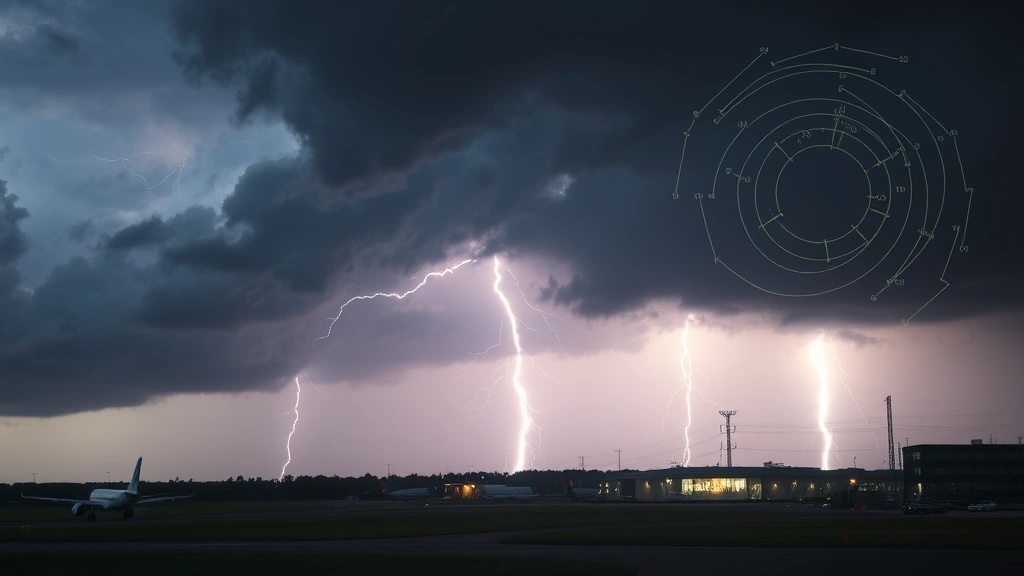
Severe weather remains the leading cause of diversions across the industry. Thunderstorms with strong wind shear, microbursts, hail, or tornado warnings can render an airport temporarily unusable. Pilots receive real-time weather briefings and continuously monitor conditions throughout the flight. When conditions deteriorate beyond safe landing parameters, diversion becomes the prudent choice.
Medical emergencies represent another significant diversion category. When a passenger experiences a life-threatening condition, the nearest suitable airport becomes the destination regardless of original routing. Southwest flight crews receive comprehensive medical training and work closely with ground medical personnel to determine appropriate response actions.
Mechanical issues requiring immediate attention—such as hydraulic problems, engine anomalies, or pressurization failures—necessitate landing at the nearest airport with adequate maintenance facilities. Modern aircraft are incredibly reliable, but when issues arise, pilots err on the side of caution and seek the nearest diversion point.
Weather as Primary Diversion Factor
Weather conditions represent the most common trigger for Southwest flight diversions. The southeastern United States, where Nashville is located, experiences particularly volatile weather patterns, especially during spring and summer months. Severe thunderstorms can develop rapidly, creating dangerous wind shear and lightning conditions that make landing impossible.
Pilots use multiple weather information sources: ATIS (Automated Terminal Information Service), SIGMET alerts, pilot reports (PIREPS), and radar imagery. When approaching a destination, pilots assess not just current conditions but forecasted trends. If conditions are marginal and deteriorating, diversion planning begins immediately. The fuel situation becomes critical—pilots must ensure sufficient fuel reserves to reach an alternate airport plus additional safety margins.
Wind shear represents a particularly serious concern. This phenomenon, where wind speed or direction changes dramatically over short distances, can cause sudden altitude loss during landing approach. Modern aircraft have wind shear detection systems, but pilot judgment remains essential. A pilot might receive a wind shear warning from another aircraft and decide to divert rather than attempt landing in those conditions.
Microbursts—localized downdrafts within thunderstorms—pose extreme hazards. These invisible phenomena can push aircraft toward the ground during critical landing phases. When microbursts are reported or suspected, airports often close to traffic until conditions improve. Nashville’s location makes it vulnerable to severe weather systems moving from the Gulf of Mexico, explaining its frequency as a diversion destination.
Visibility restrictions from fog, heavy rain, or dust storms also trigger diversions. Modern aircraft can land in extremely low visibility using instrument landing systems (ILS), but minimums still apply. If visibility drops below landing minimums and no suitable approach system exists, diversion is mandatory.
Mechanical and Technical Issues
Southwest maintains one of aviation’s best safety records, but mechanical issues occasionally arise requiring immediate attention. Engine problems, hydraulic failures, electrical anomalies, or pressurization issues can all necessitate diversion. The key distinction is whether the issue represents an immediate threat or can be managed until reaching the destination.
Pilots are trained to categorize issues into emergency, urgent, and non-urgent categories. An emergency requires immediate landing at the nearest suitable airport. Urgent situations warrant diversion to the nearest appropriate facility with adequate maintenance. Non-urgent issues might allow continuing to the destination or a planned alternate airport.
For example, a minor hydraulic leak might not require immediate diversion, but a complete hydraulic system failure would. Similarly, an engine indication that’s abnormal but stable might allow continuing with caution, while an engine fire obviously requires immediate landing.
The Boeing 737, which comprises much of Southwest’s fleet, has proven incredibly reliable. When mechanical diversions do occur, they’re typically precautionary—pilots and maintenance personnel prefer conservative approaches to potential problems. This philosophy has contributed to Southwest’s excellent safety record.
Technical issues can also include avionics failures, oxygen system problems, or cabin pressurization anomalies. Modern redundancy means most single failures don’t compromise safety, but pilots follow strict procedures when systems fail. Diversions ensure professional maintenance personnel can address issues properly rather than attempting to manage them in flight.
Air Traffic Control and Congestion
Air traffic control plays a crucial role in diversion decisions. Controllers manage airspace capacity and can issue flow control restrictions when airports become congested or weather impacts operations. Sometimes an airport becomes temporarily closed due to emergencies on the ground—another aircraft accident, runway debris, or security issues.
Slot restrictions and ground stops represent another factor. During severe weather affecting major metropolitan areas, the FAA might implement ground stops, preventing departures until conditions improve. Inbound flights already airborne might be held in a holding pattern or diverted to alternate destinations. This manages capacity and ensures orderly operations when conditions are marginal.
Nashville’s position as a growing aviation hub means increased traffic, which can occasionally lead to congestion. When combined with weather factors, this congestion might prompt controllers to suggest diversions or pilots to request them proactively. Air traffic control and flight crews work collaboratively to manage these situations.
The FAA also issues NOTAM (Notices to Airmen) when airports are temporarily closed or have restricted operations. Pilots monitor these throughout flight planning and execution. A sudden NOTAM—perhaps due to runway damage or emergency operations—can necessitate diversion even when weather is clear.
Nashville as Strategic Diversion Hub
Nashville International Airport has become increasingly important for Southwest Airlines operations. The airport features modern facilities, adequate maintenance capabilities, and strategic positioning within the southeastern network. For pilots considering diversions, Nashville offers several advantages.
The airport has two parallel runways capable of handling large volumes of traffic, even during marginal weather conditions. This redundancy proves valuable when diversions increase during widespread severe weather. The facility also maintains excellent ground services, including fuel, maintenance, catering, and passenger services—critical for handling diverted flights.
Nashville’s location provides coverage for a large geographic area. For flights traveling through Tennessee, Kentucky, and surrounding states, Nashville represents a logical alternate airport. Its distance from major metropolitan areas like Atlanta and Memphis positions it as an ideal compromise destination when conditions deteriorate.
The airport has invested significantly in infrastructure improvements, including enhanced weather monitoring and air traffic control facilities. These improvements make Nashville more capable of handling diversions efficiently, reducing passenger disruption. Southwest’s significant presence at Nashville means the airline has established procedures and staffing to handle diverted flights effectively.
Ground infrastructure at Nashville supports quick passenger processing and rebooking. When flights divert, passengers need information, alternative transportation, and accommodation if necessary. Southwest’s operations at Nashville include dedicated personnel trained to handle diversion scenarios, minimizing passenger frustration.
Pilot Decision-Making Process
The decision to divert involves complex calculations and judgment calls. Pilots must balance safety, passenger comfort, fuel reserves, and operational considerations. The process begins long before a diversion becomes likely—during pre-flight planning.
Pilots file flight plans specifying their intended route, cruising altitude, and alternate airports. These alternates are selected based on weather forecasts, runway conditions, and available services. As flight progresses, pilots continuously update their weather information and reassess their situation. If conditions at the destination deteriorate, the alternate airport becomes increasingly likely.
Fuel management proves critical. Pilots must carry sufficient fuel to reach their destination, fly to their alternate airport, and maintain additional reserves for unexpected situations. If fuel reserves become insufficient to reach the destination safely, diversion becomes mandatory. Headwinds, unplanned routing delays, or extended holding patterns can all impact fuel calculations.
Communication with dispatch is essential. Southwest dispatch personnel monitor flights continuously and provide guidance on weather developments and operational changes. If dispatch recommends diversion or conditions warrant it, pilots make the final decision. The pilot-in-command always retains ultimate authority but benefits from dispatch expertise and real-time information.
Passenger considerations factor into the decision, but safety always takes precedence. A pilot might divert even knowing passengers will experience significant delays because the alternative—attempting to land in unsafe conditions—is unacceptable. This conservative approach, consistently applied across the industry, has made aviation remarkably safe.
Passenger Rights and Compensation
When Southwest flights are diverted, passengers have specific rights and may be eligible for compensation. Understanding these rights helps travelers navigate diversion situations effectively. The Department of Transportation provides consumer protections for flight disruptions.
Passengers diverted due to weather events typically have limited compensation rights, as weather is considered an act beyond the airline’s control. However, Southwest must still provide timely information, rebooking on the next available flight, and meals or refreshments during reasonable waiting periods. If overnight accommodation becomes necessary, the airline covers hotel costs.
Mechanical diversions fall into a different category. If the mechanical issue resulted from inadequate maintenance, passengers might have recourse. However, if the diversion was precautionary—the airline choosing safety over continued flight—compensation may be limited. Passengers should document all expenses and contact Southwest’s customer relations if they believe they’re owed compensation.
For extended diversions, Southwest typically offers rebooking on alternate flights, standby options, or refunds. Passengers should monitor their email and phone for updates, as airlines use multiple communication channels during disruptions. Having travel insurance provides additional protection and reimbursement for unexpected expenses.
The key principle: airlines prioritize safety above all other considerations. Diversions, while inconvenient, represent aviation’s commitment to passenger protection. Understanding this context helps travelers accept diversions as necessary safety measures rather than operational failures.
When researching airline reliability and safety records, consider that best airlines for long flights typically have diversion procedures that demonstrate their commitment to safety. Diversions don’t indicate poor airline quality—they indicate an airline taking safety seriously.
Real-World Diversion Scenarios
Understanding specific scenarios helps illustrate why diversions happen. Consider a Southwest flight from Denver heading to Nashville. Severe thunderstorms develop along the route, with tornado warnings issued for Middle Tennessee. The pilot receives weather updates showing conditions deteriorating at Nashville.
The pilot consults with dispatch. Nashville’s weather is marginal—visibility is dropping, wind shear is reported, and lightning is frequent. The pilot calculates fuel reserves and determines they’re sufficient to reach Memphis International Airport, approximately 200 miles west of Nashville. Air traffic control offers Memphis as an alternate routing.
The pilot accepts the diversion. Passengers are informed of the situation, the aircraft is diverted to Memphis, and operations proceed smoothly. Passengers experience a delay, but safety is preserved. This scenario plays out regularly across the aviation system.
Another scenario involves mechanical issues. A Southwest flight experiences an engine indication anomaly—nothing immediately dangerous, but unusual enough to warrant investigation. The pilot immediately notifies dispatch and air traffic control. The crew discusses the situation and determines they should divert to the nearest airport with maintenance facilities capable of addressing the issue.
The decision is made to divert to Nashville, which is ahead on the route and has excellent Southwest maintenance facilities. The aircraft lands safely, mechanics inspect the issue (often finding nothing serious), and passengers are rebooked. The conservative approach—diverting when uncertain—prevents potential problems from developing into emergencies.
If you’re planning travel through the Southeast, understanding regional weather patterns helps. Routes like SLC to Denver flights cross different geography but face similar diversion considerations during severe weather seasons.
Preparing for Potential Diversions
Savvy travelers prepare for the possibility of diversions when booking flights. During severe weather seasons—particularly spring in the Southeast—diversions become more likely. Understanding this helps set realistic expectations.
Build buffer time into connections when traveling through Nashville or other airports prone to diversions. If you’re catching a connecting flight, allow adequate time to account for potential delays. A tight connection becomes problematic if your inbound flight diverts.
Travel insurance becomes valuable during weather-prone seasons. Comprehensive travel insurance covers unexpected expenses from diversions and provides peace of mind. When booking airline tickets strategically, consider purchasing insurance for peak weather seasons.
Monitor weather forecasts before your flight. If severe weather is expected along your route, contact Southwest proactively. The airline might allow rebooking on earlier flights before conditions deteriorate. This proactive approach often prevents diversions from affecting you.
Carry important documents and valuables in your carry-on bag. If your flight diverts and you’re delayed overnight, you’ll need access to medications, phone chargers, and identification. Checked baggage might take time to retrieve after a diversion.
Pack patience and flexibility. Diversions are rare considering the millions of flights operated annually, but they do happen. When they do, remember that your safety is the priority. The pilot’s decision to divert—while inconvenient—ensures you arrive safely, even if it’s not according to the original schedule.
For complex travel itineraries involving multiple passengers, booking flights for multiple people requires even more buffer time to accommodate potential disruptions. Groups are more vulnerable to missed connections if diversions occur.
FAQ
What is the most common reason for Southwest flight diversions?
Severe weather, particularly thunderstorms with wind shear and microbursts, represents the leading cause of diversions. Meteorological conditions that create unsafe landing environments prompt pilots to seek alternate airports. Weather-related diversions protect passengers while allowing flights to reach their destinations, albeit with delays.
How much fuel must pilots carry to account for diversions?
FAA regulations require pilots to carry fuel sufficient to reach their destination, fly to an alternate airport, and maintain additional reserves (typically 45 minutes of flight time for domestic flights). This ensures pilots can divert if necessary without running dangerously low on fuel. Southwest’s operational procedures often exceed these minimums, providing additional safety margins.
Does Southwest charge fees for diverted flights?
Southwest does not charge additional fees for diversions. Passengers are reboked on subsequent flights at no extra cost. The airline covers meals, refreshments, and accommodation if overnight stays become necessary. This policy reflects Southwest’s commitment to customer service during operational disruptions.
Can pilots divert flights without air traffic control permission?
While pilots can declare an emergency and divert without ATC approval in genuine emergencies, normal procedures involve coordinating with air traffic control. Controllers assist pilots in identifying suitable alternate airports and provide clearances for diversion routing. The pilot-in-command makes the final decision, but ATC coordination is standard practice.
How long do diverted flights typically delay passengers?
Diversion delays vary widely depending on circumstances. Weather-related diversions might delay passengers by 2-4 hours while waiting for conditions to improve at the original destination. Mechanical diversions might require several hours for inspection and repairs. Passengers should expect significant delays and plan accordingly, particularly during severe weather seasons.
Does Nashville airport have special equipment for handling diversions?
Nashville International Airport maintains modern facilities specifically equipped to handle diversions efficiently. The airport features dual parallel runways, comprehensive maintenance facilities, and ground services capable of processing large numbers of passengers. Southwest’s significant operations at Nashville mean the airport has dedicated personnel trained in diversion procedures.
Are diverted passengers entitled to compensation?
Compensation eligibility depends on diversion causes. Weather-related diversions typically don’t qualify for compensation under DOT regulations, as weather is beyond airline control. However, passengers are entitled to meals, refreshments, and accommodation. Diversions caused by maintenance failures might qualify for compensation. Passengers should contact Southwest’s customer relations with documentation of expenses.