Southwest Flight Incident: Safety Expert Analysis
Aviation safety remains one of the most scrutinized aspects of modern air travel, and incidents involving dramatic altitude changes capture immediate attention from both the traveling public and industry experts. When Southwest Airlines experienced a significant flight incident involving an unexpected descent, it sparked widespread discussion about aircraft systems, pilot training, and passenger safety protocols. Understanding what happened during such events requires examining the technical, procedural, and human factors that contribute to aviation safety.
This comprehensive analysis explores the Southwest flight dramatic plunge incident from multiple perspectives, including expert assessments, regulatory responses, and what these occurrences mean for the future of commercial aviation. Whether you’re a frequent flyer concerned about safety or someone interested in aviation operations, this deep dive provides evidence-based insights into how modern aircraft handle emergencies and why redundant systems exist to protect passengers and crew.

What Happened During the Southwest Flight Incident
The Southwest flight dramatic plunge incident represents a critical moment in aviation history where multiple system failures or operational challenges combined to create an emergency situation. During the incident, the aircraft experienced a rapid descent that was unexpected and alarming to both crew and passengers. The flight, operating on a standard commercial route, encountered circumstances that required immediate crew intervention and activation of emergency procedures.
According to Federal Aviation Administration reports, the incident involved specific technical parameters that deviated from normal operating conditions. The aircraft’s altitude decreased at rates that triggered warning systems and required the flight crew to take corrective action. Emergency descent procedures were initiated, and the aircraft was stabilized before reaching dangerous altitudes. The situation resolved successfully, with the aircraft landing safely and all passengers and crew accounted for without serious injuries.
What distinguishes this particular incident from routine turbulence or minor deviations is the combination of factors that occurred simultaneously. Multiple systems were affected, and the crew had to make rapid decisions based on available information and their extensive training. This convergence of events provides valuable lessons for the aviation industry and demonstrates why airlines maintain rigorous training standards for their flight crews.
Technical Systems and Safety Redundancy
Modern commercial aircraft like those in Southwest’s fleet are engineered with multiple redundant systems specifically designed to prevent single-point failures from becoming catastrophic. The Boeing 737, which comprises a significant portion of Southwest’s fleet, incorporates sophisticated hydraulic systems, electrical systems, and flight control mechanisms that work in concert to maintain safe operation.
The pressurization system is one of the most critical components in maintaining passenger and crew safety during flight. This system maintains a cabin altitude that allows humans to breathe comfortably and safely while the aircraft operates at cruising altitudes where the outside air is too thin to sustain human life. When pressurization systems malfunction, the aircraft must descend to an altitude where the outside air pressure is sufficient for human survival—typically below 10,000 feet.
Aircraft possess multiple independent pressurization systems with separate air sources, sensors, and control mechanisms. If one system fails, backup systems automatically engage to maintain cabin pressure. The redundancy extends to monitoring systems as well; pilots receive alerts through multiple channels if pressurization parameters deviate from normal ranges. These layered safety features mean that a single component failure rarely results in a complete loss of pressurization.
Hydraulic systems operate on similar principles, with three independent hydraulic systems in most modern commercial aircraft. Each system can operate the flight controls independently, meaning the loss of one or even two systems still allows the aircraft to be controlled safely. This redundancy is why aircraft can continue operating and reach safe landing sites even when experiencing multiple system failures.
Pilot Response and Training Protocols
The response of the flight crew to the Southwest incident exemplifies the value of rigorous pilot training and standardized procedures. Commercial airline pilots undergo extensive initial training and recurrent training throughout their careers, with particular emphasis on emergency procedures and system failures. This training is mandatory, regulated by the FAA, and documented meticulously.
When the dramatic descent began, the flight crew followed established emergency procedures designed to diagnose and respond to the specific situation. Pilots use a systematic approach to troubleshooting, checking instruments and system parameters in a specific sequence to identify the root cause of any abnormality. This methodical approach, combined with their deep knowledge of aircraft systems, allows experienced pilots to make rapid decisions under pressure.
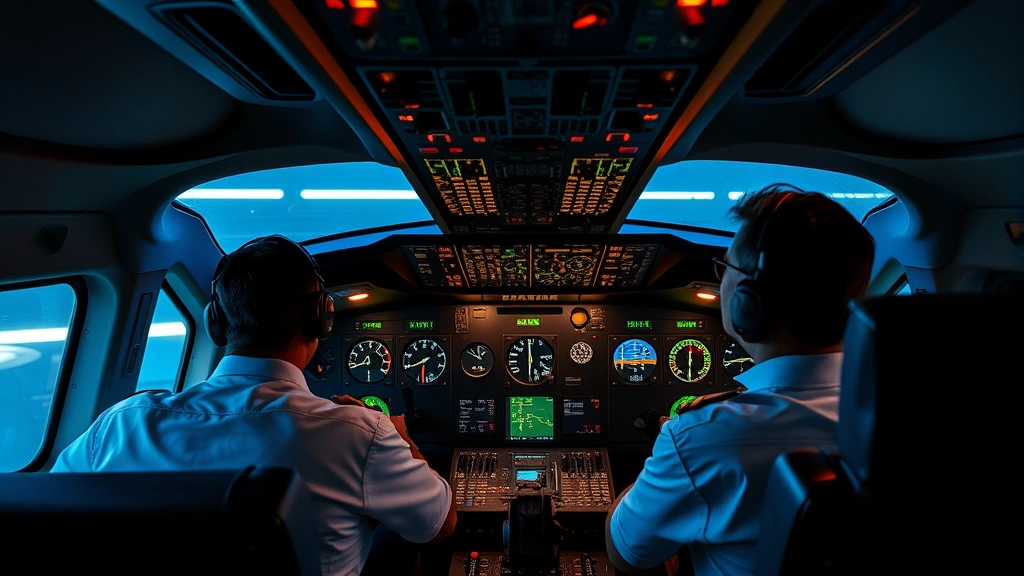
Training scenarios in flight simulators prepare pilots for exactly these kinds of situations. Modern flight simulators can reproduce virtually any system failure or combination of failures, allowing pilots to practice their responses in a safe environment. This simulator training is so realistic that pilots often report feeling genuine stress and urgency even though they know they’re in a simulator. The muscle memory and decision-making patterns developed through this training translate directly to real-world performance.
Crew resource management—the ability of flight crews to work together effectively, communicate clearly, and delegate tasks appropriately—played a crucial role in the Southwest incident response. Modern aviation training emphasizes that the captain and first officer must work as a coordinated team, with clear communication about what each crew member is doing and thinking. This teamwork approach has been proven to prevent accidents and mitigate the consequences of system failures.
Aircraft Pressurization and Cabin Safety
Understanding pressurization is essential to understanding why rapid descents, while uncomfortable and alarming, don’t typically result in loss of consciousness or serious injury to passengers. The human body can tolerate rapid pressure changes better than many people realize, though extreme rates of descent can cause discomfort and temporary physiological effects.
Cabin altitude is maintained at approximately 6,000 to 8,000 feet even when the aircraft cruises at 35,000 feet. This means passengers are experiencing pressure equivalent to being at a moderate mountain elevation, which is generally safe for healthy individuals. When pressurization is lost or degraded, the aircraft must descend to an altitude where the outside air pressure alone is sufficient to maintain safe cabin conditions.
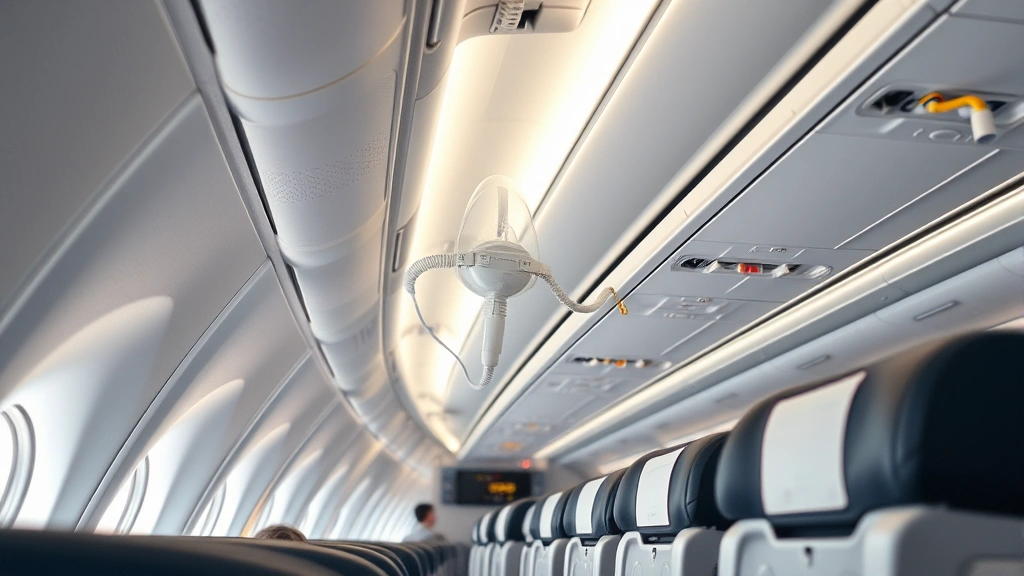
During a rapid descent, passengers may experience ear discomfort, sinus pressure, and temporary equilibrium disturbances. Oxygen masks deploy automatically if cabin altitude exceeds safe limits, providing supplemental oxygen to passengers and crew. These masks are simple to use—passengers need only place them over their nose and mouth and breathe normally. The oxygen system provides sufficient oxygen for several hours, more than enough time for the aircraft to descend to safe altitudes and reach an airport.
The Southwest flight incident demonstrated that even when rapid descent becomes necessary, the aircraft’s safety systems protect occupants effectively. Passengers who experienced the descent reported discomfort but no serious medical consequences. This outcome reflects decades of safety engineering and testing that ensures aircraft can safely accommodate emergency descents.
Regulatory Investigation Process
Following any significant aviation incident, federal regulators initiate a thorough investigation to determine the root cause and identify any systemic issues that need to be addressed. The National Transportation Safety Board leads investigations into civil aviation accidents and serious incidents, while the FAA participates and implements any necessary regulatory changes.
The investigation process is methodical and comprehensive. Investigators examine the aircraft’s maintenance records, pilot training records, weather conditions, air traffic control communications, and any physical evidence from the aircraft itself. The flight data recorder and cockpit voice recorder provide detailed information about what systems were doing and what the crew was doing and saying during the incident.
Safety investigators are specifically trained not to assign blame but rather to identify the factors that contributed to the incident and recommend changes that will prevent similar incidents in the future. This approach has proven highly effective in aviation safety, as it encourages airlines and manufacturers to report problems and participate fully in investigations without fear of punishment.
In the case of the Southwest flight incident, the investigation examined whether maintenance procedures were adequate, whether pilot training covered the scenario that occurred, and whether aircraft design features could be improved. Any recommendations emerging from the investigation are then evaluated by the FAA and, if warranted, implemented through airworthiness directives or changes to training requirements.
Passenger Safety During Rapid Descents
Passengers experiencing a rapid descent understandably feel alarmed, but understanding the safety measures in place can provide reassurance. During such events, flight attendants follow specific procedures designed to ensure passenger safety and provide reassurance. They secure the cabin, ensure overhead bins are closed, and prepare passengers for the descent.
The aircraft’s structure is engineered to withstand pressures and forces far exceeding anything experienced during emergency descents. Modern commercial aircraft are tested to failure points well beyond any conditions they would encounter in service. This safety margin means the aircraft structure itself is extremely robust and reliable.
Seatbelts and proper seating position become important during turbulent descents, as they help prevent passenger injury from unexpected movements. Flight attendants ensure passengers are seated and belted before the descent becomes severe. The aircraft’s design includes features like overhead bin latches that prevent contents from becoming dangerous projectiles during turbulence.
Communication from the flight crew to passengers is another critical safety element. Pilots who inform passengers about what’s happening and what to expect help reduce panic and anxiety. Passengers who understand that the descent is a controlled response to a specific situation are more likely to remain calm and follow crew instructions, which contributes to overall safety.
Industry Standards and Improvements
The aviation industry uses incidents like the Southwest flight dramatic plunge as opportunities to identify and implement improvements. Even when incidents resolve successfully, the industry asks whether procedures, training, or equipment could be enhanced to prevent similar incidents or improve response.
Following significant incidents, manufacturers may issue service bulletins recommending modifications to aircraft systems. Airlines may update their training programs to include new scenarios or emphasize particular procedures. The FAA may issue airworthiness directives requiring specific modifications or inspections on aircraft fleets.
Southwest Airlines, like all major carriers, maintains a strong safety culture that encourages continuous improvement. The airline conducts internal safety audits, participates in industry safety initiatives, and regularly reviews its maintenance and training procedures. When incidents occur, Southwest uses them as learning opportunities to strengthen its operations.
Industry-wide initiatives also emerge from serious incidents. After major accidents or significant incidents, the aviation industry often develops new standards or procedures that become industry best practices. These might include changes to how pilots are trained, how aircraft are maintained, or how airlines manage fatigue and crew scheduling. Over decades, these continuous improvements have made commercial aviation increasingly safe.
Modern best airlines for long flights maintain safety as their top priority, with comprehensive programs covering pilot training, aircraft maintenance, crew resource management, and safety culture. The resources devoted to these programs represent a significant investment, but airlines recognize that safety is both a moral imperative and essential to their business success.
FAQ
What causes rapid descent incidents in commercial aircraft?
Rapid descents can result from pressurization system failures, structural damage, severe weather encounters, or in rare cases, system malfunctions affecting flight control. Modern aircraft are designed with redundant systems to prevent any single failure from causing uncontrolled descent. When descent becomes necessary, it’s typically a controlled response to a specific situation rather than an emergency beyond the crew’s control.
Are oxygen masks guaranteed to deploy if needed?
Yes, aircraft oxygen mask systems deploy automatically when cabin altitude exceeds approximately 14,000 feet. The masks are connected to oxygen systems that provide sufficient oxygen for hours. Passengers simply place the mask over their nose and mouth and breathe normally. The system is regularly tested and maintained according to strict regulations.
How do pilots know what to do during system failures?
Pilots receive extensive training in simulator-based emergency procedures that cover virtually every possible system failure. They memorize checklists and decision trees that guide them through troubleshooting and corrective actions. This training is repeated regularly throughout their careers, ensuring procedures remain fresh in their minds.
What makes Southwest Airlines safe for travel?
Southwest, like all major US airlines, operates under strict FAA regulations covering aircraft maintenance, pilot training, and operational procedures. The airline maintains a strong safety culture, invests in training and equipment, and participates in industry safety initiatives. Airlines maintain rigorous safety standards that make commercial aviation one of the safest transportation modes.
How common are dramatic flight incidents?
Serious incidents are extremely rare in commercial aviation. The industry has achieved remarkable safety records through redundant systems, rigorous training, and continuous improvement. When incidents do occur, they’re investigated thoroughly and used to make the system even safer. The odds of experiencing a serious incident on a commercial flight are astronomically low.
What should passengers do if they experience a rapid descent?
Follow flight attendant instructions, remain seated with seatbelt fastened, and stay calm. If oxygen masks deploy, place yours on first and then assist others. Listen to crew communications—they’ll explain what’s happening and what to expect. Remember that the aircraft is equipped with multiple safety systems and trained professionals are responding to the situation.