United Flight Diverts to Anchorage: Fuel Leak Incident Report and What Passengers Need to Know
On a routine transpacific flight, a United Airlines aircraft encountered an unexpected mechanical issue that required an emergency diversion to Anchorage, Alaska. A fuel leak detected mid-flight prompted the flight crew to take immediate precautionary measures, ensuring passenger safety remained the top priority. This incident highlights the rigorous safety protocols that commercial aviation maintains and the importance of understanding what happens when mechanical issues arise during flight.
Fuel system integrity is one of the most critical safety systems on any commercial aircraft. When pilots detect anomalies in fuel quantity readings or receive warnings from onboard monitoring systems, they must act swiftly and decisively. The United flight diversion demonstrates how modern aircraft detection systems work effectively to identify problems before they become dangerous, allowing crews to land safely at the nearest suitable airport.
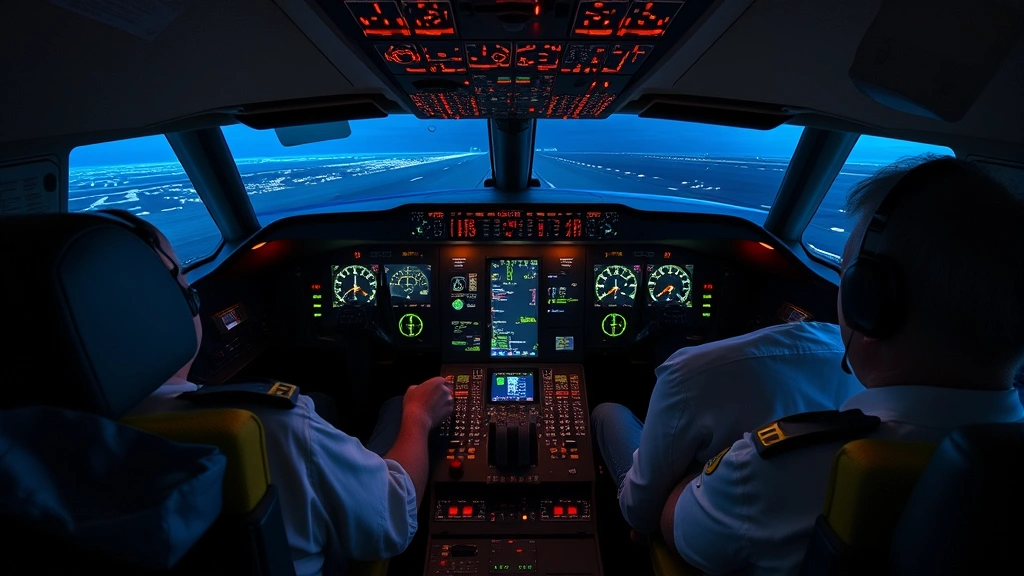
What Happened During the United Flight Fuel Leak Incident
The United Airlines flight was operating on a long-haul international route when the flight deck crew received indications of a potential fuel system anomaly. Modern commercial aircraft like the Boeing 787 Dreamliner and Airbus A350 are equipped with sophisticated fuel management systems that continuously monitor fuel quantity, pressure, and system integrity. When these systems detect discrepancies between expected and actual fuel levels, they alert the flight crew immediately.
Upon receiving the alert, the flight crew followed established procedures by running through comprehensive diagnostic checklists. They confirmed the fuel leak indication was genuine and not a sensor malfunction. With fuel efficiency being paramount on long-distance flights, even small leaks can become significant concerns over hours of flight time. The pilots made the prudent decision to divert to the nearest suitable airport with adequate maintenance facilities—Anchorage International Airport in Alaska.
This decision exemplifies the cautious approach that commercial aviation takes toward safety. Rather than continuing to their original destination and risking fuel depletion, the crew prioritized landing at a location where the aircraft could be inspected and repaired properly. The diversion was executed smoothly, with passengers informed of the situation and the reasons behind the decision.
Understanding Aircraft Fuel Systems and Leak Detection
Commercial aircraft fuel systems are remarkably complex, designed with multiple redundancies and safety features. A typical large commercial jet carries fuel in several tanks distributed throughout the wings and fuselage. These tanks are interconnected through a series of pumps, valves, and crossfeed systems that allow fuel to be distributed to engines in specific sequences to maintain proper weight balance and aircraft stability.
The fuel quantity indication system uses capacitance-type sensors installed in each fuel tank. These sensors measure the electrical capacitance of the fuel, which changes as fuel levels rise or fall. Modern aircraft also employ dedicated fuel system monitoring computers that cross-reference readings from multiple sensors. If discrepancies appear between tank readings or if fuel quantity decreases faster than engine consumption rates would indicate, the system triggers alerts.
Leak detection can occur through several mechanisms. Electronic sensors might detect abnormal fuel pressure drops. Flight engineers or pilots might notice fuel quantity decreasing at rates inconsistent with engine fuel consumption. In some cases, maintenance personnel discover leaks during visual inspections of the aircraft. When a fuel leak is suspected during flight, the flight crew must immediately assess the severity and determine the safest course of action.
When you’re flying with airlines known for long-haul operations, understanding these safety systems provides confidence in the measures protecting you. The redundancy built into fuel systems means that a single leak, while requiring diversion, poses no danger to aircraft and occupants when properly managed by trained professionals.
Emergency Diversion Procedures and Anchorage as an Alternate Airport
When a pilot declares a need to divert from the planned route due to mechanical or safety concerns, they follow a well-established protocol. The first step involves notifying air traffic control of the situation and requesting vectors to the nearest suitable alternate airport. Air traffic controllers prioritize the diverted aircraft, clearing other traffic and preparing the destination airport for the arrival.
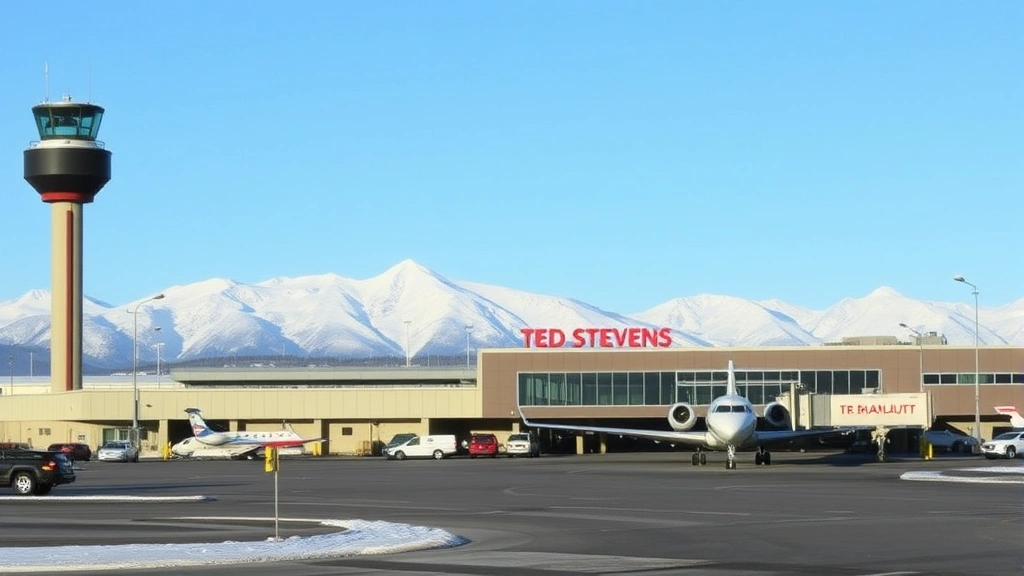
Anchorage International Airport (Ted Stevens Anchorage International Airport) serves as a critical hub for transpacific flights. Its strategic location makes it an ideal alternate airport for aircraft operating between Asia and North America. The airport features long runways capable of accommodating large commercial aircraft, comprehensive maintenance facilities, and experienced ground crews trained to handle emergency situations.
The diversion to Anchorage was particularly appropriate because the airport maintains FAA-certified maintenance facilities capable of diagnosing and repairing complex fuel system issues. United Airlines also operates regularly from Anchorage, meaning the airline has maintenance personnel and spare parts available at the location. This reduces turnaround time and allows for comprehensive inspections before the aircraft continues to its destination.
Upon landing, the aircraft is immediately taken to a maintenance hangar where technicians conduct a thorough inspection of the fuel system. They pressurize the system, visually inspect all fuel lines, check seals and connections, and perform leak detection using specialized equipment. Once the issue is identified and corrected, the aircraft undergoes a complete functional test before returning to service.
Passenger Rights and Compensation After Flight Diversions
When a flight is diverted due to mechanical issues, passengers are entitled to certain rights and protections depending on the circumstances and applicable regulations. Understanding these rights helps travelers navigate unexpected situations and know what compensation or assistance they’re entitled to receive.
In the United States, the Department of Transportation requires airlines to provide meals, beverages, and lodging when necessary due to airline-caused delays or diversions. If the diversion results in an overnight stay, passengers must be provided with hotel accommodations. Airlines must also provide communication services—either direct phone calls or internet access—so passengers can notify family and business contacts of the delay.
For international flights, the Montreal Convention and European Union regulations (if applicable) may provide additional protections. Depending on the flight distance and delay length, passengers might be eligible for compensation ranging from $250 to $600 or more. However, compensation is typically not provided if the airline can demonstrate that the mechanical issue was unforeseeable or that all reasonable measures were taken to prevent it.
When dealing with refundable airline tickets and compensation claims, passengers should document all expenses incurred during the diversion. Keep receipts for meals, hotel stays, ground transportation, and any other costs directly caused by the delay. File claims with the airline promptly, providing documentation and referring to specific regulations that apply to your flight.
Safety Protocols That Protect You in the Air
The United flight diversion incident underscores the multiple layers of safety that protect commercial aviation passengers. Modern aircraft operate under some of the strictest safety standards in any industry. Every system is designed with redundancy, meaning if one component fails, backup systems automatically take over.
Pilots undergo extensive training in abnormal procedures and emergency responses. They practice scenarios like fuel system failures, engine problems, and hydraulic system malfunctions in flight simulators before ever encountering real situations. This training, combined with detailed checklists and decision trees, ensures consistent, appropriate responses to mechanical issues.
Aircraft maintenance follows rigorous schedules mandated by aviation authorities. Routine checks occur after every flight, with deeper inspections happening at regular intervals (typically every 400-600 flight hours). Major overhauls occur every several years, during which aircraft are essentially rebuilt and inspected component by component. This preventive maintenance approach catches many problems before they pose safety risks.
The FAA and international aviation authorities establish airworthiness standards that all commercial aircraft must meet. These standards cover structural integrity, system redundancy, failure analysis, and emergency procedures. Aircraft must demonstrate compliance through extensive testing before receiving certification to carry passengers.
How Airlines Handle Mechanical Issues and Delays
When an airline encounters a mechanical problem like the fuel leak on the United flight, their response involves multiple departments working in coordination. The flight operations center monitors the situation in real-time, providing support to the flight crew and coordinating with maintenance, customer service, and ground operations.
Once the aircraft lands at the diversion airport, the maintenance department takes control. They perform initial diagnostics to confirm the problem, then develop a repair plan. For complex issues like fuel system leaks, repairs might involve removing fuel tanks, replacing seals or lines, and conducting pressure tests. This process can take several hours to complete.
While maintenance works on the aircraft, customer service handles passenger accommodations. They arrange hotels, meals, and ground transportation. They also manage rebooking options, either placing passengers on the next available flight or offering alternative routing. Airlines typically prioritize getting passengers to their final destinations while maintaining the highest safety standards for aircraft operations.
Communication is critical during these situations. Airlines should proactively inform passengers of the situation, expected delays, and what assistance is being provided. Modern airline apps and email systems allow for real-time updates. Passengers should monitor these communications and reach out to customer service if they have questions or special needs.
Preparing for Unexpected Flight Changes
While flight diversions due to mechanical issues are rare, understanding how to prepare for unexpected travel disruptions helps you navigate these situations more smoothly. Airline information and traveler tips should include understanding your rights and preparing documentation.
Before traveling, purchase travel insurance that covers mechanical delays and cancellations. Quality travel insurance reimburses you for non-refundable expenses if you need to rebook or miss connections. It also covers additional hotel nights and meal expenses, reducing your out-of-pocket costs during disruptions.
Keep important documents organized and accessible. Have your airline confirmation number, passport, and contact information readily available. Store these in both physical form and digital formats (email, cloud storage, smartphone). If a diversion occurs, you’ll have immediate access to critical information without searching through luggage.
Maintain flexibility in your travel plans whenever possible. If you’re connecting to another flight, build in adequate layover time. If you’re on a tight schedule, consider purchasing tickets on separate reservations rather than as a through-booking, though this carries some risk of missing connections. Understanding booking strategies and timing helps you make informed decisions about layover lengths and itinerary flexibility.
Pack essential items in your carry-on bag, including medications, phone chargers, important documents, and a change of clothes. If your checked luggage doesn’t make it to your final destination due to a diversion, you’ll have necessities available immediately. Airlines will eventually deliver checked bags, but this can take a day or more.
Stay informed during your journey. Monitor airline communications, check flight status regularly, and don’t hesitate to contact customer service if you have questions. Being proactive and informed helps you respond effectively to unexpected situations and ensures you receive all assistance and compensation you’re entitled to.
When diversion incidents occur, remember that the airline’s primary concern is your safety. Mechanical issues that prompt diversions are handled seriously precisely because safety is paramount. Thousands of flights operate successfully every day because of these rigorous standards and protocols. The United flight diversion to Anchorage exemplifies how well these systems work—a potential safety issue was detected, the crew responded appropriately, and passengers reached their destinations safely.
Frequently Asked Questions
What should I do if my flight is diverted due to mechanical issues?
Stay calm and follow crew instructions. Listen for announcements about the diversion and reasons for the change. Once on the ground, contact the airline’s customer service to understand your options and what assistance is available. Document all expenses you incur during the diversion for potential reimbursement or compensation claims.
Am I entitled to compensation if my flight is diverted?
Compensation eligibility depends on the circumstances and applicable regulations. In the US, airlines must provide meals, lodging, and communication if a diversion causes delays. International flights may qualify for additional compensation under regulations like the Montreal Convention. Review the airline’s policy and applicable regulations for your specific situation.
How long does it typically take to repair a fuel leak on an aircraft?
Fuel system repairs vary in complexity. Simple seal replacements might take 2-4 hours, while more extensive repairs involving fuel tank removal could take 8-24 hours or longer. The timeline depends on the leak’s location, the specific components needing replacement, and parts availability.
Is it safe to fly on an aircraft that’s had a fuel leak repaired?
Yes, absolutely. Aircraft undergo comprehensive testing after any maintenance. Fuel systems are pressure-tested, functionally tested, and verified to work correctly before the aircraft returns to service. The extensive inspection and testing process ensures the aircraft meets all safety standards.
How do pilots know when there’s a fuel leak?
Modern aircraft have multiple fuel monitoring systems including fuel quantity sensors in each tank, fuel pressure indicators, and fuel flow meters. These systems alert pilots when fuel levels drop faster than engine consumption rates indicate or when pressure readings are abnormal. Pilots also receive training to recognize subtle signs of fuel system problems.
Should I buy travel insurance to protect against flight diversions?
Travel insurance can provide valuable protection, especially for long international flights or when you have tight connections. Quality policies cover expenses related to mechanical delays, including hotel accommodations, meals, and rebooking fees. Consider purchasing insurance if your trip involves significant expenses or tight scheduling.
What happens to my luggage if my flight is diverted?
Checked luggage typically continues with the aircraft or is rerouted to your final destination. If your luggage doesn’t arrive with you, the airline will deliver it once it reaches your destination, usually within 24-48 hours. Keep valuable items and essentials in your carry-on bag to ensure access if separated from checked luggage.