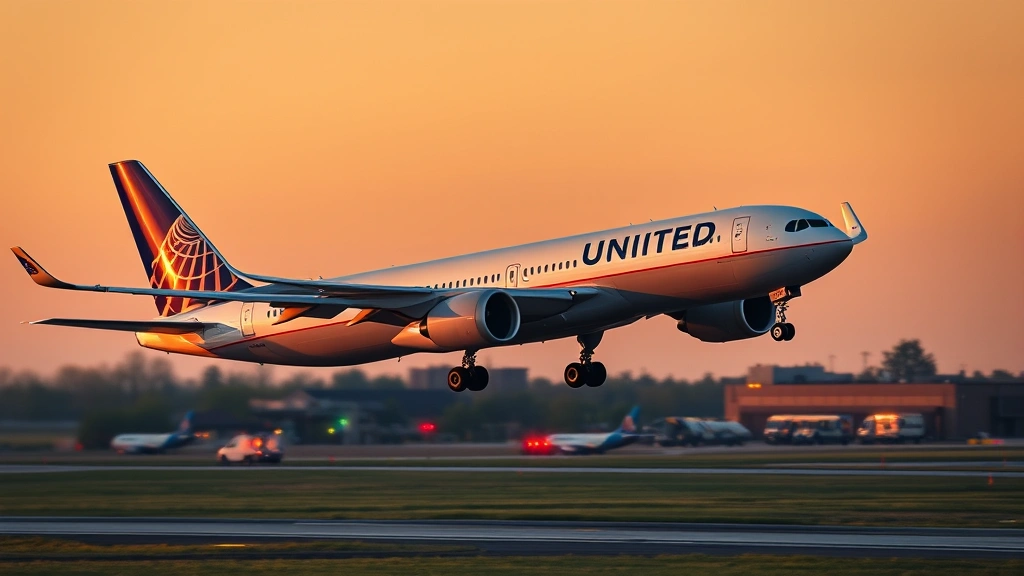
Emergency Landing Guide: United Airlines Procedures
When a United Airlines flight makes an emergency landing at Dulles Airport or any major hub, it represents a critical moment that demands precision, training, and passenger awareness. Emergency landings are among the most serious situations aviation professionals face, yet modern aircraft and rigorous safety protocols make these events manageable. Understanding what happens during an emergency landing—from the pilot’s perspective to passenger responsibilities—provides valuable insight into how airlines like United prioritize safety above all else.
Whether you’re a frequent flyer or preparing for your first flight, knowing the emergency procedures can reduce anxiety and help you respond appropriately if the unexpected occurs. United Airlines, as one of the world’s largest carriers, maintains some of the most comprehensive emergency response systems in the industry. This guide explores the procedures, protocols, and passenger expectations during emergency landings, with specific attention to operations at major airports like Dulles International.
What Constitutes an Emergency Landing
An emergency landing occurs when an aircraft must land urgently due to mechanical failure, medical emergency, weather conditions, or other critical situations that prevent normal flight operations. These situations vary in severity—some represent genuine life-threatening emergencies, while others are precautionary measures taken to ensure passenger and crew safety. Understanding this distinction helps passengers remain calm and follow crew instructions effectively.
Common reasons for emergency landings include engine problems, hydraulic failures, electrical system malfunctions, medical emergencies requiring immediate ground treatment, and structural damage from weather or incidents. United Airlines pilots receive extensive training to recognize situations requiring immediate descent and landing. The decision to declare an emergency is made conservatively—better to land safely as a precaution than risk continuing flight with potential complications.
When pilots declare an emergency, air traffic control grants them priority handling. This means the aircraft receives immediate landing clearance, other traffic is diverted, and emergency services are pre-positioned. At major airports like Dulles, this coordinated response involves multiple agencies working simultaneously to ensure the safest possible outcome.
United Airlines Emergency Procedures
United Airlines operates under Federal Aviation Administration (FAA) regulations that mandate specific emergency procedures. Every United aircraft carries detailed emergency equipment, and every crew member completes regular training on emergency response protocols. The airline’s procedures reflect decades of aviation safety evolution and continuous improvement based on industry experience.
The flight crew’s primary responsibility during an emergency is aircraft control and safe landing. Pilots follow established checklists for various emergency scenarios—engine fire, loss of pressurization, hydraulic failure, and others. These checklists guide them through systematic steps to stabilize the aircraft and prepare for landing. Meanwhile, flight attendants receive specific instructions through the cockpit intercom about passenger preparation and emergency equipment deployment.
United’s emergency procedures emphasize clear communication. Pilots inform passengers about the situation and expected procedures. Flight attendants position themselves strategically throughout the cabin, ensure emergency exits are accessible, and prepare passengers for various landing scenarios. This transparent communication reduces panic and helps passengers understand what to expect, which is why airlines like United emphasize airlines key information and tips for travelers during pre-flight safety demonstrations.
The airline maintains partnerships with emergency response teams at all major hubs, including Dulles. These relationships ensure rapid deployment of medical personnel, fire services, and ground support when needed. United’s operations team tracks aircraft status continuously and coordinates with airport authorities to prepare facilities before the aircraft even arrives.
Pre-Landing Preparations
Once an emergency is declared, the flight crew initiates specific preparation sequences. Pilots reduce speed gradually to a safe landing approach speed while descending to the airport. This measured descent prevents additional stress on the aircraft structure and allows systems time to stabilize. For emergencies involving engine problems, pilots may need to maneuver toward the nearest suitable airport rather than the original destination.
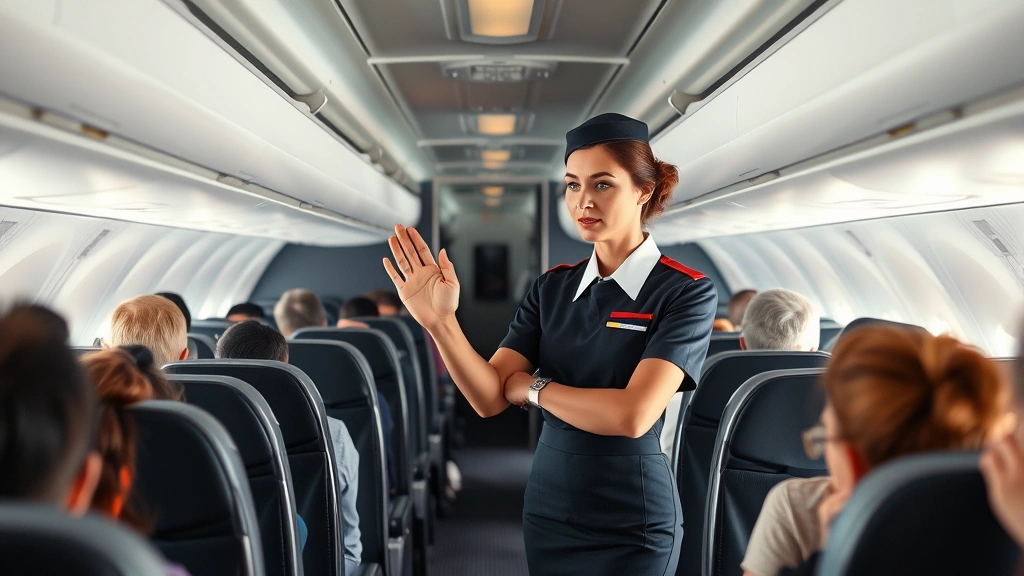
Inside the cabin, flight attendants brief passengers on proper emergency landing positions and procedures. The brace position—forward-leaning with hands protecting the head—reduces injury risk during impact. Passengers are instructed to remove hard objects from pockets, secure loose items, and prepare mentally for the landing. Flight attendants ensure overhead bins are secured and aisles are cleared of obstacles.
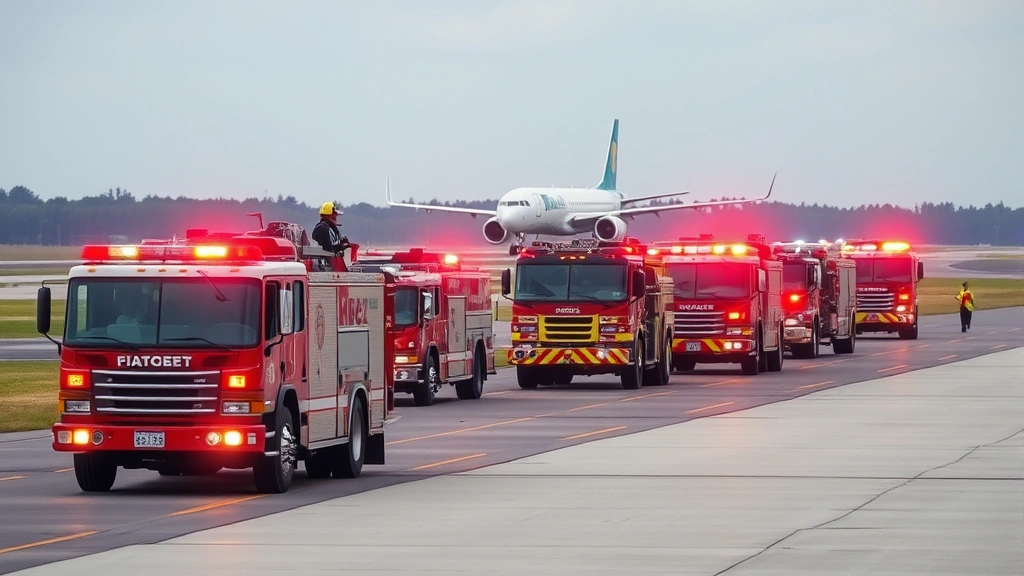
At Dulles Airport, ground crews receive notification of the incoming emergency aircraft. Fire trucks, ambulances, and specialized equipment position themselves along the runway. Medical personnel prepare facilities for potential patient treatment. Airport operations suspend other traffic to ensure the emergency aircraft has a clear approach path. This coordination transforms the airport into a focused response environment within minutes of the initial alert.
The Emergency Landing Process
The actual emergency landing involves precise coordination between pilots, air traffic control, and ground personnel. Pilots request and receive priority landing clearance, often on the longest available runway to provide maximum stopping distance. As the aircraft descends, pilots continuously assess system status and communicate with air traffic control about any changing conditions.
During final approach, pilots reduce speed further and configure the aircraft for landing. Flaps extend gradually, landing gear deploys, and the aircraft settles onto the approach path. Air traffic control provides continuous updates about wind conditions, runway status, and other relevant information. Pilots focus entirely on the landing procedure, with one pilot controlling the aircraft while the other manages systems and communication.
The landing itself requires smooth control inputs despite potential system limitations. A pilot might land an aircraft with partial hydraulic failure, degraded braking capability, or other complications requiring modified technique. The goal is a stable, controlled landing at a speed and descent rate that the damaged aircraft can safely handle. Modern aircraft design provides redundancy in critical systems, allowing safe landing even with significant damage.
Ground personnel monitor the approach and prepare to respond immediately upon touchdown. Fire trucks follow the aircraft, medical personnel stand ready, and ground crews prepare to assist passengers if evacuation becomes necessary. The moment the aircraft touches down, the emergency response fully activates.
Passenger Responsibilities During Emergency
Passengers play a crucial role in emergency situations through compliance and awareness. The primary responsibility is listening to and following crew instructions immediately and without question. Flight attendants have extensive emergency training and understand the specific situation; their guidance reflects this expertise. Passengers should suppress the urge to use phones, gather belongings, or move about the cabin until explicitly cleared by crew members.
Assuming the brace position when instructed protects against injury during landing. Hands should cover the head and neck, with arms tucked against the body. Feet should remain flat on the floor. This position, while uncomfortable, significantly reduces injury severity in impact scenarios. Practicing this position before flying helps passengers respond instinctively during actual emergencies.
Passengers should remain seated with seatbelts fastened until the aircraft comes to a complete stop and crew members provide clear instructions. Even after landing, emergency situations may require specific evacuation procedures. Rushing or ignoring crew instructions creates dangerous conditions for everyone. Passengers near emergency exits should be prepared to assist with door operation if trained crew members request assistance.
Remaining calm is perhaps the most important passenger responsibility. Panic spreads quickly and compromises the safety of entire groups. Taking deep breaths, trusting the crew, and focusing on following instructions helps maintain the composure necessary for safe emergency response. Experienced flight attendants are trained to recognize and manage panicked passengers, but passenger self-regulation makes their job easier and improves overall safety outcomes.
Dulles Airport Emergency Response
Ronald Reagan Washington National Airport (Dulles) maintains sophisticated emergency response capabilities befitting a major international hub. The airport’s emergency operations center coordinates responses to aircraft emergencies, medical situations, and other critical incidents. When a United Airlines flight declares an emergency, Dulles’ emergency response system activates through established protocols.
The airport maintains dedicated emergency vehicles including specialized firefighting trucks, rescue equipment, and medical transport units. These resources position themselves strategically based on the aircraft type, runway assignment, and reported emergency nature. Airport operations suspend departures on affected runways and divert approaching traffic to maintain safe separation.
Dulles’ location near Washington D.C. provides access to additional resources including nearby hospitals with trauma centers, National Guard facilities, and federal emergency response capabilities. The airport’s emergency planning incorporates these regional resources, ensuring comprehensive response capability for any scenario. Regular drills and exercises keep personnel trained and procedures current.
When an aircraft lands, ground personnel establish secure zones around the aircraft. Only authorized emergency responders access the immediate area until the situation is fully assessed. This controlled approach prevents interference with emergency operations while protecting bystanders. If evacuation becomes necessary, ground personnel guide passengers to safe areas and provide initial medical assessment and treatment.
Post-Landing Procedures
After emergency landing, procedures depend on the specific situation and aircraft condition. If the aircraft remains safe and passengers can disembark normally, ground crews position stairs or jetways, and passengers exit through standard procedures. Flight attendants account for all passengers and crew, ensuring no one remains aboard. Medical personnel assess any passengers requiring treatment and provide appropriate care.
If evacuation becomes necessary, flight attendants deploy emergency slides at doors. Passengers exit rapidly but in controlled fashion, sliding to the ground and moving away from the aircraft to designated assembly areas. Ground personnel guide passengers and account for everyone. This process, while dramatic, is practiced extensively in crew training and rarely causes injury when properly executed.
United Airlines provides immediate support to affected passengers. Ground staff offer water, blankets, and other comfort items while passengers gather in terminal facilities or designated areas. The airline arranges alternative transportation for passengers continuing to their destinations and provides communication assistance for those needing to contact family members. Hotels are arranged if passengers cannot continue the same day.
The aircraft undergoes thorough inspection before returning to service. Maintenance crews examine all systems, identify damage, repair components, and conduct extensive testing. United’s maintenance standards exceed regulatory minimums, ensuring aircraft are fully functional before flying again. This process may take hours or days depending on emergency severity.
Training and Preparedness
United Airlines pilots receive regular emergency training through simulators that replicate various emergency scenarios. These sessions cover engine failures, hydraulic loss, electrical problems, weather emergencies, and medical situations. Pilots practice responses until procedures become automatic, allowing rapid decision-making during actual emergencies. This training occurs annually at minimum, with additional training as new aircraft enter the fleet.
Flight attendants complete emergency training during initial qualification and receive recurrent training regularly. This training covers evacuation procedures, emergency equipment operation, medical response, and passenger management during crises. Flight attendants learn to remain calm under extreme stress and make rapid decisions affecting passenger safety. Their training is comprehensive and practical, emphasizing real-world scenarios.
Ground personnel at Dulles and other airports receive specialized emergency response training. Airport firefighters, rescue personnel, and medical teams train on aircraft rescue procedures, hazardous material handling, and mass casualty management. These professionals understand aircraft systems, emergency equipment locations, and passenger rescue techniques. Their expertise ensures rapid, effective response when emergencies occur.
The National Transportation Safety Board (NTSB) investigates significant aviation incidents and accidents, identifying contributing factors and recommending safety improvements. These investigations lead to procedural changes, equipment upgrades, and training modifications throughout the industry. United and other airlines implement these recommendations, continuously improving safety based on real-world experience.
For passengers, understanding best airlines for long flights includes evaluating airlines’ safety records and emergency preparedness. Reviewing pre-flight safety information, even for frequent flyers, maintains awareness of emergency procedures. Passengers who understand what to expect during emergencies respond more effectively when situations arise, contributing to overall safety outcomes.
FAQ
What should I do if I’m on a United flight that declares an emergency?
Listen carefully to crew instructions and follow them immediately. Assume the brace position when instructed, keep your seatbelt fastened, and remain seated until cleared by crew members. Avoid using phones or moving about the cabin. Trust that the crew has extensive training for this situation and your compliance is your most important contribution to safety.
How often do emergency landings occur?
Emergency landings are relatively rare considering the millions of flights operating daily worldwide. Most flights complete normally without incident. However, when situations arise requiring precautionary landing, airlines prioritize safety and land immediately. Many emergency landings result in no injuries, demonstrating the effectiveness of modern safety systems and procedures.
Is my flight safer with United Airlines than other carriers?
United Airlines maintains safety standards equal to or exceeding industry requirements. All major U.S. carriers operate under the same FAA regulations and maintain comparable safety records. When choosing airlines, factors like aviation safety information from travel blogs and official safety records can inform your decision. United’s extensive training programs and emergency procedures reflect industry best practices.
What happens to my luggage during an emergency landing?
During emergency situations, luggage remains secondary to passenger safety. Luggage secured in overhead bins or cargo holds stays with the aircraft. If evacuation occurs, passengers exit without luggage and ground personnel retrieve bags afterward. Airlines reunite passengers with luggage once the emergency situation is resolved, typically within hours.
Will I be compensated if my flight makes an emergency landing?
Compensation depends on whether the emergency was within the airline’s control. Mechanical failures may trigger compensation under certain circumstances, while weather-related emergencies typically do not. United’s customer service team addresses compensation claims following emergency incidents. Passengers should contact the airline directly to discuss their specific situation and available options.
How can I prepare for potential emergencies before flying?
Review safety information provided during pre-flight demonstrations, even if you’ve seen it before. Familiarize yourself with emergency exit locations and procedures. Wear comfortable clothing and secure footwear appropriate for rapid evacuation. Practice the brace position mentally so you can assume it instinctively. Read essential tips for long haul flights which include emergency preparedness. Most importantly, maintain realistic perspective—emergencies are rare, but preparation ensures you respond effectively if one occurs.
What is the difference between an emergency landing and an accident?
An emergency landing is a controlled descent to the ground in response to a problem. The aircraft lands safely, passengers disembark, and normal procedures resume, potentially with medical treatment for injured parties. An accident involves uncontrolled impact causing significant damage and casualties. Emergency landings are successful safety procedures; accidents are failures of safety systems. Modern aviation emphasizes preventing accidents through emergency landing procedures.


