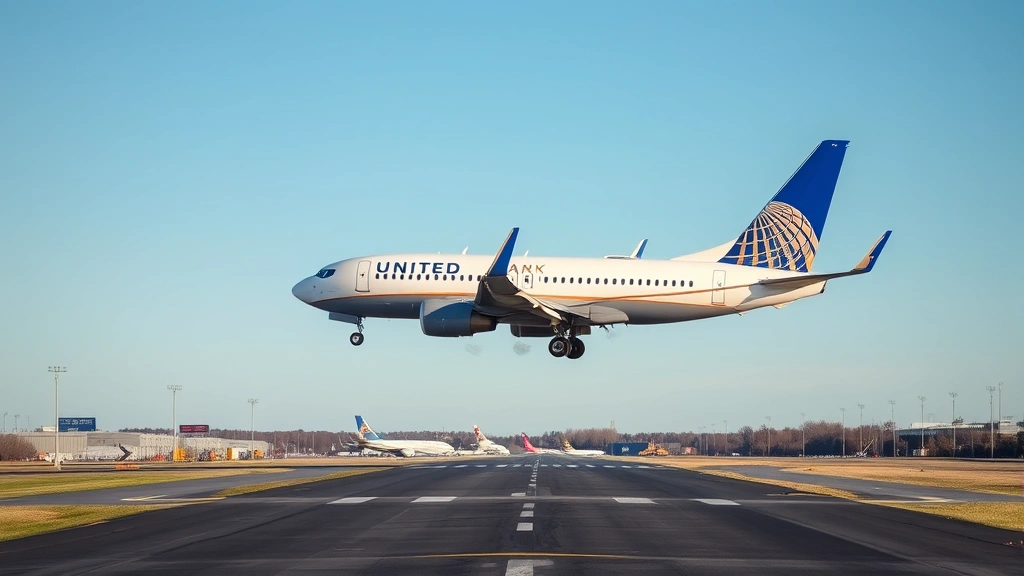
Emergency Landing at Newark? United Airlines Update
Flight disruptions and emergency landings are among the most stressful experiences for air travelers. When a United Airlines flight makes an emergency landing at Newark Airport, it raises immediate concerns about passenger safety, flight operations, and travel plans. Understanding what triggers emergency landings, how airlines respond, and what passengers should expect can help demystify these alarming situations and provide clarity during uncertain times.
Newark Liberty International Airport (EWR), one of the busiest aviation hubs in the northeastern United States, handles thousands of flights daily from major carriers including United Airlines. When emergency situations occur at this critical transportation hub, they can affect hundreds of passengers and create ripple effects across the entire flight network. This comprehensive guide explores the realities of emergency landings, the protocols that airlines follow, and practical information for travelers who may find themselves in similar situations.
What Constitutes an Emergency Landing
An emergency landing is any unscheduled descent and landing made by an aircraft due to circumstances beyond normal flight operations. These situations range from minor mechanical issues requiring precautionary landings to serious situations involving engine problems, hydraulic failures, or medical emergencies aboard. The Federal Aviation Administration (FAA) maintains strict protocols that pilots must follow when declaring an emergency, and modern aircraft are engineered with multiple redundant systems to handle critical failures safely.
When a pilot determines that an emergency exists, they immediately notify air traffic control using the word “Mayday” (from the French “m’aider,” meaning help me) or “PAN” for less critical situations. This declaration triggers a coordinated response involving ground personnel, emergency services, and airport operations. The pilot works closely with air traffic controllers to determine the best course of action, which might include diverting to the nearest suitable airport or continuing to the intended destination if the situation permits.
Common reasons for emergency landings include engine malfunctions, hydraulic system failures, electrical problems, pressurization issues, landing gear complications, bird strikes, severe weather encounters, medical emergencies, and security concerns. Each situation requires different responses, but all follow established procedures designed to maximize safety. Modern aircraft technology and pilot training have made aviation remarkably safe, with emergency landing procedures refined through decades of experience and continuous improvement.
United Airlines Safety Protocols
United Airlines, as one of the nation’s largest carriers, maintains rigorous safety standards that exceed regulatory requirements. The airline invests heavily in aircraft maintenance, crew training, and safety technology to prevent emergencies before they occur. United’s fleet includes modern aircraft equipped with advanced avionics, redundant safety systems, and real-time monitoring capabilities that allow maintenance teams to identify potential issues before they become critical problems.
When a United flight experiences an emergency situation, the airline’s protocols activate immediately. Flight crews receive extensive training on emergency procedures, including simulator-based training that replicates various failure scenarios. Pilots practice emergency descents, engine failures, hydraulic problems, and other critical situations regularly to maintain proficiency. Cabin crew members are trained in passenger evacuation, first aid, and emergency communication to support pilots and ensure orderly passenger response during critical moments.
United’s maintenance programs follow a comprehensive inspection schedule that includes daily checks before each flight, regular maintenance intervals, and extensive overhauls at predetermined flight hour intervals. The airline employs thousands of aircraft maintenance technicians who inspect every system, component, and surface according to manufacturer specifications and FAA requirements. Additionally, United participates in the FAA’s voluntary safety reporting systems and industry safety initiatives to identify and address potential issues across the aviation system.
When an emergency landing occurs, United’s operations team coordinates ground response, passenger communications, and recovery efforts. The airline works with airport authorities, emergency services, and other stakeholders to manage the situation and support affected passengers. United also maintains comprehensive insurance coverage and has established procedures for passenger accommodations, rebooking, and compensation in accordance with federal regulations and company policies.
Newark Airport Emergency Response
Newark Liberty International Airport maintains sophisticated emergency response infrastructure designed to handle aircraft emergencies of any magnitude. The airport’s operations center coordinates with the FAA’s Newark Air Traffic Control Tower, emergency services, and ground personnel to respond rapidly to any declared emergency. Newark’s Emergency Operations Plan outlines specific procedures for various scenarios, from medical emergencies to aircraft fires, and regular drills ensure that all personnel understand their roles and responsibilities.
The airport operates a dedicated Emergency Operations Center staffed by experienced personnel trained in incident command and crisis management. When an emergency is declared, the EOC activates immediately, deploying fire rescue vehicles, medical personnel, and equipment to designated positions. Newark’s fire and rescue teams are specially trained in aircraft emergency response and equipped with foam suppression systems, specialized rescue equipment, and advanced medical capabilities. The airport also maintains close coordination with local hospitals, emergency management agencies, and law enforcement to ensure comprehensive response capacity.
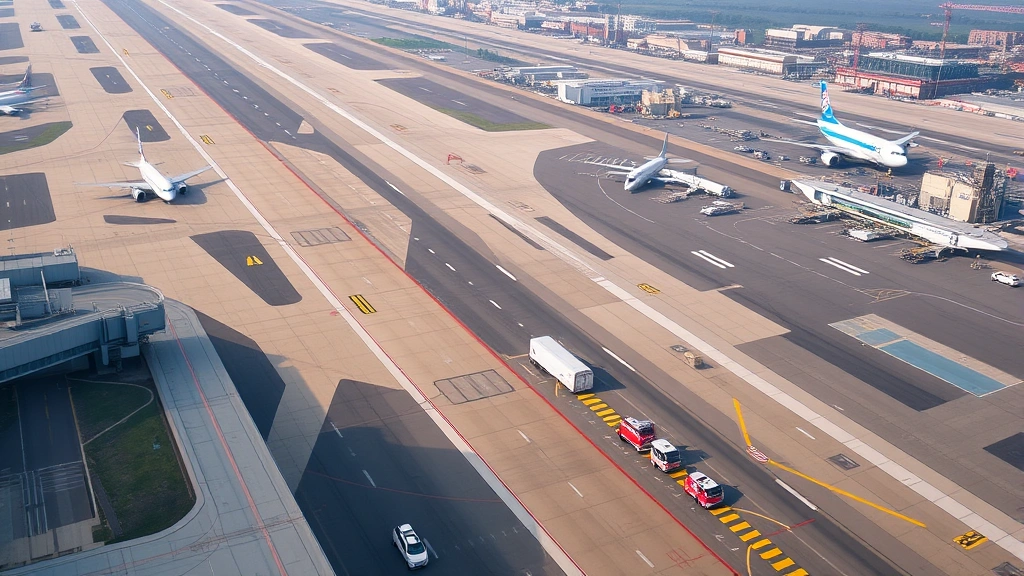
Newark’s runways and taxiways are designed to accommodate emergency landings safely, with wide surfaces, clear approach paths, and lighting systems that function in all weather conditions. The airport’s Air Traffic Control Tower maintains constant communication with inbound aircraft and can provide guidance for emergency approaches. Ground personnel monitor weather conditions continuously and can provide pilots with real-time information about wind, visibility, and other factors affecting landing safety. When an emergency landing occurs, ground crews clear approach corridors, position emergency equipment, and prepare to respond immediately upon aircraft arrival.
Recent Emergency Landing Incidents
While specific recent incidents involving United Airlines at Newark require verification from official sources, emergency landings occur periodically across the aviation system as a normal part of operations. The FAA and the National Transportation Safety Board (NTSB) maintain detailed databases of aviation incidents and accidents, providing transparency about safety events and investigation findings. Most emergency landings result in safe aircraft landings with no injuries, demonstrating the effectiveness of modern safety systems and pilot training.
To stay informed about specific incidents involving your airline or airport, travelers should consult official sources including the Federal Aviation Administration, the National Transportation Safety Board, and airline official websites. United Airlines maintains a news section on their website where they communicate about operational disruptions and safety matters. Local news outlets also report on significant aviation events, and aviation safety organizations track and analyze incident data to identify trends and improvement opportunities.
The aviation industry maintains one of the most robust safety records of any transportation mode, with continuous monitoring and improvement efforts. Each incident, regardless of severity, is investigated thoroughly to identify contributing factors and implement preventive measures. This commitment to safety investigation and continuous improvement has made modern aviation increasingly safe over decades, with fatality rates continuing to decline as technology and procedures advance.
Passenger Rights and Compensation
When a United Airlines flight experiences significant delays or cancellations due to emergency situations, passengers have rights under federal regulations and airline policies. The Department of Transportation’s regulations require airlines to provide clear communication about delays and cancellations, offer rebooking on alternative flights, and provide meals, lodging, and ground transportation when necessary for extended delays. Understanding these rights helps travelers navigate disruptions more effectively and ensures they receive entitled compensation and accommodations.
Passengers on delayed or cancelled flights should request written confirmation of the delay or cancellation from airline personnel, as this documentation supports compensation claims. Under DOT regulations, airlines must provide compensation ranging from $400 to $800 depending on flight length and delay duration when cancellations or oversales occur due to airline-controllable factors. However, emergency situations and safety-related diversions may qualify as extraordinary circumstances beyond the airline’s control, which can affect compensation eligibility.
For extended delays or disruptions, passengers can claim reimbursement for reasonable expenses including meals, hotel accommodations, and ground transportation. Keep all receipts and documentation of expenses incurred due to the disruption. If a flight is cancelled entirely, passengers have the right to either rebook on the next available flight to their destination or receive a full refund of their ticket price. United Airlines typically processes rebooking automatically when possible, but passengers can also contact the airline directly to discuss available options.
Passengers with specific needs, such as elderly travelers, unaccompanied minors, or individuals with disabilities, should notify airline personnel immediately about their situation. Airlines have special procedures to ensure these passengers receive appropriate assistance during disruptions. Additionally, passengers can file complaints with the Department of Transportation if they believe an airline violated their rights, and the DOT maintains a consumer complaint database that influences airline accountability and service standards.
How to Prepare for Flight Disruptions
While emergency landings and flight disruptions are relatively rare, travelers can take practical steps to minimize stress and protect their interests when they occur. First, purchase refundable airline tickets when possible, which provides maximum flexibility if your flight is disrupted. Refundable tickets allow you to change flights or receive full refunds without penalties, making them valuable insurance for unpredictable travel situations. While refundable tickets cost more initially, the flexibility and peace of mind can justify the additional expense for important trips.
Maintain comprehensive airline travel insurance that covers disruptions, cancellations, and emergency situations. Travel insurance policies typically reimburse non-refundable expenses, cover accommodation and meal costs during disruptions, and sometimes provide compensation for missed connections or events. Review policy details carefully to understand coverage limits and exclusions, and purchase insurance within the timeframe specified by your policy provider to ensure full coverage eligibility.
Stay informed about your flight status by monitoring airline notifications, checking airport websites, and following official sources for weather and operational information. Download your airline’s mobile app to receive real-time notifications about delays, cancellations, or gate changes. Sign up for flight status alerts through the airline’s website or third-party flight tracking services that send notifications about your specific flight. This information helps you make timely decisions about rebooking or alternative travel arrangements.
Pack essential items in your carry-on bag, including medications, important documents, phone chargers, a change of clothes, and entertainment. If your checked baggage is delayed, these items ensure you can manage without it temporarily. Keep contact information for your airline, hotel, and important emergency contacts readily accessible. Store digital copies of your ticket, passport, and other important documents in cloud storage accessible from any internet connection, providing backup access if physical documents are unavailable.
Arrive at the airport with ample time before your flight, allowing time to check in, clear security, and navigate to your gate without rushing. Early arrival reduces stress and provides buffer time if unexpected delays occur before your flight. Maintain flexibility in your travel plans when possible, avoiding tight connections or critical deadlines that leave no room for unexpected delays. If you have important time-sensitive commitments at your destination, consider booking flights the day before your event to allow for potential disruptions.
For frequent travelers, consider joining airline loyalty programs that provide benefits during disruptions. Elite status members often receive priority rebooking, complimentary meal vouchers, and hotel accommodations during extended delays. Loyalty program members may also access airline lounges where they can wait comfortably during disruptions and receive assistance from dedicated staff. These programs reward frequent travelers while providing tangible benefits during travel disruptions.
Understanding optimal booking strategies helps you make informed decisions about flight selection. Booking flights during off-peak times, on less popular routes, and with airlines known for reliability can reduce disruption likelihood. Avoiding tight connections and choosing direct flights when available minimizes risks from cascading delays. Reviewing airline safety records and customer service ratings provides additional perspective when selecting flights.
FAQ
What should I do if my United flight makes an emergency landing?
Remain calm and follow all crew member instructions immediately. Listen carefully to safety briefings and follow evacuation procedures if directed. Once safely on the ground, stay with your belongings and await further instructions from airline personnel. Request written confirmation of the emergency landing and any delays or disruptions to your travel plans. Contact United Airlines directly through their customer service line or mobile app to discuss rebooking options and compensation eligibility. Document any expenses incurred due to the disruption with receipts for potential reimbursement claims.
Am I entitled to compensation if my flight makes an emergency landing?
Compensation eligibility depends on the specific circumstances and the reason for the emergency landing. If the emergency results from airline-controllable factors like mechanical problems, you may qualify for DOT compensation ranging from $400 to $800. However, if the emergency results from extraordinary circumstances like severe weather or medical emergencies beyond the airline’s control, compensation eligibility may be limited. Review the airline’s explanation of the incident and consult DOT regulations or a travel law specialist if you believe you qualify for compensation.
How often do United Airlines flights experience emergency landings?
Emergency landings occur relatively infrequently across the aviation industry, with most flights completing normal operations without incident. United Airlines maintains safety standards exceeding regulatory requirements, and the vast majority of flights operate safely and on schedule. The FAA and NTSB monitor aviation safety continuously and publish detailed statistics and incident reports. Modern aircraft technology and pilot training have made aviation extremely safe, with emergency procedures refined through decades of experience and continuous improvement.
Is it safe to fly after an emergency landing incident?
Yes, aviation remains one of the safest transportation modes available. Emergency landing procedures are designed specifically to ensure passenger safety, and their successful execution demonstrates the effectiveness of modern safety systems. Aircraft involved in emergency landings typically undergo thorough inspections before returning to service, and maintenance teams address any identified issues. The aviation industry’s commitment to safety investigation and continuous improvement ensures that lessons learned from incidents lead to system enhancements benefiting all future flights.
How can I find information about specific United Airlines incidents at Newark?
Consult official sources including the National Transportation Safety Board incident database, the Federal Aviation Administration website, and United Airlines’ official news and communications channels. Local news outlets also report on significant aviation events. The State of New Jersey and Port Authority of New York and New Jersey websites may also provide information about incidents affecting Newark Airport operations. Aviation safety organizations and industry publications track and analyze incident data to identify trends.


